
The restaurant business depends fundamentally on atmosphere. Diners choose establishments based on cuisine, location, and reputation, but they return because of experiences—and experience emerges primarily from the physical environment that surrounds their meals. A restaurant's interior design communicates its identity, justifies its price points, and creates the emotional context that transforms eating from mere sustenance into memorable occasion. Polyurethane faux beams have emerged as essential tools for hospitality designers seeking to craft distinctive dining spaces that attract and retain loyal customers.
Commercial restaurant environments present unique challenges that distinguish them from residential applications. Hours of operation generate sustained heat, humidity, and cooking-related moisture that stress finish materials continuously. Customer traffic introduces impacts, abrasion, and the occasional accident that damages lesser surfaces. Cleaning protocols require chemical exposure that degrades many materials over time. Through all of this, the restaurant must maintain its visual appeal, as deteriorating environments drive away the customers they depend upon for survival.
Creating Distinctive Dining Atmospheres
Restaurant design must accomplish specific objectives beyond aesthetic appeal. Spaces should feel comfortable for extended dining experiences while maintaining sufficient energy to feel exciting rather than dull. Zones for different party sizes and dining occasions require visual differentiation without physical barriers. Service flow must remain unobstructed while private conversations deserve acoustic consideration.
Beam installations contribute to all of these objectives through thoughtful specification and placement. Ceiling beams introduce visual warmth that makes dining rooms feel inviting rather than institutional, a crucial distinction for establishments seeking to compete against home delivery options. The texture and depth of beam surfaces create visual interest that rewards sustained observation without demanding attention that distracts from the dining experience itself.
Different restaurant concepts suggest different beam treatments. Farm-to-table establishments embrace rustic finishes and casual arrangements that communicate their connection to agricultural sources. Upscale steakhouses employ darker finishes and more formal configurations that support premium pricing and sophisticated expectations. Family restaurants benefit from warm but durable treatments that welcome diverse clientele without signaling exclusivity that would alienate price-conscious diners.

Fire Safety and Code Compliance
Commercial restaurants face stringent fire safety requirements that significantly impact material selection. Building codes, insurance requirements, and health department regulations all influence what finishes can be specified in food service environments. Restaurant owners and designers must navigate these constraints while still achieving the visual objectives that differentiate successful establishments.
Polyurethane faux beams manufactured for commercial applications typically carry appropriate fire ratings that satisfy building officials and insurance underwriters. These ratings verify that materials resist ignition and limit flame spread under standardized test conditions, providing the safety assurance that code compliance requires. Reputable manufacturers provide documentation of these ratings, enabling verification during plan review and inspection processes.
The lightweight nature of polyurethane provides safety benefits beyond fire performance. In seismic zones, lighter ceiling treatments reduce the loads that structural systems must resist during earthquake events. In any location, reduced weight simplifies installation and minimizes the risk of ceiling failures that could endanger diners and staff.
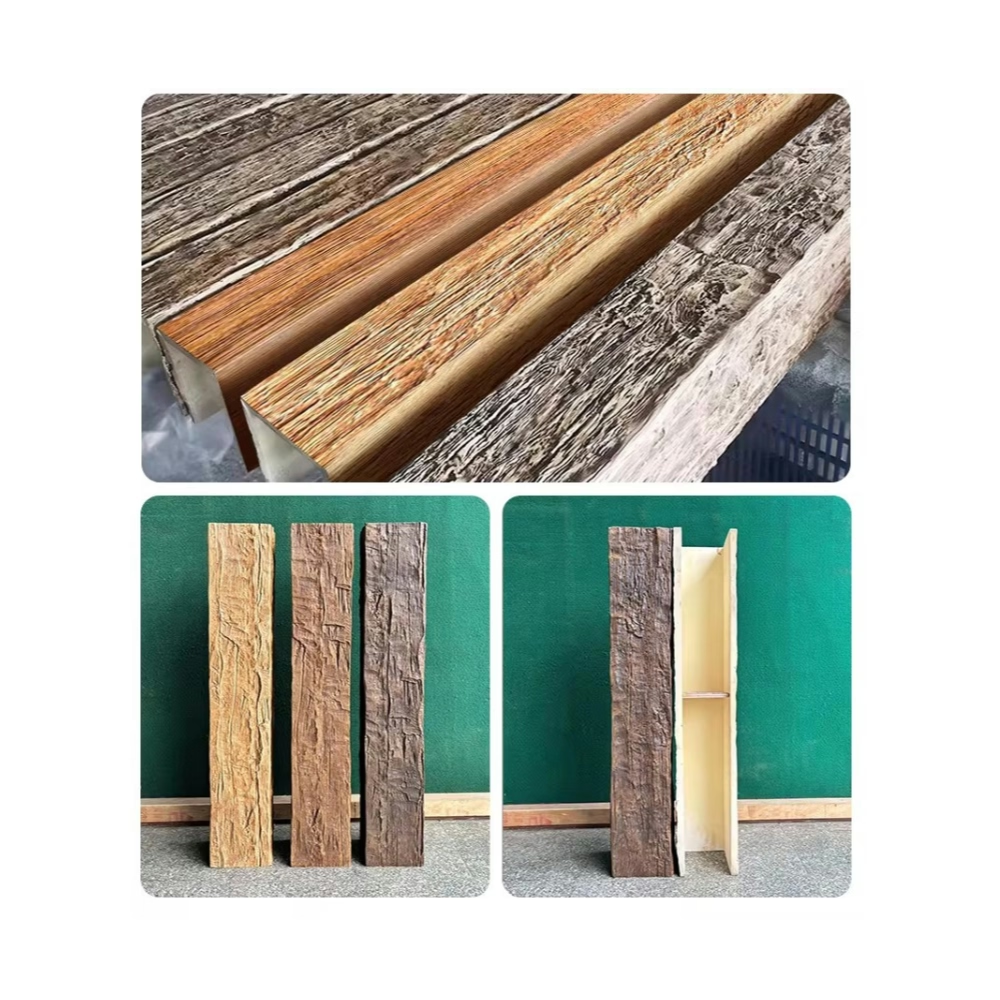
Durability for High-Traffic Environments
Restaurant ceilings endure conditions that would quickly degrade lesser materials. Cooking operations generate steam and grease-laden vapors that settle on all surfaces, requiring regular cleaning that stresses finish materials. HVAC systems cycle throughout service hours, creating humidity fluctuations that cause natural materials to expand and contract. Direct lighting generates heat that accelerates aging of sensitive finishes.
Polyurethane tolerates these conditions remarkably well. The material does not absorb moisture, preventing the swelling and warping that affects genuine wood in humid environments. Surface finishes resist the chemical exposure involved in commercial cleaning without discoloring or degrading. The inherent toughness of high-density formulations withstands the impacts and abrasion that occur in busy dining rooms.
This durability translates directly to maintenance cost savings. While genuine wood beams might require refinishing every few years in restaurant environments, quality polyurethane installations maintain their appearance through the entire service life of typical restaurant tenancies. This reliability enables accurate budgeting and eliminates the disruption that periodic renovation work would create.
Acoustic Management in Dining Spaces
Restaurant acoustics significantly impact dining experience and operational success. Excessive noise makes conversation difficult, forcing diners to repeat themselves and straining voices. Insufficient absorption creates echo that makes environments feel cavernous and unwelcoming. Between these extremes lies the acoustic comfort that supports relaxed dining and conversation.
Beam installations contribute to acoustic management through diffusion—the irregular surfaces scatter sound waves in beneficial ways that reduce harsh reflections and problematic echoes. While not replacing dedicated acoustic treatment where required, beam surfaces enhance the acoustic performance of comprehensive ceiling systems that combine absorption and diffusion elements.
Different dining formats suggest different acoustic priorities. Fine dining establishments serving multi-course meals over extended periods benefit from quieter environments that allow conversation without strain. Casual dining rooms generating higher energy levels can tolerate more reverberation that contributes to lively atmosphere. Beam specifications should align with these acoustic requirements, with finer dining rooms receiving treatment that supports intimate conversation.
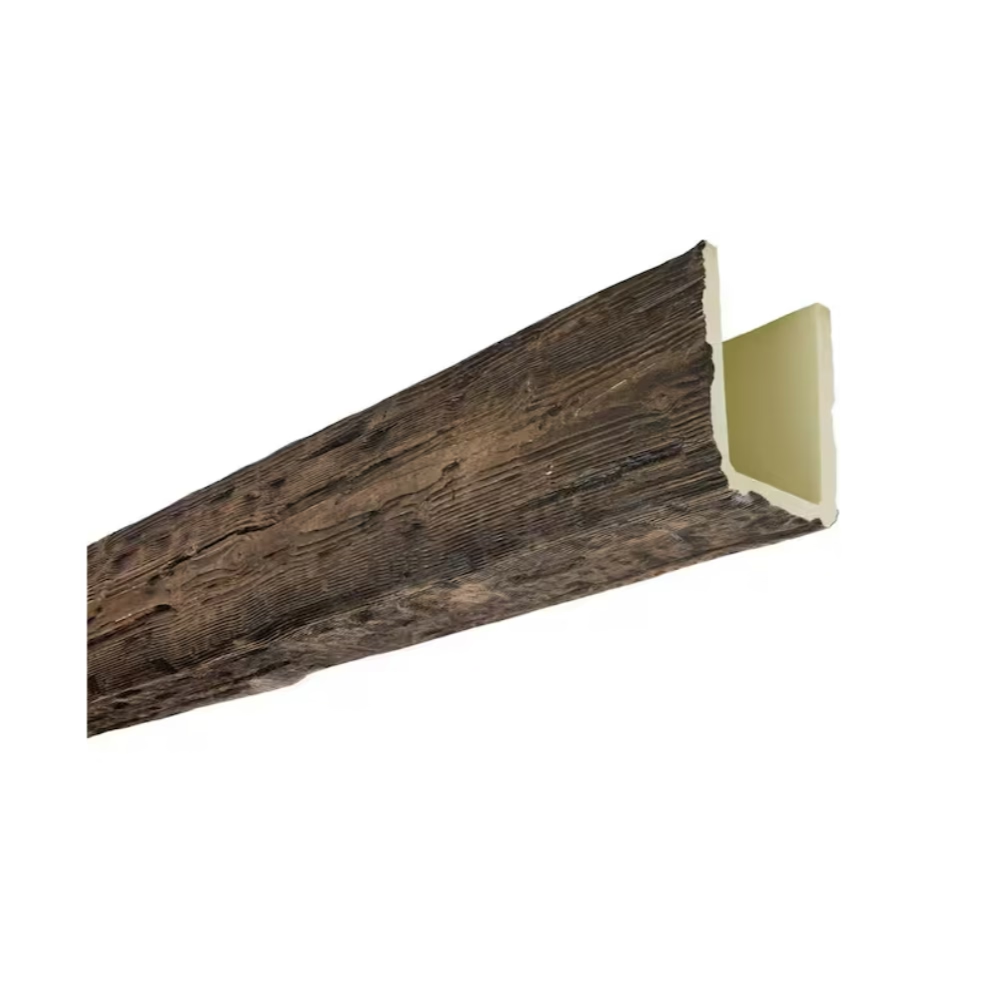
Installation Efficiency for Operating Businesses
Restaurant construction and renovation typically occurs on compressed timelines that minimize revenue loss during transition periods. Every day of construction represents lost sales that accumulate rapidly, creating pressure to complete work quickly regardless of other considerations. Installation methods that enable fast completion provide direct financial benefits that responsible operators recognize.
Polyurethane beams install significantly faster than structural timber alternatives. The absence of finishing work—sanding, staining, sealing—eliminates the drying times that extend traditional wood installation schedules. The lightweight nature of polyurethane enables handling by fewer workers using simpler equipment, reducing labor costs and setup time. Prefabricated mounting systems provide secure attachment without the custom fabrication that timber installations typically require.
This installation efficiency proves particularly valuable for restaurants occupying existing spaces. Renovation work in occupied shopping centers or mixed-use buildings must proceed without disrupting adjacent tenants, a constraint that favors methods generating less noise and debris. The quick installation of faux beams minimizes the period of disruption while delivering results that appear as though considerably more effort was invested.
Long-Term Performance and Return on Investment
Restaurant operators evaluate investments through the lens of return on investment, seeking expenditures that generate revenue or reduce costs in proportion to their expense. Beam installations qualify as capital investments when specified correctly, providing benefits that justify their costs through enhanced customer experience, reduced maintenance obligations, and extended service life.
The aesthetic contributions of well-designed beam installations attract customers and support premium pricing. Diners willingly pay more for experiences that feel special rather than generic, and the visual distinction that beam ceilings provide contributes to this perception of specialness. In competitive markets where cuisine quality often proves similar across establishments, environment becomes the differentiating factor that drives customer choice.
Maintenance savings compound over time to improve the financial performance of beam investments. Reduced cleaning requirements, eliminated refinishing cycles, and absence of repair work for damaged surfaces all contribute to lower ongoing costs. When combined with installation savings achieved through efficient methods, the total cost of ownership for polyurethane beams frequently proves substantially lower than alternatives that appear less expensive initially.
Technical References
ASTM standards cited in every specification
Test Data
Lab results from internal testing program
Updated 2026
Reviewed against current product specs


