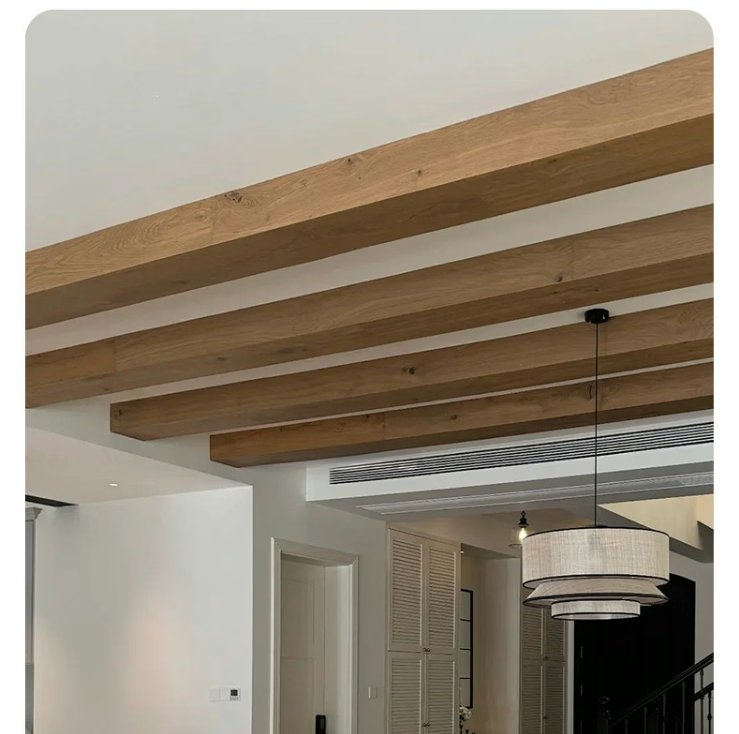
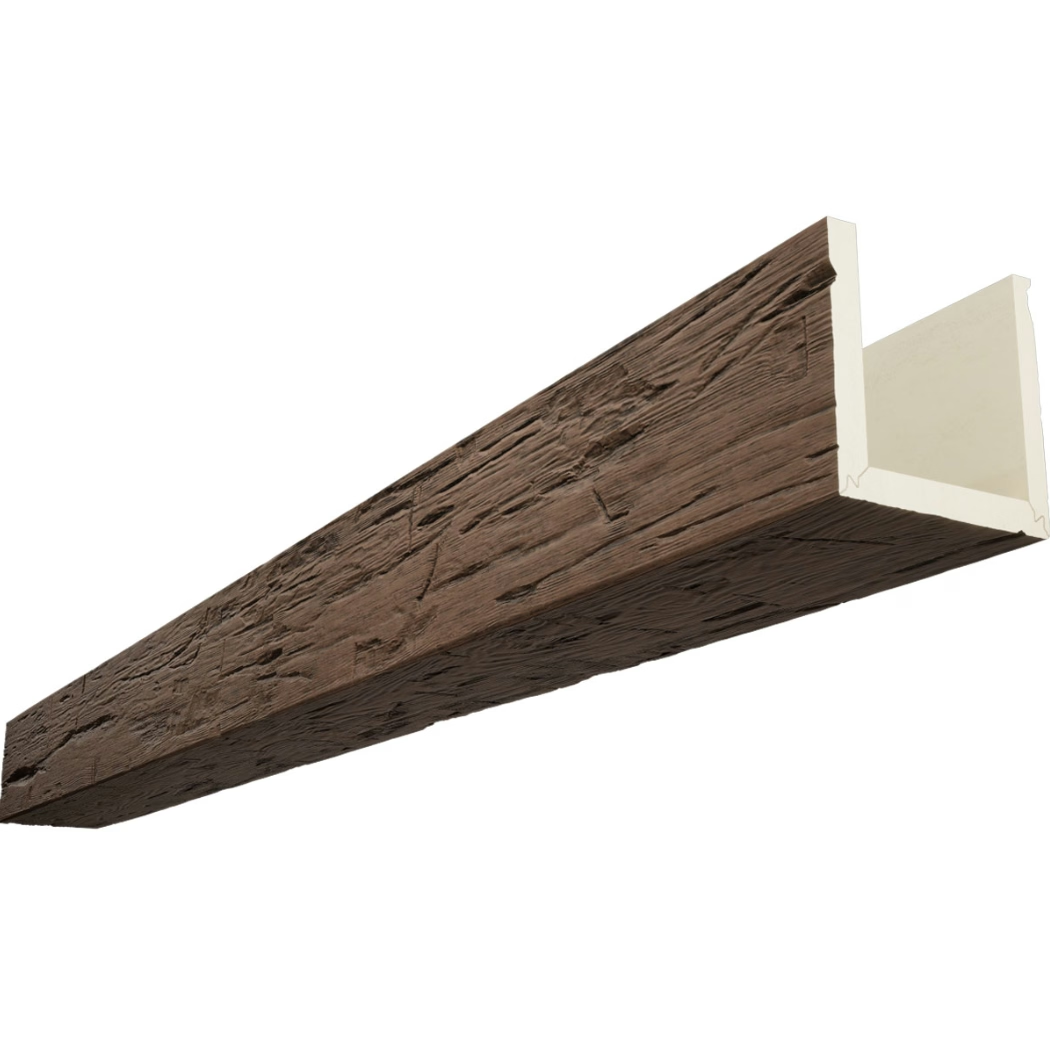
Retail success depends on creating experiences that draw customers through doors and encourage them to linger, explore, and ultimately purchase. The physical environment in which shopping occurs plays a decisive role in these outcomes, shaping perceptions of merchandise quality, brand values, and overall value proposition. Polyurethane faux beams have become valuable tools for retail designers seeking to craft environments that communicate distinct identities while meeting the practical demands of commercial retail operations.
Retail interiors must accomplish objectives that frequently conflict. Spaces should feel spacious yet intimate, exciting yet comfortable, distinctive yet appropriate for diverse merchandise categories. Ceiling treatments contribute significantly to these sometimes contradictory requirements, establishing atmosphere and visual proportions that influence how customers experience the spaces they visit. Beam installations provide architectural interest that elevates retail environments beyond the generic ceiling systems that characterize most retail construction.
Brand Expression Through Ceiling Design
Retail brands communicate identity through every visible element, from storefront signage to fitting room curtains. Ceiling treatments offer significant opportunity for brand expression that many retailers underutilize. Beams provide the visual presence and design flexibility necessary to create ceilings that contribute meaningfully to brand perception rather than disappearing into afterthought status.
Fashion retailers serving style-conscious clientele benefit from beam treatments that communicate contemporary sophistication. Clean-lined profiles in neutral finishes establish modern aesthetics appropriate for apparel and accessories that follow current trends. More fashion-forward brands might specify unexpected beam colors or configurations that signal the cutting-edge positioning they seek to occupy.
Home goods and furniture retailers embrace warmer, more traditional beam treatments that complement their merchandise. The organic textures and natural colors associated with wood-look beams harmonize naturally with furniture, textiles, and decorative accessories that populate these retail environments. Customers shopping for home items respond positively to environments that preview how their purchases might appear in actual residences.

Acoustic Considerations for Retail Comfort
Retail environments present specific acoustic challenges that thoughtful design must address. Customer conversations, music systems, and the general activity of shopping generate noise levels that accumulate in untreated spaces. Excessive noise creates stress and fatigue that shortens shopping sessions and reduces purchase behavior, while well-managed acoustics create comfortable environments that encourage extended browsing.
Beam installations contribute to acoustic management through surface irregularity that scatters sound reflections productively. While not replacing dedicated acoustic treatments where necessary, beam surfaces enhance the overall acoustic performance of retail ceiling systems. The combination of aesthetic appeal and acoustic benefit makes beams particularly valuable in retail applications where both considerations matter.
Different retail formats benefit from different acoustic treatments. High-energy environments like sports retail or entertainment stores can accommodate more reverberation that contributes to energetic atmosphere. Jewelry stores and boutiques serving merchandise requiring careful customer consultation benefit from quieter environments that facilitate conversation without strain. Beam specifications should align with these acoustic requirements.
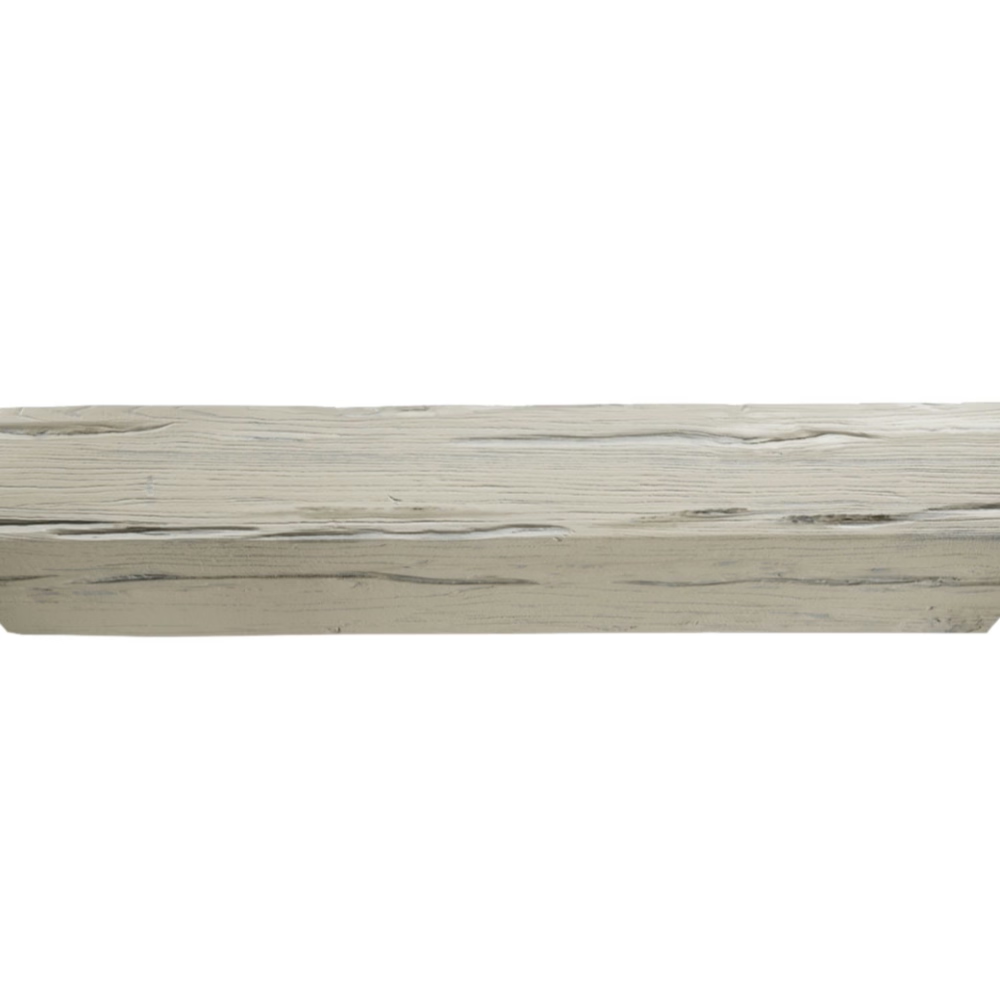
Lighting Integration for Merchandise Presentation
Retail lighting serves dual purposes: illuminating merchandise for evaluation while creating atmosphere that influences purchasing decisions. Beam installations interact meaningfully with both objectives, providing mounting surfaces for fixtures while contributing to the overall lighting composition that customers experience.
Track lighting systems install effectively between beams, with beam surfaces providing visual separation between fixture rows that prevents the cluttered appearance of closely spaced overhead fixtures. The warmth of wood-look beam surfaces also complements the typically warm color temperatures appropriate for retail lighting, creating cohesive lighting environments rather than the clinical effect that cooler light sources sometimes produce.
Feature lighting directed at beam surfaces creates ambient effects that enhance retail atmosphere without impacting merchandise presentation directly. This decorative lighting contributes to overall environment quality while operating independently of the task lighting that enables customers to evaluate merchandise. The layered approach—combining functional and decorative lighting—creates the kind of sophisticated illumination design that distinguishes exceptional retail environments.
Durability for High-Traffic Retail Spaces
Retail stores experience traffic volumes that challenge every finish material. Customers brushing against walls, merchandise carts impacting fixtures, and the general friction of commercial use create wear patterns that lesser materials cannot withstand. Ceiling treatments must resist these challenges while maintaining the visual appeal that attracts customers and justifies premium positioning.
Polyurethane faux beams demonstrate exceptional durability in retail applications. The material resists impacts that would dent or damage metal ceiling systems, tolerates the cleaning required in commercial environments, and maintains surface appearance through years of exposure to lighting and atmospheric conditions. This durability translates directly to maintenance cost savings and extended replacement cycles.
The lightweight nature of polyurethane provides practical installation benefits in retail contexts. Ceiling structures in retail buildings are not always designed for heavy finish materials, and beam weight influences what mounting approaches prove feasible. Polyurethane's favorable weight-to-appearance ratio enables installations that would prove impractical with genuine timber or stone alternatives.
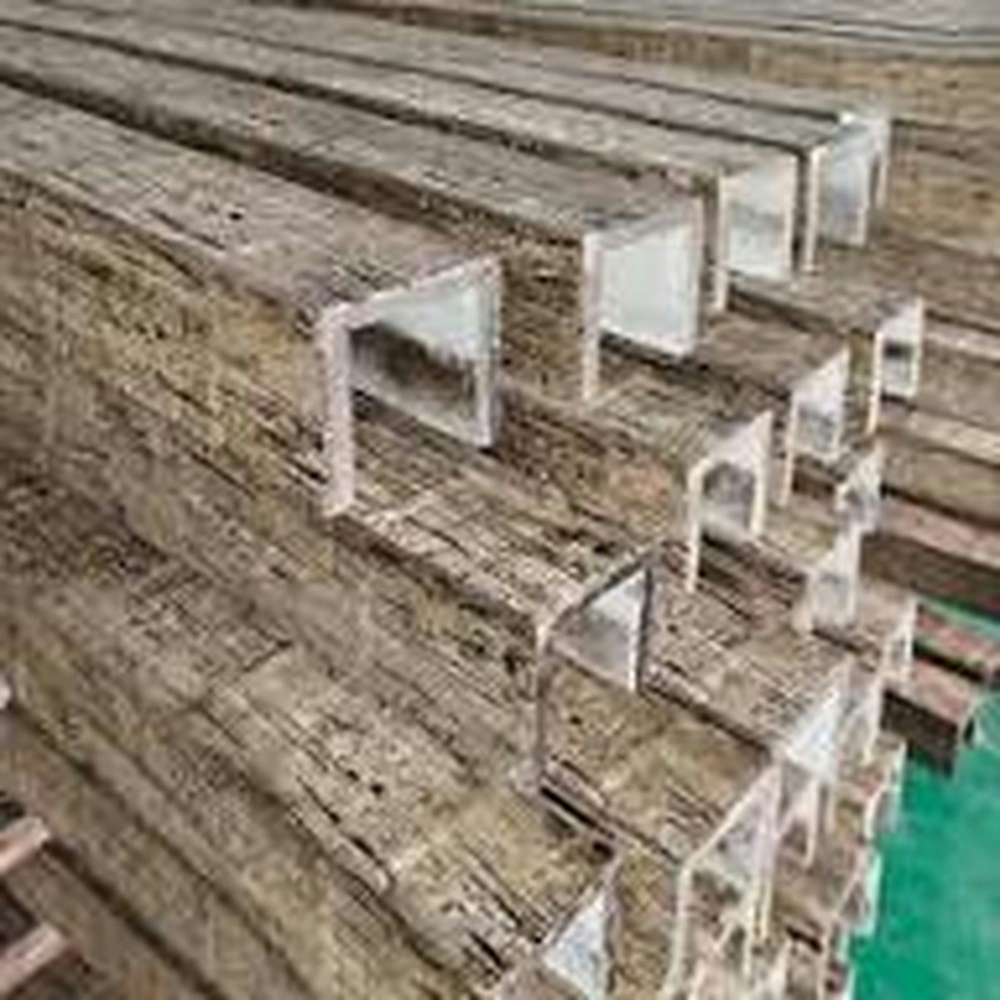
Flexibility for Evolving Retail Needs
Modern retail design must accommodate change. Store layouts require reconfiguration as merchandise categories shift, seasonal assortments rotate, and marketing strategies evolve. Fixturing systems, display equipment, and overhead displays all require ceiling access for pendant mounting and utility connections. Beam installations should facilitate these changes rather than hindering them.
The modular nature of prefabricated faux beam systems enables relatively straightforward reconfiguration when retail needs change. Beams can be removed, repositioned, or replaced to accommodate new configurations without the demolition and reconstruction that integral ceiling systems would require. This flexibility proves particularly valuable for retailers with frequent format changes or experimental retail concepts.
Technology integration also drives retail reconfiguration needs. Lighting systems evolve continuously, with LED replacements and smart controls requiring periodic updates. Display technologies that connect to overhead power and data sources demand ceiling infrastructure that supports these connections. Beam installations should accommodate these technological evolutions through accessible mounting approaches and utility integration capacity.
Cost Considerations for Retail Operators
Retail operators evaluate design investments through return-on-investment frameworks that prioritize expenditures generating measurable benefits. While aesthetic considerations matter, budget decisions ultimately depend on financial justification that demonstrates how design spending translates to business results. Polyurethane faux beams provide favorable economics when evaluated comprehensively.
Installation cost advantages contribute significantly to the financial case for faux beams in retail applications. Faster installation reduces the duration of revenue-losing construction periods, directly impacting profitability during transition phases. Reduced labor requirements lower total project costs while simplifying contractor coordination and scheduling. These practical advantages translate to bottom-line improvements that retail operators appreciate.
Maintenance cost projections should inform material specifications for retail applications. The cleaning frequency, chemical exposure, and physical stress that retail ceilings endure accelerate degradation of lesser materials, generating maintenance costs that initial price comparisons often overlook. Polyurethane beams' resistance to these challenges reduces ongoing maintenance obligations, improving total cost of ownership over installation lifetime.
Technical References
ASTM standards cited in every specification
Test Data
Lab results from internal testing program
Updated 2026
Reviewed against current product specs