
Rustic chic has emerged as one of the most enduring interior design movements, offering warmth and authenticity without sacrificing the comfort and livability that modern families require. This aesthetic successfully bridges the gap between rough-hewn authenticity and contemporary refinement, creating spaces that feel genuinely characterful while remaining highly functional. Polyurethane faux beams with authentic texture play crucial roles in achieving this balance, providing the rustic presence that defines the style while maintaining the practical advantages that contemporary material science enables.
The term rustic chic encompasses diverse interpretations unified by shared principles: natural materials, organic textures, warm atmospheres, and the comfortable authenticity that distinguishes genuine homes from showrooms. Beams contribute fundamentally to achieving these characteristics, introducing the substantial wooden presence that rustic aesthetics demand while offering the durability and ease that busy households appreciate.
Understanding Rustic Chic Aesthetics
Rustic chic spaces balance contrasts that might initially appear incompatible. Rough textures coexist with refined comfort; natural materials appear alongside polished surfaces; vintage character merges with contemporary functionality. This balance creates rooms that feel curated rather than casually assembled, with evident intentionality that elevates simple materials into sophisticated environments.
The key to successful rustic chic lies in restraint applied thoughtfully. The temptation to overload spaces with rustic elements produces cluttered, museum-like environments rather than comfortable living spaces. Strategic deployment of key elements—including textured beams, natural materials, and warm finishes—creates impact without excess, establishing rustic character through carefully chosen focal points rather than pervasive detailing.
Textured surfaces provide particular value in rustic chic contexts. The tactile quality of hand-hewn beams, weathered wood, and natural stone introduces authenticity that smooth surfaces cannot achieve. These textures reward close inspection while remaining appropriate for daily living, providing the kind of layered complexity that distinguishes exceptional interiors from merely competent implementations of current trends.
Textural Qualities of Quality Faux Beams
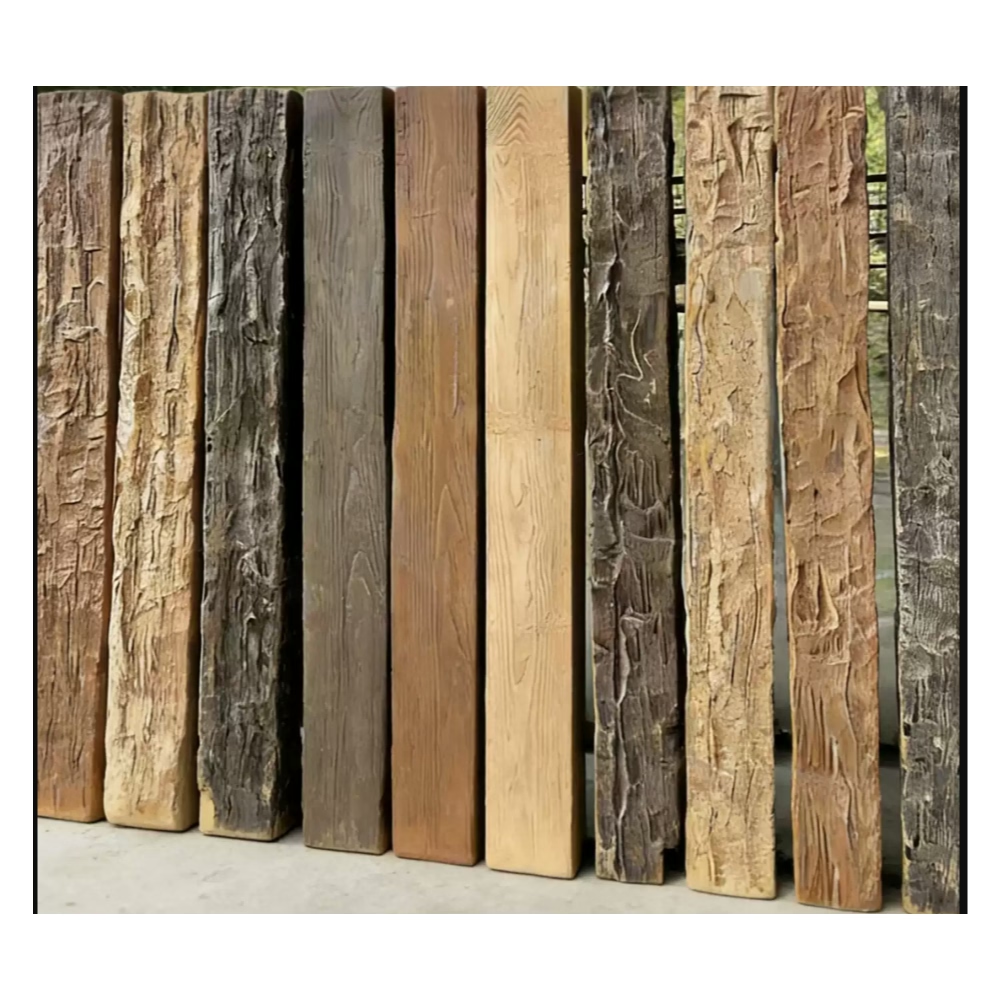
Modern polyurethane faux beams achieve textural authenticity that convincingly replicates genuine rustic materials. Through advances in manufacturing processes and surface technology, producers create beams with grain patterns, surface irregularities, and weathering effects that appear naturally occurring rather than artificially applied. This authenticity distinguishes quality products from lesser alternatives that read as obviously manufactured.
The texture applied to faux beams typically involves careful simulation of weathering processes that genuine wood undergoes over decades of exposure. Knots, checks, and grain variations replicate the character that only time can produce in authentic timber. This simulated aging enables new construction to achieve the established character that rustic aesthetics require without waiting for decades of natural weathering.
Surface roughness varies across different beam products, enabling specification that matches specific stylistic requirements. Some applications benefit from aggressively textured surfaces that communicate rough working and extended exposure; others require subtler textures that provide character without overwhelming surrounding elements. The range of available textures ensures appropriate matching across diverse rustic chic interpretations.

Color Approaches for Rustic Chic Spaces
Color selection for rustic chic beams should acknowledge both the warmth that defines rustic aesthetics and the refined sensibility that distinguishes chic from merely rustic applications. The goal involves achieving organic warmth without appearing dated or overly country-appropriate, establishing character that complements rather than conflicts with contemporary living requirements.
Warm earth tones provide the foundation for most rustic chic beam specifications. Honey browns, amber highlights, and golden undertones create the inviting warmth that rustic spaces should provide. These colors harmonize naturally with leather, natural stone, and woven textiles that populate rustic interiors, establishing material coherence that prevents disjointed appearances.
Grey and weathered finishes accommodate rustic chic interpretations with contemporary leanings. These cooler tones introduce sophistication that balances the potential heaviness of warm rustic palettes, creating environments appropriate for design-conscious occupants who appreciate rustic character without fully embracing traditional country aesthetics. The versatility of grey-toned beams expands the applicability of rustic chic beyond its conventional boundaries.
Integrating Beams with Contemporary Furnishings
Rustic chic interiors typically combine vintage and contemporary elements, creating layered compositions that feel collected over time rather than purchased in single shopping expeditions. Beams provide anchoring presence that unifies these potentially disparate elements, creating visual coherence that helps furnishings from different eras and styles feel related rather than randomly assembled.
Contemporary sofas and chairs in clean-lined designs provide comfortable seating without the visual weight that fully upholstered traditional pieces would contribute. The substantial presence of textured beams compensates for this lighter furniture aesthetic, maintaining appropriate visual weight within the room composition. This balance prevents spaces from feeling either too heavy or too insubstantial for comfortable occupation.
Modern lighting fixtures placed in proximity to rustic beams create productive tension that distinguishes rustic chic from purely traditional interiors. The contrast between organic beam textures and geometric fixture forms generates visual interest that each element enhances rather than diminishes. This interplay of textures and forms exemplifies the sophisticated design approach that rustic chic demands.
Flooring and Wall Treatment Coordination
Flooring materials in rustic chic spaces should complement rather than compete with beam installations. Hardwood floors in similar tones create seamless material flow that expands spatial perception while establishing warmth throughout. The coordination between beam and floor finishes ensures visual coherence that prevents either element from appearing disconnected from overall design intent.
Wall treatments range widely within rustic chic parameters, from exposed brick through shiplap paneling to smooth plaster in neutral tones. The appropriate choice depends on the specific rustic interpretation the space pursues and the amount of texture the overall composition requires. Beams might serve as primary textural elements against quieter wall surfaces, or might complement equally textured walls without introducing excessive visual complexity.
The junction between beams and adjacent surfaces deserves careful attention in rustic chic contexts. Traditional architectural detailing at these intersections—the subtle trim, the thoughtful transition—ensures that beam installations feel integrated rather than arbitrarily applied. Even rustic interiors benefit from the refined detailing that distinguishes intentional design from casual assembly.
Textile and Soft Good Coordination
Rugs, throw pillows, window treatments, and other soft goods complete rustic chic compositions through color, pattern, and additional texture layering. These elements should coordinate with beam finishes while introducing variation that prevents monotonous appearances. The relationship between beams and textiles creates the layered complexity that makes rustic chic interiors so engaging.
Area rugs in natural fibers—jute, sisal, wool—introduce additional organic texture that complements beam installations. These materials share the honest, unpretentious character that rustic aesthetics prioritize, creating material harmony throughout the space. Patterned rugs in traditional designs add visual interest without disrupting the natural material emphasis that defines rustic chic.
Throw pillows and blankets provide opportunities for color variation that beams alone cannot provide. The warmth of beam finishes can be echoed or contrasted through textile selections, creating color relationships that add vibrancy to neutral rustic foundations. These accent elements also provide flexibility to update appearances seasonally without replacing substantial architectural features.
Technical References
ASTM standards cited in every specification
Test Data
Lab results from internal testing program
Updated 2026
Reviewed against current product specs


