
Interior design has increasingly abandoned the rigid style categories that once defined decorating choices. Homeowners and designers now freely mix elements from different eras, combining the clean comfort of contemporary design with the character and warmth that vintage pieces provide. This hybrid approach creates spaces with universal appeal—environments that feel both fresh and familiar, sophisticated and welcoming. Polyurethane faux beams serve as ideal mediators in these eclectic compositions, providing the visual bridge that connects disparate elements into unified, harmonious interiors.
The challenge of style blending lies in achieving cohesion without uniformity. Spaces that incorporate purely contemporary and purely vintage elements without mediating features can feel confused, as if assembled by someone unable to commit to a single direction. Beams with hybrid characteristics—traditional forms finished in contemporary colors, or clean profiles with subtle vintage detailing—resolve this challenge by establishing visual continuity that helps contrasting elements feel related.
The Art of Style Mediation
Effective hybrid design requires understanding what makes different styles distinctive and identifying the characteristics that enable their successful combination. Contemporary design emphasizes clean lines, minimal ornamentation, and functional aesthetics. Vintage styles prioritize character, authenticity, and the patina that accumulated use provides. Hybrid applications identify the overlapping qualities that enable these approaches to coexist productively.
Beams designed specifically for hybrid applications often feature profiles that reference traditional forms without exact replication. These abstracted traditional elements connect to vintage roots while remaining contemporary in execution. The result provides the character that vintage enthusiasts appreciate while maintaining the restraint that contemporary sensibilities require.
Finish selection similarly requires hybrid thinking. Contemporary finishes in neutral tones provide sophistication that grounds rustic beams in modern contexts. Conversely, vintage-inspired finishes applied to contemporary profiles create traditional character without sacrificing clean-lined aesthetics. These cross-applications expand the range of successful hybrid compositions substantially.
Profile Selection for Hybrid Success
The cross-sectional profile of beams significantly influences their effectiveness in hybrid applications. Traditional profiles with elaborate detailing overwhelm contemporary spaces, while purely minimal profiles lack the character that hybrid interiors often require. The most successful hybrid beams occupy middle ground, offering visual interest without excessive ornamentation.
Tapered profiles reference traditional timber construction while maintaining contemporary proportions that suit modern spaces. These beams provide the sense of structural authenticity that hybrid interiors benefit from without the heavy-handed presence of fully traditional alternatives. The subtle traditional reference satisfies design curiosity without demanding sustained attention.
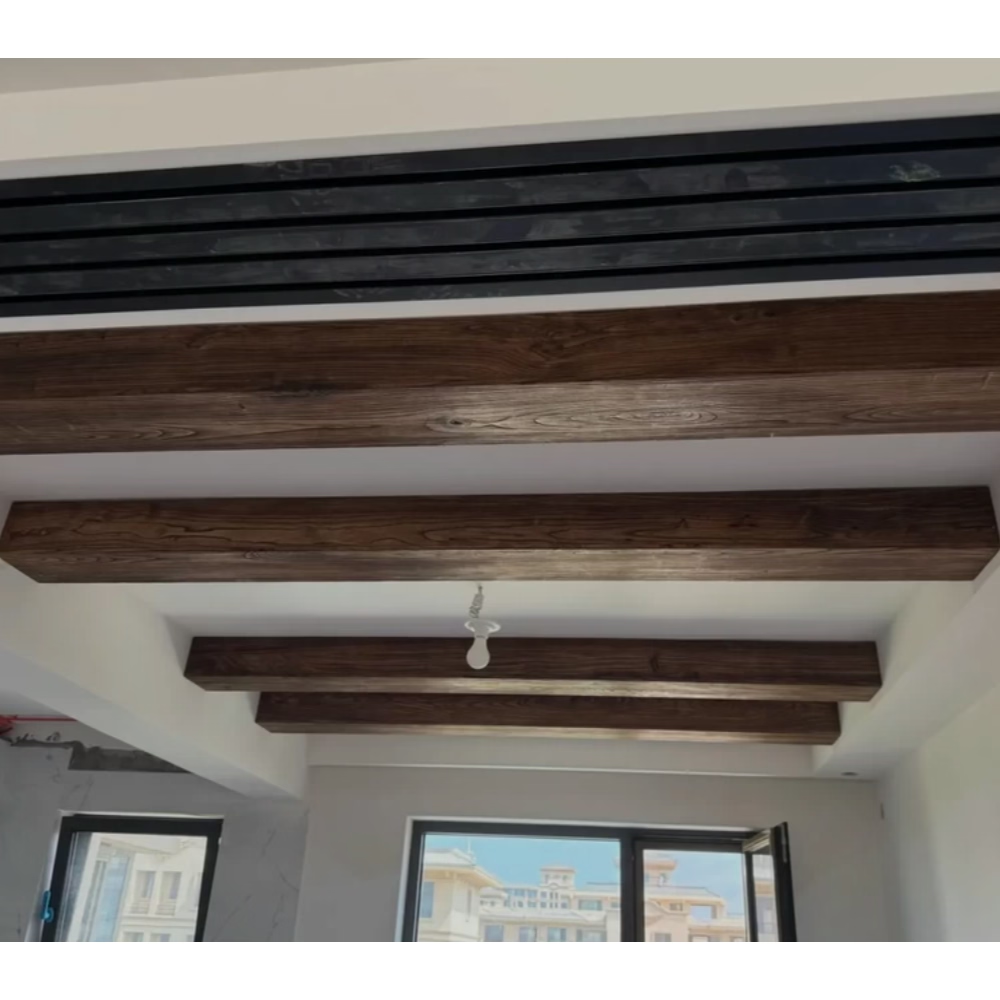
Box beam profiles offer particularly versatile foundations for hybrid applications. The clean geometry satisfies contemporary aesthetic requirements, while finish and texture selections introduce the character that prevents purely modern appearances. This profile flexibility enables a single structural form to accommodate diverse styling requirements through finish variations alone.

Finish Strategies for Style Blending
The finish applied to hybrid beams should acknowledge both contemporary and vintage design priorities. Contemporary finishes typically emphasize smoothness and uniformity; vintage finishes prioritize texture and weathered authenticity. Hybrid approaches combine these qualities, creating surfaces that satisfy both aesthetic requirements simultaneously.
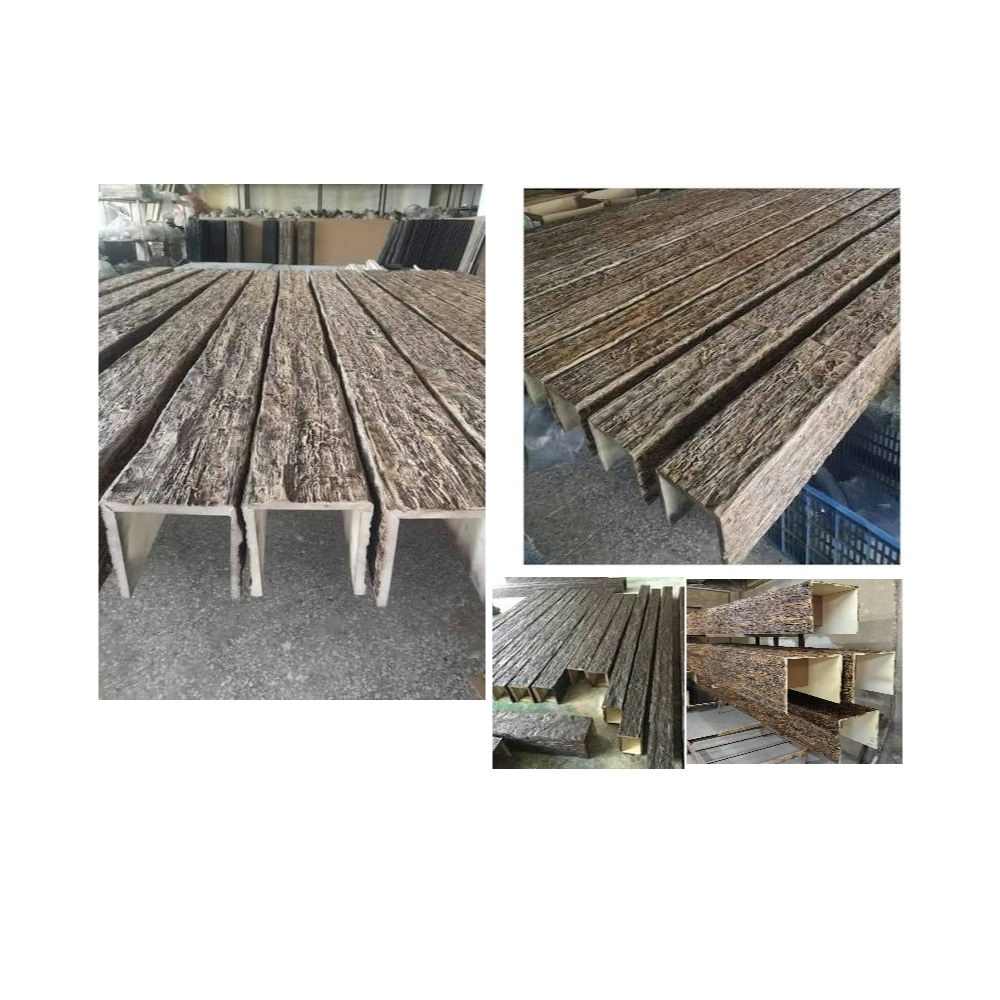
Subtle texture applied to otherwise contemporary finishes provides the character that vintage elements in hybrid spaces require. This minimal texturing—perhaps light hand-distressing or gentle grain emphasis—creates depth and authenticity without the aggressive weathering that purely rustic applications might pursue. The restraint demonstrates sophisticated design judgment that elevates the entire composition.
Color selection similarly bridges contemporary and vintage concerns. Neutral bases with warm undertones establish contemporary foundation while acknowledging the warmth that vintage aesthetics prioritize. Grey tones with subtle warmth avoid both the coldness of purely contemporary greys and the heaviness of traditional brown finishes, achieving the balanced approach that hybrid design requires.
Furniture Coordination Across Style Boundaries
Furniture selection in hybrid spaces requires understanding how different pieces contribute to overall composition. Predominantly contemporary furniture with selective vintage accents creates different effects than vintage foundations with contemporary updates. Beam specifications should respond to these compositional strategies, supporting the dominant style while bridging toward the accent elements.
Contemporary furniture in clean-lined designs provides the visual lightness that hybrid spaces often require. Substantial vintage elements can feel heavy in compositions without counterbalancing lightness; the contemporary furniture provides this balance while vintage accents add character that purely contemporary spaces might lack. Beams should complement this furniture approach, adding warmth without weight that would compromise spatial comfort.
Vintage furniture foundations benefit from beams with correspondingly traditional character. The substantial presence of period pieces suggests beam specifications that reinforce rather than contradict this traditional emphasis. Contemporary accents—including modern lighting, geometric rugs, or minimal accessories—then serve as bridging elements that keep these vintage-forward spaces from feeling stuck in historical reproduction rather than lived-in authenticity.
Accessory Selection for Hybrid Spaces
Accessories complete hybrid compositions through thoughtful selection that reinforces design intentions. The range of appropriate accessories expands in hybrid contexts, enabling combinations that would appear confused in stylistically pure environments. This expanded palette provides creative opportunities while requiring design discipline to maintain coherent results.
Artwork selection for hybrid spaces often combines contemporary pieces with vintage finds, creating gallery walls or arrangements that span design eras. The beam installations provide visual context that helps these diverse pieces feel related. Similarly, sculptural accessories in various styles coexist productively when beams establish unifying presence that connects otherwise disparate elements.
Textiles in hybrid spaces range across style boundaries, combining vintage patterns with contemporary textures and modern colors. The organic warmth of beam finishes provides foundation for these textile experiments, anchoring patterns and colors in material authenticity that prevents eclectic chaos. This textile layering creates the richness that distinguishes memorable interiors from merely adequate ones.
Achieving Timelessness Through Balance
The goal of hybrid design is timelessness—spaces that feel appropriate regardless of evolving fashion trends. This timelessness emerges from balance rather than extremity, from the confident combination of elements that transcends any single style category. Beams with hybrid characteristics contribute to this timeless quality by providing visual permanence that aging design trends cannot diminish.
Quality faux beams maintain their appearance indefinitely, protecting the investment that hybrid interiors represent. Unlike accessories that might date or furniture that might wear out, architectural elements establish foundation that persists through changing fashion. This permanence justifies the attention and investment that hybrid design requires, ensuring that carefully balanced spaces remain satisfying across extended occupancy periods.
Technical References
ASTM standards cited in every specification
Test Data
Lab results from internal testing program
Updated 2026
Reviewed against current product specs


