
Industrial rustic design has evolved from niche aesthetic to mainstream preference, offering urban dwellers connection to authentic materials and honest construction even in environments far removed from actual industrial heritage. This style celebrates the beauty of exposed structure, honest materials, and functional simplicity, creating spaces that feel genuinely characterful rather than merely decorated. Polyurethane faux wood beams contribute fundamentally to achieving industrial rustic atmospheres, providing the substantial wooden presence that grounds these often challenging spaces in organic warmth.
The industrial component brings raw urban energy—exposed ductwork, visible structure, utilitarian fixtures—while the rustic component tempers this potentially harsh aesthetic with warmth, texture, and the comfortable authenticity that residential spaces require. This balance distinguishes successful industrial rustic interiors from merely austere spaces that feel uncomfortable for sustained occupation.
Industrial Rustic Design Principles
Authentic industrial design celebrates materials and construction methods, exposing elements that conventional interiors conceal. Pipes, ducts, structural steel, and building materials typically hidden behind finish surfaces become featured elements that define industrial aesthetic. This honesty extends to materials, with concrete, metal, and reclaimed wood appearing prominently throughout industrial spaces.
The rustic contribution to this aesthetic introduces organic warmth that prevents industrial elements from feeling cold or inhospitable. Natural wood—real or simulated—provides the essential counterbalance to concrete and steel, creating the material diversity that makes industrial rustic spaces livable rather than merely visually interesting. Beams serve as primary carriers of this organic warmth, their wood-look surfaces providing visual relief from the harder materials that surround them.
Functionality remains paramount in industrial rustic design. Decorative elements should justify their presence through aesthetic contribution rather than mere ornamentation. This functional aesthetic demands beams that appear structural even when serving purely decorative purposes, providing the honest appearance that industrial design values while delivering the practical benefits that polyurethane materials enable.
Beam Specifications for Industrial Contexts
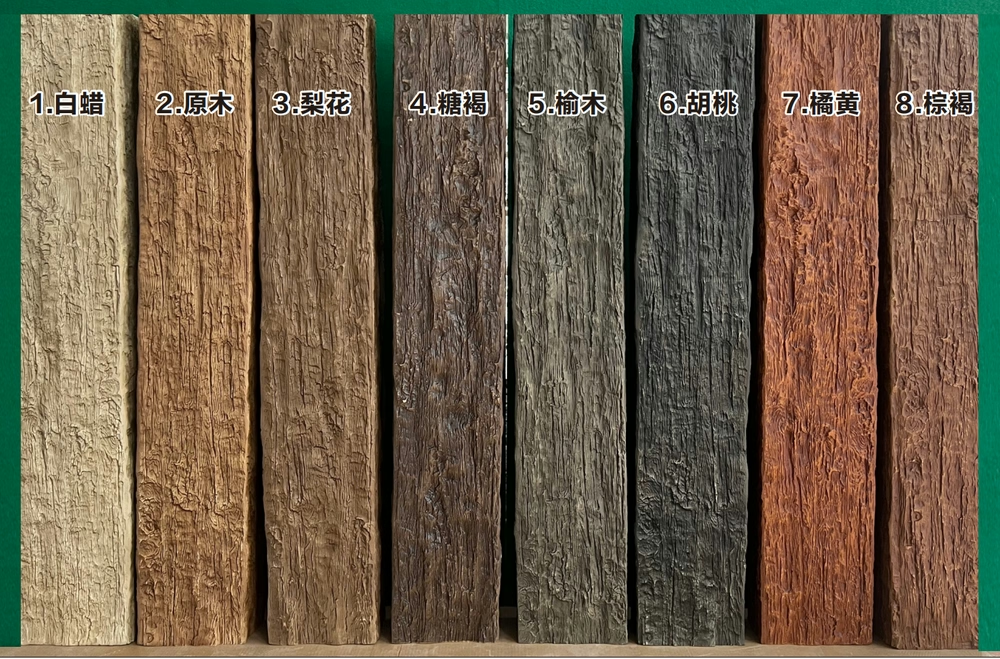
Industrial rustic spaces benefit from beam specifications that emphasize raw character over refined finish. The surface quality should suggest weathered authenticity rather than factory perfection, with textures and color variations that imply extended service and natural aging. Quality faux beams achieve this appearance convincingly while maintaining the practical advantages that differentiate them from genuine reclaimed materials.
Profile selection should reference industrial timber construction—substantial dimensions, perhaps slightly irregular proportions, and connection details that suggest authentic structural function. These references connect contemporary installations to historical building practices while satisfying the visual expectations that industrial aesthetics establish. Beams that appear too refined or delicate undermine industrial credibility, regardless of how attractive they might appear in other contexts.
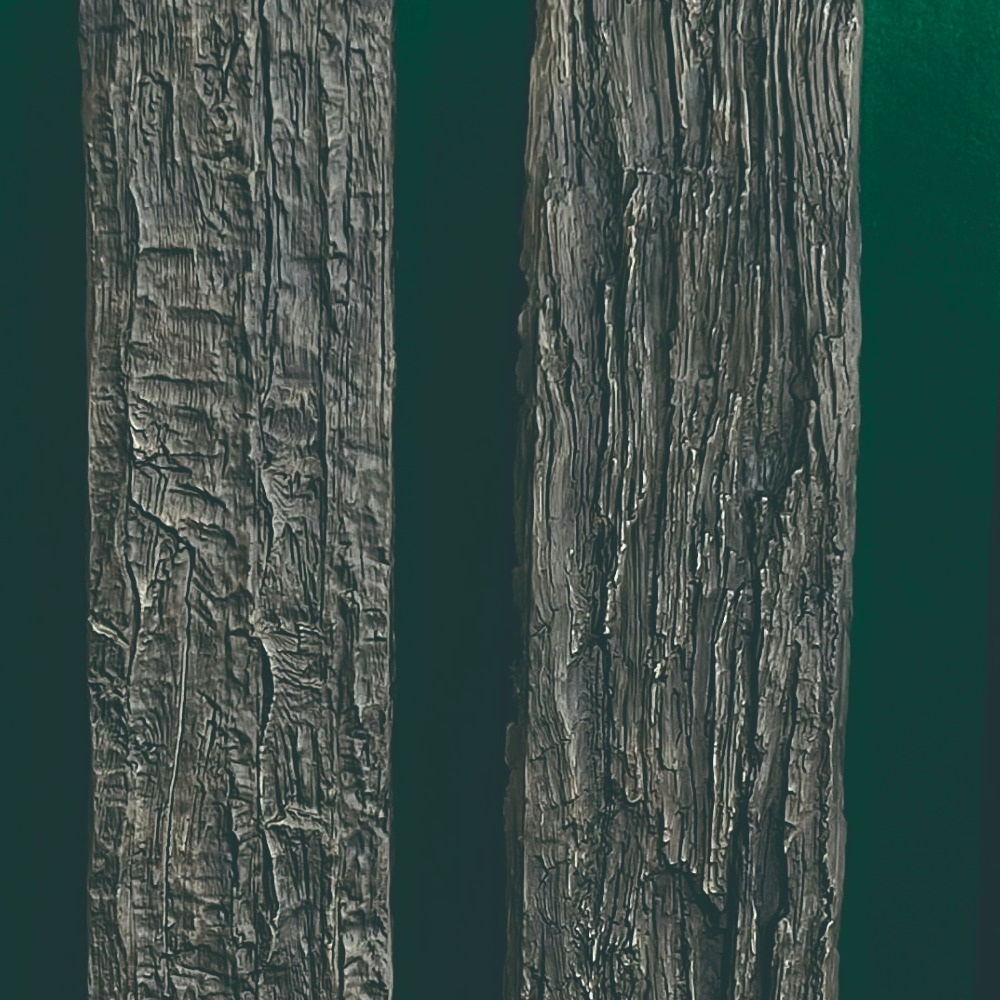
Finish selection for industrial applications typically emphasizes darker tones with matte or satin surfaces rather than polished highlights. Weathered greys, deep browns, and muted blacks create the subdued palette that industrial spaces typically pursue. These finishes also coordinate effectively with the metal and concrete materials that populate industrial interiors, establishing material harmony that prevents jarring contrasts.

Metal and Wood Material Combinations
The interplay between metal and wood defines industrial rustic aesthetics more than any other material relationship. Beams should be specified and installed with awareness of how they interact with metal elements throughout the space—exposed ductwork, pendant fixtures, support brackets, and furniture pieces that populate industrial interiors.
Contrast between smooth metal surfaces and textured wood creates visual interest that each material enhances. The warmth and organic irregularity of wood-look beams provides relief from metal's potentially cold appearance, while metal elements add geometric precision that grounds organic wood textures. This productive tension between materials defines industrial rustic character.
Connection details deserve particular attention in industrial rustic contexts. Exposed bolts, brackets, and mounting hardware that would be concealed in conventional installations become featured elements that reinforce industrial aesthetic. Beams installed with visible metal connectors communicate authentic structural reference that satisfies industrial design requirements. The substantial appearance of these connections also provides visual weight proportional to beam dimensions.
Lighting Integration for Industrial Atmosphere
Industrial lighting fixtures—bare bulbs, wire cages, warehouse pendants—define industrial aesthetic more strongly than perhaps any other single element. Beam installations should accommodate and complement these fixtures, providing mounting opportunities and visual context that enhance rather than compete with industrial lighting character.
Pendant fixtures suspended from beams gain presence through this association, with the substantial appearance of beams providing visual support that justifies substantial fixture sizing. Multiple pendants arranged along beam lengths create functional illumination while establishing the industrial atmosphere that these fixtures define. The combination of warm wood-look beams with industrial metal fixtures creates the material diversity that industrial rustic spaces require.
Bare bulb fixtures positioned between beams create layered illumination that animates industrial spaces throughout evening hours. The visible light sources satisfy industrial aesthetic requirements while providing the functional illumination that living spaces demand. Beams frame these fixtures appropriately, creating compositional relationships that feel designed rather than arbitrary.
Flooring and Wall Material Coordination
Industrial rustic interiors typically feature hard surface flooring—polished concrete, worn brick, or industrial tile—that complements the metal and wood materials defining the aesthetic. These flooring choices should coordinate with beam finishes, creating material harmony that prevents disjointed appearances.
Concrete flooring in grey tones pairs effectively with wood-look beams in warmer browns, creating the material diversity that industrial rustic spaces prioritize. The coolness of concrete balances wood warmth, while beam presence prevents floors from feeling cold or institutional. This balance exemplifies the material integration that successful industrial rustic design requires.
Exposed brick walls provide texture that beams can complement without competing against. The warmth of wood-look finishes echoes brick colorations while providing different texture that prevents monotonous surface appearance. Coordinate beam and brick finishes carefully to avoid visual confusion that mixing similar colors might create.
Furniture Selection for Industrial Rustic Spaces
Furniture in industrial rustic interiors typically combines metal frames with wood or leather surfaces, embodying the material diversity that defines the style. Beams should complement these furniture pieces, creating visual continuity that prevents furniture from appearing arbitrarily selected rather than purposefully integrated.
Metal furniture in black or raw steel finishes establishes industrial foundation that beams enhance through wood warmth. The combination satisfies industrial aesthetic requirements while providing the comfort that residential spaces demand. Leather upholstery in warm browns or natural tones bridges between metal frames and wood-look beams, creating material flow throughout the space.
Distressed and reclaimed appearance furniture coordinates naturally with beams that suggest similar authenticity. These pieces share the weathered character that industrial rustic design values, creating ensembles that feel genuinely related rather than assembled from disconnected elements. This coherence justifies the investment that quality industrial rustic furniture requires.
Technical References
ASTM standards cited in every specification
Test Data
Lab results from internal testing program
Updated 2026
Reviewed against current product specs


