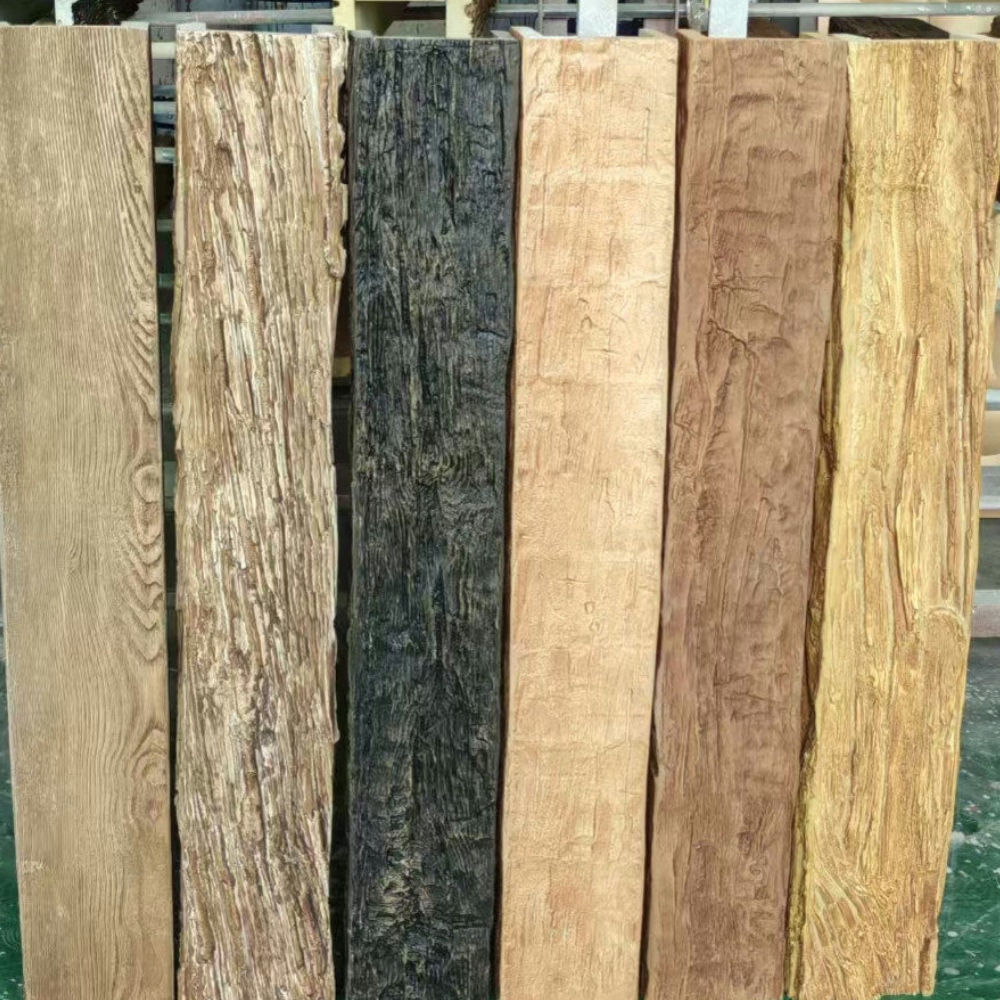
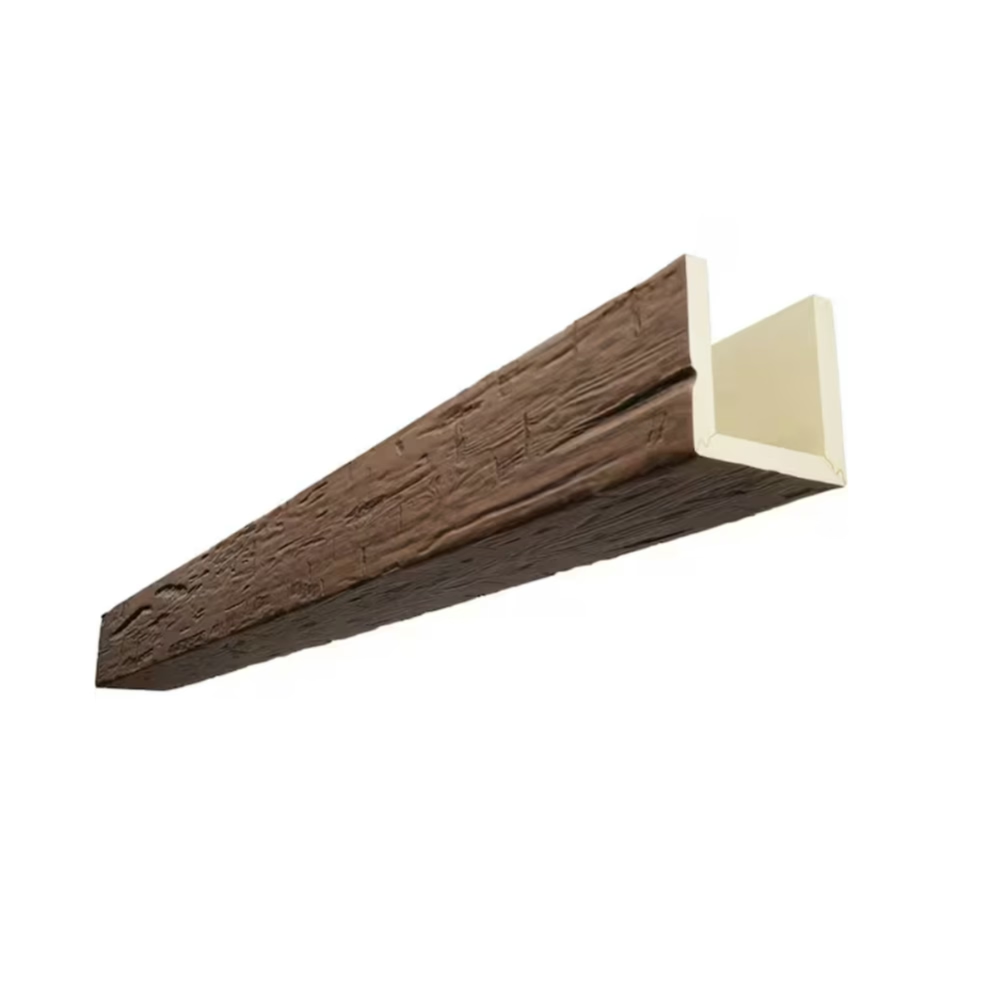
Kitchen islands have evolved from optional luxury to essential feature in contemporary kitchen design. These multi-functional work surfaces serve as cooking centers, gathering spots, homework stations, and informal dining areas that families depend upon daily. The substantial presence that kitchen islands require offers perfect opportunity for architectural enhancement through polyurethane faux wood beam accents. These treatments add rustic warmth, establish visual anchors, and create the kind of character that transforms purely functional kitchens into spaces families genuinely enjoy occupying.
The kitchen environment presents specific challenges for finish materials that beam installations must address. Moisture from cooking, temperature fluctuations near heat sources, and the general activity of busy households create conditions that stress many materials. Polyurethane's resistance to these challenges enables beam accents to maintain attractive appearance through years of demanding kitchen service.
Defining Kitchen Zones with Beam Treatments
Open-plan kitchens often lack the visual boundaries that help define distinct functional areas. The cooking zone, preparation area, and dining space flow together without physical separation, creating spatial continuity that supports flexible use while potentially reducing the visual interest that makes kitchens engaging places to work and gather.
Beam accents above kitchen islands create visual separation that helps define zones without impeding movement or sightlines. The substantial presence of beams marks the island location clearly, establishing spatial awareness that helps families navigate kitchen functions intuitively. This zoning function adds practical value while contributing aesthetic interest that enhances the overall kitchen environment.
The scale of beam treatments should relate appropriately to island dimensions. Substantial islands benefit from corresponding substantial beam specifications, with proportions that establish visual weight proportional to the furniture they mark. Smaller islands may require more restrained beam treatment to avoid overwhelming the kitchen composition with excessive visual weight.

Coordinating with Kitchen Cabinetry
Kitchen islands typically coordinate with surrounding cabinetry while maintaining distinct character that justifies their separate existence. Beam accents should enhance rather than compete with cabinet design, creating complementary relationship rather than visual confusion. This coordination requires attention to finish, style, and proportion that ensures productive combination.
Matching beam finish tones to cabinet color creates material continuity that connects island to surrounding kitchen. The wood-look of beams echoes wood cabinet door styles where present, or provides warm contrast to painted cabinets in neutral tones. This coordination prevents the disjointed appearance that mismatched materials might create.
When island cabinetry differs from surrounding units—a common approach that establishes island identity—beam treatment should complement rather than replicate this distinct character. Beams might reference the island cabinet style more directly while acknowledging the surrounding kitchen through other design elements. This layered coordination ensures that beams contribute to rather than complicate the overall kitchen composition.
Pendant Lighting Integration
Kitchen islands almost universally benefit from pendant lighting that provides task illumination for food preparation and casual dining while establishing visual anchor that marks the island location. Beam installations interact meaningfully with pendant fixtures, creating mounting opportunities and compositional relationships that enhance both elements.
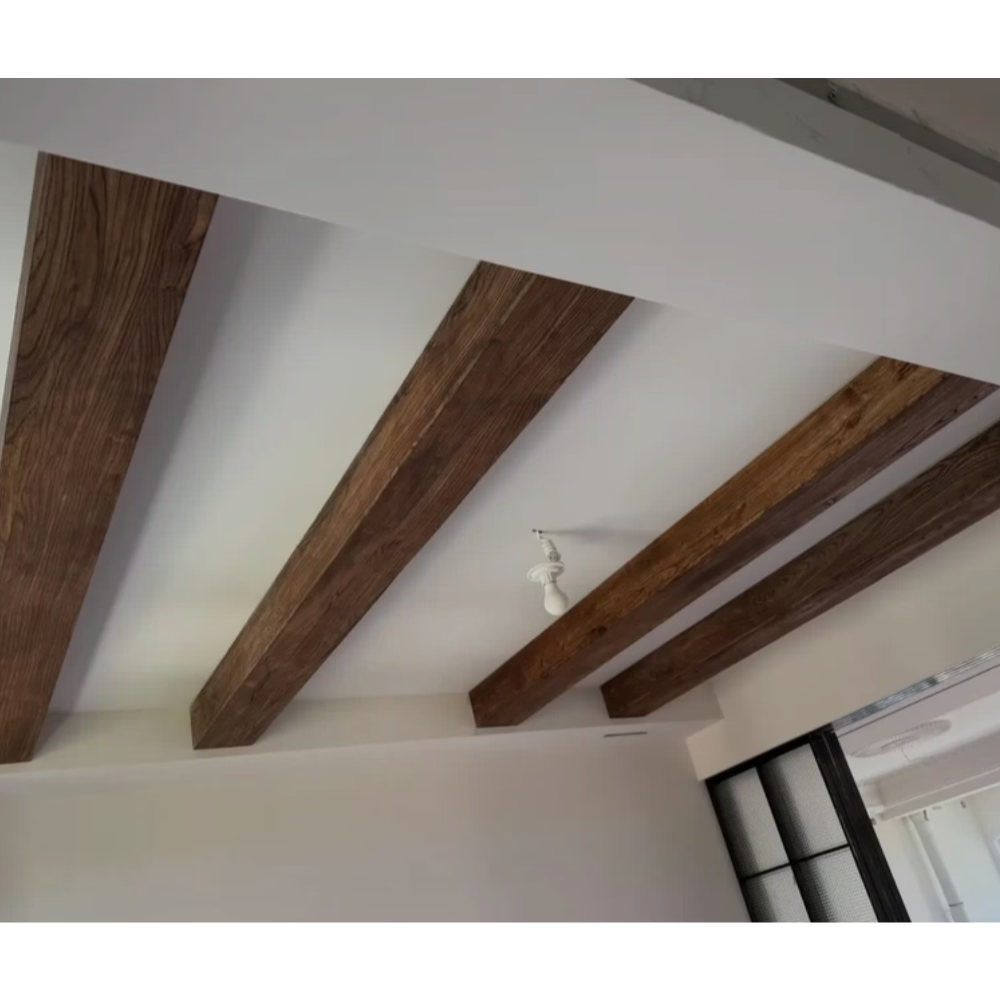
Pendants positioned between beams or crossing beam spans create clear visual connection between fixture and architectural treatment. The beams provide structure that justifies substantial pendant sizing, while fixtures add the decorative element that prevents beam installations from appearing purely structural. This productive relationship between architectural and decorative elements characterizes sophisticated kitchen design.
The number and spacing of pendants should relate to island dimensions and intended use. Islands serving primarily as work surfaces might accommodate multiple smaller pendants providing even illumination across the work zone. Islands emphasizing dining function might feature fewer, larger pendants that create more intimate atmosphere for family meals. Beam specifications should accommodate these pendant arrangements without modification that would compromise architectural integrity.
Countertop Material Coordination
The countertop material selected for kitchen islands significantly influences appropriate beam treatment. Natural stone, engineered quartz, concrete, and wood surfaces each suggest different aesthetic directions that beam specifications should acknowledge and complement.
Stone countertops in neutral tones pair effectively with warm wood-look beams, creating material diversity that adds visual interest. The organic warmth of beams prevents stone surfaces from feeling cold or institutional, establishing the comfortable atmosphere that residential kitchens should provide. This material combination has proven enduringly popular precisely because it successfully balances aesthetic considerations that different materials represent.
Concrete and butcher block countertops accommodate warmer or more rustic beam treatments that complement their own organic qualities. These countertop materials share the honest, natural character that rustic aesthetics prioritize, and beam finishes should reinforce rather than contradict this shared sensibility. The coordination between countertop and beam materials creates the material coherence that distinguishes well-designed kitchens.
Handling Kitchen Environment Challenges
Kitchens present environmental challenges that require specific material characteristics. Grease-laden vapors from cooking settle on all surfaces, requiring cleaning that stresses finish materials. Moisture from sinks and dishwashers creates humidity fluctuations that affect dimensional stability. Temperature variations near cooking surfaces stress materials through repeated expansion and contraction.
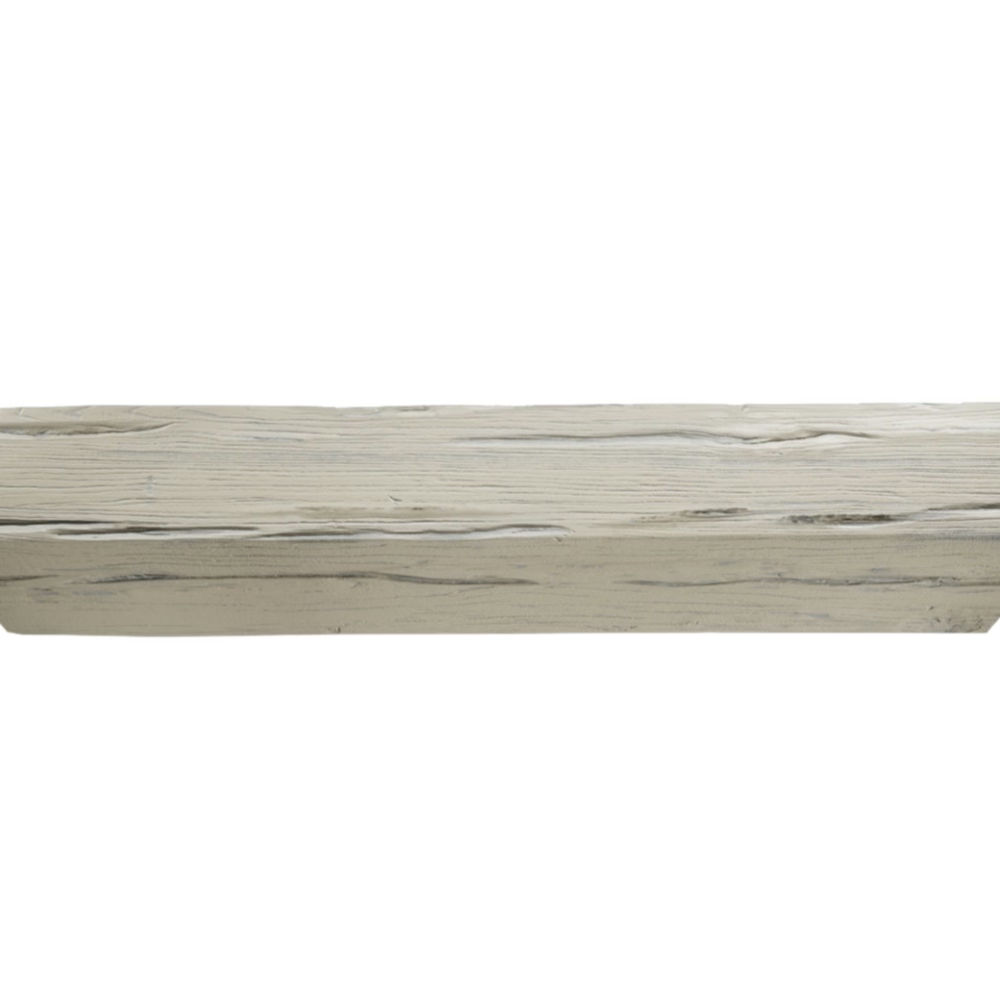
Polyurethane faux beams handle these challenges remarkably well. The material does not absorb grease or moisture, preventing the staining and swelling that affects genuine wood in similar conditions. Surface finishes resist the chemical exposure involved in kitchen cleaning without discoloring or deteriorating. Temperature stability ensures that beam dimensions remain constant regardless of cooking activity affecting the surrounding environment.
This environmental tolerance translates to reduced maintenance requirements that busy households appreciate. Kitchen beam accents maintain their attractive appearance through routine cleaning that households already perform, without requiring the specialized treatment that genuine wood might demand. The practical benefit combines with aesthetic contribution to establish genuine value for kitchen applications.
Supporting Kitchen Lifestyle Functions
Kitchen islands serve diverse functions that families depend upon daily. Meal preparation, homework sessions, casual dining, and social gathering all occur at these central locations, often simultaneously. Beam installations should support rather than impede these activities, providing aesthetic contribution without functional compromise.
Pendant lighting positioned at appropriate heights ensures that illumination supports rather than interferes with kitchen activities. Beams should be positioned to allow adequate pendant clearance while maintaining visual proportion that satisfies aesthetic requirements. This practical consideration influences beam placement decisions that pure aesthetic judgment might overlook.
The substantial presence of beam-accented islands often encourages families to gather in the kitchen more frequently. The visual anchor that beams provide helps define gathering zones that support family connection through shared meals and conversation. This social benefit represents genuine value that transcends mere aesthetic contribution, establishing beam-accented islands as investments in family wellbeing rather than purely decorative enhancement.
Technical References
ASTM standards cited in every specification
Test Data
Lab results from internal testing program
Updated 2026
Reviewed against current product specs