
Showrooms exist to sell. Whether displaying automobiles, furniture, fashion, or technology, these commercial spaces must capture attention, communicate value, and create experiences that motivate purchasing decisions. The ceiling—often overlooked in conventional retail design—provides substantial opportunity for differentiation that showroom operators increasingly recognize as competitive advantage. Polyurethane faux beams transform this underutilized surface into powerful design element that supports brand positioning and enhances product presentation.
The investment required to establish and operate showrooms demands exceptional return on every design decision. Unlike general retail environments where customers might browse casually, showroom visitors typically arrive with purchasing intent, creating opportunity that thoughtful design capitalizes upon. Ceiling treatments contribute by establishing the premium atmosphere that justifies price points and creates memorable experiences worth sharing.
Establishing Premium Brand Atmosphere
Showroom design must communicate brand positioning immediately and consistently. Customers form impressions within seconds of entering spaces, and these first impressions significantly influence subsequent behavior. Ceiling treatments contribute importantly to this initial impact, with beam installations providing the substantial presence that premium positioning requires.
Premium showroom beams should convey quality through scale, finish, and installation precision. Beams that appear undersized or poorly integrated undermine premium positioning regardless of other design elements. The investment in quality beam specifications—substantial dimensions, refined finishes, professional installation—communicates the same attention to detail that customers should expect from the products the showroom displays.
The material authenticity that quality faux beams provide serves brand communication objectives effectively. Wood-look surfaces communicate warmth and craftsmanship that complement most premium products, creating environments that feel curated rather than generic. This environmental quality reflects positively on displayed merchandise, supporting the premium pricing that showroom business models require.
Supporting Product Display Strategies
Showroom ceiling design must accommodate the lighting, mounting, and spatial requirements that product display demands. Beams should enhance rather than interfere with these functional requirements, providing aesthetic contribution while maintaining the flexibility that commercial display needs require.
Track lighting systems install effectively between beams, with beam spacing providing natural intervals for fixture positioning. This integration of architectural and functional elements creates cleaner appearance than ceiling systems with closely spaced fixtures, enhancing the premium atmosphere that showrooms pursue. The warm tones of wood-look beams also complement the typically warm lighting temperatures appropriate for product display.
Vertical space above displays often receives insufficient attention in showroom design. Beams spanning these zones create visual boundaries that help define display areas without physical barriers that might interfere with customer movement. This zoning function contributes to navigational clarity that helps customers locate products efficiently while encouraging exploration of the full showroom space.


Acoustic Management for Showroom Environments
Showroom acoustics influence customer experience and purchasing behavior more significantly than many operators recognize. Excessive noise creates stress that reduces time spent considering products; insufficient absorption creates echoing conditions that feel unwelcoming and institutional. Beam installations contribute to acoustic management through the diffusion that irregular wood-look surfaces provide.
Music systems in showrooms create specific acoustic challenges that beam surfaces help address. The layered sound—music, customer conversation, sales interaction—accumulates in untreated spaces, creating noise levels that undermine the sophisticated atmosphere premium positioning requires. Beam surface diffusion scatters sound productively, reducing harsh reflections while maintaining the energetic feel that showroom environments benefit from.
Conversation areas within showrooms benefit from acoustic zones that support customer consultation without complete isolation. Beam installations positioned to frame conversation areas create subtle acoustic differentiation that supports focused discussion while maintaining the showroom's open, connected feeling. This acoustic zoning contributes to functional flexibility that serves diverse customer needs.
Lighting Design Integration
Showroom lighting serves multiple objectives simultaneously: illuminating products for evaluation, establishing brand atmosphere, and creating visual drama that captures attention. Beam installations interact with lighting design across all these objectives, providing mounting structure, visual framing, and decorative contribution that enhances overall lighting effectiveness.
Ambient lighting positioned to highlight beam surfaces creates the kind of layered illumination that distinguishes exceptional showroom design. This accent lighting reveals grain patterns and finish quality that casual observation might miss, transforming beams from background architectural elements into featured details that reward attention. The warm glow reflected from wood-look surfaces also contributes to overall atmosphere quality.
Display case lighting positioned below beams creates compositional relationships that guide customer attention toward featured products. The beams provide visual boundaries that frame these displays, establishing hierarchy that helps customers navigate showroom offerings efficiently. This lighting integration demonstrates how beams serve functional objectives beyond their aesthetic contribution.
Durability for Commercial Traffic
Showroom environments experience traffic patterns that challenge finish materials continuously. Customers examining products brush against surfaces; sales staff moving throughout the space generate impacts and friction; cleaning activities expose materials to chemicals and abrasion. Ceiling treatments must withstand these conditions while maintaining the pristine appearance that premium positioning requires.
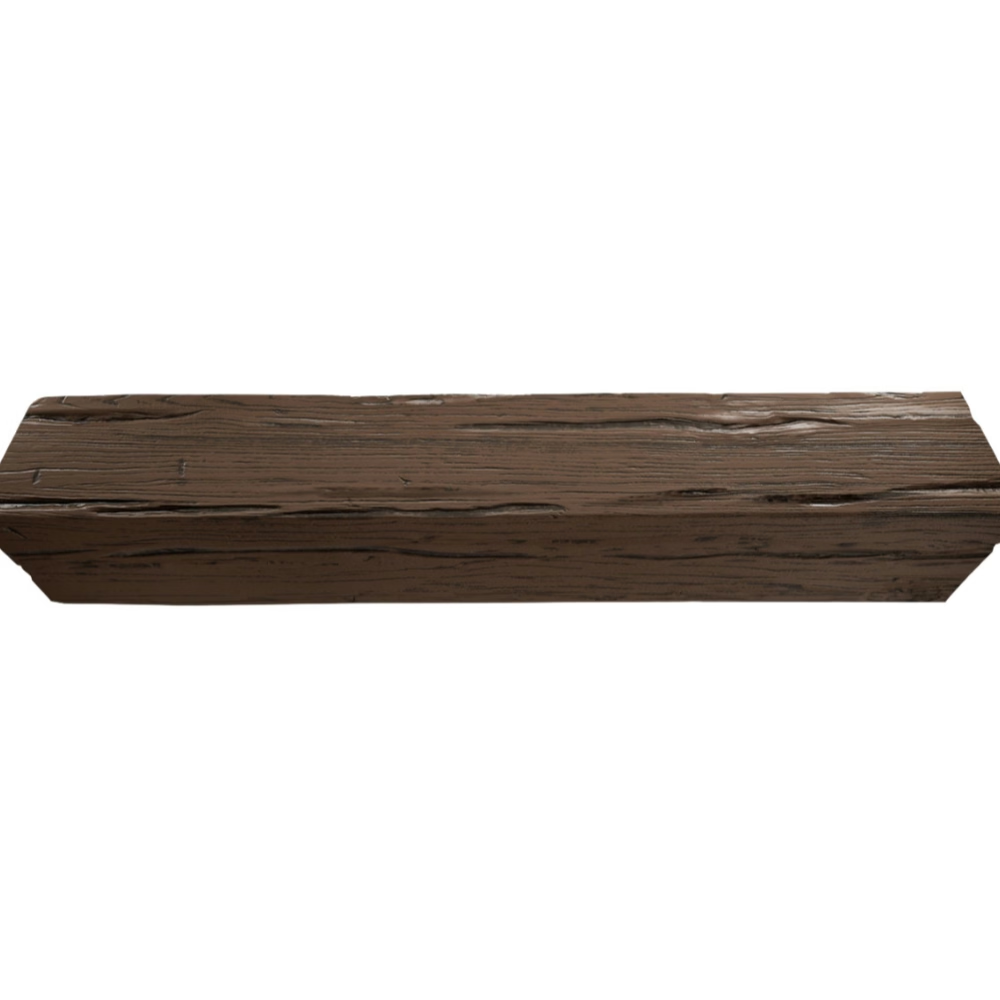
Polyurethane demonstrates exceptional durability in showroom applications. The material resists impacts that would dent or damage metal ceiling systems, tolerates the cleaning required in commercial environments, and maintains surface appearance through extended exposure to lighting and atmospheric conditions. This durability protects the investment that premium beam installations represent.
The lightweight nature of polyurethane also serves commercial applications by simplifying installation and reducing structural requirements. Showroom ceilings often conceal mechanical systems that require access; lightweight beams simplify this access while maintaining the substantial appearance that premium environments demand. This practical characteristic enables design flexibility that heavier materials would constrain.
Creating Memorable Customer Experiences
Ultimately, showroom design succeeds when it creates experiences that motivate purchasing decisions and generate positive word-of-mouth. Ceiling beams contribute to these experiences by establishing atmosphere, supporting product presentation, and creating the kind of environmental quality that customers remember and share. This experiential contribution justifies the investment that quality beam specifications require.
Customers often cannot articulate precisely what makes certain showrooms feel more impressive than others. The cumulative effect of thoughtful design elements—including ceiling treatments—creates impressions that influence behavior subconsciously. Beam installations contribute to this cumulative effect, providing the architectural presence that premium spaces require without the practical limitations that genuine timber would introduce.
The photographs that customers take and share extend showroom impact beyond physical visits. Spaces with distinctive ceiling treatments generate social media content that promotes brands organically. This marketing value represents additional return on beam investment that operators should consider when evaluating design decisions.
Technical References
ASTM standards cited in every specification
Test Data
Lab results from internal testing program
Updated 2026
Reviewed against current product specs


