
Minimalist interior design pursues beauty through reduction, eliminating visual clutter and unnecessary ornamentation to reveal the essential qualities that make spaces worth occupying. This aesthetic philosophy requires careful balance—too little detail creates sterile environments; too much overwhelms the restraint that minimalism demands. Polyurethane faux beams finished in silver grey tones offer architectural contribution that enhances minimalist interiors without violating the principles that define the style.
The challenge of incorporating beams into minimalist spaces lies in achieving visual presence without visual weight. Beams must announce their presence sufficiently to justify the specification but must not demand the attention that minimalist design redirects toward essential elements. Silver grey tones provide the solution, offering subtle warmth that distinguishes beams from pure white ceilings while maintaining the restraint that neutral minimalist palettes require.
Minimalist Design Principles Applied to Beams
Authentic minimalism involves more than simply reducing furniture and accessories. Genuine minimalist design considers every element carefully, ensuring that what remains deserves the attention it receives. Applied to beam specification, this philosophy suggests restraint in profile selection, moderation in finish intensity, and precision in installation that eliminates any suggestion of afterthought.
Profile selection for minimalist applications should emphasize clean lines without excessive ornamentation. Beams with refined proportions and minimal detailing provide architectural presence while respecting the visual quietude that minimalist interiors require. The profile should appear intentional and designed rather than selected from catalog options without consideration of how it relates to surrounding elements.
Finish selection should pursue the kind of subtle sophistication that distinguishes refined minimalism from mere reduction. Pure white beams can appear institutional; pure grey beams can appear depressed. Silver grey tones in carefully balanced proportions provide the warmth that makes spaces habitable without disrupting the clean aesthetic that justifies beam inclusion in minimalist contexts.
The Role of Texture in Minimalist Spaces
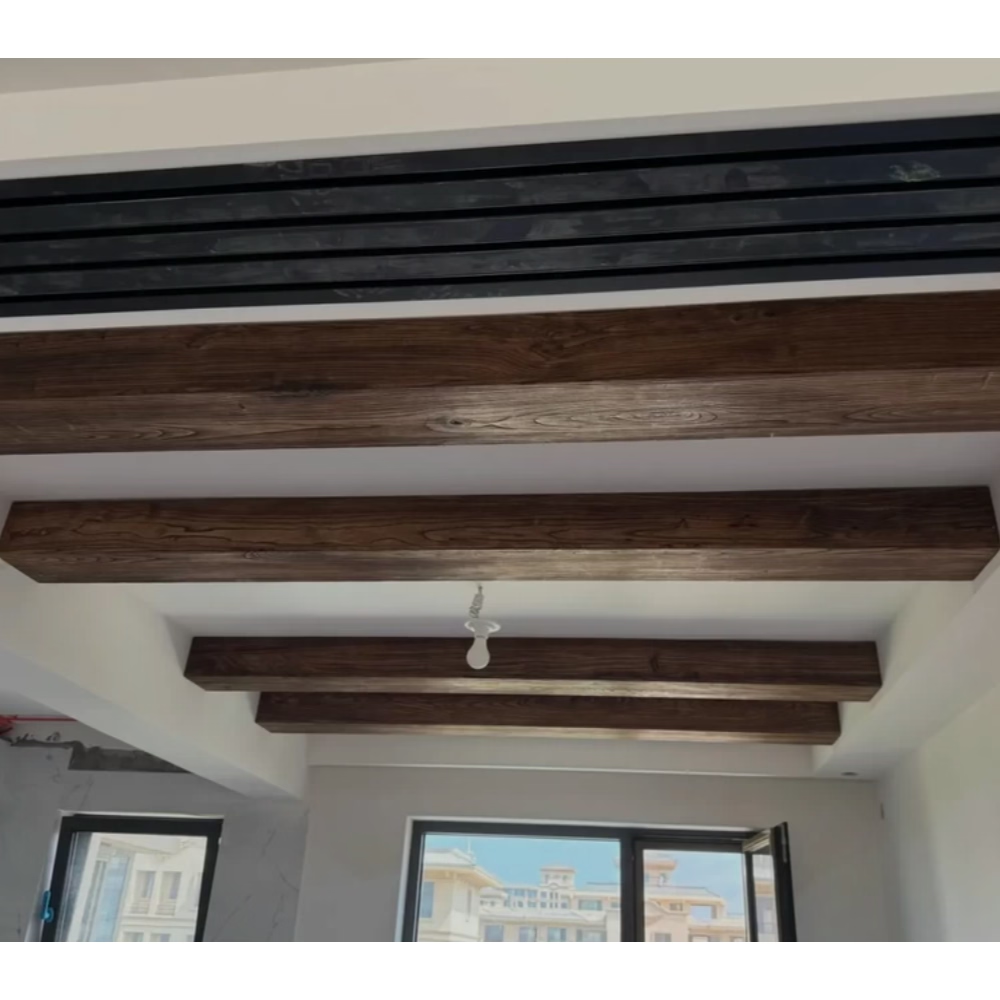
Minimalist design does not preclude texture; rather, it selects texture carefully for maximum impact with minimum intrusion. Wood grain texture on beams provides precisely this kind of contribution—substantial tactile interest that rewards close inspection while remaining visually recessive enough for minimalist composition.
The texture of wood grain adds warmth and organic quality that pure white or grey surfaces cannot achieve. These qualities prove essential for residential minimalist spaces where families spend extended time, as purely geometric environments can feel uncomfortable for sustained occupation. Beams provide the material warmth that makes minimalist spaces livable rather than merely photographable.
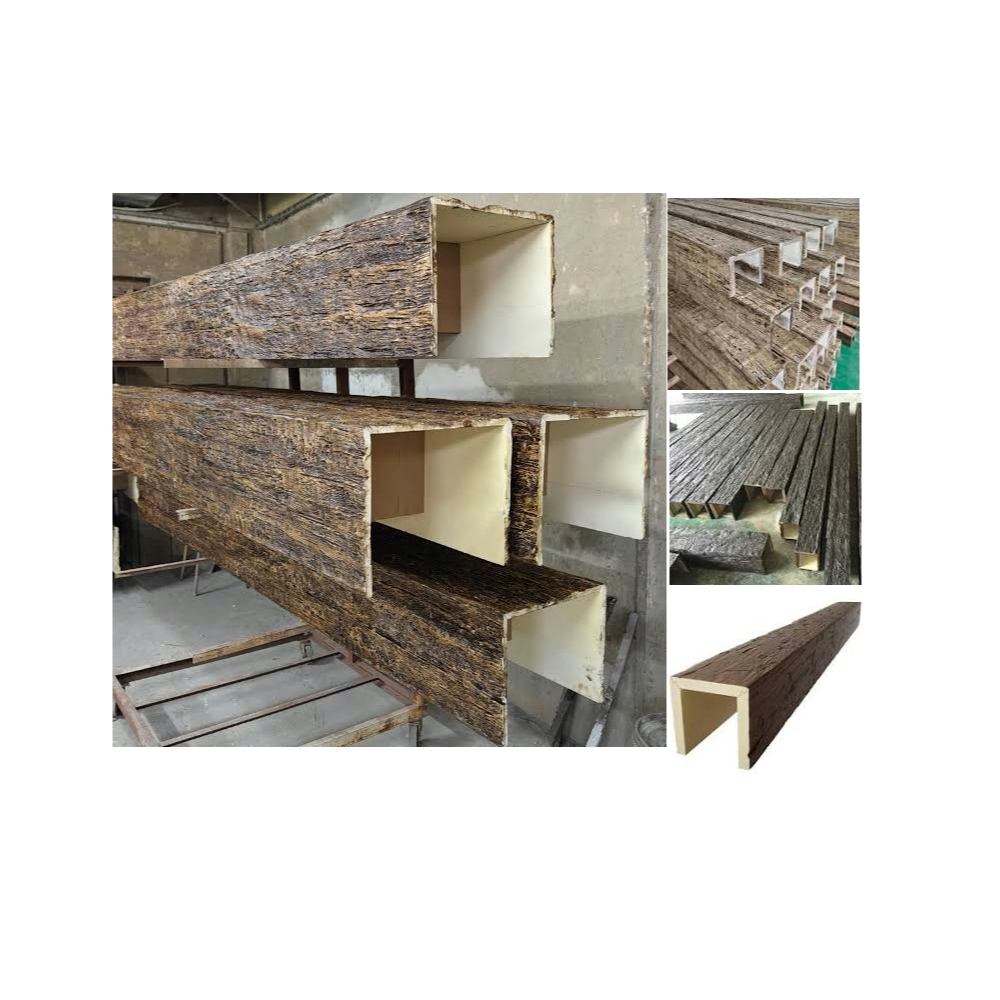
Quality faux beams achieve wood grain texture that convincingly suggests authentic material without the weight and complications that genuine wood would introduce. This texture authenticity distinguishes quality products from lesser alternatives that might read as obviously synthetic under the scrutiny that minimalist interiors invite. The investment in quality ensures that beam installations satisfy design intentions throughout extended occupancy.

Coordinating with Neutral Color Schemes
Minimalist interiors typically feature neutral color palettes—whites, greys, and the occasional warm neutral—that provide backdrop for carefully selected furniture and accessories. Silver grey beams should integrate with these palettes, adding warmth without disrupting the overall color harmony that neutral schemes establish.
White walls in various sheens provide natural companion for silver grey beams. The subtle warmth of grey beams prevents white surfaces from appearing stark, while white walls prevent beams from appearing heavy or dominant. This mutual enhancement characterizes successful minimalist color coordination.
Flooring in light tones—pale hardwood, light concrete, or white tile—extends the neutral palette that walls establish. Silver grey beams coordinate naturally with these floors, maintaining the lightness that minimalist interiors typically pursue. Darker floors require more careful consideration, as the combination of dark floor and grey beams can create visual heaviness that minimalist spaces should avoid.
Furniture Selection for Minimalist Spaces
Furniture in minimalist spaces should complement beam installations through shared design sensibility. Pieces with clean lines, restrained detailing, and quality materials create ensembles that reinforce minimalist principles rather than contradicting them through unnecessary ornamentation or excessive visual weight.
Low-profile furniture in light colors maintains the visual lightness that minimalist spaces require. Upholstered pieces with simple lines and neutral fabrics provide comfort without demanding attention that beams should command. The furniture should recede visually, allowing beams and architectural elements to establish spatial identity.
Quality over quantity characterizes appropriate minimalist furnishing. Each piece should justify its presence through exceptional design and craftsmanship that merits the attention it inevitably receives in minimalist compositions. This selective approach extends to accessories and textiles, with each element contributing to overall composition without fragmenting visual focus.
Lighting Considerations for Minimalist Interiors
Lighting in minimalist spaces should complement beam installations through similar restraint and quality focus. The interplay between beams and lighting creates visual interest that minimal spaces require without introducing the clutter that additional objects might create.
Recessed lighting maintains the clean ceiling appearance that minimalist interiors pursue while providing functional illumination. When positioned strategically relative to beams, recessed fixtures highlight beam surfaces with subtle accent lighting that reveals texture and adds evening drama without visible hardware.
Simple pendant fixtures in white or metallic finishes coordinate effectively with silver grey beams. The minimal detailing of these fixtures respects minimalist principles while providing the practical illumination that living spaces require. Positioning pendants in relation to beams creates compositional relationships that integrate architectural and decorative elements productively.
Achieving Warmth Without Clutter
The fundamental challenge of minimalist residential design involves introducing warmth without compromising the visual restraint that defines the style. Beams contribute importantly to this objective, providing material warmth through wood-look texture while maintaining the architectural presence that justifies their inclusion.
The silver grey finish introduces subtle warmth that pure grey or white alternatives cannot achieve. This warmth prevents minimalist spaces from feeling cold or clinical, creating the comfortable atmosphere that families require from spaces intended for extended occupation. The restraint of silver grey ensures that this warmth does not overwhelm the clean aesthetic that minimalist design pursues.
Textile layers—quality rugs, neutral upholstery, minimal window treatments—provide additional warmth that complements beam contribution. These soft elements balance the hard surfaces and straight lines that minimalist architecture typically features, creating the material diversity that comfortable spaces require. Beams anchor this layering, establishing architectural foundation that soft elements enhance.
Technical References
ASTM standards cited in every specification
Test Data
Lab results from internal testing program
Updated 2026
Reviewed against current product specs


