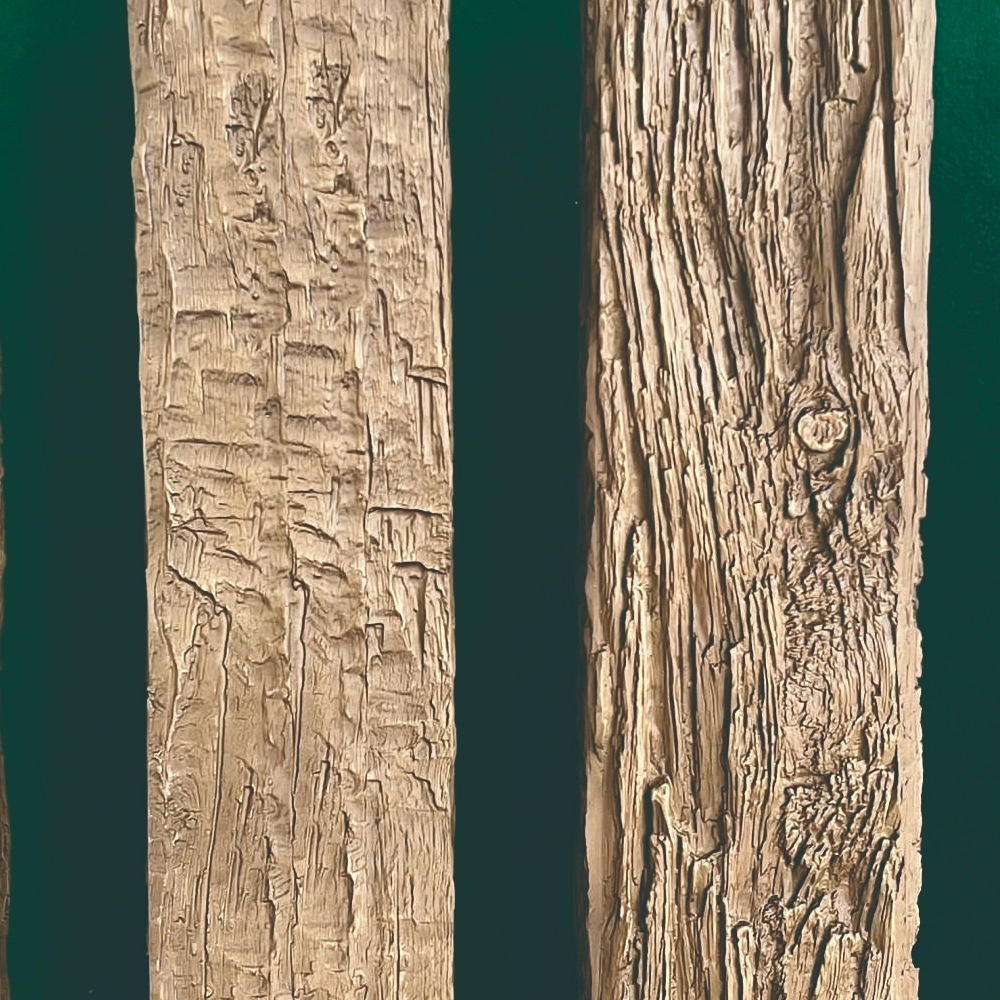
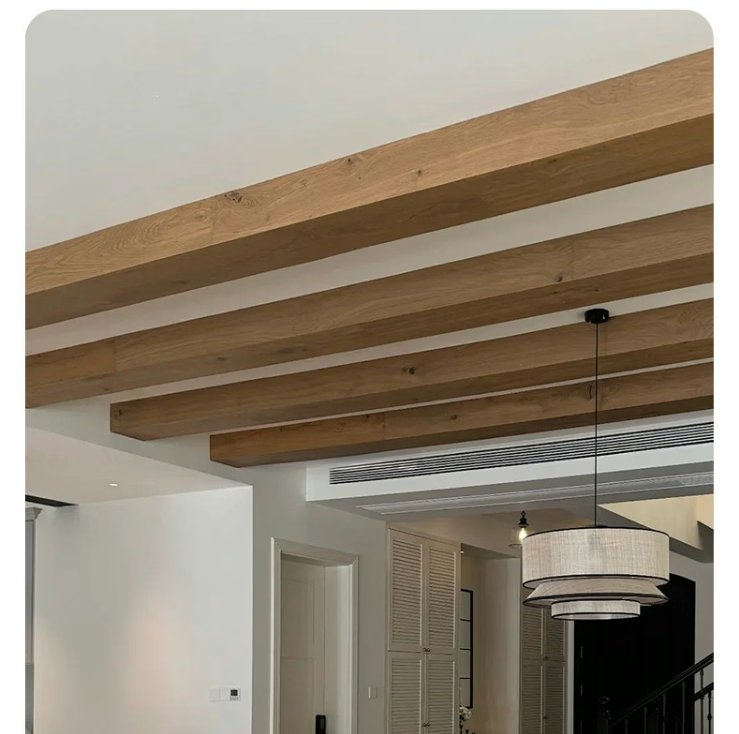
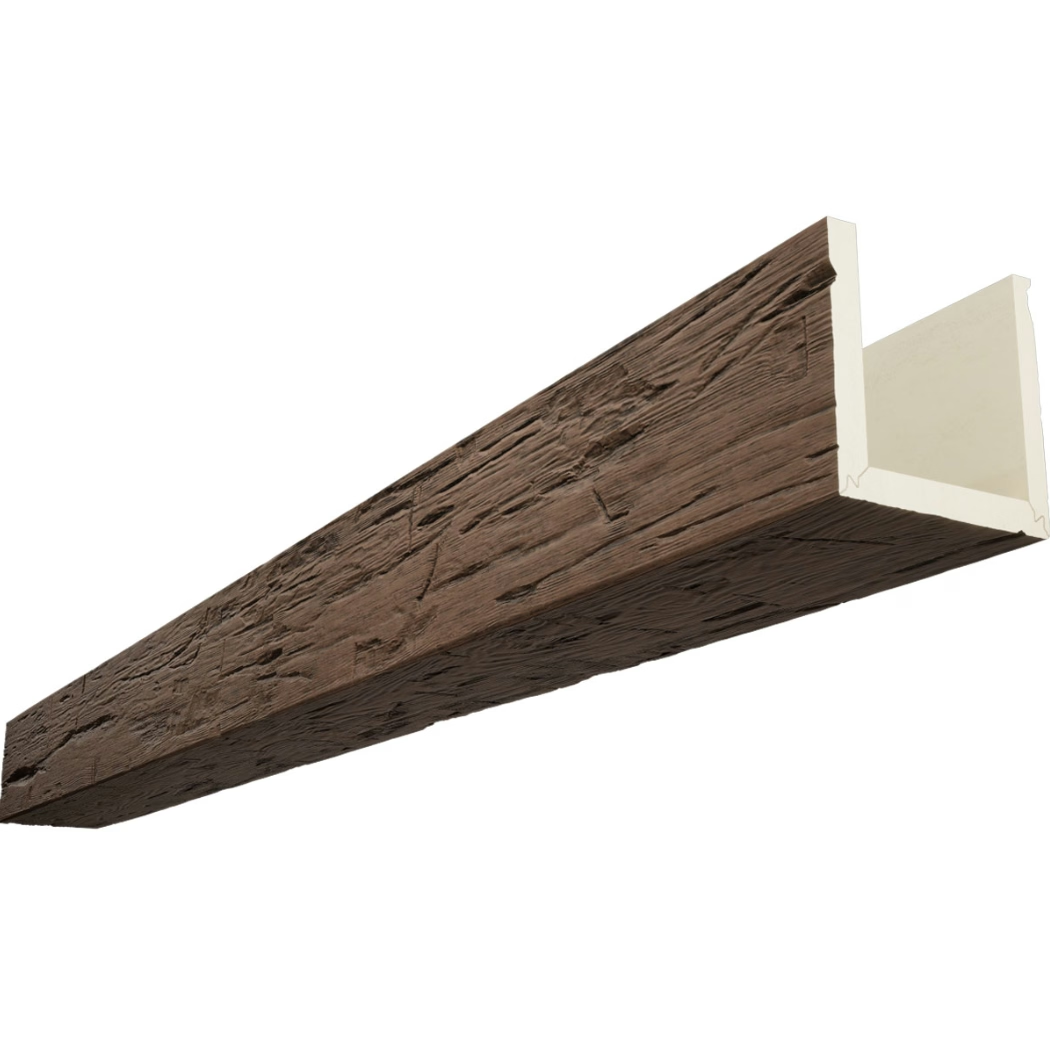
Humidity shapes interior environments in ways that most building occupants never consider until problems emerge. The condensation that beads on windows during winter, the muggy feeling that accumulates in kitchens and bathrooms, the damp atmosphere that settles in spaces with limited air circulation—all these humidity manifestations affect building materials continuously. Ceiling beams, positioned at the highest point in rooms where warm air rises and moisture concentrates, face these conditions every day. When natural wood fails under this exposure, waterproof alternatives provide the aesthetic solution that humid environments require.
Humidity Sources in Indoor Spaces
Understanding where indoor humidity originates helps explain why certain building materials struggle while others thrive. The sources are numerous and constant, creating environments that shift throughout the day and across seasons.
Human activities generate substantial humidity continuously. Breathing, perspiring, cooking, bathing, and laundry all add moisture to indoor air. A family of four can generate several gallons of water vapor daily through normal activities. This moisture accumulates in enclosed spaces, creating humidity levels that building materials must accommodate.
Building construction itself introduces moisture that persists for years after completion. Concrete, drywall compound, paint, and wood all contain moisture that gradually releases into interior air. New construction and recent renovations often experience elevated humidity as these materials cure and dry. Materials installed before this moisture fully dissipates face additional stress that affects long-term performance.
Mechanical systems can either help or hinder humidity management. Air conditioning removes moisture as it cools air, but systems with inadequate capacity or poor maintenance can actually increase humidity by failing to remove moisture faster than it accumulates. Heating systems may reduce relative humidity during winter, creating the opposite problem of air that feels too dry.
The Waterproof Material Advantage
Waterproof PU beams derive their performance from material properties that fundamentally differ from organic alternatives. These properties create performance capabilities that natural wood cannot match, regardless of finish quality or maintenance attention.
Polyurethane repels water at the molecular level, preventing absorption that initiates moisture damage in organic materials. When water contacts a waterproof polyurethane surface, it beads and runs off rather than soaking in. This behavior protects the material from the saturation that leads to swelling, warping, and biological colonization.
The closed-cell structure of quality polyurethane provides consistent performance throughout the beam, not just at exposed surfaces. Even if a beam were cut or damaged, the internal material continues to resist moisture penetration. This comprehensive protection differs from surface coatings that might wear thin over time, leaving underlying material vulnerable.
Chemical stability ensures that waterproof performance does not degrade over time. Some materials that initially resist moisture lose this capability as they age, UV exposure breaks down protective treatments, or surface conditions change. Quality polyurethane maintains its waterproof characteristics for decades without special treatment or periodic reapplication.
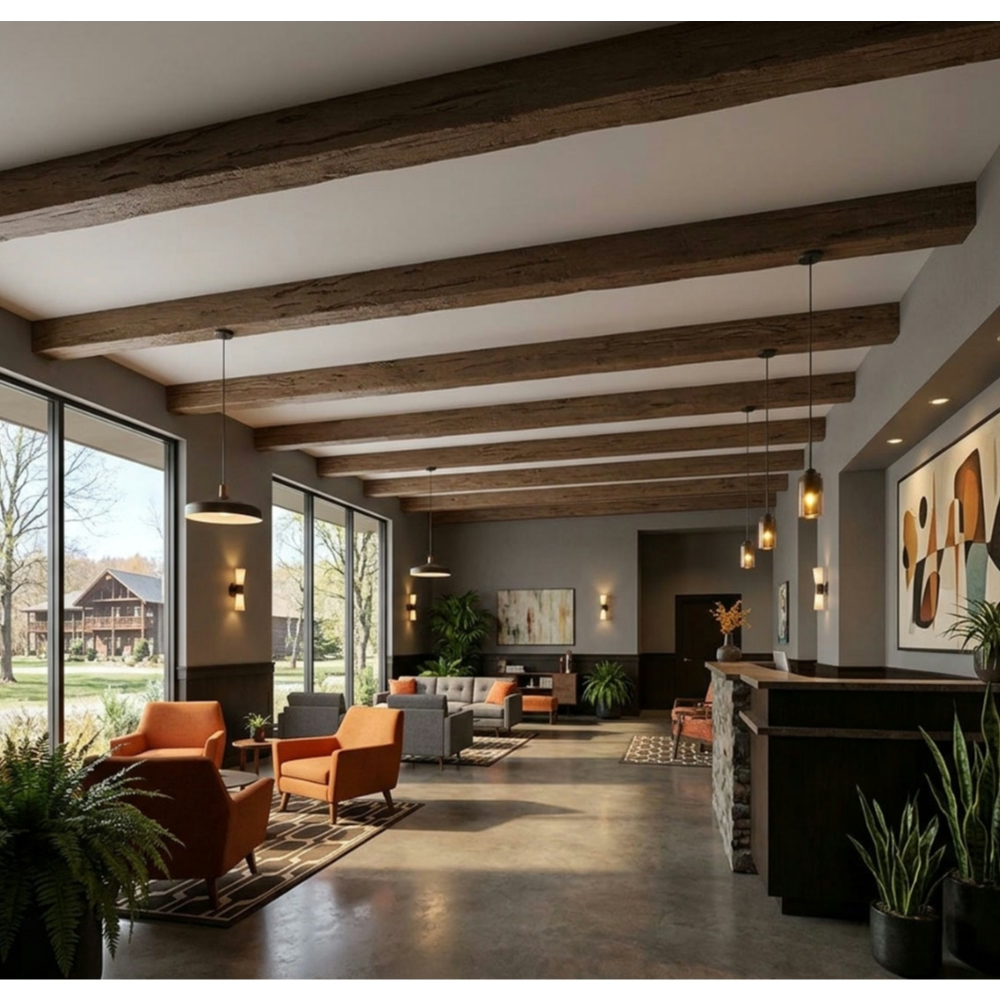
Applications in Consistently Humid Spaces
Certain interior applications face elevated humidity as a permanent condition rather than an occasional challenge. Waterproof beams prove particularly valuable in these environments, where moisture-proof performance enables design choices that would otherwise be impractical.
Indoor pools and aquatic centers represent extreme humidity environments where waterproof materials become essential. The constant evaporation from pool surfaces maintains humidity levels that would quickly degrade natural materials. Waterproof beams provide the warmth and visual interest that these spaces need without the failure modes that organic alternatives would experience.
Commercial kitchens and laundry facilities generate humidity continuously during operating hours. The steam from cooking, the humidity from washers and dryers, and the heat from equipment all contribute to challenging conditions. Waterproof beams installed in these spaces maintain their appearance despite the constant moisture exposure that would ruin natural wood.
Spa facilities, steam rooms, and wellness centers feature intentional humidity elevation as part of their function. Materials in these spaces must accommodate moisture levels that exceed what most building materials can handle. Waterproof performance enables beam installations that contribute to the aesthetic goals of these therapeutic environments.
Residential Humidity Applications
Residential interiors also contain spaces where humidity challenges make waterproof materials advantageous. These applications may not face the extreme conditions of commercial humid environments, but they still exceed what natural wood can handle reliably.
Master bathroom ceilings experience elevated humidity during bathing and grooming. While this humidity dissipates once ventilation fans operate, repeated exposure cycles stress materials over time. Waterproof beams in these spaces provide design options that natural wood cannot support, enabling ceiling treatments that complement bathroom design without humidity-related concerns.
Steam showers and enclosed bathing spaces create localized humidity levels that affect ceiling materials. The temperature differential between steam and cooler ceiling surfaces creates condensation conditions that can damage even treated natural wood. Waterproof performance handles these conditions without the vigilance that natural materials would require.
Indoor hydroponic gardens and plant rooms maintain high humidity to support plant health. While occupants may not notice the elevated humidity in these spaces, ceiling materials certainly do. Waterproof beams provide the wood aesthetics that make these growing spaces feel natural while handling the humidity that plant cultivation requires.

Humid climates—coastal regions, tropical areas, monsoon-prone zones—create residential humidity challenges throughout entire homes. Waterproof beams installed in these climates provide consistent performance regardless of outdoor conditions, eliminating the anxiety that seasonal humidity changes create for natural wood installations.
Performance Verification and Standards
Waterproof performance claims require verification before specification. Understanding how performance is measured and documented helps ensure that selected materials meet application requirements.
Water absorption testing measures the percentage of moisture that materials take up under standardized exposure conditions. Quality waterproof materials show absorption rates below one percent; natural wood typically ranges from five to thirty percent depending on species and condition. The contrast demonstrates the fundamental difference in moisture handling capability.
Dimensional stability testing evaluates whether materials maintain their shape and dimensions when exposed to moisture cycling. Wood expands and contracts with moisture changes, creating the internal stresses that lead to warping and cracking. Waterproof materials show negligible dimensional change across the same humidity ranges.
Accelerated aging tests simulate years of service exposure in compressed timeframes. These tests expose materials to elevated temperature, humidity, and UV radiation to identify failure modes that might develop gradually. Products that pass accelerated aging provide confidence that real-world performance will match initial specifications.
Integration with Overall Design
Waterproof beams contribute to design goals beyond their moisture-proof performance. The visual quality and aesthetic character that these beams provide should integrate with overall design intentions to create spaces that function beautifully and look exceptional.
Finish selection for waterproof beams should consider the humidity conditions they will face. Darker finishes absorb more heat from light sources, potentially creating surface temperatures that affect adjacent materials. Lighter finishes reflect more light and heat, potentially lasting longer in high-humidity environments with significant sun exposure.
Beam sizing and spacing should account for the visual effects that humidity can influence. Beams in humid environments may benefit from slightly larger proportions that maintain visual presence despite the reduced clarity that high humidity creates. The shadow definition that beams provide becomes more important as airborne moisture reduces overall contrast.
Access considerations for maintenance or future modification should be incorporated into initial design. Waterproof beams installed in challenging environments may require occasional inspection or adjustment. Design that facilitates this access prevents situations where ceiling treatments become impossible to maintain without significant disruption.
The Confidence of Waterproof Performance
Interior design should inspire confidence rather than anxiety. Spaces designed with appropriate materials perform as intended, maintaining their quality without constant attention or worry. Waterproof beams contribute to this confidence by eliminating moisture-related failure modes that could compromise otherwise successful designs.
The premium that waterproof materials command over standard alternatives reflects genuine value in appropriate applications. When humidity conditions are elevated, uncertain, or likely to increase over time, the insurance that waterproof performance provides justifies the additional investment. The alternative—specifying materials that cannot handle conditions and suffering the consequences—proves far more costly in the long run.
Quality waterproof faux beams combine the aesthetic qualities that interior design requires with performance characteristics that humid environments demand. This combination enables design possibilities that natural materials cannot support, expanding the creative options available to designers and homeowners who refuse to compromise their vision for fear of moisture damage.
Technical References
ASTM standards cited in every specification
Test Data
Lab results from internal testing program
Updated 2026
Reviewed against current product specs