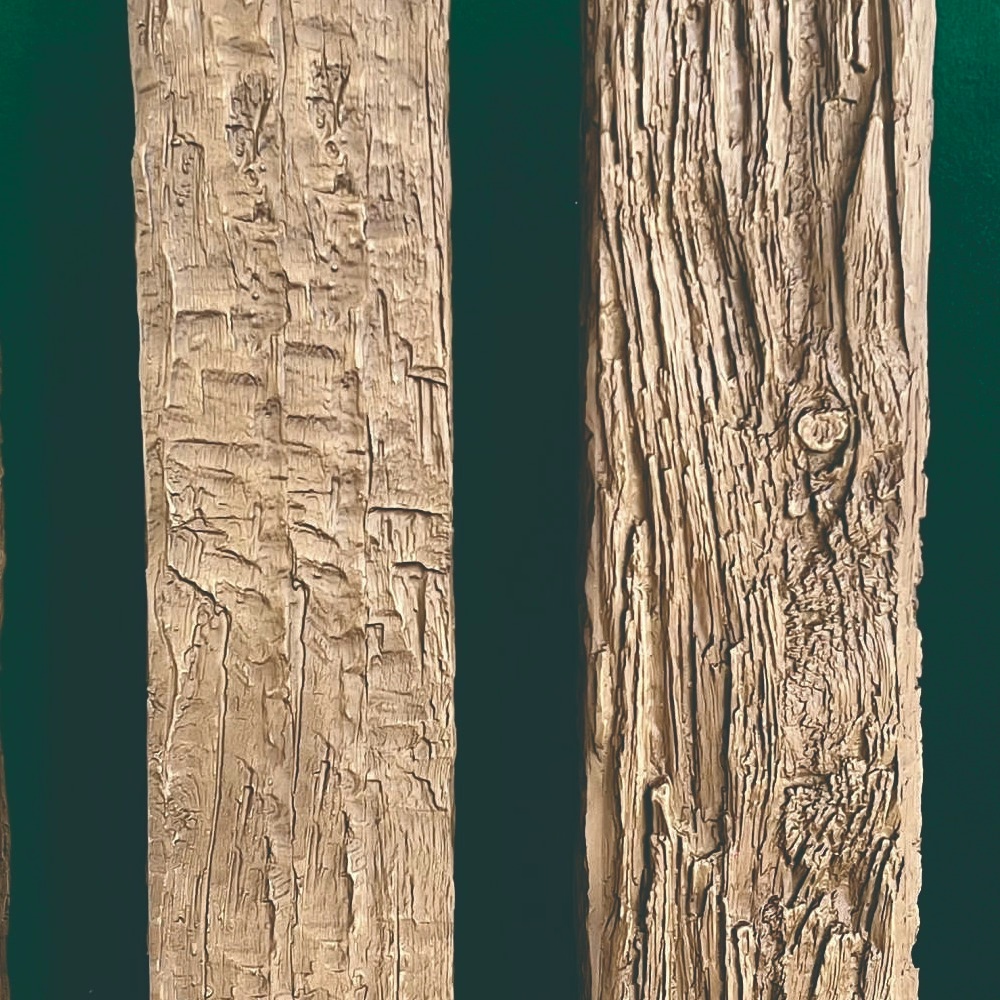
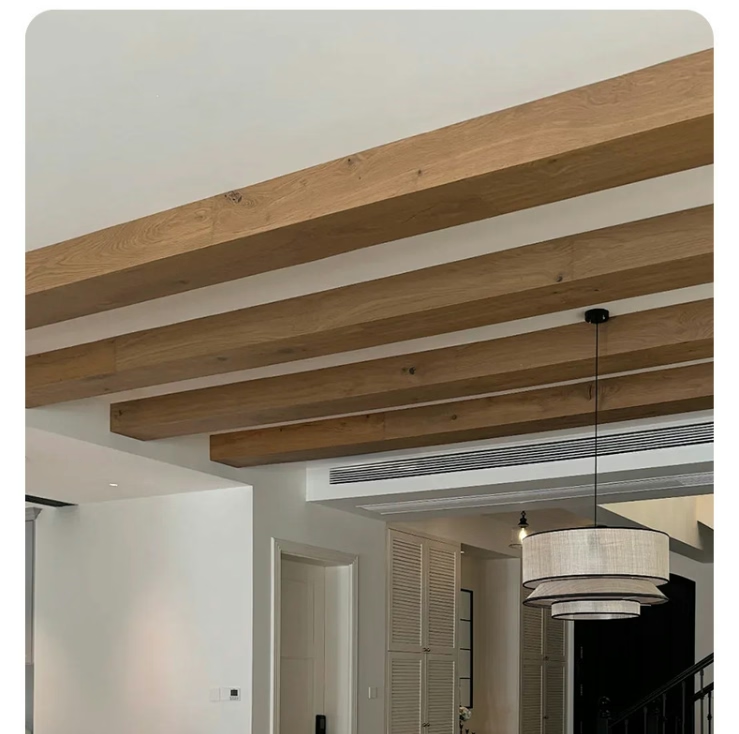
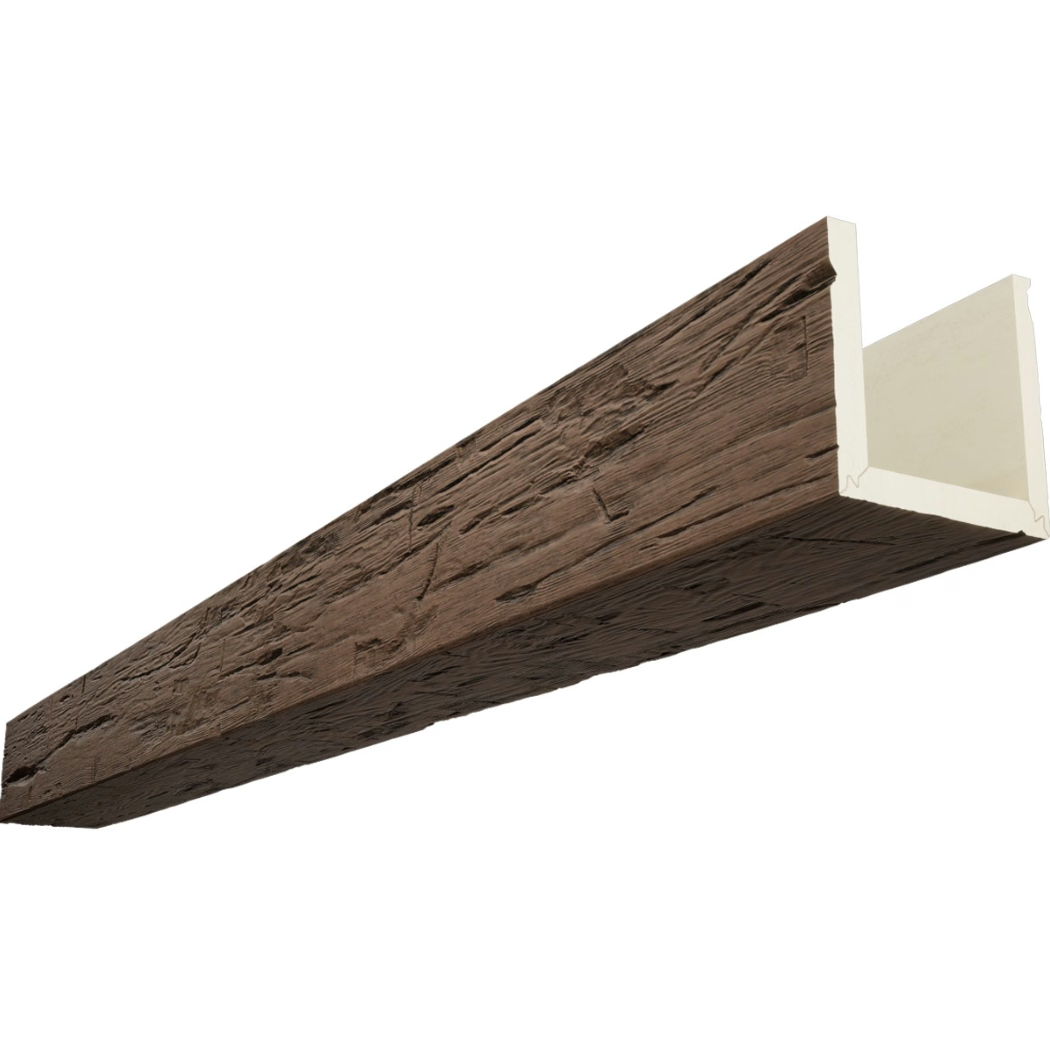
Hospitality environments operate under pressures that residential interiors never encounter. Guest expectations for cleanliness and appearance run high; occupancy levels fluctuate dramatically; kitchen steam, pool humidity, and spa moisture create moisture loads that most building materials were never designed to handle. In this demanding context, ceiling materials must perform reliably despite conditions that would quickly degrade alternatives. Mold and mildew resistant faux beams provide the performance combination that hospitality applications require—durable enough for commercial use, attractive enough for the guest experience, and resistant enough to survive conditions that would defeat conventional materials.
Hospitality Humidity Sources
Hospitality buildings generate humidity from multiple sources that combine to create challenging interior environments. Understanding these sources clarifies why moisture resistance matters so much in these applications.
Kitchen steam from commercial cooking operations represents the most intensive humidity source in many hospitality facilities. The volume of water vapor that restaurant kitchens produce dwarfs what residential kitchens generate; this vapor migrates through the building, affecting ceiling materials throughout adjacent spaces. Beams positioned in dining areas adjacent to kitchens face humidity exposure that their location might not suggest.
Pool areas and spa facilities generate persistent humidity that affects surrounding spaces. Indoor pools present the most demanding conditions, with large water surfaces continuously evaporating into enclosed spaces. Even well-ventilated pool areas maintain humidity levels that exceed what most building materials can tolerate reliably. Beams in these spaces must be specified for conditions far more challenging than typical interior applications.
Occupancy-related humidity accumulates from guest activities throughout hospitality facilities. The moisture from hundreds of guests showering, bathing, and perspiring creates humidity loads that HVAC systems must manage continuously. When system capacity is exceeded—as during high-occupancy periods—humidity accumulates in ceiling cavities and on surfaces, creating conditions for mold and mildew colonization.
Mold and Mildew Prevention Strategies
Prevention represents the most effective approach to mold and mildew management in hospitality applications. The costs of remediation—business disruption, health concerns, reputation damage—far exceed the investment in materials that prevent colonization.
Material selection forms the foundation of prevention strategy. Specifying materials inherently resistant to biological colonization eliminates one of the conditions that mold and mildew require. Mold and mildew resistant faux beams do not provide the organic nutrients that these organisms need, breaking the chain of colonization before it can begin.
Ventilation design manages humidity levels that materials must tolerate. Effective exhaust systems remove moisture at its source; adequate supply ventilation dilutes humid air with drier exterior air; balanced systems maintain slight positive pressure that prevents humid air infiltration into sensitive areas. These mechanical strategies complement material selection to create comprehensive prevention.
Maintenance protocols ensure that prevention strategies remain effective over time. Regular cleaning removes accumulated organic materials that might support colonization; inspection identifies developing problems before they become serious; prompt remediation addresses issues that prevention could not completely avoid. These operational practices support the material performance that quality specification provides.
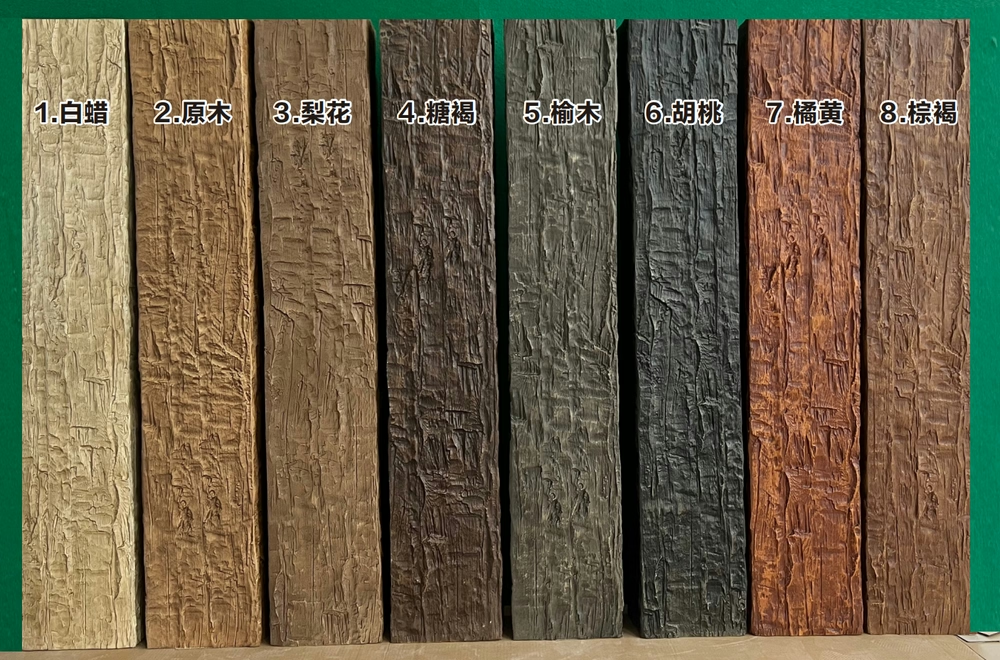
Commercial Performance Standards
Hospitality applications must meet performance standards that exceed residential requirements. Building codes, health regulations, and insurance requirements all impose specifications that affect material selection and installation.
Fire safety ratings for commercial applications establish minimum performance requirements that all ceiling materials must meet. Mold and mildew resistant faux beams designed for commercial use should carry appropriate fire ratings documented through independent testing. These ratings affect where products can legally be installed and what construction details are required around them.
Accessibility requirements affect how beams are installed relative to other building elements. The Americans with Disabilities Act and similar regulations impose specifications that affect fixture mounting heights, maintenance access, and other details that beam installation should coordinate with.
Insurance requirements for commercial properties may specify particular material types or performance characteristics. Property insurance policies often include provisions related to moisture damage and mold; using materials designed for humid environments may affect coverage terms or premium rates.
Design Applications in Hospitality Spaces
Hospitality ceiling beams serve multiple design purposes across different space types. Understanding these applications helps specify beams appropriate for each hospitality context.
Lobby ceilings establish first impressions that affect how guests perceive the entire property. Beams in these prominent locations should provide substantial design impact while handling the humidity that high occupancy generates. The aesthetic contribution that beams provide in lobbies sets the tone for guest expectations throughout the facility.
Restaurant dining ceilings should complement the dining experience without creating maintenance concerns. The proximity to kitchens, the humidity from food preparation, and the extended operating hours all affect what ceiling materials must tolerate. Beams that maintain appearance despite these conditions serve both aesthetic and practical purposes.
Pool area ceilings face the most demanding humidity exposure that hospitality facilities present. The constant moisture from large water surfaces, the chemical exposure from pool treatment, and the thermal fluctuations from heated water all stress ceiling materials. Mold and mildew resistance becomes essential rather than merely beneficial in these challenging locations.
Spa and fitness ceilings must handle humidity from steam rooms, saunas, showers, and vigorous exercise. The spa atmosphere that these spaces cultivate depends partly on the material quality that guests perceive; ceiling beams that contribute to this atmosphere while handling demanding conditions serve both functional and aesthetic purposes.
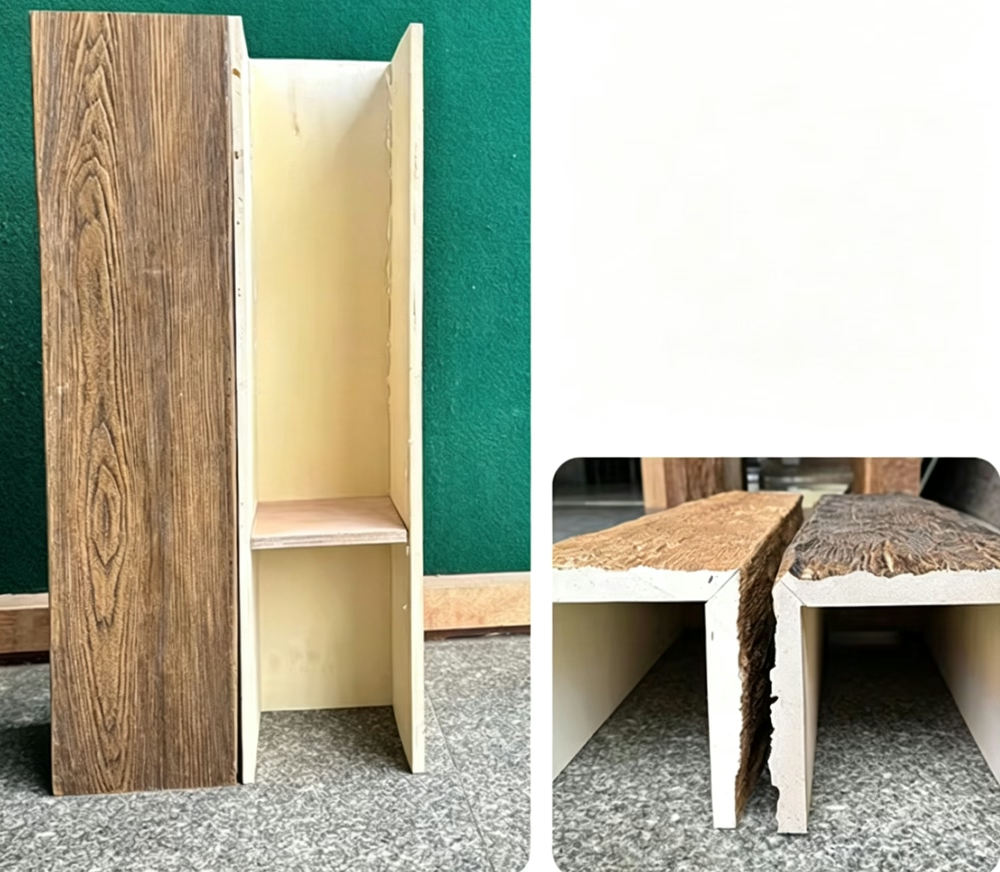
Maintenance Considerations for Commercial Operations
Hospitality maintenance operates under constraints that residential maintenance does not face. Access times are limited; disruption must be minimized; staff expertise varies; and guest perception affects business outcomes.
Cleaning protocols for commercial ceiling beams should integrate with broader housekeeping operations. The frequency, methods, and products used should match what housekeeping staff can realistically accomplish without specialized training. Materials that require specialized care impose burdens that busy hospitality operations cannot reliably provide.
Inspection schedules should identify problems before guest-facing symptoms develop. Regular ceiling inspection during routine maintenance rounds catches developing issues while remediation remains simple. The investment in inspection time prevents the larger costs that neglected problems eventually generate.
Repair capabilities in commercial settings should address damage without extended closures. Hospitality spaces generate revenue only when open; repairs that require area closure cost more than the direct repair expense. Specifying materials that can be repaired quickly, or designing installations that allow section replacement without full closure, protects revenue that extended repairs would sacrifice.
Guest Experience Considerations
The guest experience in hospitality facilities includes subliminal responses to environmental quality that guests may not consciously articulate. Ceiling conditions that guests notice as problems—visible mold, staining, deterioration—negatively affect perception even when guests cannot identify the specific issue.
Visual quality that beams provide should remain consistent regardless of how long the installation has served. Materials that show their age through wear, staining, or obvious deterioration create negative impressions that contradict the cleanliness that hospitality standards demand. Mold and mildew resistance contributes to this visual consistency by preventing the colonization that would otherwise degrade appearance.
Acoustic comfort in hospitality spaces affects how guests experience the environment. Beams that diffuse sound reflections improve acoustic comfort in ways that guests appreciate without consciously noticing. The practical contribution that proper beam specification provides supports the comfort that guests expect.
Air quality perception in hospitality spaces relates to mold and mildew resistance in ways that guests may not articulate. Spaces that smell fresh and clean—without the musty undertones that mold growth produces—contribute to the positive impressions that hospitality facilities cultivate. Mold and mildew resistant materials support this fresh perception by preventing the biological activity that would compromise it.
Long-Term Investment Protection
Hospitality properties represent substantial investments that appropriate material selection protects. The ceiling treatment chosen affects both operating costs and property value in ways that specification decisions should consider.
Operating cost implications include maintenance labor, cleaning supplies, and the energy that humidity management systems consume. Materials that resist biological colonization reduce cleaning requirements; materials that handle humidity well reduce the burden on ventilation systems. Both effects contribute to lower operating costs that quality specification enables.
Property value protection accompanies consistent appearance and performance. Hospitality properties with deteriorating ceilings—visible mold, obvious maintenance needs, guest complaints—command lower valuations than comparable properties with well-maintained finishes. The investment in quality beams protects the larger property investment that beam installation represents.
Business continuity protection follows from the reliable performance that quality materials provide. Spaces that require unexpected closure for remediation disrupt operations, damage reputation, and cost more than the preventive investment that quality specification would have required. Mold and mildew resistant beams contribute to business continuity by preventing the problems that would otherwise require reactive response.
Technical References
ASTM standards cited in every specification
Test Data
Lab results from internal testing program
Updated 2026
Reviewed against current product specs