The furniture, fixtures, and equipment procurement process for luxury hotels demands precision, consistency, and reliability across dozens or even hundreds of identical installations. When design specifications call for warm wood aesthetics, project managers face a critical choice between genuine timber with its inherent variations and engineered alternatives that can deliver uniformity without sacrificing visual appeal. Mold-cast polyurethane faux wood beams have emerged as the preferred solution for many high-end hospitality projects, and understanding why requires examining the manufacturing process and its advantages.
The Mold-Cast Manufacturing Advantage
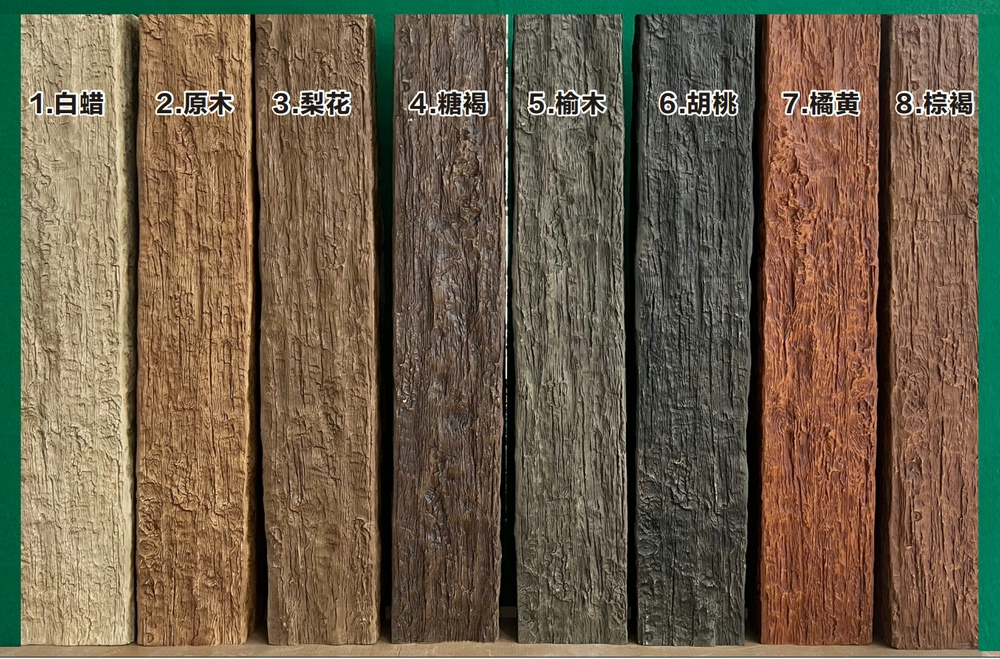
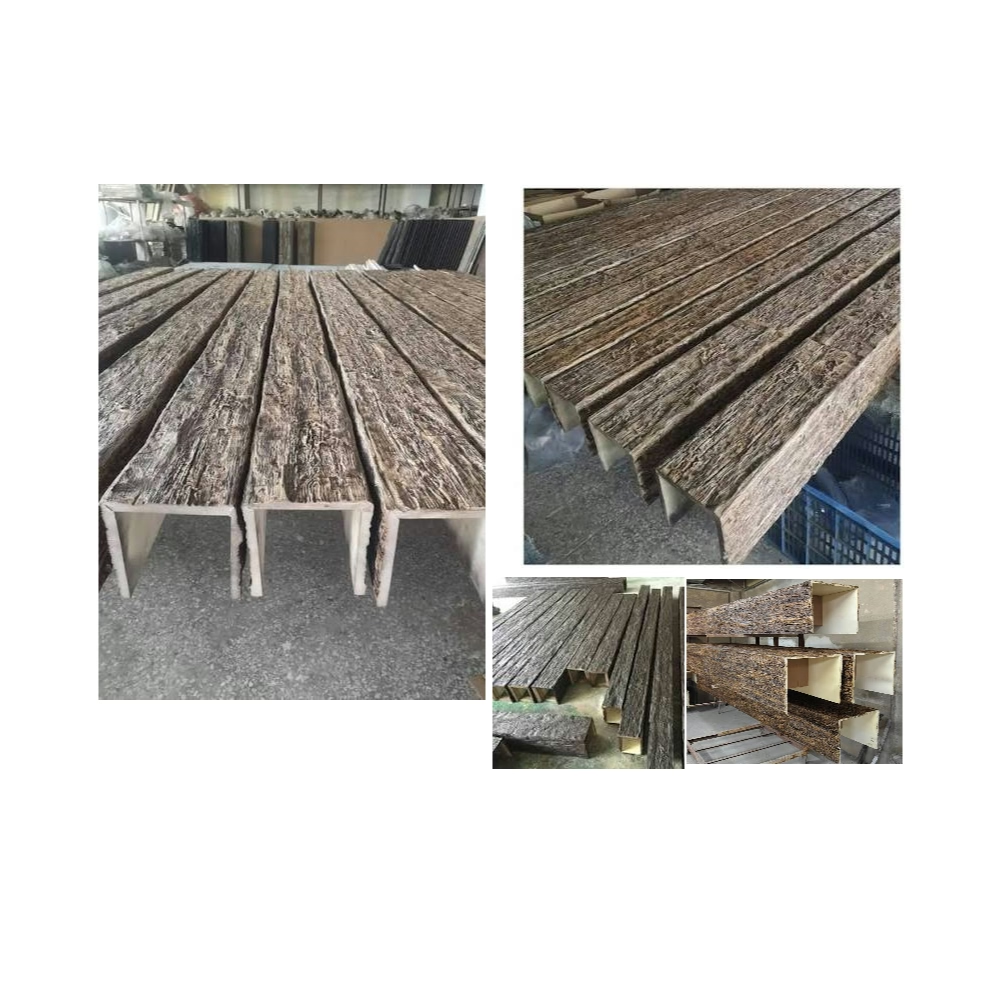
Mold casting transforms liquid polyurethane into detailed wood grain replicas with remarkable fidelity. The process begins with carefully crafted master molds typically derived from actual wood samples, capturing every knot, grain line, and natural imperfection that makes timber visually compelling. When liquid polyurethane is introduced into these molds, it fills the finest details before curing into a solid, dimensionally stable form.
This manufacturing approach produces beams that are essentially identical to each other within a given production run. For hotel projects requiring dozens of matching beams across multiple guest rooms, corridors, or common areas, this consistency is invaluable. Project managers can specify a particular style with confidence that every beam delivered will match the approved sample exactly.
The mold process also allows manufacturers to create complex beam profiles that would be difficult or impossible to achieve with real wood. Deep relief carvings, intricate corbel designs, and multi-part structural assemblies can all be produced consistently, giving architects and interior designers creative freedom without the engineering constraints that natural materials impose.
Quality Control in Commercial Production
Reputable manufacturers serving the hospitality industry implement rigorous quality control protocols throughout the mold-cast production process. Raw materials are tested for consistency before mixing, environmental conditions in production facilities are monitored to ensure proper curing, and finished beams undergo visual inspection against strict tolerances.

This attention to quality control translates into predictable outcomes for hotel developers and operators. When a property requires replacement beams years after initial construction—perhaps due to damage or renovation—mold-cast production ensures the new pieces will match the existing installations perfectly. This stands in stark contrast to natural wood, where sourcing matching timber decades after initial construction often proves impractical or impossible.
The ability to produce identical replacements also simplifies maintenance operations for hotel management companies overseeing multiple properties. A single specification can apply across an entire portfolio, reducing the complexity of spare parts inventories and installer training requirements.
Design Versatility for Diverse Hotel Concepts
Luxury hotels encompass a remarkably broad spectrum of design aesthetics, from minimalist contemporary to richly traditional. Mold-cast polyurethane beams accommodate this diversity by offering extensive customization options within the mold-cast framework.
Contemporary properties often favor clean-lined beams with subtle, understated wood grain textures. These can be specified in smooth finishes with minimal relief, creating visual warmth without overwhelming minimalist spaces. The beams integrate seamlessly with modern lighting systems and HVAC infrastructure, allowing concealed mounting that keeps mechanical systems invisible while the wood aesthetic takes center stage.
Traditional and classic hotel designs benefit equally from mold-cast capabilities. Beams can be produced with heavy hand-carved appearances, including detailed acanthus leaf motifs, rosette medallions, and period-appropriate molding profiles. These architectural elements add gravitas and authenticity to lobbies, ballrooms, and fine dining venues where grandeur is the intended impression.
Boutique properties often explore eclectic or theme-driven aesthetics that require specialized beam designs. Mold-cast production accommodates these unique requirements without the premium pricing typically associated with custom woodworking. Designers can develop proprietary profiles specifically for a property, creating signature elements that distinguish the hotel from competitors using off-the-shelf components.
Practical Benefits for Hotel Operations
Beyond aesthetic advantages, mold-cast polyurethane beams offer operational benefits that matter in the hospitality environment. Their light weight simplifies installation in high-rise hotels where crane access may be limited and labor costs run high. Installation crews can handle full-length beams without specialized equipment, reducing both labor time and the risk of on-site damage.
The material's resistance to moisture and humidity addresses the challenging conditions found in hotel corridors, pool areas, and spa facilities. Unlike natural wood, polyurethane beams will not absorb the humidity that central corridor positioning often creates, eliminating concerns about swelling, warping, or the gradual deterioration that compromises aesthetics over time.
Fire safety requirements in commercial hospitality settings also favor polyurethane construction. Modern formulations can be engineered to meet strict flame spread ratings, providing designers and building officials with confidence that aesthetic choices do not compromise guest safety. Documentation of fire performance characteristics is typically available from manufacturers serving the commercial market.
Supply Chain Efficiency for Large Projects
Hotel construction and renovation projects operate on tight schedules where material delays can cascade into significant cost overruns. Mold-cast production enables efficient manufacturing at scale, with multiple beams produced simultaneously from the same molds. Lead times are predictable and can often be accelerated when project schedules demand faster delivery.
Packaging and shipping benefits from the inherent durability of cured polyurethane. Unlike natural wood, which requires careful bracing and climate-controlled containers to prevent transit damage, polyurethane beams can be packed efficiently and shipped via standard freight carriers without special handling requirements. This reduces logistics costs and simplifies coordination for project managers receiving materials at busy construction sites.
The consistency of mold-cast production also eliminates the sorting and inspection challenges that accompany natural wood deliveries. When wood beams arrive on-site, crews typically must examine each piece for cracks, warping, or other defects that developed during transport. Polyurethane beams arrive ready for installation, with virtually every piece meeting specification.
Partner Selection for Hospitality Projects
Not all mold-cast polyurethane beam manufacturers are equally suited for luxury hotel work. Project managers should evaluate prospective suppliers based on their experience with hospitality projects, their quality certification programs, and their ability to provide comprehensive documentation packages that architects and interior designers require.
Sample approval processes deserve particular attention. Reputable manufacturers maintain libraries of finished samples that accurately represent production output, allowing designers to specify with confidence. Site visits to active production facilities can provide additional assurance regarding manufacturing capabilities and quality commitment.
Communication and responsiveness matter significantly when projects encounter unexpected challenges. Suppliers who have demonstrated their ability to collaborate with design teams and construction management on previous hospitality projects bring valuable experience to each new engagement. That track record often predicts smoother execution when inevitable questions and adjustments arise during complex installations.
Technical References
ASTM standards cited in every specification
Test Data
Lab results from internal testing program
Updated 2026
Reviewed against current product specs


