Ceiling design often determines the visual character of entire rooms. When guests enter a space, their eyes naturally travel upward, taking in the overhead architecture that frames everything below. Exposed beams represent one of the most powerful tools available for creating warmth, character, and architectural interest in these prominent positions. Yet genuine timber beams present challenges that make them impractical for many projects—weight, cost, moisture sensitivity, and installation complexity all contribute to decisions to seek alternatives.
Molded realistic wood grain polyurethane faux timber ceiling beams offer a compelling solution that addresses these practical concerns without sacrificing the visual impact that makes timber ceilings so desirable. Understanding how these products achieve their convincing appearance and what advantages they provide helps homeowners, designers, and builders make informed decisions about ceiling treatment options.
Creating Convincing Wood Grain Detail
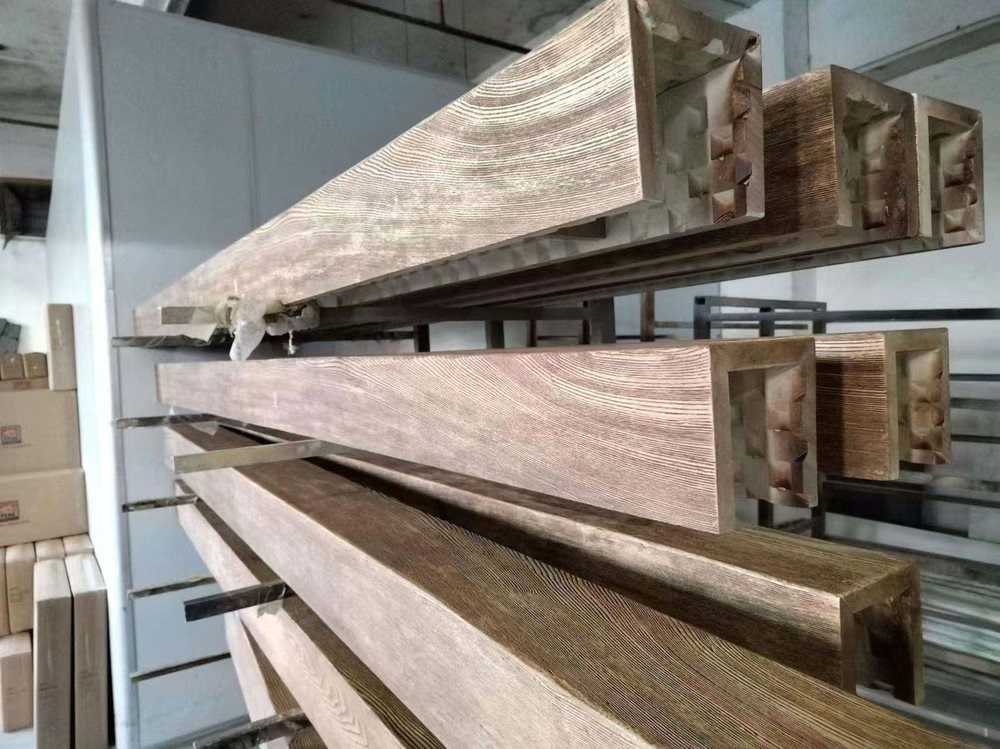
The authenticity of faux timber beams depends fundamentally on grain pattern quality. Modern manufacturing techniques capture natural wood characteristics with remarkable fidelity, producing beams that display the distinctive visual markers that distinguish timber from other materials. Growth ring patterns, ray figures, and the characteristic way that grain follows the log's contour all transfer into the final molded product.

Premium manufacturers employ multiple techniques to ensure grain authenticity. Some begin with actual wood samples as masters, capturing every natural detail through precise molding compounds. Others use digital scanning technology to create computer models of wood surfaces, then generate molds from those digital references. Both approaches yield convincing results when executed with appropriate attention to quality throughout the production process.
The grain patterns themselves matter considerably. Some wood species display bold, dramatic figure that commands attention from across rooms. Others present more subtle character that rewards close examination while remaining appropriate for minimalist contemporary spaces. Product lines that offer multiple wood species options allow designers to specify grain characteristics that complement specific aesthetic goals.
Weight Advantages Transform Ceiling Possibilities
The lightweight nature of polyurethane fundamentally changes what is possible in ceiling design. Genuine timber beams of meaningful size can weigh hundreds of pounds each, requiring substantial structural support and often limiting installation to ground-floor applications or new construction where ceiling joists can be appropriately reinforced.
Polyurethane faux timber beams weigh a fraction of comparable wood pieces—typically one-quarter to one-fifth as much. This dramatic weight reduction means that ceiling joists not originally designed for beam loads can often accommodate faux timber installations without structural modification. The installation possibilities expand accordingly.
Upper-floor condominiums, upstairs bedrooms, and finished attic spaces become viable candidates for beam installation when weight constraints disappear. Homeowners who previously assumed that their second-floor rooms could never feature dramatic timber ceilings discover that polyurethane alternatives make those dreams achievable. The same logic applies to commercial upper floors, where structural retrofit costs might otherwise prohibit ceiling enhancement.
Installation Methods and Techniques
The practical benefits of polyurethane beams extend to installation practices. Their light weight means that two workers can handle beams that would require lifting equipment or specialized crews for genuine timber. This accessibility speeds installation while reducing labor costs and site disruption.
Various mounting approaches accommodate different ceiling configurations and aesthetic preferences. Surface-mounted installations position beams against existing ceilings, creating the appearance of structural beams without requiring any ceiling modification. This approach works particularly well in renovation projects where existing construction should remain undisturbed.
Suspended mounting systems allow beams to hang below ceiling planes, creating the impression of structural elements while maintaining clearance for lighting, HVAC, or other systems above. This approach proves especially valuable in spaces with high ceilings where beams might otherwise appear dwarfed by surrounding volumes.
For new construction or major renovations, integral mounting positions beams flush with ceiling surfaces, creating seamless architectural integration that appears entirely structural. This approach requires coordination during the building phase but yields results that are virtually indistinguishable from genuine timber construction.
Finishing Options and Customization
The base polyurethane material accepts finishes with excellent results, allowing customization that spans the full range of wood aesthetics. Natural wood tones can be specified to match existing timber elements, creating visual continuity throughout hybrid installations where some beams are genuine and others are faux.
Stain matching services from premium manufacturers enable precise coordination with existing woodwork. Submitting a sample of existing wood allows manufacturers to develop custom finishing formulas that achieve close color matching. This capability proves valuable in renovation projects where new beams must integrate with established interior elements.
Painted finishes expand the design possibilities further. Beams can be specified in any paint color, including bold hues that would be impractical for genuine timber but perfectly appropriate for architectural accents. This flexibility supports design schemes where beams serve as statement elements rather than wood-look features.
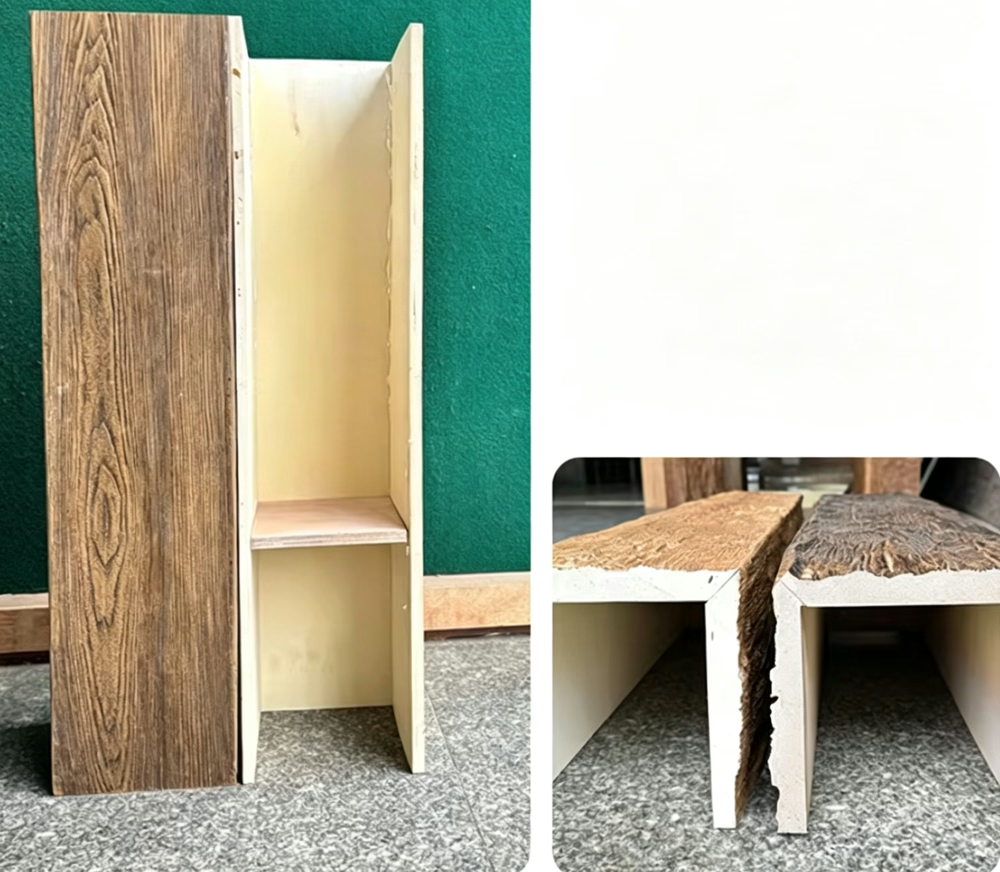
Textured finishes add another dimension of customization. Distressed, hand-scraped, and weathered appearances create the impression of antique timber that has accumulated character through years of service. These finishes add authenticity to rustic design schemes while requiring none of the maintenance that genuine antique timber demands.
Cost Considerations and Value Analysis
Budget discussions often drive beam material decisions. While polyurethane faux timber beams are not the least expensive ceiling treatment option available, they often represent the best value when lifecycle costs are properly considered. Initial material costs fall between budget alternatives and premium genuine timber, positioning polyurethane in the accessible middle range.
Installation savings contribute meaningfully to total project economy. The reduced labor time, absence of specialized equipment requirements, and simplified handling all translate into lower installation costs. Projects that compare material-only pricing against total installed costs frequently find polyurethane competitive with or superior to alternatives.
Long-term maintenance costs further favor polyurethane. Real timber requires periodic refinishing, moisture monitoring, and occasional repair to maintain appearance and structural integrity. Polyurethane beams require none of these interventions under normal conditions, generating ongoing savings throughout the beam lifecycle.
The total value proposition becomes particularly favorable when considering design flexibility. Polyurethane makes possible ceiling installations that genuine timber simply cannot achieve given weight, cost, or structural constraints. Projects that might otherwise require compromise or abandonment become viable, delivering design outcomes that justify the investment.
Choosing the Right Product for Your Project
Selecting appropriate faux timber beams requires attention to several factors. Room scale and ceiling height influence appropriate beam sizing—large beams in small rooms can overwhelm, while modest beams in grand spaces may disappoint. Taking measurements and understanding proportional relationships helps specify appropriately sized elements.
Lighting conditions affect how beam details will be perceived. Spaces with abundant natural light reveal every surface detail, while dimmer environments may call for beams with bolder relief patterns that maintain visual impact despite reduced illumination. Evaluating potential products in conditions similar to the installation environment reduces the risk of disappointment.
Professional consultation provides valuable guidance for complex projects. Experienced installers can suggest beam styles, sizing, and spacing that achieve desired effects while avoiding common mistakes. Many manufacturers offer design consultation services that help specify products matched to specific project requirements and budget constraints.
Technical References
ASTM standards cited in every specification
Test Data
Lab results from internal testing program
Updated 2026
Reviewed against current product specs


