The basement bar represents a unique category of residential entertainment space—removed from the main living areas, often without natural light, and dedicated entirely to socializing, relaxation, and hospitality. These rooms invite a different design approach than formal living spaces. The absence of daylight liberates designers from sun considerations, opening possibilities for rich, dramatic atmospheres that would feel oppressive in brighter environments.
Moody design has emerged as a dominant trend in basement bar aesthetics, embracing darkness as a feature rather than fighting it as a limitation. Deep colors, intimate lighting, and textural richness create spaces that feel like retreats—somewhere apart from ordinary life where conversation flows more easily and gatherings become more memorable. Wood beams play an essential role in this aesthetic, providing organic warmth that prevents dark schemes from feeling cold or stark.
The Psychology of Moody Spaces
Dark environments trigger different psychological responses than bright ones. Intimacy increases in low-light conditions—people sit closer together, speak more softly, and engage in more focused conversation. This physiological response makes dark basements naturally suited to the extended conversations that memorable gatherings involve.
Warmth counterbalances darkness effectively. The combination of dim lighting with wood textures creates spaces that feel like they are embracing visitors rather than enclosing them. The organic quality of wood grain, rendered in dark stains or rich natural tones, provides this warmth without introducing unwanted brightness.
Sound absorption benefits moody basements as well. Dense materials and soft furnishings reduce echo and reverberation, creating conversation-friendly acoustics that open-plan bright spaces often struggle to achieve. Beams contribute to this acoustic character while serving as visual anchors that give eyes somewhere to rest.
Color Palette Development for Dark Basements
Successful moody designs typically build from carefully considered color palettes that achieve darkness without monotony. Black serves as a foundational anchor, providing maximum contrast and depth. Charcoal and dark brown offer mid-tone options that create subtle variation without introducing unwanted lightness.
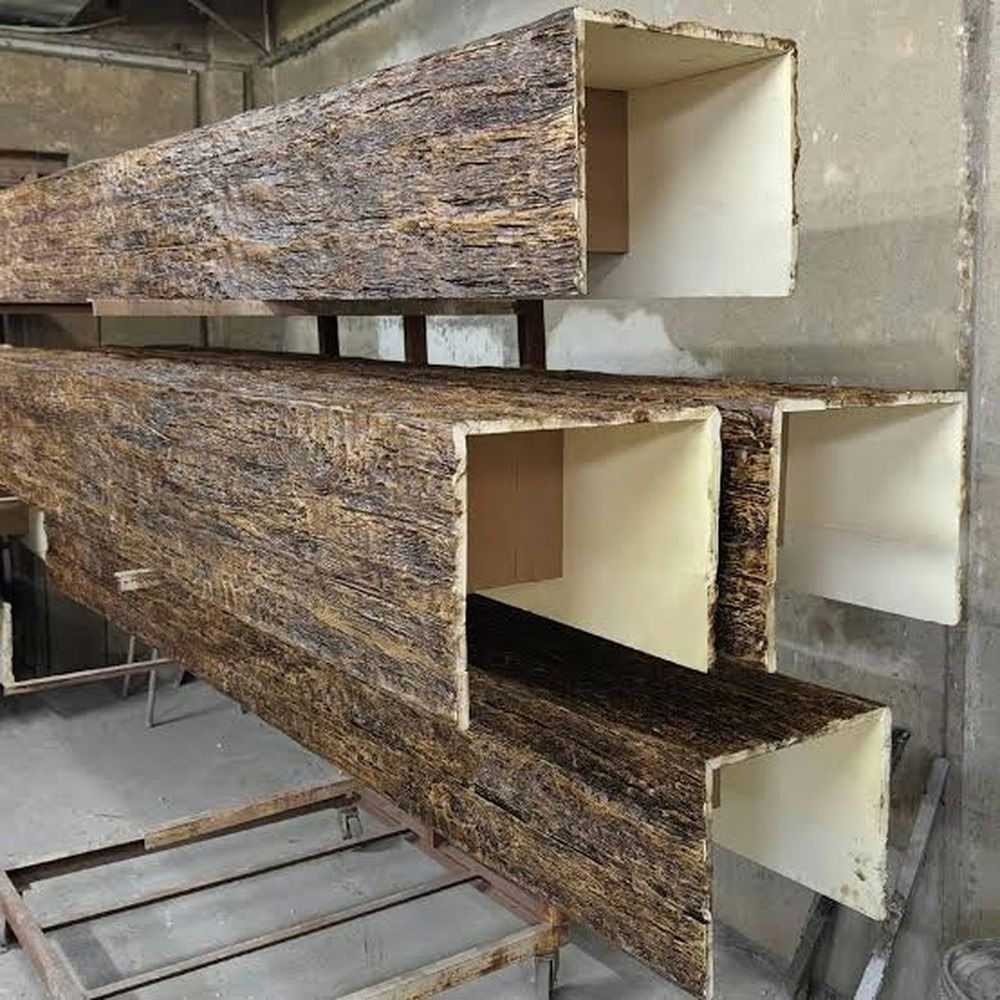
Wood beam selection should align with these dark foundations. Ebony and walnut stains create dramatic presence that integrates seamlessly with black and charcoal schemes. More natural oak tones can work in warmer palettes but risk appearing incongruent in cooler, more dramatic environments. Seeing actual beam samples in proposed lighting conditions eliminates guesswork from this critical selection.
Metallic accents—brass, copper, aged bronze—introduce warmth and visual interest to dark schemes without disrupting overall atmosphere. These materials echo naturally in bar hardware, lighting fixtures, and accessories, creating opportunities for coordinated detail throughout the space.

Lighting Integration Strategies
Moody spaces depend on lighting design that layers multiple sources for flexibility and atmosphere control. Ambient lighting provides overall illumination at low levels, typically through recessed fixtures with dimming capability. Task lighting focuses on functional areas—bars, game tables, seating zones—without raising general illumination levels.
Accent lighting creates dramatic highlights on beams and architectural features. Directional fixtures aimed at beam surfaces reveal wood grain texture while casting shadows that emphasize dimensional quality. Backlighting creates ethereal glows around beam perimeters, increasing visual drama without adding functional illumination.
The interplay between beam surfaces and lighting creates the primary visual interest in moody basements. Dark-stained beams catch and hold light differently than surrounding ceiling planes, creating the subtle contrast that maintains visual engagement without bright distraction. This lighting-beam interaction should guide fixture placement and aiming rather than abstract aesthetic preferences.
Material Coordination and Layering
Beyond beams, moody basement bars benefit from thoughtful material layering that adds texture and interest without introducing unwanted brightness. Leather upholstery in dark browns and blacks provides seating comfort with inherent warmth. Metal bar fronts and shelving introduce reflective surfaces that catch available light.
Stone and brick surfaces contribute organic texture that complements wood beams. Faux stone panels behind bars, brick accent walls, or concrete-look surfaces all interact productively with beam aesthetics while expanding the material vocabulary of the space.
Glass elements—mirrors, bottle displays, table tops—reflect available light to increase apparent brightness without raising ambient levels. Strategic mirror placement amplifies lighting effects, making spaces feel larger and more luminous than direct measurements would suggest.
The Faux Timber Advantage in Basements
Genuine timber presents particular challenges in basement environments. Moisture sensitivity creates ongoing maintenance concerns given typical basement humidity levels. Weight may stress ceiling structures not designed for heavy loads. Cost can prove prohibitive for dramatic installations that require multiple beams.
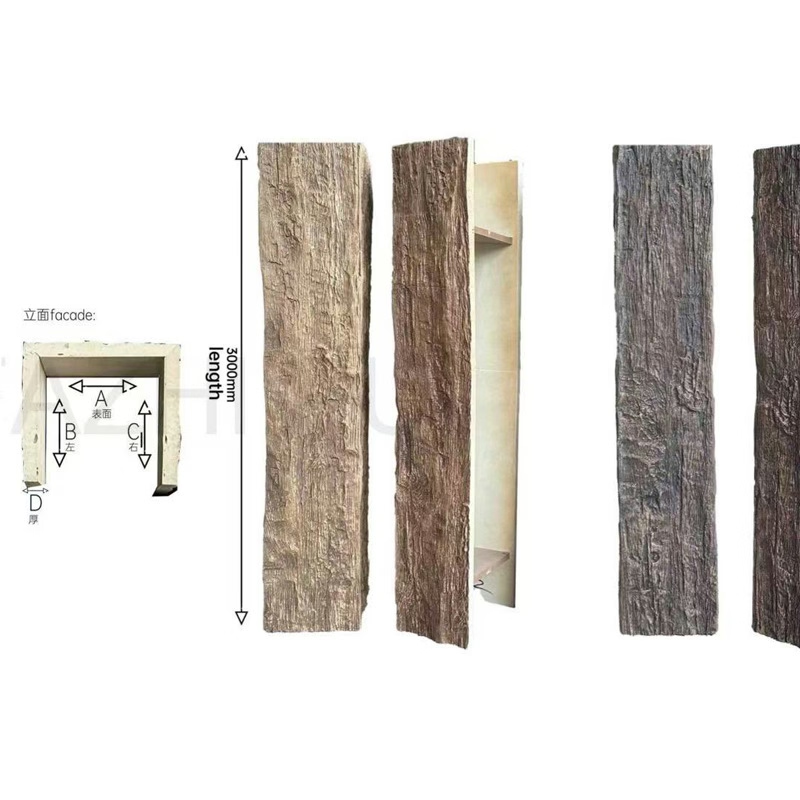
Faux timber beams address each of these concerns. Polyurethane's moisture resistance eliminates fungal and decay concerns that plague real wood in basements. Light weight reduces structural demands while simplifying installation. Cost efficiency allows more ambitious beam installations that would exceed budgets with genuine timber.
The authentic appearance that quality faux timber provides achieves the aesthetic impact that designs require. Visitors need not know—or need to be told—that beams are not genuine timber. The warmth, texture, and visual richness that make moody basements successful come through fully in well-executed polyurethane installations.
Design Execution Considerations
Successful basement bar design balances ambition with practicality. The desire for maximum drama should be tempered by functional requirements—adequate bar height, comfortable seating, clear traffic patterns. Beams and other architectural elements should enhance rather than compromise usability.
Proportion matters significantly in intimate basement spaces. Beams that work beautifully in grand living rooms can overwhelm modest basements. Scaled-down beam profiles or fewer beams at greater spacing often create more appropriate impact than miniature versions of dramatic treatments.
Exit signage and building code compliance should inform rather than constrain design. Modern LED exit signs in appropriate housings integrate better than older alternatives. Planning egress requirements early prevents compromises that diminish design quality during permitting.
The ultimate measure of successful moody basement design is whether the space fulfills its entertainment purpose. Beautiful rooms that nobody wants to spend time in represent failed design regardless of aesthetic sophistication. Spaces that draw people in, encourage lingering, and create lasting memories represent design success that transcends style considerations.
Technical References
ASTM standards cited in every specification
Test Data
Lab results from internal testing program
Updated 2026
Reviewed against current product specs


