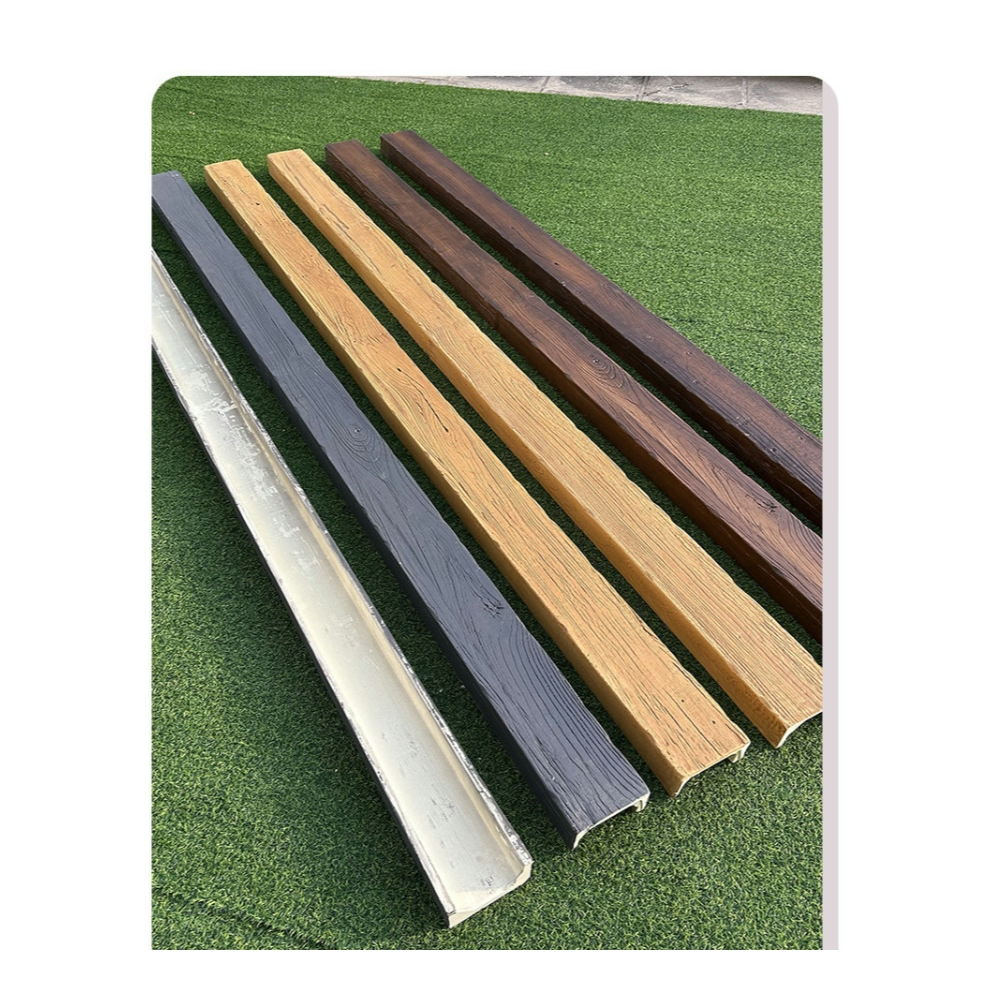
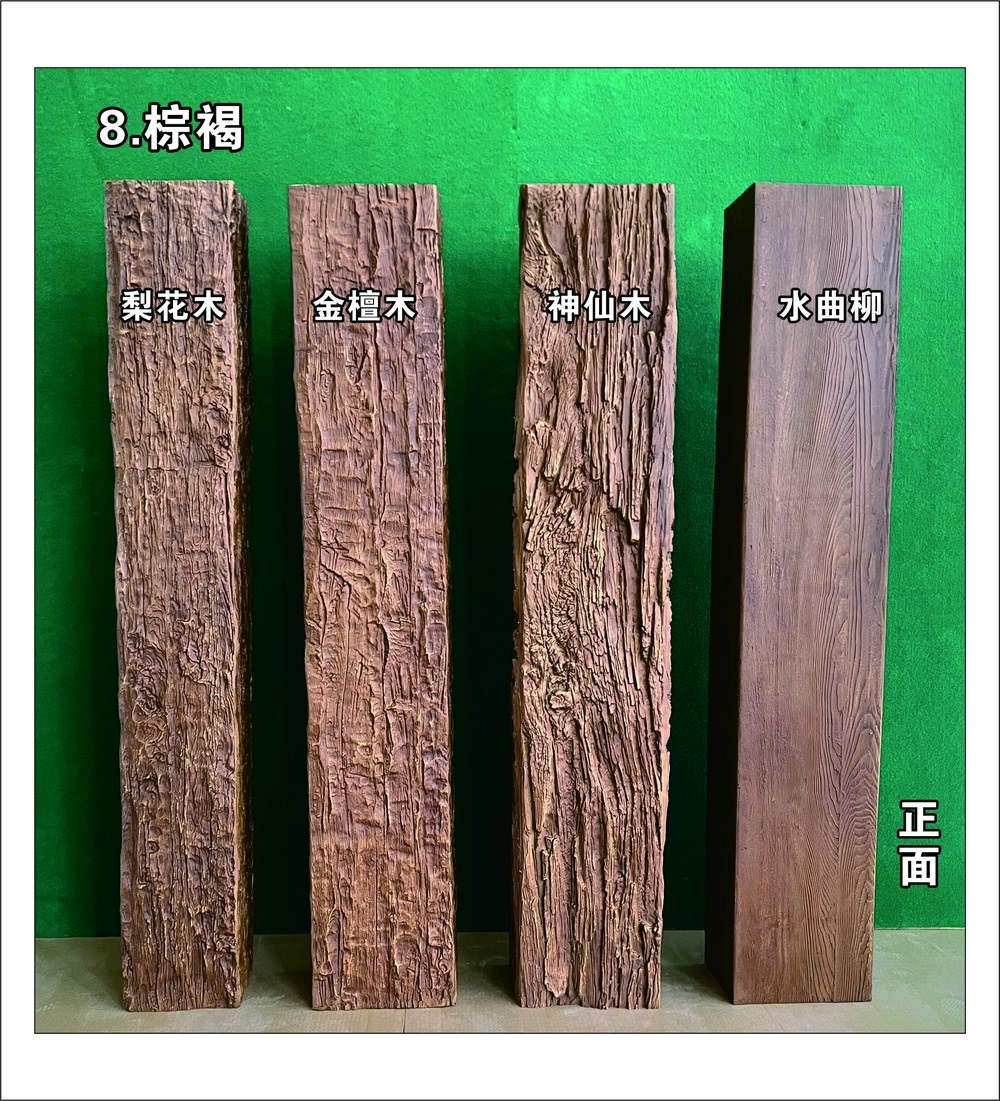
Not every ceiling improvement project requires demolition, structural reinforcement, and weeks of construction disruption. Sometimes a dramatic upgrade requires nothing more than adding beautiful architectural elements directly to existing surfaces. Mount-on polyurethane faux beams offer exactly this possibility—substantial visual impact through simple installation that skilled homeowners can accomplish in single afternoons.
The mount-on approach differs fundamentally from structural beam installation. Rather than requiring ceiling modification, structural calculation, or professional engineering, surface mounting places beams directly against existing ceilings with hardware designed for the purpose. The results can be indistinguishable from genuine structural installation while requiring a fraction of the investment in time, money, and construction disruption.
Understanding Mount-On Technology
Mount-on beam installation relies on specialized mounting systems that secure beams to ceiling surfaces without requiring penetration of structural elements. These systems distribute beam weight across broad surface areas, preventing stress concentrations that might damage ceiling materials.
French cleat systems provide secure mounting through interlocking metal profiles. One half attaches to the ceiling, the other to the beam; when assembled, the pieces lock together securely while allowing beam removal if future access becomes necessary. This approach handles substantial weight while remaining invisible once installed.
Adhesive mounting using construction-grade adhesives provides additional security when combined with mechanical fasteners. The adhesive fills minor surface irregularities while creating broad bonding area that resists pull-away forces. Proper surface preparation—cleaning, priming, and ensuring adequate adhesive cure time—produces bonds that exceed mechanical fastener strength.
Lag screw mounting through预先-drilled holes engages ceiling joists where accessible. This approach provides maximum security for heavy beams or situations where ceiling conditions warrant extra precaution. The visible screw heads can be concealed with wood plugs or covered by beam end caps.
Ideal Applications for Surface Mounting
Mount-on installation excels in situations where construction disruption must be minimized. Occupied homes, rental properties, and commercial spaces where closure would cause significant business impact all benefit from upgrade options that avoid demolition.
Renovation projects seeking rapid transformation find mount-on beams ideal. Weekend warrior homeowners can complete entire room upgrades between Saturday morning and Sunday evening, achieving results that would require professional contractors weeks to accomplish through conventional approaches.
Historic properties where original fabric must be preserved benefit particularly from surface mounting. Drill-free installation techniques avoid the structural modification that might compromise historic integrity or violate preservation guidelines. The upgrade adds architectural interest while leaving historic surfaces untouched.

Preparation Requirements
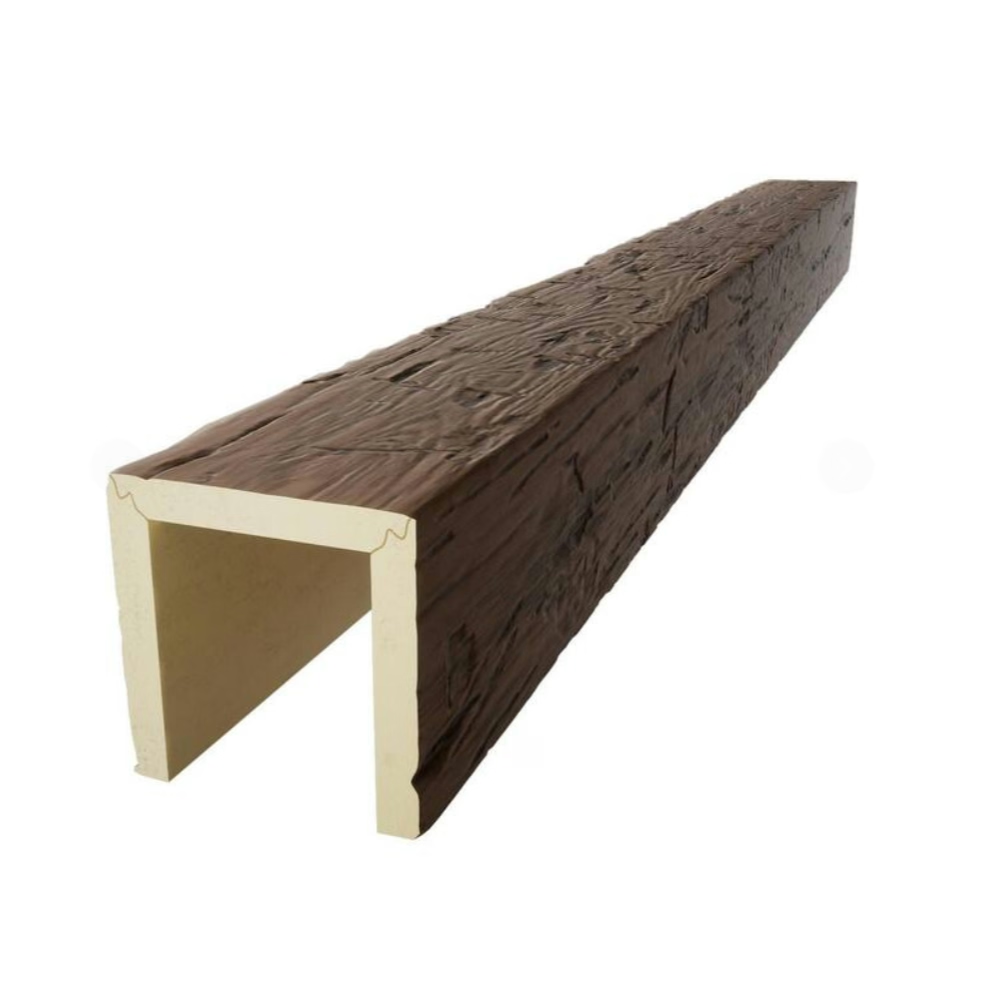
Successful mount-on installation requires proper preparation of both ceiling surfaces and beams. Taking time with this preparation phase prevents problems during installation and ensures long-term security of the finished work.
Ceiling surfaces must be clean, dry, and structurally sound. Remove any loose paint, wallpaper, or debris that might compromise adhesive bonding. Minor surface irregularities can often be accommodated through adhesive thickness, but significant variations should be addressed before installation begins.
Beam preparation involves checking fit against ceiling conditions and marking mounting locations accurately. Dry-fitting beams before adhesive application identifies any clearance issues, alignment problems, or dimensional adjustments needed before final installation. This verification step is never optional, regardless of how certain dimensional accuracy might seem.
Environmental conditions affect adhesive performance significantly. Temperature extremes, high humidity, and poor ventilation can all compromise bonding. Checking manufacturer specifications for acceptable installation conditions prevents performance problems that might not become apparent until after adhesive cures.
Achieving Professional-Quality Results
The simplicity of mount-on installation does not excuse shortcuts that compromise quality. Professional results depend on attention to detail throughout the process, from initial measurement through final cleanup.
Measurement precision determines alignment quality. Using steel tape measures rather than fabric tape provides accuracy that flexible materials cannot match. Recording measurements multiple times before cutting prevents costly errors that waste material and time.
Reference lines establish alignment that visual estimation cannot reliably achieve. Chalk lines, laser levels, and straightedges create guidelines that ensure beams track perfectly parallel and evenly spaced. The few minutes required to establish these references pay dividends throughout the installation.
Joint treatment between beam ends and at wall intersections requires attention that single continuous runs do not. Caulk color-matched to beam finish, wood trim pieces, and careful sanding all contribute to joints that appear seamless rather than obvious.
Common Mistakes to Avoid
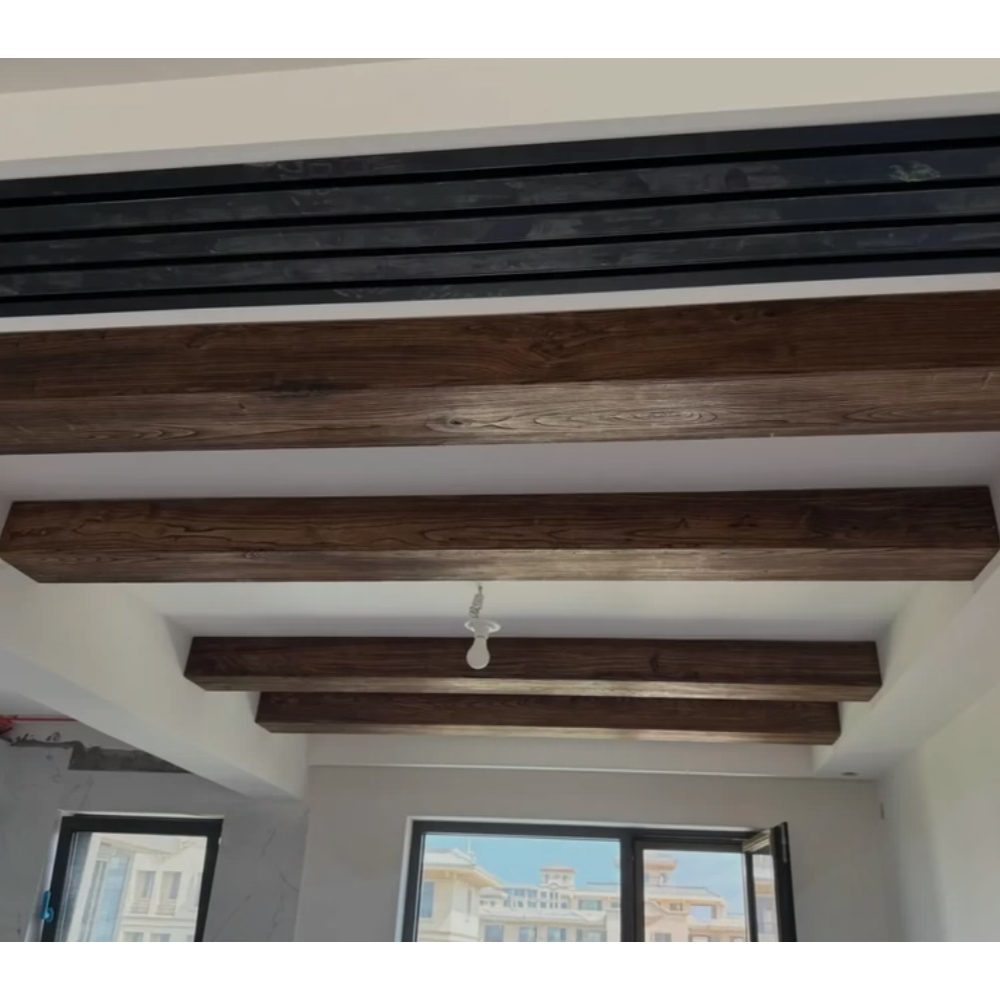
Even straightforward installations can suffer from preventable errors. Awareness of common mistakes helps installers avoid them and achieve results that meet expectations.
Insufficient adhesive coverage represents the most frequent mounting failure. Beams should receive continuous adhesive application along full mounting surfaces, not spot application at intervals. Gaps in coverage create stress concentrations that eventually cause failure.
Rushing cure time undermines adhesive performance. Manufacturer specifications for cure time exist for good reason—premature loading risks bond failure that might not become apparent until significant stress develops. Scheduling installation when adequate cure time is available prevents this disappointment.
Inadequate weight distribution stresses individual fasteners beyond their capacity. Mounting systems must distribute beam weight across sufficient area to keep individual connection point loads within rated capacities. Consulting manufacturer load tables before specifying mounting approaches prevents overloading failures.
Post-Installation Care
Mount-on beams require minimal ongoing care, but some attention ensures long-term satisfaction with installation results. Regular inspection identifies any developing issues before they become significant problems.
Seasonal inspection should check for any movement at mounting points, particularly in the first year after installation when materials settle and adhesive fully cures. Early identification of movement allows corrective action before beams shift enough to create visible problems.
Cleaning maintains appearance without requiring special products. Soft dusting and occasional wiping with damp cloth removes accumulated debris that might otherwise build up over years. Avoid harsh chemicals or abrasive materials that might damage beam finishes.
Finish touch-up addresses any minor damage that occurs through normal use. Matching finish products from manufacturers allow homeowners to address scratches or chips without full refinishing. Keeping small amounts of finish material for repairs simplifies maintenance.
Technical References
ASTM standards cited in every specification
Test Data
Lab results from internal testing program
Updated 2026
Reviewed against current product specs