Mountain lodges and cabin retreats occupy a special place in American design culture. These getaways represent escapes from everyday life—places where the pace slows, connections deepen, and the restorative power of natural surroundings takes precedence over professional obligations. The interiors that serve these experiences should reinforce the escape from urban and suburban conventions, creating spaces that feel genuinely different from ordinary homes.
Rustic mountain lodge style embraces natural materials, handcrafted details, and connections to the wilderness setting. Timber has always played a central role in this aesthetic, with exposed beams, hewn logs, and wood-paneled walls creating the warm, enveloping character that defines authentic lodge environments. For contemporary cabin construction and renovation, polyurethane faux beams offer practical advantages that make authentic lodge aesthetics achievable without the practical compromises that genuine timber demands.
The Authentic Lodge Aesthetic
Mountain lodge interiors achieve their distinctive character through deliberate choices that reject the smooth, polished surfaces of mainstream contemporary design. Rough textures, substantial proportions, and materials that show their origins all contribute to the authentic wilderness atmosphere that cabin dwellers seek.
Timber beams serve as primary architectural elements in lodge design, establishing visual scale and contributing warmth that no synthetic material can fully replicate. The organic quality of wood grain, the dimensional presence of substantial beams, and the subtle variations that characterize natural timber all combine to create interiors that feel grounded rather than generic.
Color palettes in lodge design typically emphasize earth tones and natural wood hues. Deep browns, warm honey tones, and weathered grays create environments that connect to surrounding forests and mountain landscapes. These colors feel appropriate in their settings in ways that cool grays or bright whites could never achieve.
Practical Considerations for Vacation Properties
Cabins and mountain lodges present practical challenges that influence material selection. Remote locations often mean limited access for delivery of heavy materials. Humidity fluctuations as properties heat and cool seasonally stress materials in ways that climate-controlled primary residences never experience. Extended periods between occupancy allow problems to develop undetected.
Polyurethane faux beams address each of these challenges directly. Their light weight simplifies logistics for remote deliveries, potentially enabling delivery methods that heavy timber could not accommodate. Material stability across humidity ranges prevents the expansion, contraction, and moisture-related problems that genuine timber experiences in seasonal properties. Durability that requires no ongoing maintenance proves particularly valuable when professional contractors may be hours away.
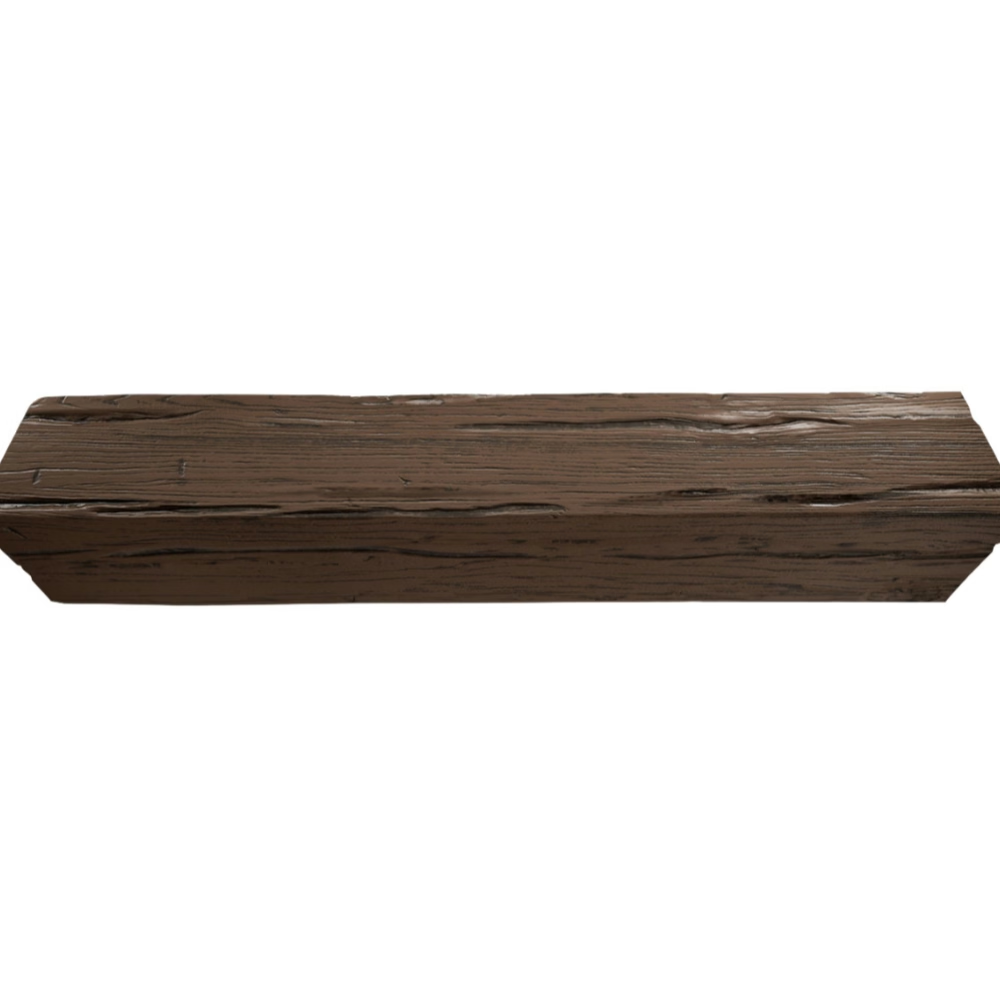
The practical advantages do not compromise aesthetic authenticity. Premium polyurethane beams display wood grain detail, surface texture, and visual character that satisfy even discriminating observers. The warmth and organic quality that define lodge interiors come through completely in well-executed faux beam installations.

Complementing Stone and Masonry
Mountain lodge interiors traditionally incorporate substantial stonework—fireplaces, chimneys, accent walls, and foundation elements that anchor buildings to their sites. The relationship between wood beams and stone surfaces creates visual dialogue that significantly influences overall interior character.
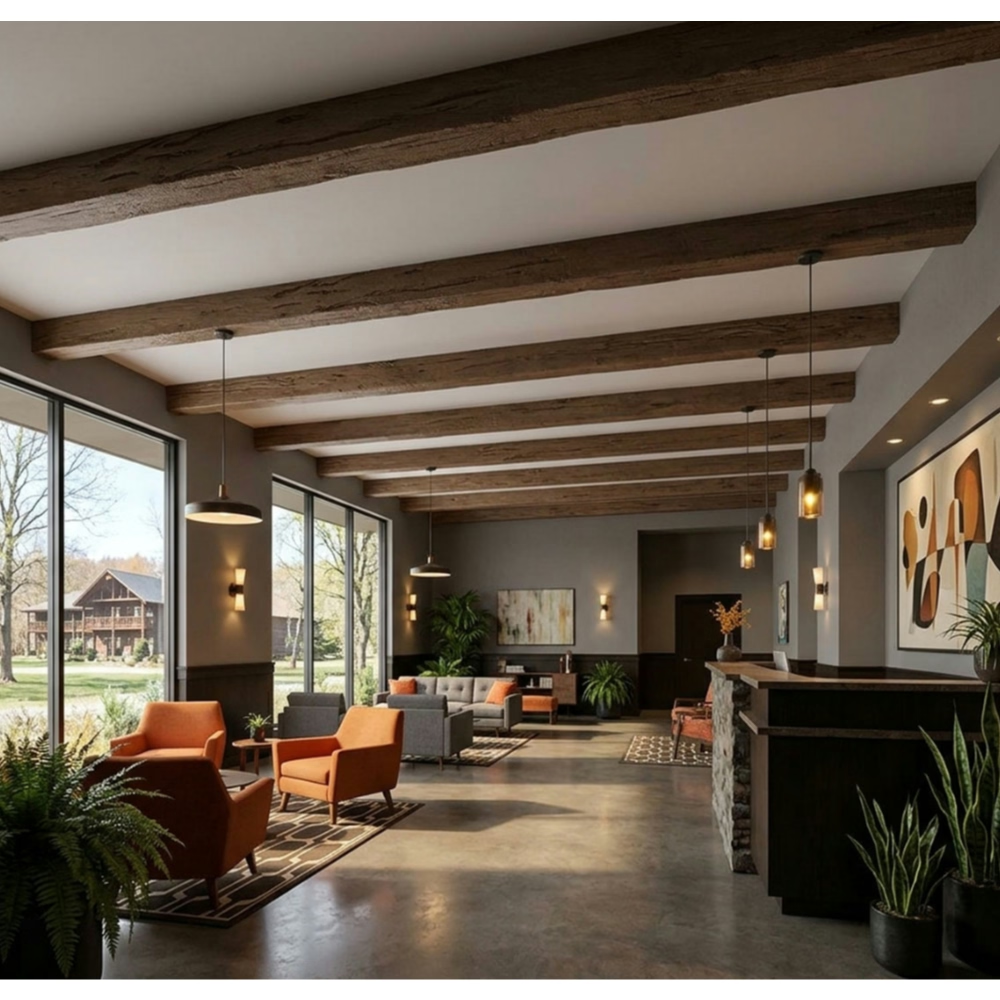
Warm wood tones complement stone's cool grays and earth tones effectively. The contrast between organic timber and geometric masonry creates visual interest that neither material achieves alone. Beams spanning above stone fireplaces create the classic mountain lodge focal point that defines great room design in rustic properties.
Scale relationships between beams and stonework require careful attention. Large, massive stone fireplaces call for correspondingly substantial beams that maintain proportional relationships. Modest stone accents can coordinate with more restrained beam sizing. Achieving appropriate balance creates interiors that feel resolved rather than mismatched.
Lighting Design for Lodge Atmospheres
Lighting significantly influences how lodge interiors are perceived. The warm, enveloping quality that defines successful mountain retreats depends heavily on lighting that reinforces rather than undermines rustic character. Beam installations should be planned in coordination with lighting design, not addressed as separate concerns.
Incandescent and halogen sources provide warm color temperatures that complement wood aesthetics. The yellowish light these sources produce aligns naturally with honey and amber wood tones, enhancing warmth while adding visual depth to wood grain patterns. LED sources with warm color temperatures can achieve similar effects with improved energy efficiency.
Fixture styling should align with lodge aesthetic. Exposed Edison-style bulbs, rustic metal housings, and hand-forged details all reinforce the handcrafted character that rustic interiors require. Contemporary chrome or glass fixtures can appear incongruent despite their aesthetic quality in other contexts.
Seasonal Use Considerations
Many mountain properties experience dramatically different use patterns across seasons. Winter cabins may sit empty for weeks between ski weekends, while summer retreats may see intensive use during vacation periods with extended vacancies between visits. These usage patterns influence material performance expectations.
Temperature fluctuations during unoccupied periods create material stress that continuous habitation prevents. Well-insulated properties minimize these swings, but some variation remains inevitable in mountain environments. Polyurethane's dimensional stability across temperature ranges addresses this concern, maintaining installation integrity regardless of heating patterns.
Humidity management becomes particularly important in seasonal properties. Proper ventilation prevents moisture accumulation that promotes fungal growth even in moisture-resistant materials. Addressing potential condensation points during construction and renovation prevents problems that might develop over years of seasonal use.
Integration with Other Rustic Elements
Successful lodge interiors coordinate multiple rustic elements into cohesive compositions. Beams work alongside exposed log walls, antler accessories, wildlife artwork, Native American textiles, and numerous other elements that contribute to mountain aesthetic. Achieving harmony among these diverse components requires thoughtful design attention.
Repeating wood tones throughout the space creates visual continuity that ties disparate elements together. If main beams feature honey oak coloration, supporting woodwork should share similar color family even if wood species differ. This color consistency prevents the hodgepodge appearance that uncoordinated rustic selections sometimes create.
Proportion consistency similarly contributes to cohesive design. Heavy timber beams call for substantial furniture and robust accessories. More refined beam profiles allow correspondingly refined supporting elements. Matching scale relationships throughout creates interiors that feel designed rather than assembled.
Long-Term Value Considerations
While initial costs influence material selection decisions, lifecycle value often proves more significant for vacation properties. Cabin owners may spend decades with their property selections, with material choices compounding across those years.
Maintenance requirements translate into real costs when properties are remote. Every trip to the cabin for refinishing or repair represents travel time and expenses that could be avoided with lower-maintenance alternatives. The premium often charged for quality faux beams frequently pays for itself through reduced maintenance demands.
Resale considerations also favor practical material choices. Future buyers will appreciate the authentic appearance and practical durability that well-selected beams provide. Properties featuring low-maintenance, attractive, durable materials often command premium values in competitive mountain real estate markets.
Technical References
ASTM standards cited in every specification
Test Data
Lab results from internal testing program
Updated 2026
Reviewed against current product specs


