Mountain lodge style has captured the imagination of homeowners seeking refuge from urban intensity. The aesthetic draws from centuries of mountain cabin tradition, incorporating massive timbers, natural materials, and handcrafted details that evoke simpler times and deeper connections to landscape. Understanding what defines authentic mountain lodge style—and how modern materials like polyurethane faux beams enable these aesthetics in contemporary construction—helps homeowners and designers achieve satisfying results.
The essential character of lodge style emerges from deliberate material choices and proportional relationships that distinguish it from other rustic approaches. Unlike beach cottages or farmhouse retreats, mountain lodges embrace the rugged grandeur of alpine environments. Heavier timber, darker tones, and more substantial architectural elements reflect the dramatic mountain settings these interiors complement.
Defining Characteristics of Lodge Style
Several key characteristics distinguish authentic mountain lodge interiors from other rustic design approaches. Recognition of these elements helps inform decisions about beam selection, finish treatment, and complementary design choices.
Timber proportion represents perhaps the most significant distinguishing factor. Lodge interiors feature timber that appears substantial—beams that read as structural elements with meaningful visual weight rather than delicate accents. This massiveness creates the enveloping, protective quality that defines lodge atmosphere. Smaller-scale timber that might suit farmhouse or cottage interiors appears inadequate in mountain settings.
Natural material emphasis extends beyond timber to include stone, leather, wool, and other materials that connect interiors to their mountain settings. The combination of rough-hewn wood with quarried stone creates the textural richness that lodge interiors require. Synthetic materials and overly refined finishes disrupt this natural authenticity.
Color palettes in lodge style typically embrace earth tones and rich wood hues rather than pale neutrals. Deep browns, warm ambers, and near-black tones create the enveloping warmth that mountain winters demand. Lighter woods can appear too casual for true lodge authenticity, though they may suit transitional approaches that blend lodge elements with more contemporary aesthetics.
Beam Profile Selection for Lodge Applications
Not all beam profiles suit mountain lodge applications. The massive, hand-hewn aesthetic that defines authentic lodge interiors requires profiles that project substantial presence when installed. Several profile options effectively achieve lodge character.
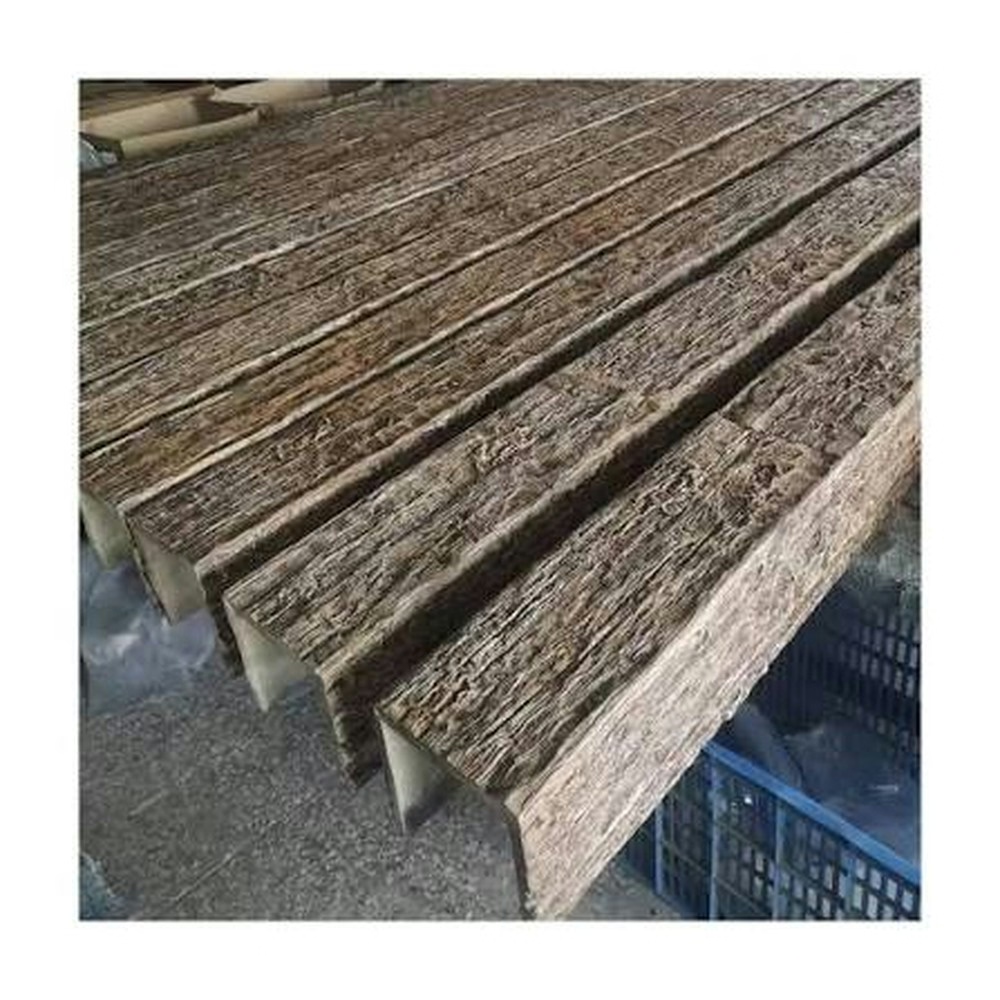
Solid square beams with applied dimensional detail create the appearance of structural timber while maintaining manageable weight. These profiles typically feature V-groove or center-beam treatments that simulate sawed timber surfaces, plus optional corbels or braces at support points that add authentic timber frame character.
Heavy box beams with substantial depth-to-width ratios create the massive presence that lodge interiors require. These beams often incorporate multiple layers or applied moldings that increase visual complexity while maintaining installation practicality. The depth of these beams creates strong shadow lines that define ceiling architecture dramatically.

Knee braces, corbels, and other timber frame components should accompany main beams to create complete timber frame aesthetics. These supporting elements reinforce the structural character that distinguishes lodge style from simpler beam treatments. Their placement should reflect genuine timber frame engineering even when concealed connections provide actual support.
Finish Approaches for Authentic Character
Stain and finish selection significantly influences how beams contribute to overall lodge atmosphere. The rich, warm tones that lodge interiors require typically come from medium-to-dark stain applications that deepen natural wood coloration.
Walnut stains create the deep brown tones that evoke aged timber and establish intimate, enveloping atmospheres. These finishes work particularly well in great rooms and other large spaces where dramatic treatment enhances rather than overwhelms. The richness of walnut tones provides visual anchor that smaller-scale elements can complement.
Ebonized finishes push toward near-black coloration that creates high contrast with lighter ceiling and wall surfaces. This dramatic treatment suits contemporary lodge interpretations where bolder aesthetics replace traditional warmth. The darkness reads as sophistication rather than gloom when properly lit and complemented.
Natural finish with light stain preserves more wood character while providing modest protection. These treatments suit lighter lodge interpretations that blend traditional timber warmth with more contemporary color palettes. The approach requires greater attention to wood grain quality, as surface character shows more prominently with lighter finishes.
Coordination with Log Elements
Many mountain lodges incorporate actual log walls, log pillars, or other genuine timber elements alongside beam installations. Achieving visual harmony between faux beams and authentic logs requires understanding how these materials relate.
Color coordination should establish common ground between faux beams and genuine logs. If logs feature honey-toned natural finish, beams should complement rather than contrast with that coloration. Custom finishing services can develop formulations that achieve appropriate coordination when standard options prove insufficient.
Scale relationships between logs and beams should establish visual hierarchy. Massive logs typically dominate ceiling beams, with beams playing supporting rather than competing roles. Alternatively, beams can establish ceiling architecture while logs provide wall texture, with neither element competing for visual supremacy.
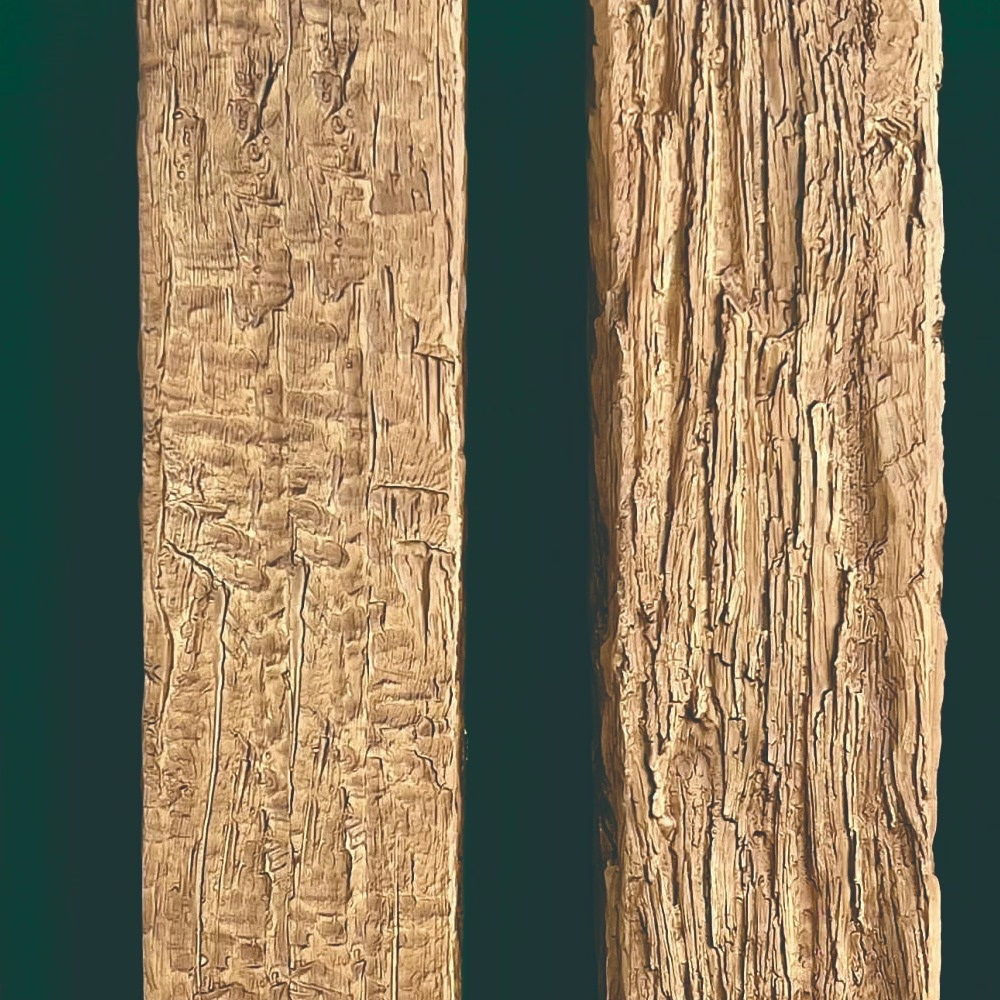
Provenance consistency helps as well. Beams finished to resemble the same species as adjacent logs create natural continuity. Visual disjoint occurs when amber oak beams meet honey pine logs—the material mismatch becomes obvious even without technical analysis.
Regional Variations in Lodge Style
Mountain lodge aesthetics vary significantly across North American mountain regions, reflecting local building traditions, available materials, and cultural influences. Understanding these regional variations helps homeowners and designers achieve authenticity appropriate to their specific settings.
Rocky Mountain lodge style emphasizes substantial timber and rustic craftsmanship, with influences from mining camp and frontier cabin traditions. Heavy beams, rough stone, and warm metal accents define this regional variation.
Pacific Northwest lodge style incorporates more refined timber craftsmanship alongside influences from indigenous art and maritime tradition. Cedar's prominence in this region creates distinct coloration and scent associations that distinguish Pacific Northwest interiors from other mountain settings.
Appalachian mountain style draws from pioneer and vernacular cabin traditions with simpler, more practical aesthetic sensibilities. These interiors often feature more modest timber proportions and greater emphasis on handcraft and patina.
Building Relationships with Design Professionals
Achieving satisfying lodge interiors typically benefits from collaboration with professionals who understand mountain design traditions. Architects specializing in mountain properties bring regional knowledge and practical experience that general practitioners may lack.
Interior designers with lodge project portfolios understand how to coordinate beams with complementary elements—lighting, furniture, accessories—to create cohesive environments. Their familiarity with finish options, hardware styling, and material selection streamlines decision-making while reducing risk of disappointing results.
Landscape architects complete the design team, ensuring that interior treatments connect appropriately to exterior environments and site character. The transition between built and natural landscapes defines much of what makes mountain properties distinctive, requiring design attention that more routine settings might not demand.
Technical References
ASTM standards cited in every specification
Test Data
Lab results from internal testing program
Updated 2026
Reviewed against current product specs


