Themed interior design presents unique challenges that extend beyond simple material selection. When an entire living environment must tell a consistent story, every element—from major architectural features to smallest accessories—must reinforce the intended narrative. Mountain lodge themed interiors draw from rich design traditions that offer abundant guidance while also demanding careful coordination to avoid the disconnected feeling that mismatched elements create.
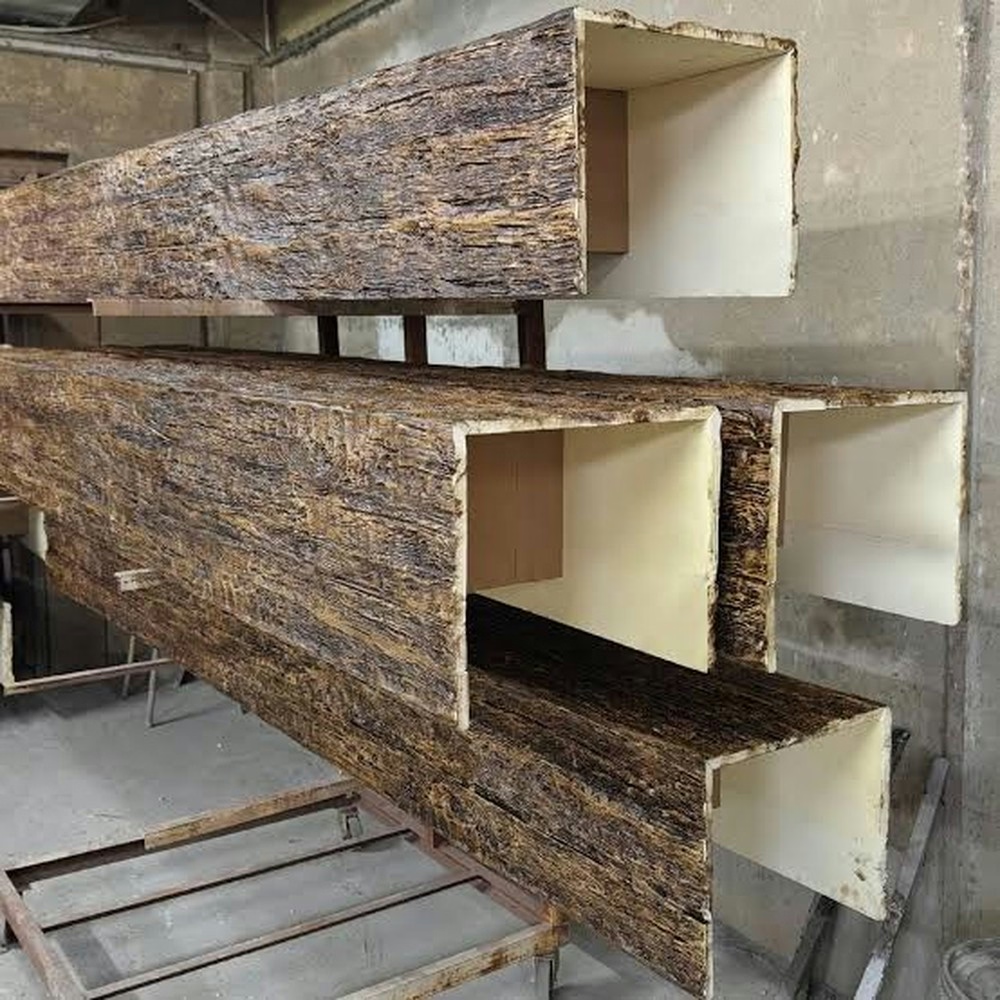
Polyurethane faux wood beams serve as foundational elements in mountain lodge theming, establishing the architectural framework that other design choices complement. The visual presence of substantial timber overhead creates immediate atmosphere that guides subsequent decisions about furniture, lighting, textiles, and accessories. Selecting beams that align with thematic intentions—and then building complementary layers around them—produces interiors where everything belongs together.
Establishing Thematic Foundation
The first step in achieving cohesive mountain lodge theming involves establishing clear thematic direction. "Mountain lodge" encompasses substantial design territory, and different homeowners find different expressions within this broad category more appealing.
Traditional lodge aesthetic emphasizes warmth, craftsmanship, and connection to historic mountain building traditions. This interpretation features substantial timber, stone masonry, leather upholstery, and accessories that reference frontier heritage. The atmosphere feels established and timeless rather than trendy.
Contemporary mountain retreat interprets lodge themes through modern sensibility, incorporating cleaner lines, more refined materials, and updated color palettes within the broader mountain context. This approach maintains connection to natural setting and rustic materials while rejecting heaviness or dated craft conventions.
Eclectic mountain combines lodge elements with unexpected influences—perhaps Scandinavian minimalism, Japanese reverence for natural materials, or mid-century modern furniture. This adventurous approach creates distinctive interiors that resist easy categorization while remaining authentically rooted in mountain setting.

Beam Selection Aligned with Theme
Different thematic interpretations call for different beam characteristics. A contemporary mountain retreat benefits from different beam profiles and finishes than a traditional lodge, and selecting beams that align with thematic direction prevents the visual contradictions that mismatched elements create.
Contemporary themes typically favor cleaner profiles with less applied ornament. Beams with simple lines and minimal detail support modern furniture and uncluttered layouts. Finish selection for contemporary mountain often emphasizes natural wood tones or dramatic darks rather than heavily antiqued or distressed treatments.
Traditional themes embrace more elaborate beam profiles with corbels, braces, and other timber frame embellishments. These decorative elements reinforce the handcrafted character that traditional lodge aesthetics value. Finishes in this context often include aging effects, weathering, and hand-applied treatments that suggest generations of use.
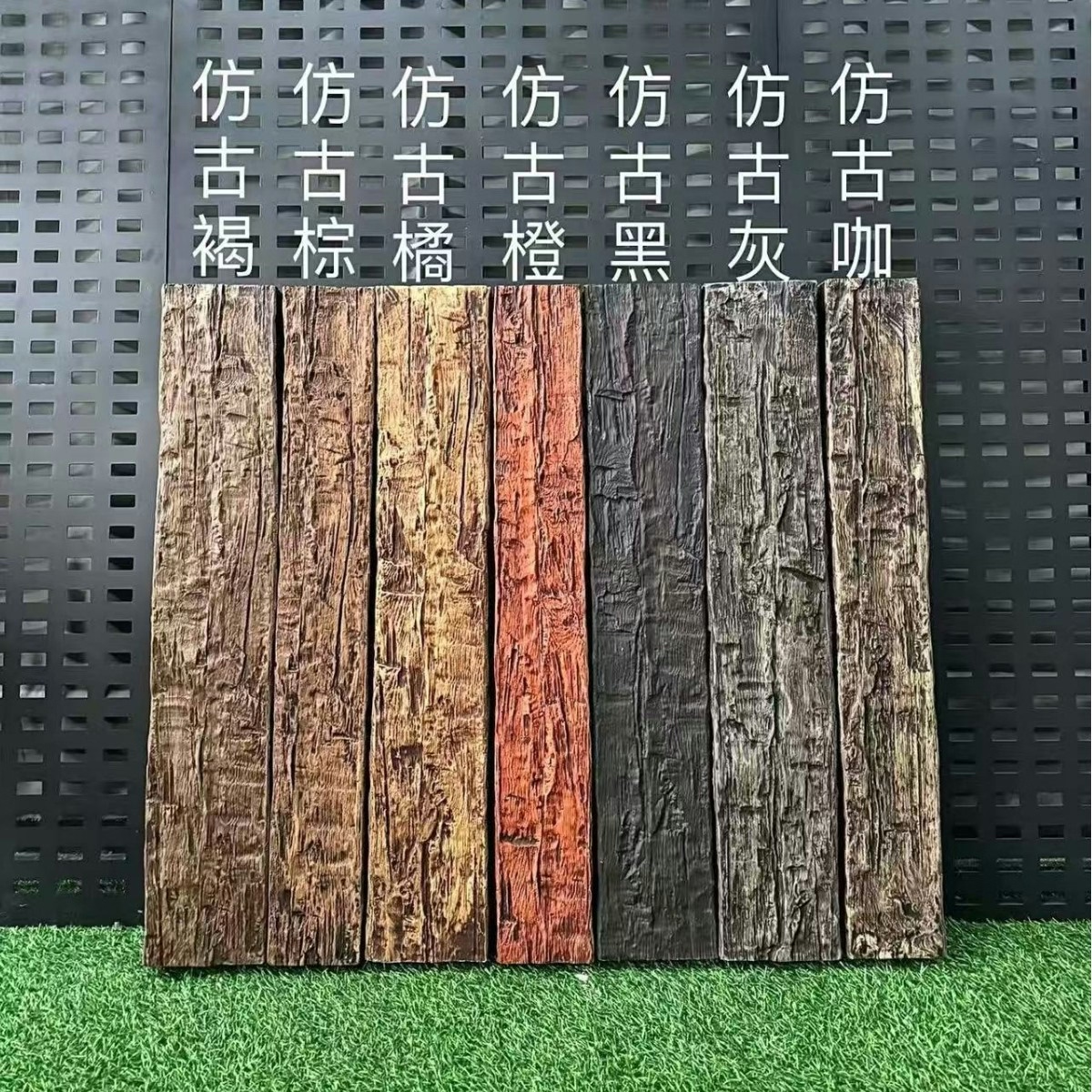
Eclectic themes provide opportunity for creative beam selection that might not fit more rigid aesthetic frameworks. Vintage or antique-look beams, unusual profiles, or unexpected finish treatments can serve as signature elements that anchor eclectic compositions.
Color Palette Development
Coordinated color palettes ensure that beams integrate with surrounding elements rather than standing apart. The relationship between beam coloration and wall, floor, and upholstery colors establishes visual harmony that makes spaces feel complete.
Warm earth tones form the foundation of most mountain lodge palettes. Deep browns, warm ambers, moss greens, and rust accents create environments that feel connected to natural mountain settings. These colors complement wood beams while providing contrast that prevents monochromatic flatness.
The 60-30-10 color rule offers helpful guidance for thematic interiors. Sixty percent of the color palette appears in dominant surfaces—walls and large furniture pieces. Thirty percent in secondary elements—accent furniture, window treatments, and smaller architectural details. Ten percent in accessories and finishing touches provides visual punctuation.
Beam coloration typically falls within the dominant or secondary percentage depending on ceiling treatment and overall design intensity. Understanding where beams fit within palette proportions helps establish appropriate color relationships with surrounding elements.
Layering Texture and Pattern
Mountain lodge themes benefit from texture layering that adds visual richness without introducing unwanted color complexity. The interplay between different surface qualities creates the tactile interest that prevents themed interiors from feeling flat or staged.
Wood grain provides the primary textural element when beams are present. Additional wood elements—wall paneling, ceiling planking, furniture pieces—should complement rather than compete with beam grain patterns. Varying scale between beam grain and secondary wood grain prevents repetitive appearance.
Natural textiles including leather, wool, sheepskin, and linen introduce textural variety that connects interiors to natural settings. These materials feel authentic in mountain contexts in ways that synthetic alternatives cannot match. Their incorporation reinforces thematic authenticity while adding practical comfort.
Stone and mineral textures contribute geological character that connects spaces to mountain settings. Slate, granite, and river rock appear in hearth surfaces, accent walls, and accessory elements. Their cool, geometric surfaces provide counterpoint to wood warmth throughout themed interiors.
Accessory Selection and Placement
Accessories complete mountain lodge theming by adding personal touches that transform decorated rooms into inhabited spaces. The selection and placement of these finishing elements should reinforce rather than undermine thematic coherence.
Wildlife art and artifacts reference mountain fauna and wilderness environments. Quality pieces contribute meaningfully to atmosphere; poorly executed or overly numerous wildlife items can tip interiors toward caricature. Thoughtful restraint serves better than exhaustive collection display.
Vintage and antique items add patina and authenticity that new reproductions cannot match. Aged leather, worn metal, and antique wooden implements carry history that enhances thematic resonance. These pieces work best as discoveries—interesting details that reward attention rather than obvious thematic statements.
Lighting fixtures should reinforce rather than undercut thematic intentions. Rustic metal housings, Edison-style bulbs, and hand-forged details complement lodge aesthetics. Contemporary chrome or glass fixtures, however attractive in other contexts, appear incongruent in themed mountain interiors.
Balancing Theme and Livability
Effective themed interiors balance atmospheric intensity with practical livability. Spaces that overwhelm with thematic density quickly tire their inhabitants, while insufficient theming disappoints those seeking authentic mountain character.
Functional priorities should guide thematic decisions in areas devoted to specific activities. A home office within a mountain lodge needs adequate workspace, proper lighting for concentration, and storage for office supplies regardless of thematic context. These practical requirements can be met beautifully within lodge aesthetic frameworks, but should not be sacrificed for thematic purity.
Flexibility for changing needs matters in vacation properties that may serve different purposes over time. Theming that proves too rigid may not accommodate furniture rearrangements, family changes, or evolving aesthetic preferences. Building thematic foundation through major elements while keeping secondary decisions adaptable provides both coherence and flexibility.
The most successful mountain lodge themed interiors feel genuinely inhabited rather than museum-displayed. Personal photographs, well-traveled books, family heirlooms, and everyday objects used regularly demonstrate that the space serves real life rather than merely representing an aesthetic ideal.
Technical References
ASTM standards cited in every specification
Test Data
Lab results from internal testing program
Updated 2026
Reviewed against current product specs


