Interior design success depends significantly on material selection that aligns with overall color schemes and aesthetic intentions. When beams must integrate with specific palettes—whether warm honey neutrals, sophisticated grays, or bold accent colors—off-the-shelf options may not deliver the precise coordination that professional results require. Custom color capabilities address this limitation, enabling exact matching that transforms beams from generic products into integral design elements.
Modern polyurethane beam manufacturers offer color customization options that span the full spectrum from traditional wood tones to contemporary painted finishes. Understanding the scope of available options, the processes involved, and how to specify custom colors effectively helps homeowners and designers achieve interiors where every element belongs.
Standard Color Libraries
Before exploring custom options, understanding standard color libraries establishes baseline expectations. Most manufacturers maintain extensive standard finish collections developed to address the most common residential and commercial requirements.
Natural wood tones typically form the largest standard category, with options spanning light blonde oaks through rich walnut and near-black ebonies. These finishes simulate various wood species with color accuracy developed through extensive formulation experience. Most projects find suitable matches within standard wood tone collections.
Neutral paint colors—whites, grays, and greiges—address contemporary interior schemes where beams should integrate with walls and ceilings rather than standing apart. Manufacturers serving contemporary markets typically maintain substantial neutral paint libraries that coordinate with popular paint brand collections.
Accent colors expand design possibilities beyond neutral integration. Bold hues for dramatic statement, pastels for soft environments, and everything between provide options for every aesthetic direction. Standard accent libraries cannot address all possibilities but cover enough territory to serve most colored beam requirements without custom formulation.
Custom Color Formulation Process
Projects requiring colors outside standard libraries benefit from custom formulation services that manufacturers increasingly offer. The process typically begins with reference sample submission, proceeds through formulation and approval, and concludes with production implementation.
Sample submission can involve several formats depending on manufacturer capabilities and project requirements. Physical samples—paint chips, fabric swatches, wood samples—provide tactile references that formulation technicians evaluate visually. Digital color specifications using standardized color systems allow formulation against numerical targets. The most effective approach combines both physical and digital references where possible.
Formulation involves mixing pigment concentrates in precise proportions to achieve target color. Experienced technicians translate visual references into reproducible formulations that maintain consistency across production runs. The formulation process may require iteration as initial attempts are evaluated against references and adjusted accordingly.
Sample approval confirms that formulations meet project requirements before production commitment. Viewing samples under actual installation lighting—rather than showroom or factory conditions—provides the most reliable approval basis. Minor adjustments during this phase prevent significant issues once full production begins.

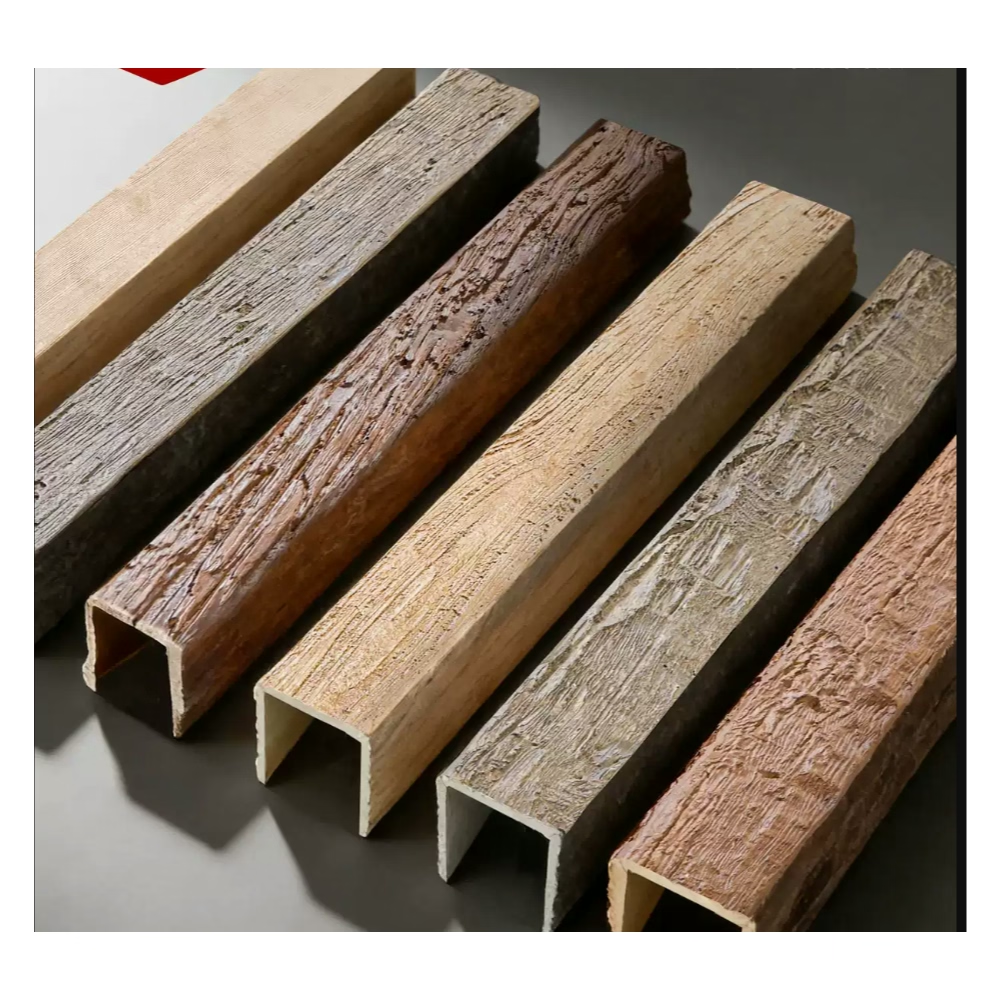
Paint Versus Stain Considerations
Custom color application differs significantly between paint and stain approaches, with each offering distinct advantages for particular applications.
Paint provides opaque coverage that completely obscures substrate character. This approach works well for beams serving as color accents rather than wood-look features. Paint application requires surface preparation that ensures proper adhesion, plus appropriate primer selection for optimal topcoat performance.
Stain penetrates substrate surfaces, modifying color while allowing wood grain character to remain visible. This approach suits projects where wood appearance matters but exact wood species coloring does not. Stain selection should account for how grain patterns will interact with color saturation—bold stains on heavy grain can produce dramatic effects that light stains cannot achieve.
Two-tone treatments combine paint and stain in single applications that create complex visual effects. Stained bases preserve wood grain visibility while paint accents concentrate in recesses and details. This sophisticated approach produces depth and visual complexity that simple finishes cannot match.
Coordination with Adjacent Materials
Beam color selection should account for relationships with surrounding materials—not just walls and ceilings, but also flooring, trim, furniture, and architectural features throughout coordinated spaces.
Large material samples should inform beam color decisions whenever possible. Small paint chips rarely predict accurately how colors will read at beam scale. Flooring samples, countertop pieces, and substantial fabric swatches provide better references for comprehensive color evaluation.
Viewing conditions significantly affect color perception. Colors appear different in morning light versus afternoon sun, under incandescent versus fluorescent fixtures, and in rooms with varying natural light availability. Evaluating color selections in conditions matching final installation prevents disappointing surprises.
The 10-foot rule provides useful guidance for color coordination decisions. Colors that appear harmonious at normal viewing distances—typically ten feet in residential contexts—create cohesive environments. Obsessive close-up matching often produces results that look disjointed at actual living distances.
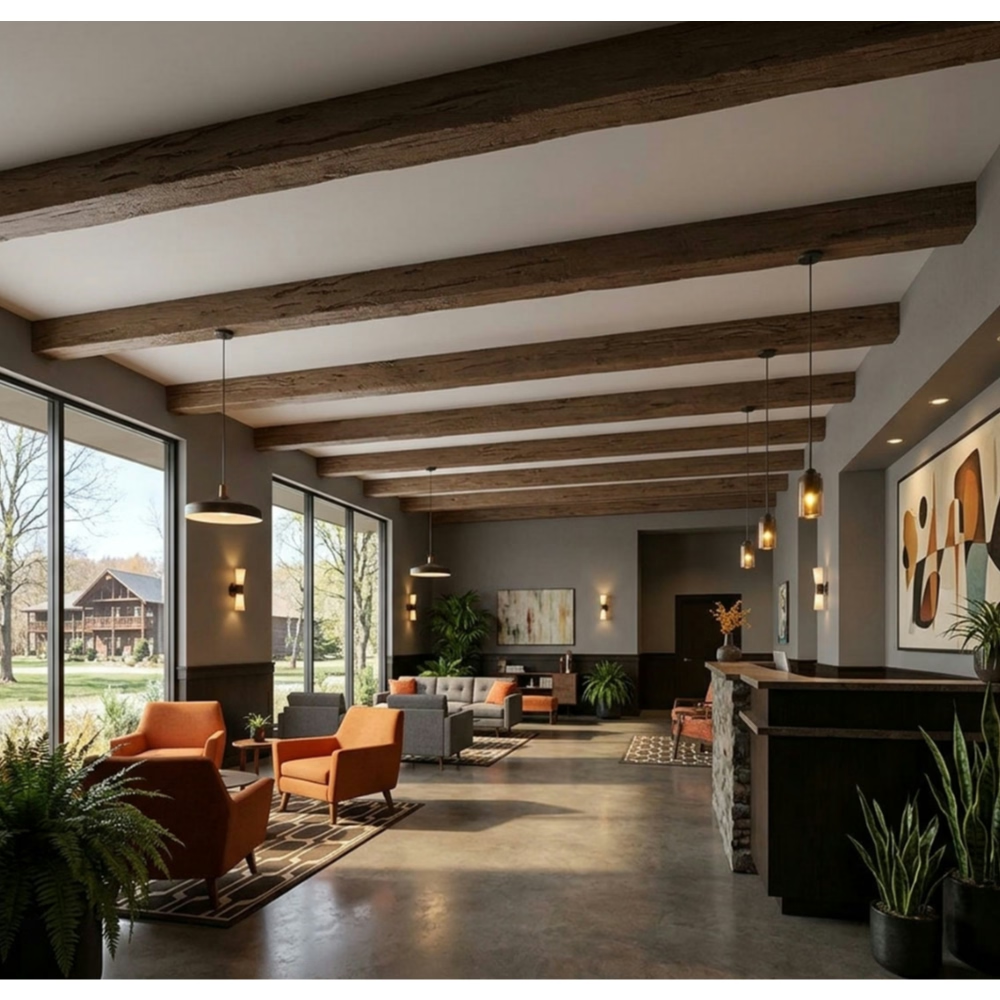
Custom Finishing Services
Some projects benefit from custom finishing that extends beyond simple color matching. Special effects, proprietary techniques, and unique surface treatments create distinctive results that standard products cannot achieve.
Hand-distressing techniques simulate age and use that authentic antique timber displays. Wire brushing, corner rub-through, and deliberate marks create character that new materials otherwise lack. These treatments add authenticity to rustic and traditional interiors where pristine surfaces would appear incongruous.
Graining tools allow skilled finishers to add wood character to painted beams. This technique serves projects where beam function matters more than authentic material but wood appearance still contributes to overall aesthetic. The combination of paint base with hand-applied grain provides visual warmth that solid colors cannot achieve.
Custom patination creates surface effects that evolve with light and viewing angle. Metallic leaf underlays, pearlescent additives, and reactive finishes produce surfaces that reward extended attention. These treatments work best in spaces where beams receive significant visual focus.
Budget and Timeline Considerations
Custom color options inherently cost more and require longer lead times than standard finishes. Understanding how these factors influence project planning prevents unrealistic expectations that might compromise outcomes.
Material costs for custom formulations typically exceed standard finish pricing due to smaller production volumes and additional labor involved. Formulation development, sample production, and approval processes all contribute to cost premiums that should be budgeted from project inception.
Lead time extensions for custom colors may range from days to weeks depending on formulation complexity and manufacturer workload. Project schedules should accommodate these extensions, particularly for complex custom requests that require multiple iteration cycles before approval.
Minimum order quantities may apply for custom formulations given setup costs that must be amortized across production volume. Understanding these requirements prevents disappointment when custom requests cannot be fulfilled for small quantities.
The premium that custom options command often proves worthwhile for projects where color accuracy determines success. interiors where beams must coordinate precisely with other elements benefit from customization that standard options cannot provide, making the additional investment appropriate for the value delivered.
Technical References
ASTM standards cited in every specification
Test Data
Lab results from internal testing program
Updated 2026
Reviewed against current product specs


