The evolution of interior design preferences creates practical challenges for material suppliers and homeowners alike. Styles that dominate one decade often recede in the next, leaving homeowners with investment decisions that must account for uncertain future directions. Materials that accommodate evolving tastes without requiring replacement offer significant advantages in this context. Multi-finish customizable faux wood beams address these concerns directly, providing versatility that adapts to changing preferences while maintaining the quality foundation that initial investments require.
Understanding how finish customization expands beam utility helps homeowners and designers select products that serve immediate needs while preserving future flexibility. The combination of current aesthetic goals with anticipated future possibilities produces decisions that remain satisfying across longer time horizons.
The Versatility Principle
Materials that accept multiple finish treatments provide utility that single-finish products cannot match. The same beam profile can appear as natural honey oak in one application and dramatic ebony in another, serving entirely different aesthetic purposes without product line proliferation.
Base material characteristics determine finish versatility potential. Polyurethane accepts diverse treatments effectively, from penetrating stains that modify color while preserving grain to opaque paints that eliminate surface character entirely. This material flexibility translates directly into styling versatility that homeowners value.
Profile compatibility with various finishes affects which styling directions remain achievable. Complex profiles with deep detailing may overwhelm light paint finishes while showcasing heavy grain patterns beautifully. Simple profiles complement painted treatments better than highly textured alternatives. Matching profile to intended finish flexibility optimizes results.
Natural Wood Finish Options
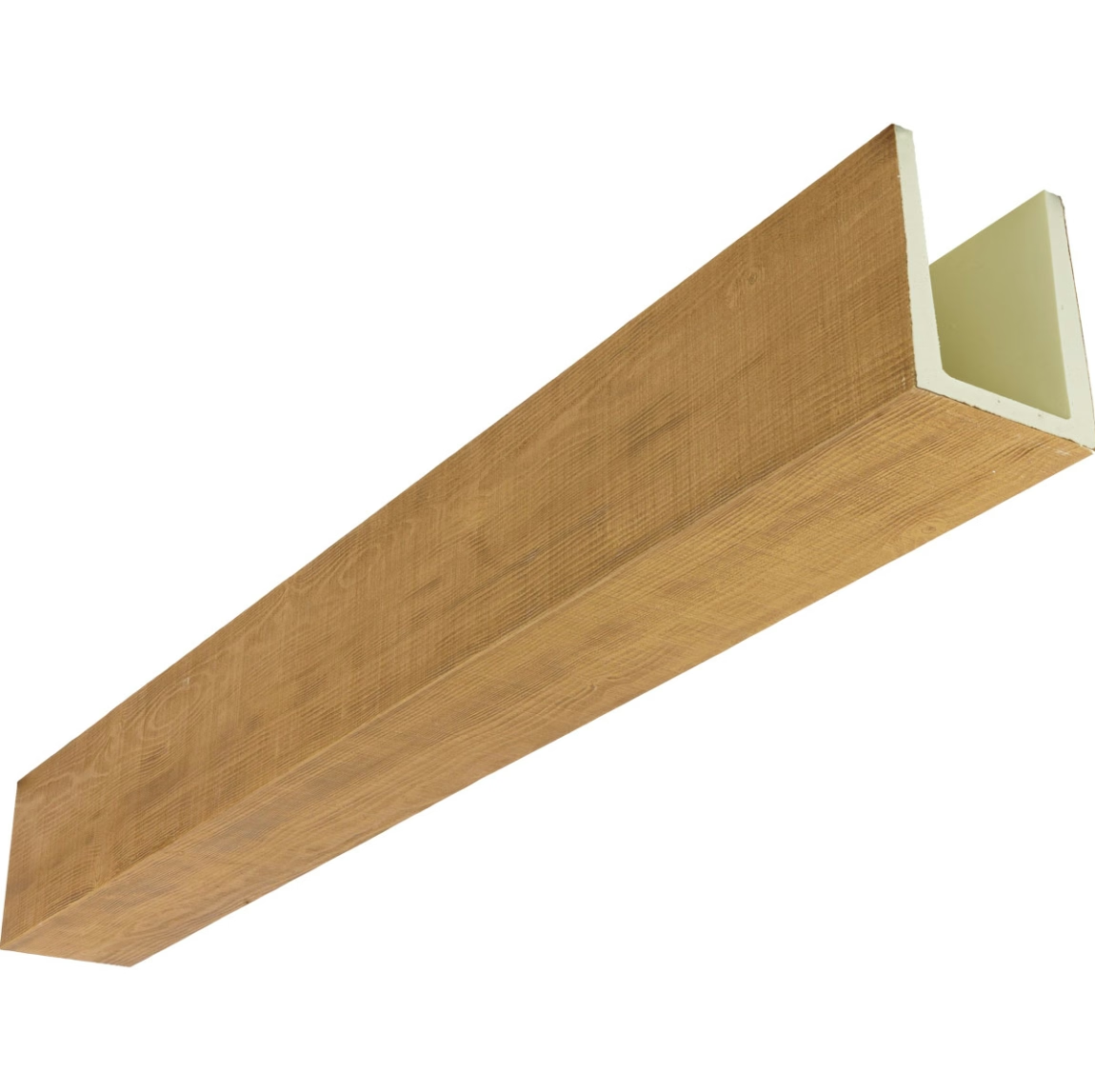
The most common application for faux wood beams involves finishes that simulate genuine timber appearance. Natural wood finishes range across the full spectrum of timber aesthetics, from pale blonde to near-black.
Oak finishes in various tones represent the most popular natural wood category. Light oak provides warmth without heaviness, suitable for contemporary and transitional interiors. Medium oak captures classic American timber aesthetics that suit traditional and farmhouse styles. Dark oak creates dramatic presence appropriate for sophisticated spaces.
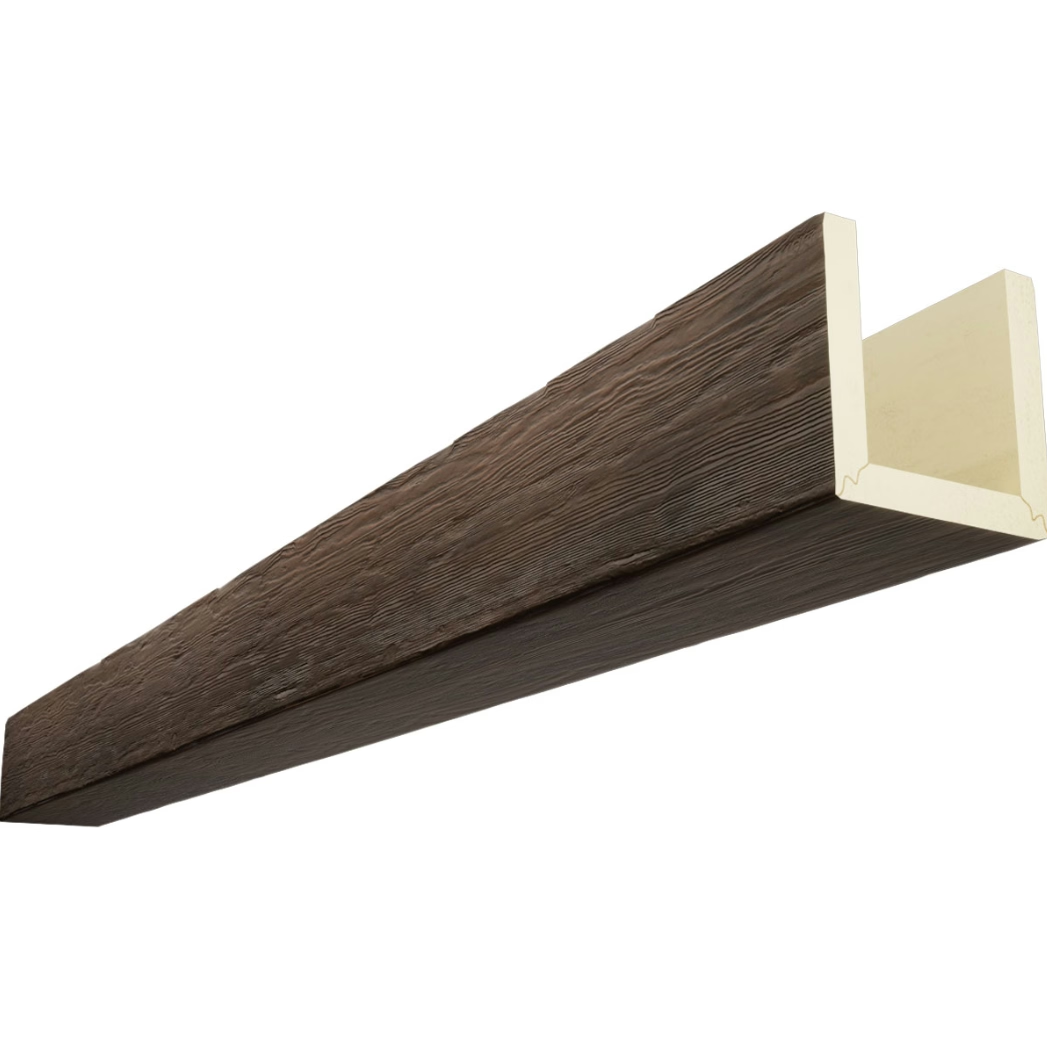
Walnut finishes deliver the rich, luxurious character that premium interiors demand. The deep brown coloration with subtle purple undertones distinguishes walnut from other species, creating distinctive environments that lighter woods cannot achieve.
Pine and fir finishes address rustic and country aesthetics where lighter coloration with prominent grain character defines the intended style. These affordable species provide authentic looks that complement farmhouse, cabin, and cottage interiors.

Painted Finish Applications
Beyond wood simulation, beams serve effectively as painted architectural elements that contribute form without specific material character. These applications expand the design vocabulary available to homeowners and designers.
White and near-white painted beams integrate seamlessly with bright, contemporary interiors where natural wood might introduce unwanted warmth. The clean appearance that white beams provide complements modern furniture, minimal accessories, and light color palettes throughout.
Gray-toned painted beams suit sophisticated environments where neutrality with subtle depth serves design intentions better than stark white or warm natural wood. These mid-tone painted options bridge between light and dark environments with equal facility.
Bold painted beams make architectural statements that natural finishes cannot achieve. Deep blue, forest green, or rich burgundy beams command attention while maintaining the dimensional quality that distinguishes beam architecture from wall art or accessories.
Two-Tone and Layered Finishes
Sophisticated finish techniques create visual complexity that simple applications cannot achieve. Two-tone and layered finishes add depth that rewards extended observation while providing textural interest that plain finishes lack.
Paint-and-stain combinations apply different treatments to different beam surfaces. Visible faces receive stain that simulates wood grain while less-prominent surfaces receive paint that matches surrounding ceilings. This approach maximizes wood character in view while minimizing visual weight where ceiling integration matters.
Antiquing and distressing techniques simulate age and use that new materials otherwise lack. Hand-applied edge wear, rubbed-through corners, and deliberate scratches create authentic patina that elevated finishes enhance rather than diminish.
Glazing techniques add dimension by concentrating darker tones in recesses while maintaining lighter highlights on raised surfaces. This approach mimics how natural wood and painted surfaces age, producing results that appear established rather than freshly installed.
Finish Selection Strategy
Effective finish selection considers both immediate needs and future flexibility. Short-term projects may prioritize current aesthetics over adaptability, while long-term investments benefit from finish choices that accommodate potential style evolution.
Neutral finish selection provides maximum future flexibility. Unusual or trend-driven finishes may satisfy current preferences while creating future limitations when tastes change. Selecting finishes that remain appropriate across style shifts preserves option value that custom treatments eliminate.
Quality finish application affects both immediate appearance and long-term durability. Professional finishing typically exceeds DIY results, particularly for complex treatments involving multiple layers or specialized techniques. The investment in quality finishing often proves economical given the appearance and durability improvements it delivers.
Finish documentation ensures future matching when repairs or expansions require additional material. Recording finish specifications, including product names, color codes, and application techniques, enables consistent reproduction when needed.
Maintaining Finished Beams
Proper care preserves finish quality throughout the beam lifecycle. Understanding maintenance requirements prevents premature degradation that diminishes appearance and value.
Dust accumulation dulls finish luster over time. Regular dusting with soft, dry materials maintains original shine between more thorough cleaning. Avoiding abrasive materials that might scratch finishes preserves surface quality.
Cleaning approaches should match finish types. Painted finishes tolerate gentle washing with mild detergent; stain finishes may require specific cleaners that avoid damage to wood-tone treatments. Checking manufacturer recommendations prevents inadvertent damage from inappropriate cleaning agents.
Touch-up capability should be available for any finish. Minor scratches and chips that occur through normal use can be addressed with matching products that restore original appearance. Significant damage may require professional refinishing that returns beams to like-new condition.
Technical References
ASTM standards cited in every specification
Test Data
Lab results from internal testing program
Updated 2026
Reviewed against current product specs


