
When architects and designers search for materials that deliver visual impact without structural complications, polyurethane faux beams consistently emerge as the optimal solution. These versatile building components have revolutionized how professionals approach interior design, offering aesthetic excellence alongside practical functionality that natural materials simply cannot match in every application.
The evolution of polyurethane technology has transformed what was once considered merely a cost-effective alternative into a premium design choice embraced by luxury home builders and commercial developers alike. Manufacturers now produce faux beams that capture the intricate grain patterns and authentic textures of aged oak, weathered cedar, and rustic pine with remarkable fidelity. The result is a product that satisfies both aesthetic aspirations and budget constraints without compromising on visual authenticity.
Understanding Polyurethane Faux Beam Construction
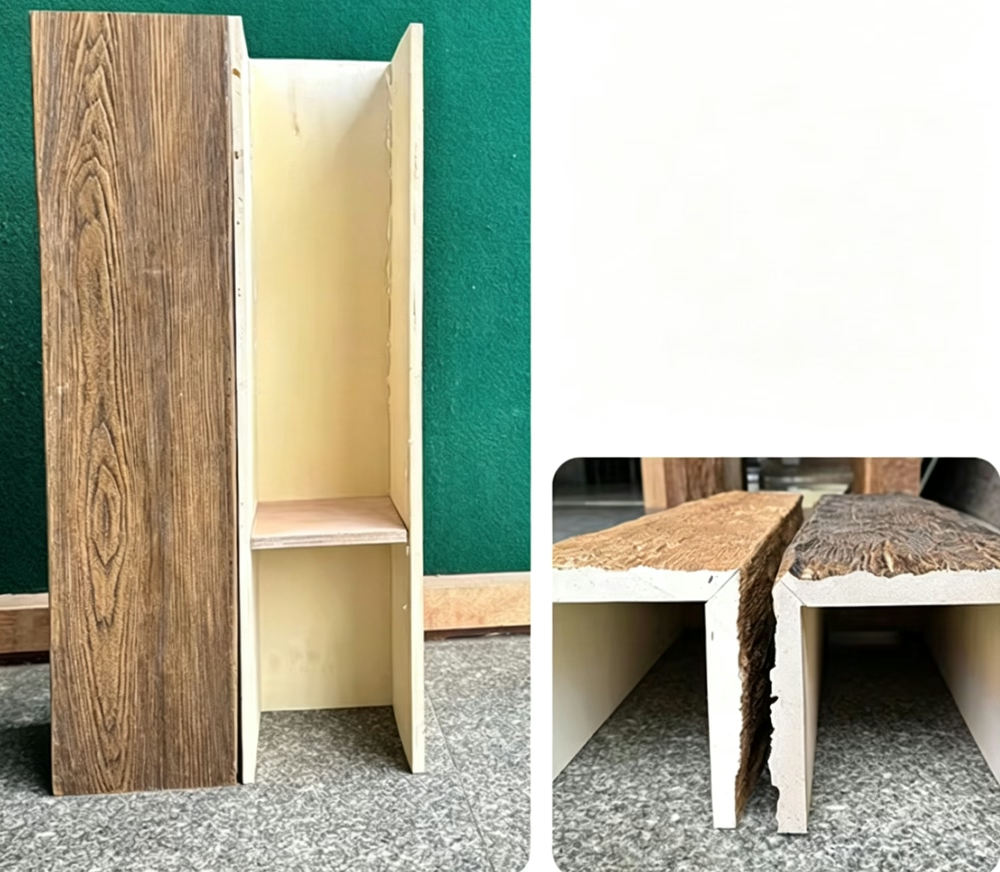
Modern polyurethane faux beams begin as carefully formulated chemical compositions that are poured or injected into precision-engineered molds. These molds are typically created from authentic wood beams, ensuring that every contour, knot, and grain variation transfers perfectly to the final product. The curing process hardens the material into a stable form that resists moisture absorption, insect damage, and the thermal expansion that plagues natural wood installations.
The density of quality polyurethane beams ranges from 30 to 45 pounds per cubic foot, providing sufficient weight to feel substantial during installation while remaining light enough for a single installer to handle beams exceeding eight feet in length. This weight-to-strength ratio represents a significant advantage over medium-density fiberboard alternatives and eliminates the structural concerns associated with genuine timber in overhead applications.
Surface treatments applied during manufacturing include protective coatings that resist UV degradation, scratching, and common household chemicals. Property developers appreciate that these beams maintain their appearance through the rigors of tenant turnover and commercial use, reducing long-term maintenance costs compared to painted drywall or exposed structural elements that require regular refinishing.
Material Composition and Environmental Benefits
The polyurethane formulations used in contemporary faux beam production increasingly incorporate recycled content, addressing environmental concerns from both manufacturing and end-of-life perspectives. Some manufacturers report that their polyurethane beams contain up to 30% post-industrial recycled materials, diverting waste from landfills while delivering consistent performance characteristics.
Unlike harvesting operations required for genuine timber, polyurethane beam production consumes no forest resources. For projects pursuing LEED certification or similar environmental standards, specifying faux beams represents a measurable contribution toward sustainable building credits. Additionally, the extended service life of polyurethane compared to natural wood—typically warrantied for decades without replacement—reduces the cumulative environmental impact across a building's lifecycle.
The lightweight nature of polyurethane beams reduces transportation fuel consumption and associated emissions. A single shipment can transport three to four times the linear footage compared to equivalent dimensional lumber, making faux beams an attractive option for remote construction sites where logistics costs significantly influence material selection.

Design Applications Across Building Types
Residential designers frequently specify faux beams for vaulted ceiling treatments where exposed structural joists would require extensive finishing work to achieve visual acceptance. The beams serve dual purposes: concealing electrical conduits, HVAC ductwork, or plumbing that would otherwise remain exposed, while simultaneously adding architectural interest that transforms cavernous spaces into intimate, character-rich environments.
Great rooms benefit particularly from beam installations that define functional zones within open floor plans. A row of beams can separate cooking areas from dining spaces without resorting to physical partitions that interrupt sightlines and natural light flow. The visual weight of beams creates psychological boundaries that residents perceive intuitively, organizing space without formal walls or screens.
Kitchen renovations frequently incorporate faux beams above islands or peninsular counters, introducing warmth that balances stainless steel appliances and stone countertops. The contrast between industrial kitchen elements and rustic beam details creates the balanced aesthetic that defines contemporary farmhouse and transitional design styles increasingly popular in residential construction.
Commercial Space Applications
Hospitality venues such as restaurants, bars, and boutique hotels have discovered the design flexibility that polyurethane beams provide. Installations in dining areas create intimate seating clusters beneath beam-divided zones while maintaining the expansive atmosphere that guests expect. The acoustic properties of polyurethane help dampen sound reflections, improving the comfortable noise levels that facilitate conversation.
Retail environments utilize faux beams to establish brand-appropriate atmospheres without the maintenance concerns associated with natural materials. Store fixtures, lighting tracks, and signage integrate seamlessly with beam installations, creating cohesive merchandising spaces that projecting brand values through architectural authenticity rather than decorative flourish.
Healthcare facilities benefit from the infection-control advantages that polyurethane beams provide. Unlike porous natural wood, quality polyurethane surfaces resist bacterial growth and withstand healthcare-grade cleaning protocols without surface degradation. The visual warmth introduced by beams counteracts the clinical aesthetic that can stress patients and visitors, supporting healing environments without compromising hygiene standards.
Installation Best Practices
Successful faux beam installation begins with accurate measurement and careful planning. Professional installers recommend creating detailed layout drawings that account for corner joints, transition points, and any penetrations required for lighting or mechanical systems. Pre-fitting all components before applying adhesive ensures that field modifications remain minimal and that the final installation proceeds efficiently.
Surface preparation significantly influences long-term performance. Installations over drywall require that the substrate be clean, dry, and free from loose material or surface contamination. Wood framing members should be sound and properly secured to structural elements. In new construction, coordinating beam installation with electrical and mechanical rough-ins prevents conflicts that might require beam modification after installation.
Mechanical fastening supplements adhesive bonding, particularly for beams spanning significant distances or installed in locations subject to vibration. Concealed bracket systems allow installers to secure beams to structural members without visible fasteners, maintaining the authentic appearance that clients expect. The combination of adhesive and mechanical fastening provides redundancy that building codes may require for overhead installations.
Finishing and Customization Options
Factory-finished beams arrive ready for installation without additional painting or staining, reducing field labor costs and ensuring consistent color application across all components. For projects requiring custom finishes, polyurethane surfaces accept most standard architectural coatings after light sanding and appropriate primer application. This flexibility allows designers to match existing woodwork or create unique color treatments that differentiate their projects.
Custom beam profiles expand design possibilities beyond standard catalog offerings. Manufacturers can produce bespoke cross-sections, custom colors, and specialized textures to fulfill unique design visions. Lead times for custom productions typically range from four to eight weeks depending on complexity, making early specification essential for projects with aggressive construction schedules.
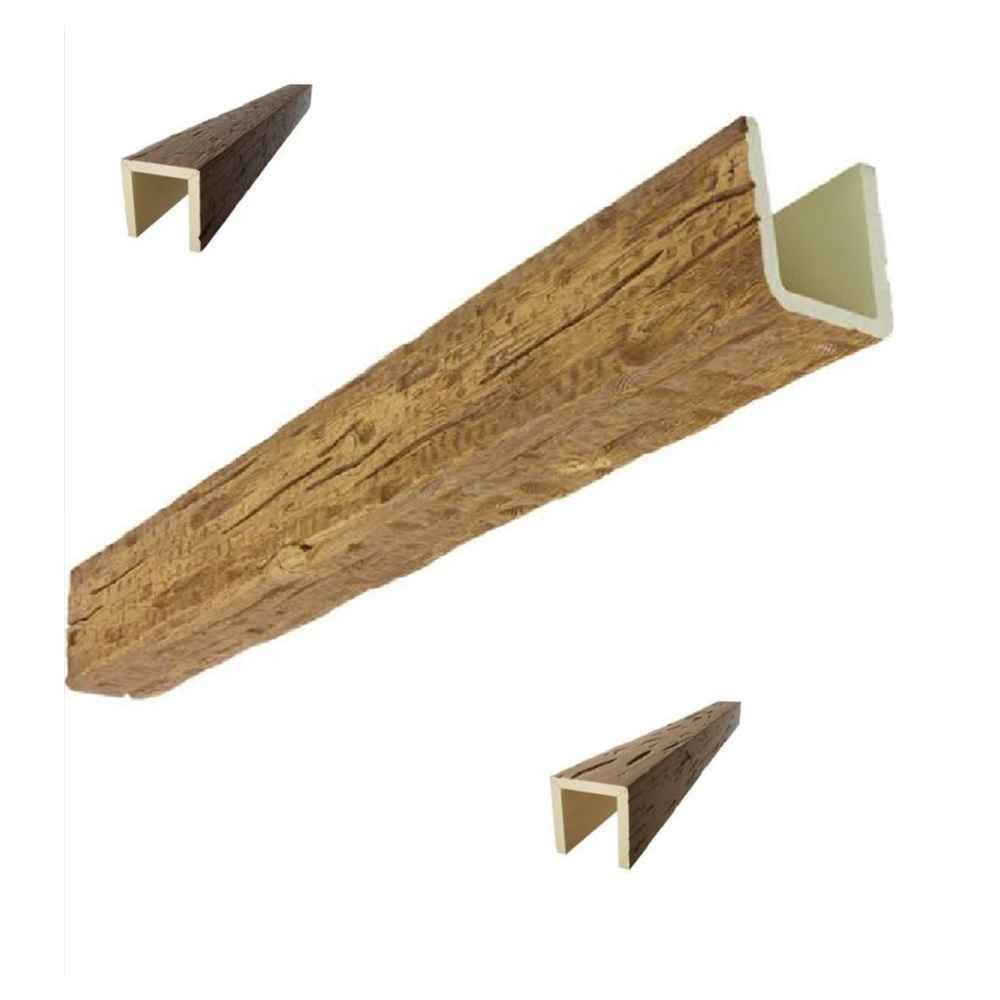
distressing techniques applied during manufacturing create authentic aging effects that distinguish premium faux beams from budget alternatives. Weathered surfaces with concentrated grain patterns, darkened crevices, and subtle color variations within single beams produce the visual complexity that makes authentic wood appealing. These characteristics transfer to polyurethane through careful mold selection and post-processing treatments that replicate decades of natural aging.
Cost Considerations and Value Analysis
Comparing faux beams to genuine timber requires examining the total installed cost rather than unit pricing alone. Natural wood beams demand specialized handling equipment, extended installation times due to weight, and ongoing maintenance including sealing and potential replacement. Polyurethane faux beams install with basic tools and minimal crew requirements, delivering immediate labor savings that substantially offset any per-unit price premium.
For ceiling applications exceeding twelve feet in length, the weight advantage of polyurethane becomes particularly significant. Structural engineering requirements for supporting genuine timber beams can add substantial costs through additional framing members, support posts, or engineered solutions. Faux beams eliminate these considerations, installing directly to standard ceiling joists or furring strips without specialized reinforcement.
The longevity comparison strongly favors polyurethane in most applications. Natural wood beams eventually require replacement due to moisture damage, insect activity, or structural degradation. Quality polyurethane carries warranties extending fifteen years or more, with service lives routinely exceeding twenty years in protected interior applications. This durability translates to lifetime cost savings that frequently make faux beams the most economical choice despite higher initial investment.
Technical References
ASTM standards cited in every specification
Test Data
Lab results from internal testing program
Updated 2026
Reviewed against current product specs


