
The architectural language of exposed beams has transcended traditional contexts to become a versatile element deployed across remarkably diverse environments. What once characterized rustic farmhouses and timber-framed structures now appears in minimalist lofts, sleek corporate headquarters, and tropical resort lobbies. This expanded utility reflects both evolving design aesthetics and the material innovations that have made polyurethane faux beams adaptable to conditions that natural timber cannot accommodate.
Modern construction increasingly demands materials that serve multiple purposes efficiently. Space constraints, budget pressures, and sustainability requirements all favor components that deliver several benefits simultaneously. Polyurethane faux beams address these demands through combinations of aesthetic quality, functional performance, and installation flexibility that single-purpose alternatives cannot match.
Residential Application Diversity
Homeowners discovered the design potential of faux beams across every room type and architectural style. Kitchens feature beams above islands and eating areas, introducing warmth that softens industrial appliance finishes and creates gathering focal points. The moisture resistance of quality polyurethane handles cooking humidity without the concerns that affect natural wood in these demanding conditions.
Bedrooms benefit from beam treatments that create intimate, cocoon-like atmospheres conducive to rest. The ceiling treatment establishes architectural character that wall treatments alone cannot achieve, transforming standard rooms into distinctive spaces with genuine identity. Master suites particularly gain from beam installations that elevate perceived quality and establish the premium atmosphere that primary sleeping spaces deserve.
Bathrooms present unique challenges for wood products due to consistent humidity exposure. Polyurethane faux beams handle these conditions reliably, providing aesthetic enhancement without the moisture damage that limits natural wood utility in wet areas. The ability to incorporate beams into bathroom design expands the stylistic vocabulary available to homeowners, enabling cohesive design approaches that would otherwise require expensive waterproofing measures.
Outdoor and Covered Space Applications
Protected outdoor spaces—covered patios, screened porches, pool enclosures—benefit from beam treatments that blur boundaries between interior and exterior. The visual warmth of wood grain adds character to spaces that might otherwise feel institutional or merely functional. Quality polyurethane formulations resist UV exposure and moisture variation that limits natural wood outdoor performance.
Sunroom construction frequently incorporates beams as primary architectural features, creating timber-framed aesthetics without the structural requirements that genuine timber framing demands. The lightweight nature of polyurethane allows installation on framing systems that cannot support genuine timber weight, enabling design possibilities that would otherwise require expensive structural modification.
Garage interiors, workshop spaces, and utility areas often receive minimal design attention despite frequent use. Beam installations in these spaces transform utilitarian environments into more pleasant working conditions, particularly in home workshop scenarios where extended time spent in these areas benefits from improved aesthetics. The durability of polyurethane handles workshop conditions including temperature variation, dust exposure, and occasional impact.

Commercial Environment Adaptations
Retail environments have embraced faux beams as cost-effective methods for establishing brand-appropriate atmospheres. High-end boutiques utilize beams to create intimate shopping environments within larger mall spaces. The architectural character distinguishes these retailers from surrounding tenants while justifying premium pricing through elevated customer experience.
Restaurant design frequently specifies beams as primary aesthetic elements, with ceiling treatments establishing thematic continuity throughout dining spaces. The acoustic benefits of textured beam surfaces prove particularly valuable in noisy dining environments where conversation comfort significantly impacts customer satisfaction. These dual-purpose installations deliver visual and functional benefits simultaneously.
Office environments incorporate beams to soften corporate aesthetics and introduce residential comfort into workplace settings. The trend toward hospitality-inspired office design has elevated expectations for workspace appearance, with beams providing warmth that improves employee satisfaction and impresses visiting clients. Modern offices balance collaborative openness with acoustic privacy, a challenge that beam installations help address through integrated treatment approaches.
Hospitality and Entertainment Venues
Hotel lobbies establish guest first impressions through architectural treatments that communicate brand values and quality expectations. Faux wood beams create the grand, welcoming atmospheres that luxury properties require while maintaining the durability that high-traffic commercial applications demand. The ability to customize beam profiles and finishes allows brand-specific treatments that differentiate properties within competitive markets.
Bar and entertainment venues utilize beams to establish distinct identities that support marketing positioning. Sports bars feature beams that reinforce casual, community-oriented atmospheres. upscale lounges incorporate beams as sophisticated design elements that support premium cocktail pricing. The flexibility of beam customization enables precise atmospheric targeting for specific demographic segments.
Convention centers and event spaces employ beam treatments to create flexible environments adaptable to diverse program requirements. The architectural character establishes baseline atmosphere while allowing furniture, lighting, and decor modifications that accommodate different event types. This flexibility maximizes facility utility across varied bookings while maintaining consistent brand presence.
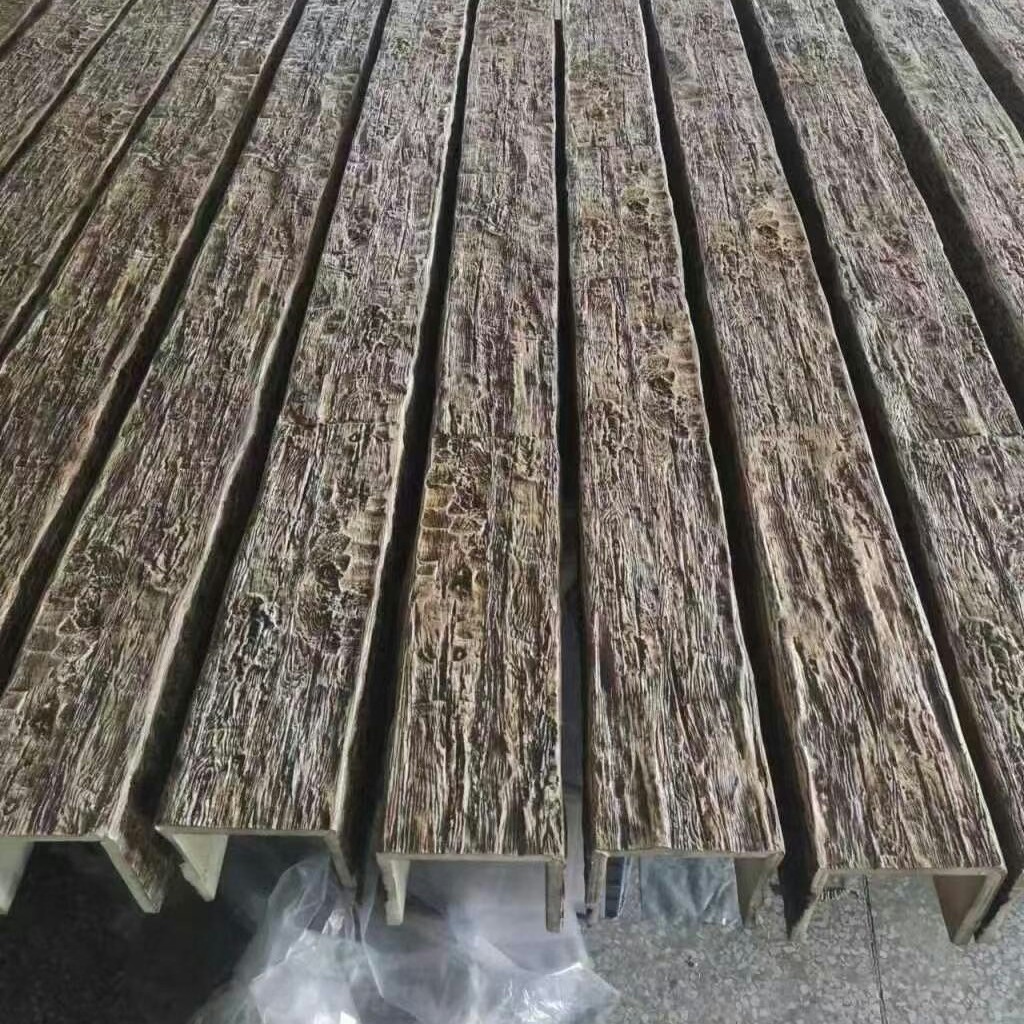
Specialty Application Scenarios
Religious spaces utilize beam treatments to create contemplative atmospheres appropriate for spiritual reflection and community gathering. The scale possibilities of faux beams allow installations that match the architectural grandeur traditional to sacred architecture while accommodating modern construction methods and budget constraints. The durability of polyurethane handles the demanding use patterns common to congregational facilities.
Educational facilities including libraries, lecture halls, and student centers incorporate beams to create warm learning environments that support academic mission. The acoustic benefits prove valuable in learning spaces where speech intelligibility directly impacts educational effectiveness. The durability handles heavy student traffic and furniture movement without surface damage requiring frequent maintenance.
Healthcare environments have discovered that beam treatments create healing atmospheres that reduce patient stress and improve staff satisfaction. The warmth and texture counter clinical sterility without compromising infection control requirements that healthcare settings impose. Custom formulations with antimicrobial properties address healthcare-specific concerns while maintaining aesthetic quality.
Historic Restoration Applications
Restoration projects frequently encounter situations where original timber beams have deteriorated beyond salvage, yet design intentions require continued beam presence. Polyurethane faux beams provide authentic appearance that matches surviving original elements, maintaining historical accuracy while ensuring long-term durability. The lightweight nature allows installation without additional structural support that might prove difficult to incorporate discreetly.
The ability to match specific wood species, grain patterns, and aging effects enables seamless integration with existing elements. Custom color matching produces results indistinguishable from original timbers when viewed from normal viewing distances. This capability proves particularly valuable in landmark properties where historical accuracy affects both aesthetic and legal considerations.
Modern interpretations of historical architecture benefit from beam treatments that reference traditional forms while accommodating contemporary construction methods. Polyurethane faux beams allow designers to explore historical vocabulary without the structural implications that genuine timber framing would impose. This freedom enables design innovation that historical authenticity concerns might otherwise limit.
Material Property Advantages
The physical characteristics of polyurethane provide advantages beyond aesthetic flexibility. The material's resistance to moisture, insects, and decay eliminates concerns that limit natural wood utility in challenging applications. Temperature stability prevents the expansion and contraction that causes natural wood to check, crack, and distort over time.
The uniform density of manufactured polyurethane eliminates the internal variations that affect natural wood performance. Knots, grain deviations, and growth abnormalities create weak points that compromise structural integrity and appearance consistency. Polyurethane faux beams deliver predictable performance across every component, eliminating the inspection and selection processes that natural wood requires.
Surface finish consistency distinguishes quality polyurethane from natural alternatives. Factory-applied finishes cure under controlled conditions, achieving adhesion and durability that field application cannot match. The resulting surfaces maintain appearance quality through years of service without the refinishing requirements that natural wood demands.
Installation Versatility
Faux beams install easily in conditions that preclude natural timber. The lightweight nature allows handling without equipment assistance, ceiling mounting without structural reinforcement, and installation in locations where weight constraints would exclude genuine timber. These capabilities expand the range of applications where beam aesthetics can be employed.
Curved and irregular surfaces that would require expensive custom milling for natural timber accept polyurethane beams through flexible sheet materials or segmented construction. This versatility enables beam treatments in spaces with architectural complexity that would otherwise preclude ceiling beam installation. The design possibilities expand correspondingly, with beam vocabulary extending to previously excluded project types.
Removable beam installations support temporary applications and evolving space requirements. Events, seasonal programs, and changing functional needs can be accommodated through beam treatments designed for repositioning or removal. This flexibility proves valuable in multi-purpose spaces where permanent installations might limit future adaptability.
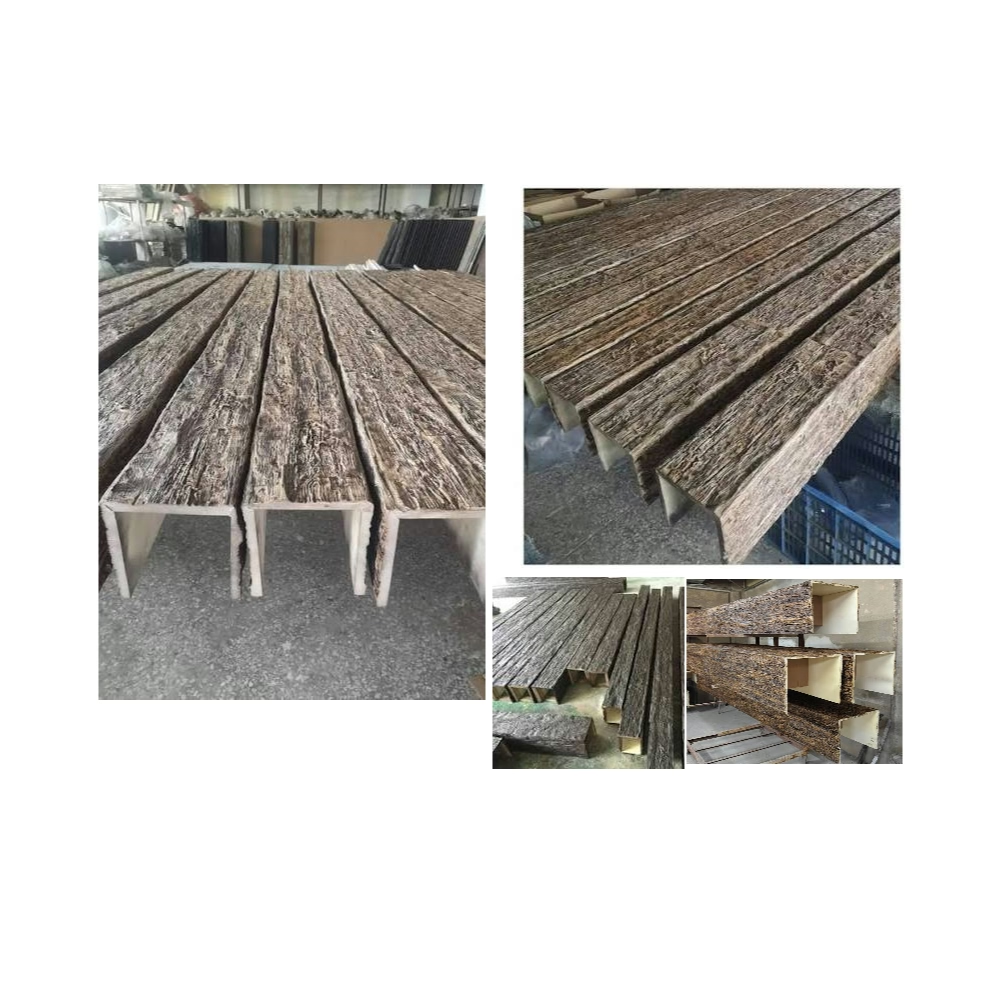
Climate and Environmental Adaptability
Regions with extreme temperature variation benefit from polyurethane's stability across operating ranges. Beams installed in unconditioned spaces—pole barns, agricultural buildings, outdoor shelters with climate control limitations—maintain appearance despite conditions that would damage natural wood rapidly. This durability extends beam utility to application types excluded by material limitations.
Coastal environments with salt exposure require materials resistant to corrosion and deterioration. Polyurethane handles salt air without the oxidation concerns that affect metal components or the moisture absorption that limits natural wood coastal utility. The material maintains appearance quality despite exposure conditions that would quickly degrade alternatives.
High-altitude installations with intense UV exposure and temperature extremes benefit from UV-stable formulations that resist degradation. Standard polyurethane may yellow and chalk under extended sun exposure, but specialized formulations maintain original appearance despite challenging conditions. Specifying appropriate formulations for specific environmental conditions ensures long-term performance.
Technical References
ASTM standards cited in every specification
Test Data
Lab results from internal testing program
Updated 2026
Reviewed against current product specs


