
The diversity of interior design themes presents manufacturers and designers with challenges that less adaptable materials cannot address. A single product line must serve rustic farmhouses, coastal retreats, urban lofts, minimalist studios, traditional Brownstones, and countless other contexts with distinct aesthetic requirements. Polyurethane faux beams meet this challenge through versatile styling that spans the full range of interior design vocabularies.
Style adaptation begins with understanding what each design theme requires from ceiling treatments. Rustic spaces demand texture, aging, and authentic character that suggests centuries of accumulated history. Contemporary spaces require clean lines, precise proportions, and understated presence that supports rather than dominates minimal aesthetics. Traditional spaces call for classic profiles that reference architectural precedents without strict historical replication.
Rustic and Farmhouse Themes
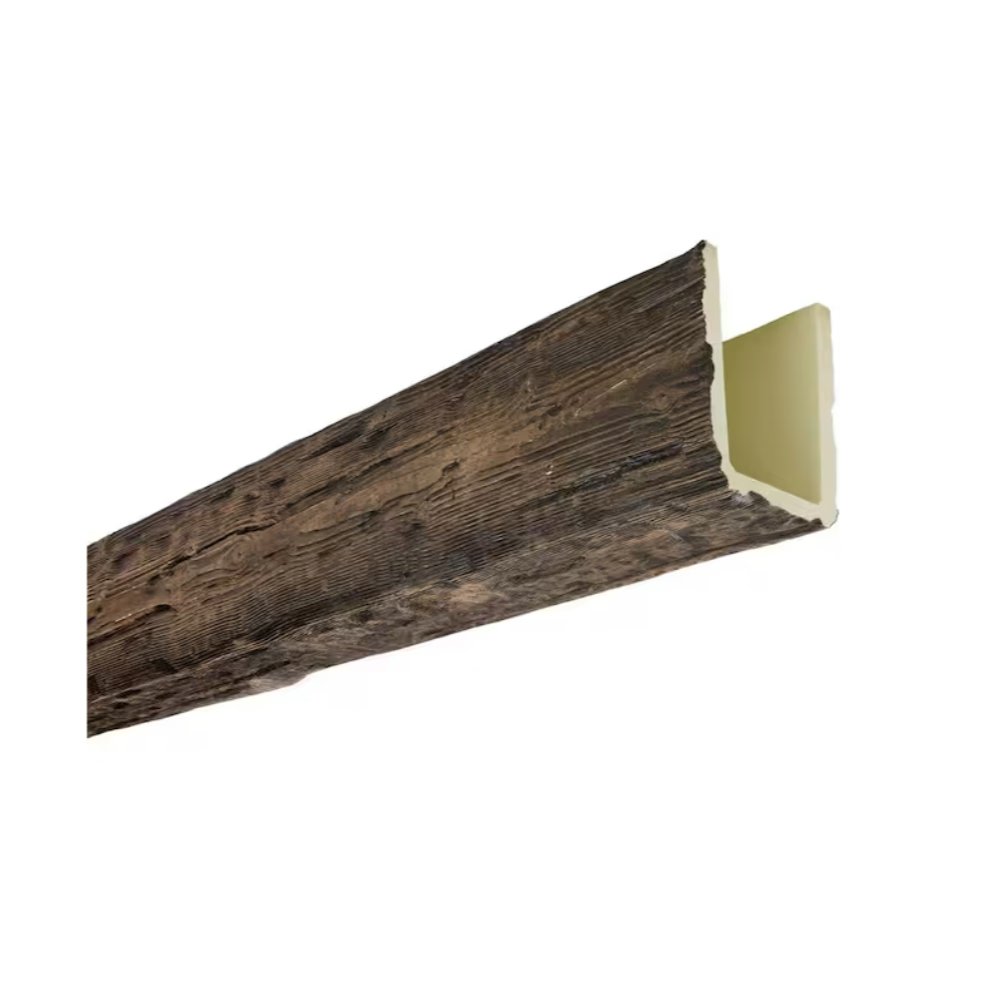
Rustic design celebrates natural imperfection, embracing the weathering, grain variation, and organic character that distinguish genuine timber from manufactured alternatives. Faux beams for rustic applications must capture these characteristics convincingly, with surface treatments that reveal authentic aging rather than merely suggesting it.
Weathered textures featuring concentrated grain patterns, darkened crevices, and color variation within single beams create surfaces that reward close inspection. The distressing must appear natural rather than applied, with effects that seem earned through years of service rather than factory manufacture. Quality products achieve this authenticity through careful mold selection and post-processing techniques.
Traditional timber profiles including hand-hewn surfaces and irregular edges reinforce rustic authenticity. The dimensional variation between beam faces that hand hewing produces cannot be achieved through modern manufacturing, but careful profiling can suggest this character convincingly. The goal is appearance consistent with rustic design intentions without demanding the expense of genuine antique timber.
Distressed and Reclaimed Appearances
Reclaimed wood aesthetics have grown increasingly popular as sustainability awareness influences design decisions. Faux beams can capture the character of reclaimed timber including nail holes, saw marks, and weathering patterns that suggest previous service lives. This character adds authenticity that contemporary materials cannot provide.
Saw kerfs and saw blade marks reference the original timber milling process, adding detail that casual observation appreciates. These marks should be subtle rather than aggressive, suggesting rather than replicating the sawing process. Overemphasis creates parody rather than authenticity.
Patina accumulation including darkened edges, concentrated weathering, and color concentration in crevices creates the impression of decades of environmental exposure. The patina should be consistent with the specific weathering pattern that different wood species exhibit, adding credibility to the reclaimed appearance.

Contemporary and Modern Themes
Contemporary design vocabularies require beam treatments that align with clean lines, minimal ornament, and geometric precision. The beams should provide architectural interest without overwhelming the restrained aesthetics that contemporary design favors. This balance demands careful attention to proportion and restraint in finish selection.
Smooth surfaces with subtle grain definition suit contemporary contexts where texture would feel inconsistent with surrounding elements. The grain should be visible upon close inspection but not dominant from normal viewing distances. This approach maintains material authenticity while respecting contemporary preferences for restraint.
Minimal profile sections create visual presence through proportion rather than detail complexity. The beam's contribution comes from its presence in the ceiling plane rather than intricate surface treatment. This simplification aligns with contemporary emphasis on essential design elements.
Monochromatic and Neutral Treatments
White and off-white painted beams suit contemporary spaces where color restraint defines aesthetic approach. The surface texture provides visual interest despite monochromatic coloring, creating depth that solid-color alternatives cannot achieve. This treatment integrates seamlessly with white ceilings while adding architectural dimension.
Gray-toned beams reference the concrete and industrial materials common to contemporary construction. The neutral coloring complements rather than contrasts with surrounding elements, establishing subtle architectural presence that supports overall design. This approach proves particularly effective in urban loft conversions.
Black beams create dramatic contrast that defines contemporary spaces through bold visual statement. The high contrast draws attention upward, establishing beams as primary focal elements. This approach works best when surrounding elements remain light and simple, allowing beam treatment to dominate visual attention.
Traditional and Transitional Themes
Traditional design references historical precedents through classical proportions, ornamental details, and familiar wood species. Faux beams for traditional applications should align with these references without strict historical replication that would feel costume-like. The goal is traditional character that feels natural rather than academic.
Classic profiles featuring crown moldings, bed edges, and coffered details suit traditional contexts where architectural ornament is expected. These profiles should reference historical precedents while accommodating modern installation requirements and manufacturing capabilities. The result bridges traditional aesthetics and contemporary construction.
Wood species selection for traditional applications typically emphasizes familiar domestic varieties including oak, cherry, and walnut. The finish should suggest natural aging rather than aggressive distressing, with patina that implies established character without suggesting neglect. This approach aligns with traditional design's respect for quality and craftsmanship.
Transitional Blend Approaches
Transitional design balances traditional and contemporary elements, requiring beam treatments that serve both contexts. The beams should not be so traditional as to feel out of place in contemporary settings, nor so modern as to clash with traditional elements elsewhere in designed spaces. This balance demands versatile styling that accommodates both vocabularies.
Simplified traditional profiles work well in transitional contexts, retaining classic proportions while eliminating excessive ornamentation. The result provides traditional character through proportion and essential detail rather than comprehensive historical reference. This approach proves effective in spaces where both traditional and contemporary elements coexist.
Neutral finishes including warm tans, soft browns, and understated stains bridge traditional and contemporary contexts. These colors align with both vocabularies, providing warmth without committing to specific stylistic position. The flexibility supports transitional design's inclusive approach.
Coastal and Mediterranean Themes
Coastal design emphasizes light, airiness, and natural materials that evoke beach environments. Faux beams for coastal applications should contribute warmth without heaviness, with finishes and textures that suggest driftwood and weathered timber rather than substantial forest timber. This lightness supports the breezy atmosphere that coastal design creates.
Bleached and washed finishes produce the sun-bleached appearance that coastal timber exhibits after extended salt air exposure. These finishes should appear natural rather than aggressively bleached, with subtle tonal variation that prevents flat appearance. The result complements whitewashed walls and light-colored fabrics common to coastal interiors.
Mediterranean themes require beams that suggest the substantial timber construction traditional to warm-climate architecture. Darker finishes with warm undertones align with Mediterranean color palettes, while profile selections reference the heavy timber traditions of Southern European building. This approach connects contemporary construction with regional architectural heritage.
Industrial and Urban Loft Themes
Industrial design embraces the raw, unfinished character of commercial and warehouse architecture. Faux beams for industrial contexts should appear substantial and unrefined, with finishes suggesting reclaimed timber from industrial buildings. The contrast between refined faux beam technology and rough industrial appearance creates the tension that industrial design embraces.
Dark stains approaching black create the dramatic, high-contrast appearance that industrial spaces favor. The darkness should suggest oiled or stained industrial timbers rather than painted surfaces, maintaining organic material appearance despite dark coloring. This approach complements exposed brick, concrete, and metal that define industrial environments.
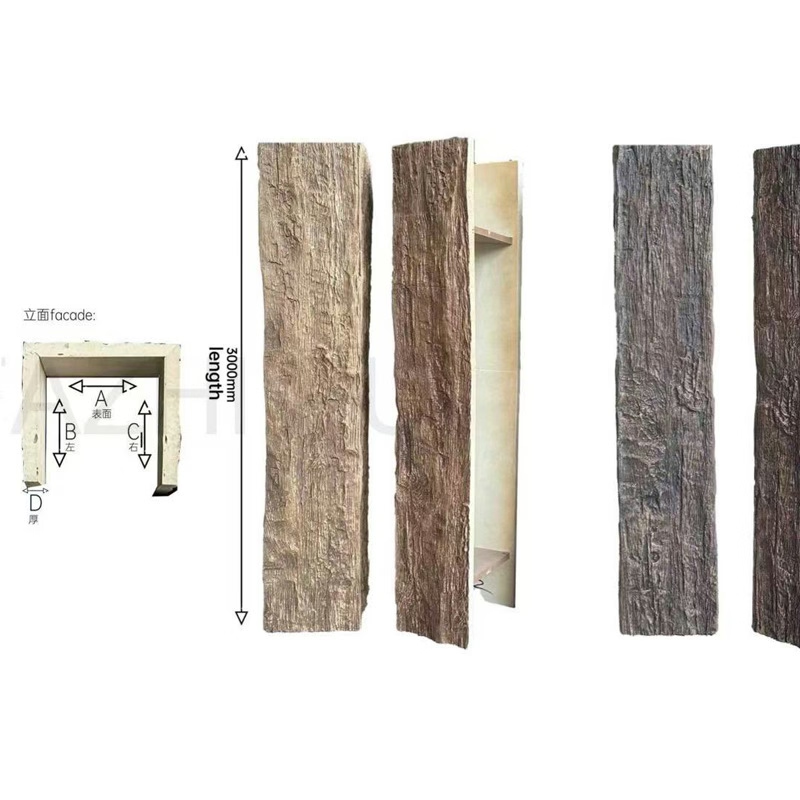
Substantial proportions ensure that industrial beam installations command appropriate presence. Small-scale treatments disappear against the large volumes that industrial spaces typically feature. The beam dimensions should relate to overall ceiling height and room volume, establishing proportional relationships that industrial aesthetics require.
Global and Eclectic Themes
Eclectic design combines elements from diverse sources without strict adherence to single stylistic vocabulary. Faux beams in eclectic contexts must accommodate varied adjacent elements while maintaining coherent presence themselves. This flexibility requires versatile styling that adapts to surrounding diversity rather than demanding specific coordination.
Pattern and texture variety within beam installations supports eclectic layering that eclectic design employs. Multiple beam styles within single spaces can create visual complexity that eclectic interiors celebrate. This approach requires careful coordination to prevent chaotic appearance, with underlying consistency maintaining overall coherence.
Cultural reference beam styling supports design approaches that draw from specific global traditions. Japanese influences might emphasize clean lines and natural finishes; Moroccan influences might incorporate intricate carved details; Scandinavian influences might favor pale finishes and simple profiles. These cultural references add meaning beyond mere decoration.
Style Selection Best Practices
Effective beam style selection begins with clear understanding of overall design intentions for spaces under consideration. The beam style should align with and reinforce design direction rather than creating visual competition with other elements. This alignment ensures that beam installation supports rather than undermines design objectives.
Sample evaluation under actual installation conditions provides the best basis for style selection decisions. Viewing samples in spaces with actual lighting, adjacent materials, and furniture allows assessment of how beams will perform in finished conditions. This evaluation prevents surprises that specification alone cannot anticipate.
Professional consultation helps navigate style selection across the range of available options. Designers with experience across diverse project types can identify appropriate approaches based on project requirements and client preferences. This expertise proves particularly valuable for projects with complex stylistic requirements or challenging existing conditions.
Technical References
ASTM standards cited in every specification
Test Data
Lab results from internal testing program
Updated 2026
Reviewed against current product specs


