
The interior design industry has witnessed remarkable convergence between previously distinct stylistic categories. Farmhouse aesthetics appear in urban apartments; industrial elements populate suburban homes; minimalist sensibilities influence traditional restorations. This stylistic fluidity demands materials that adapt across contexts rather than serving narrow application categories. Polyurethane faux ceiling beams have emerged as exemplars of this adaptive capacity, delivering appropriate character whether installed in rustic cabins or contemporary penthouses.
The versatility of these beams stems from manufacturing capabilities that produce remarkably diverse appearances from common material foundations. The same polyurethane formulations accept finishes ranging from rough-hewn authenticity to sleek contemporary refinement. This adaptability eliminates the need for different material families to serve different stylistic requirements, simplifying procurement while ensuring consistent quality across applications.
Understanding Style Versatility
Style versatility in beam products results from the interaction between material characteristics and manufacturing techniques. Polyurethane's ability to accept detailed surface textures enables authentic replication of various wood species and aging patterns. The same base material can appear as weathered barn timber or polished contemporary element depending on surface treatment.
The consistency of manufactured materials eliminates the variability that natural wood exhibits between specimens. While natural wood character varies unpredictably, polyurethane beams deliver uniform appearance across all components. This consistency supports precise design implementation that natural materials cannot guarantee.
Finishing flexibility allows identical beam products to serve different applications through color and texture variation. A single beam profile can receive different finishes that align with varied design schemes. This flexibility multiplies the effective range of any given product, enabling inventory efficiency that multiple product families would not permit.
Profile Versatility Across Styles
Standard beam profiles accommodate diverse styling through proportions and details that adapt to different contexts. The same basic profile can suggest traditional craftsmanship through traditional finishing, or contemporary sensibility through modern treatment. This adaptability eliminates the need for style-specific tooling that would increase costs and complexity.
Custom profile creation enables precise alignment with specific design requirements that standard products cannot satisfy. Architectural millwork reproduced in polyurethane gains the material benefits of manufactured production while maintaining authentic profile characteristics. This reproduction capability expands the design possibilities available to projects with unique stylistic requirements.
Ornamental components including corbels, braces, and end treatments extend profile versatility through complementary elements. These accessories enable beam installations that address traditional requirements while utilizing modern material advantages. The combination of versatile beams with complementary ornaments addresses applications across the stylistic spectrum.

Residential Style Applications
Mid-century modern interiors feature beam treatments that align with the clean lines and organic forms characteristic of this influential period. Beam profiles should reference mid-century timber construction through proportions and minimal ornamentation. The finishes typically emphasize natural wood tones with subtle grain definition that supports rather than dominates the overall composition.
Scandinavian design principles influence beam specification through emphasis on simplicity, functionality, and natural materials. Beams should contribute warmth without heaviness, with pale finishes that brighten spaces and light-colored woods that align with Scandinavian color palettes. The treatment should feel essential rather than decorative, supporting the purposeful aesthetic this design approach values.
Japanese-influenced interiors incorporate beams that reference traditional Japanese architecture through proportions and detail restraint. The beams should provide structural presence while maintaining the visual lightness that Japanese aesthetics prefer. Natural finishes with subtle grain expression align with the material authenticity that Japanese design celebrates.
High-End Residential Applications
Luxury residential design requires beam treatments that communicate quality through materials, execution, and attention to detail. The beams should appear as custom millwork rather than manufactured product, with finish quality, joinery precision, and installation excellence that justify premium positioning. Every visible detail should reflect the investment that luxury design represents.
Primary residence applications feature beams that establish architectural character throughout homes rather than in isolated installations. The consistent treatment across multiple rooms creates unified design language that ties spaces together. This comprehensive approach requires materials and installation quality that maintains consistency across extended installations.
Vacation home applications may require beam styling that differs from primary residence expectations. Mountain retreats might emphasize rustic authenticity; beach houses might prefer light, coastal finishes; desert properties might incorporate southwestern influences. The versatility of polyurethane beams accommodates these varied requirements within unified product lines.
Commercial Style Adaptations
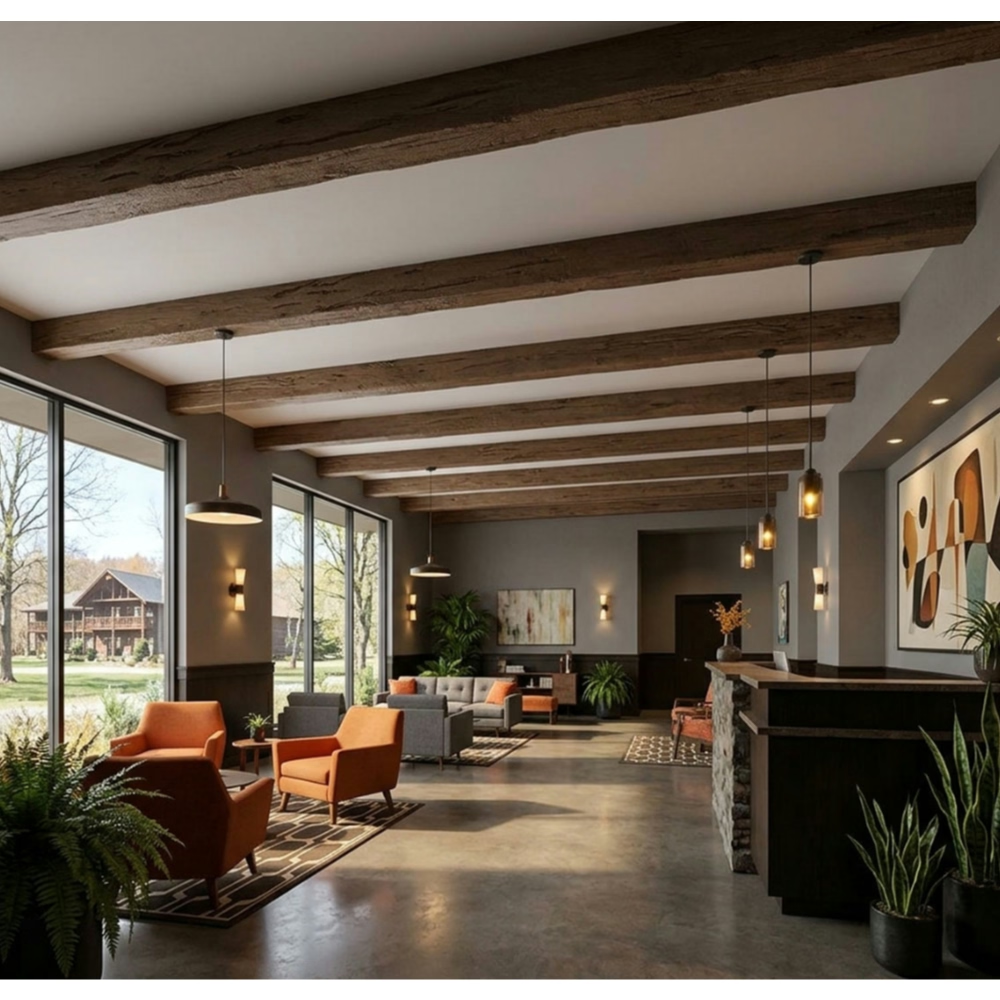
Boutique hotel design employs beams as brand expression tools that differentiate properties in competitive markets. The beam styling should align with brand positioning, whether that emphasizes casual comfort, sophisticated luxury, or distinctive character. This alignment ensures that beam treatment contributes to brand identity rather than existing as independent decoration.
Upscale restaurant design utilizes beams to create atmospheres that justify premium pricing and support dining experiences. The styling should align with cuisine type, target demographic, and overall brand positioning. A farmhouse restaurant benefits from rustic beam treatment; a contemporary establishment requires sleek modern styling; a traditional venue calls for classic beam profiles.
Spa and wellness environments feature beams that support relaxation and healing objectives through appropriate atmospheric contribution. The styling should feel natural and grounding, with warm wood tones and organic textures that connect occupants with natural environments. This approach aligns with wellness design principles that emphasize biophilic connection.
Retail and Entertainment Applications
Flagship retail environments employ beams to create distinctive shopping atmospheres that justify premium pricing and support brand positioning. The beam styling should align with merchandise character and target customer demographics. A heritage brand might feature traditional beam treatment; a contemporary brand might prefer modern styling; a luxury brand might require ultra-refined execution.
Entertainment venues including theaters, concert halls, and event spaces utilize beams to create dramatic atmospheres appropriate for performances and gatherings. The styling may reference historical performance venues through traditional treatment, or establish contemporary identity through modern styling. Either approach supports the entertainment objectives these spaces serve.
Corporate headquarters and professional offices incorporate beams as alternatives to suspended ceilings that dominate commercial construction. The styling should align with corporate culture and brand positioning, whether that emphasizes innovation, stability, creativity, or other characteristic values. This alignment reinforces brand identity through architectural expression.
Style Coordination Principles
Successful beam styling integrates with surrounding design elements through appropriate color, texture, and proportion relationships. The beams should feel as though they belong in their contexts rather than appearing as arbitrary additions. This belonging requires understanding of how beams interact with walls, floors, furniture, and decorative elements.
Color coordination ensures that beam finishes align with established color palettes without creating jarring contrast or exact matching that eliminates visual separation. The goal is complementary relationship where beams enhance surrounding elements while maintaining distinct presence. This balance typically requires careful finish selection and sometimes custom color matching.
Scale relationships between beams and surrounding elements determine whether installations appear appropriately proportioned. Oversized beams in small spaces overwhelm; undersized beams in large spaces disappear. Understanding these relationships prevents the most common beam styling failures and ensures installations that achieve intended effects.
Finish Selection for Style Requirements
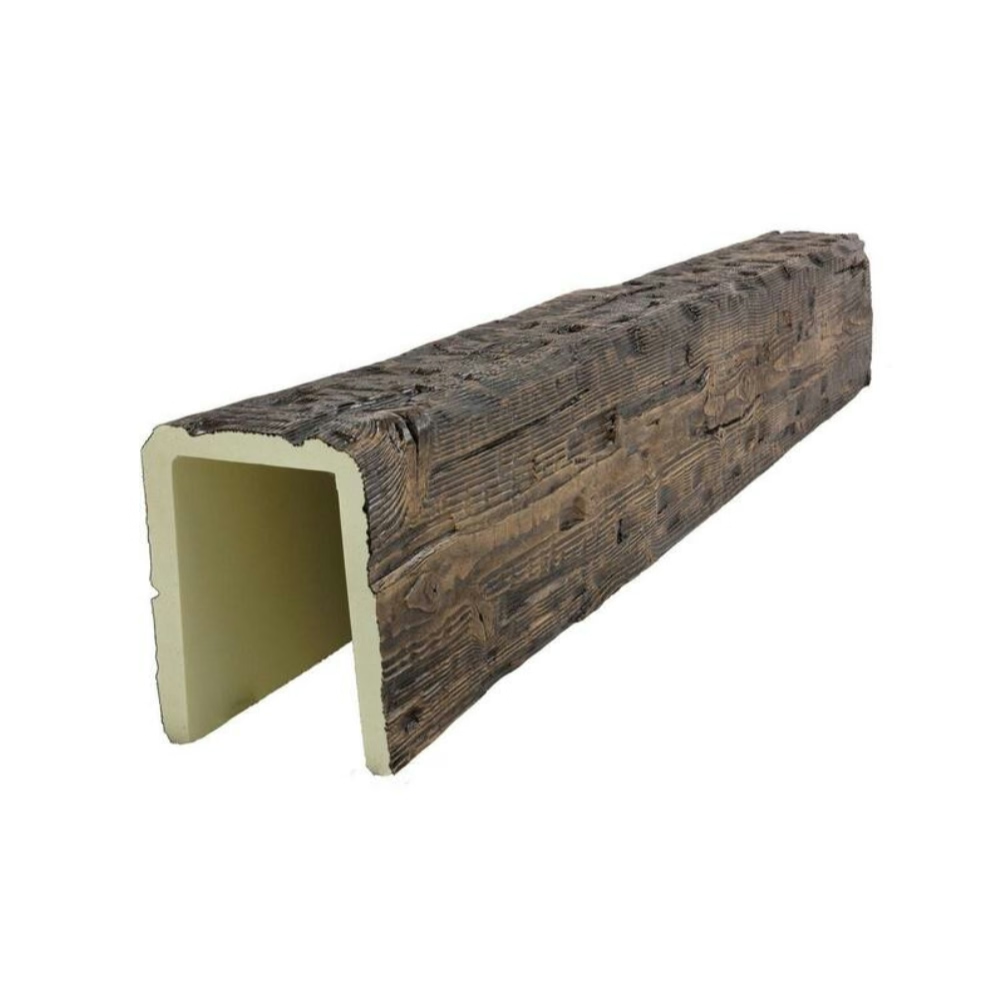
Wood-tone finishes serve traditional and rustic contexts where authentic timber appearance supports design intentions. The specific wood species, stain color, and aging treatment should align with the style requirements of specific applications. Oak, walnut, cherry, and pine each communicate different character through their natural appearances.
Painted finishes accommodate contemporary and transitional contexts where color rather than wood character provides aesthetic contribution. White and off-white painted beams brighten spaces while adding architectural dimension. Bold painted colors create dramatic focal elements that command attention in designed spaces.
Natural finish options that expose polyurethane material appearance serve contemporary contexts where material authenticity aligns with design intentions. These finishes typically feature subtle coloration that suggests wood without detailed grain replication. The approach suits minimalist contexts where restraint defines aesthetic quality.
Professional Style Guidance
Interior design professionals bring expertise in style assessment and beam specification that ensures appropriate selection for specific applications. The investment in professional guidance often proves economical through avoided specification errors and enhanced outcomes. This expertise proves particularly valuable for projects with complex styling requirements.
Design consultations with beam manufacturers or authorized representatives provide technical guidance on product capabilities and appropriate applications. These consultations help identify products that align with design intentions while satisfying performance requirements. The manufacturer expertise complements design professional creativity.
Sample programs enable evaluation of beam products in actual installation conditions before final specification commitment. Viewing samples with specific lighting, adjacent materials, and furniture provides assessment basis that specification alone cannot provide. This evaluation investment prevents costly specification errors.
Specification Documentation
Complete specification documentation ensures that design intentions translate accurately into finished installations. The documentation should include profile selections, finish specifications, mounting methods, and arrangement requirements. This documentation guides procurement and installation while supporting quality verification.
Material specifications should reference specific products, finishes, and quantities that enable accurate procurement. General references to beam types can result in substitutions that compromise design intentions. Specific product references ensure that delivered materials match specified requirements.
Finish specifications should include color codes, finish names, and sample references that enable accurate matching during procurement and installation. The documentation should account for finish variations between production batches that might affect appearance consistency. Sample verification ensures that ordered materials match specification expectations.
Technical References
ASTM standards cited in every specification
Test Data
Lab results from internal testing program
Updated 2026
Reviewed against current product specs


