The vocabulary of interior design includes surprisingly few elements that can claim true universal applicability. Most design choices are context-dependent: a certain color palette suits a bedroom but not a kitchen; a particular furniture style works in a dining room but not a home office. Decorative beams, however, occupy a rare category of interior element that can perform effectively across an extraordinary range of settings, styles, and scales. When those beams are manufactured in multiple styles from polyurethane, the combination of stylistic variety and practical performance creates a product range of remarkable breadth.
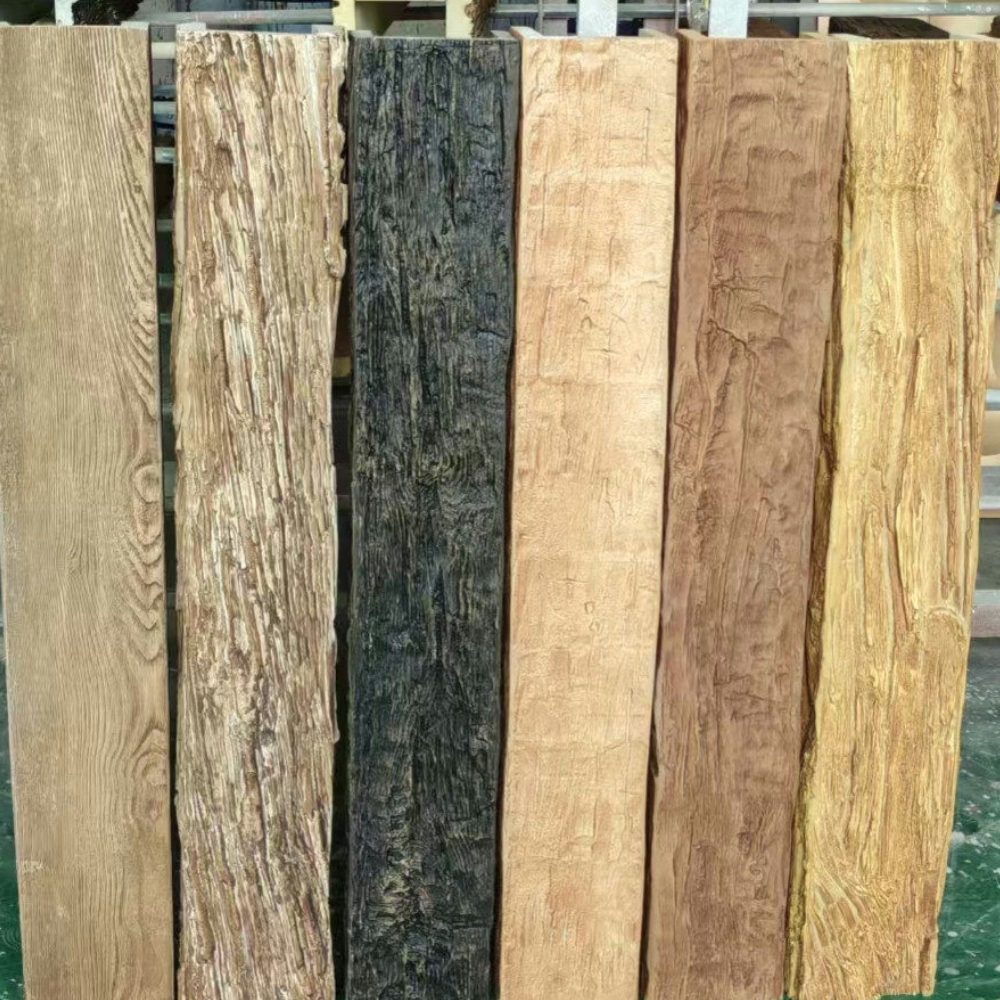
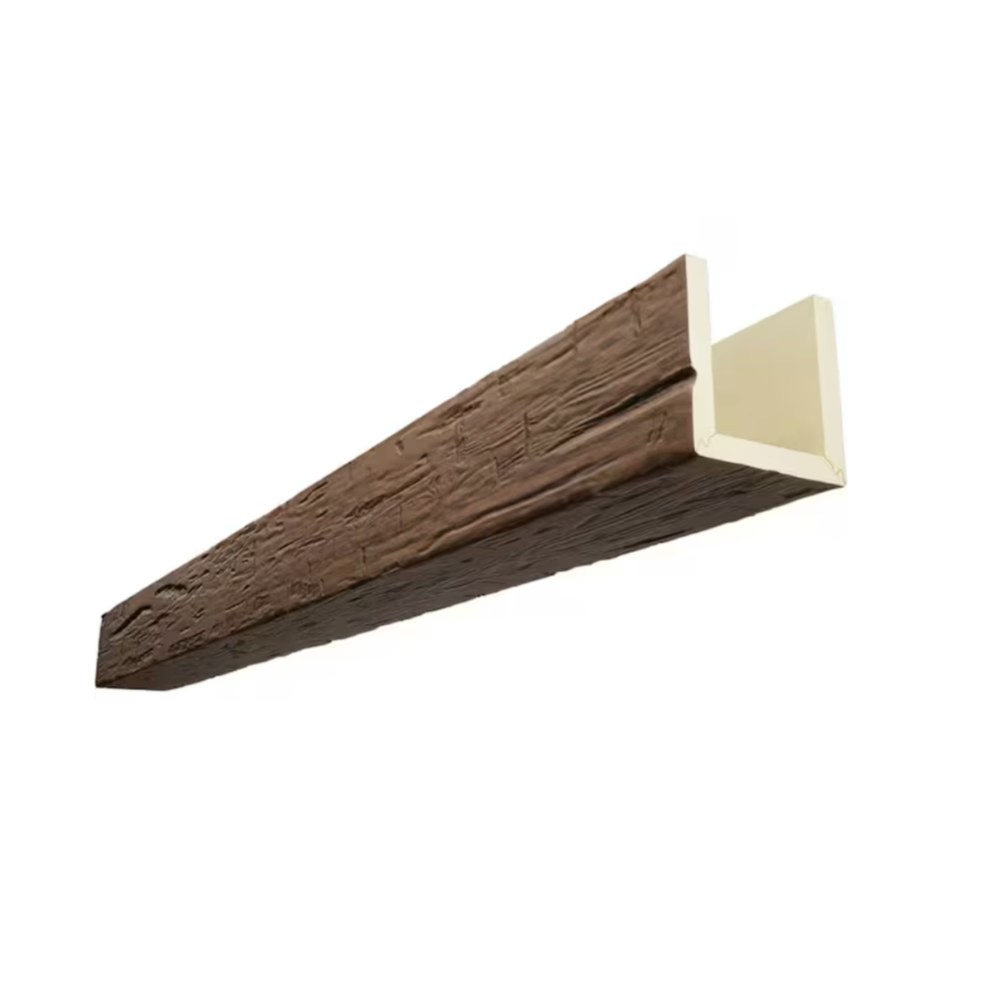
Multi-style decorative polyurethane beams encompass everything from rough-hewn rustic timbers with pronounced saw marks and deep grain to sleek, contemporary profiles with smooth surfaces and sharp geometric lines. Between these extremes lies a spectrum of transitional styles — farmhouse beams with subtle distressing, craftsman beams with hand-crafted detailing, traditional beams with carved molding profiles — that serve as bridges between different aesthetic vocabularies. This diversity means that regardless of whether a project calls for a mountain lodge, a mid-century modern living room, or a minimalist hotel lobby, there exists a polyurethane beam style suited to the task.

The Range of Available Beam Styles
Understanding the range of decorative beam styles available in polyurethane requires moving beyond the simple binary of "rustic" versus "contemporary." Within the rustic category, for instance, there are meaningful distinctions between beams that replicate hand-hewn timber — with visible axe marks and irregular surfaces — and those that mimic sawn lumber with more regular, machine-produced texture. The former tends toward historical authenticity and artisan character; the latter reads as more straightforwardly country or farmhouse.
The transitional category contains some of the most versatile options. A beam with a well-defined edge profile and medium-depth grain texture can function comfortably in interiors ranging from coastal farmhouse to updated craftsman to contemporary with organic influences. The key characteristic of these versatile styles is their restraint: they contain enough wood character to read as genuine timber but are refined enough in execution to avoid the extremes that limit a style's applicability.
Contemporary and modern beam styles strip away most of the wood-grain narrative in favor of clean geometry and subtle texture. These beams may have a wood-grain pattern so fine or muted that it reads more as material authenticity than active pattern. The profiles are crisp, the edges sharp, and the overall effect one of considered simplicity. In modern interiors, these beams add warmth without introducing visual noise that would compete with the clean lines and neutral palette typical of contemporary design.
Material Performance Across Settings
The practical advantages of polyurethane as a beam material become apparent when the product is deployed across the wide variety of interior settings it is designed to serve. Each setting brings its own environmental challenges — humidity fluctuations in bathrooms and kitchens, temperature variations near windows and skylights, heavy use in commercial corridors and hospitality venues — and polyurethane's performance characteristics address each of these challenges directly.
Moisture resistance is perhaps the most significant practical advantage. Real wood beams, even those made from naturally durable species, can absorb moisture from the surrounding air, leading to swelling, warping, or in severe cases, mold growth. Polyurethane absorbs essentially no moisture, making it an ideal material for bathrooms, kitchens, laundry rooms, and any other space where humidity is a regular presence. This resistance extends to covered outdoor applications as well, where beams may be exposed to rain and temperature extremes that would quickly degrade natural wood.
Dimensional stability is equally important in environments with significant temperature variation. Real wood expands and contracts with temperature changes, and over many cycles, this movement can cause beams to check, split, or pull away from their mounting surfaces. Polyurethane maintains its dimensions across a wide temperature range, ensuring that installed beams remain securely positioned and visually consistent year after year.
Impact resistance is a practical consideration in busy commercial environments and family homes with active children. Polyurethane's slight resilience gives it better resistance to accidental impacts than rigid real wood, which can dent, chip, or crack under sudden loads. The surface of a polyurethane beam can be repaired with filler and touch-up finish if needed, and the repair is typically less noticeable than a comparable repair in real wood.
Selecting the Right Style for Each Room
While multi-style versatility is a virtue of the product category as a whole, effective interior design requires matching specific beam styles to specific room types and functions. A bedroom calls for a different aesthetic than a kitchen, and a hotel lobby requires different characteristics than a restaurant dining room. Understanding these relationships helps ensure that beam installations enhance rather than undermine the intended atmosphere of each space.
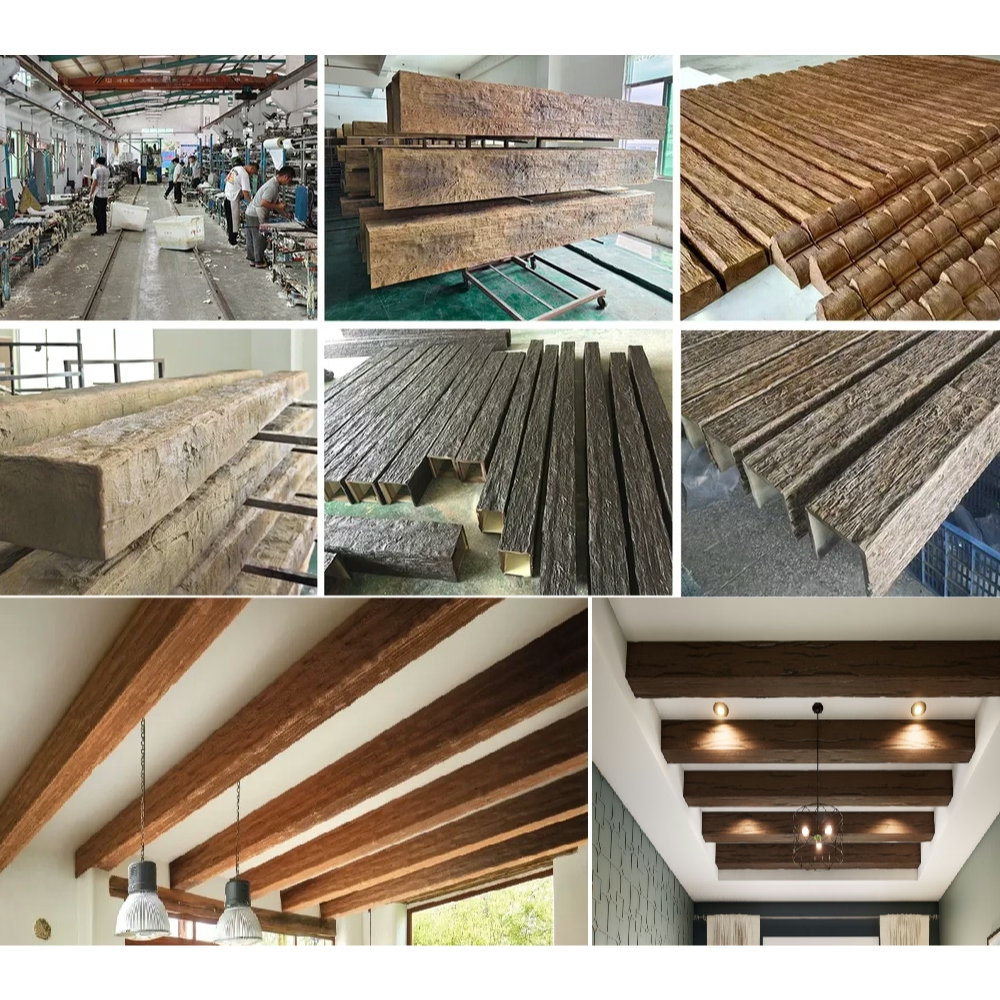
Residential living spaces — living rooms, family rooms, and great rooms — are among the most forgiving environments for decorative beams. These spaces typically support a wide range of beam styles, from rustic to transitional, and the choice can be guided by the overall interior design direction. A room furnished with farmhouse-style pieces will be served well by a rustic beam with pronounced texture and character marks. A room with contemporary furniture and clean lines will benefit from a more refined beam profile that complements rather than conflicts with the existing aesthetic.
Kitchens present a more specific set of requirements. The combination of cooking moisture, grease particles in the air, and frequent cleaning makes surface durability and cleanability important considerations. Beams with smooth or semi-smooth finishes clean more easily than heavily textured rustic beams, making transitional and contemporary styles more practical for kitchen installations. Any beam installed over a cooking surface should also be positioned high enough to avoid direct exposure to steam and grease.
Bedrooms benefit from beams that contribute to a sense of comfort and relaxation. Warmer wood tones — honey, amber, chestnut — tend to create more inviting atmospheres in sleeping spaces than cooler tones like gray or bleached wood. The beam profile should be proportional to the room's ceiling height and overall scale, avoiding both overwhelming the space with oversized beams and disappearing into it with undersized ones.
Commercial and Hospitality Applications
Commercial interiors push decorative beams into more demanding roles, where they must perform not only aesthetically but also in terms of durability, fire safety, and compatibility with building systems. Polyurethane beams address these requirements through material engineering and finishing options that meet or exceed commercial building codes.
Fire retardancy is a critical requirement in many commercial applications. Polyurethane beams can be manufactured with fire-retardant additives that reduce their flame spread and smoke development characteristics, bringing them into compliance with the fire codes that govern commercial interiors. Specifying fire-retardant beams is essential for installation in restaurants, hotels, theaters, and other public assembly spaces where code compliance is strictly enforced.
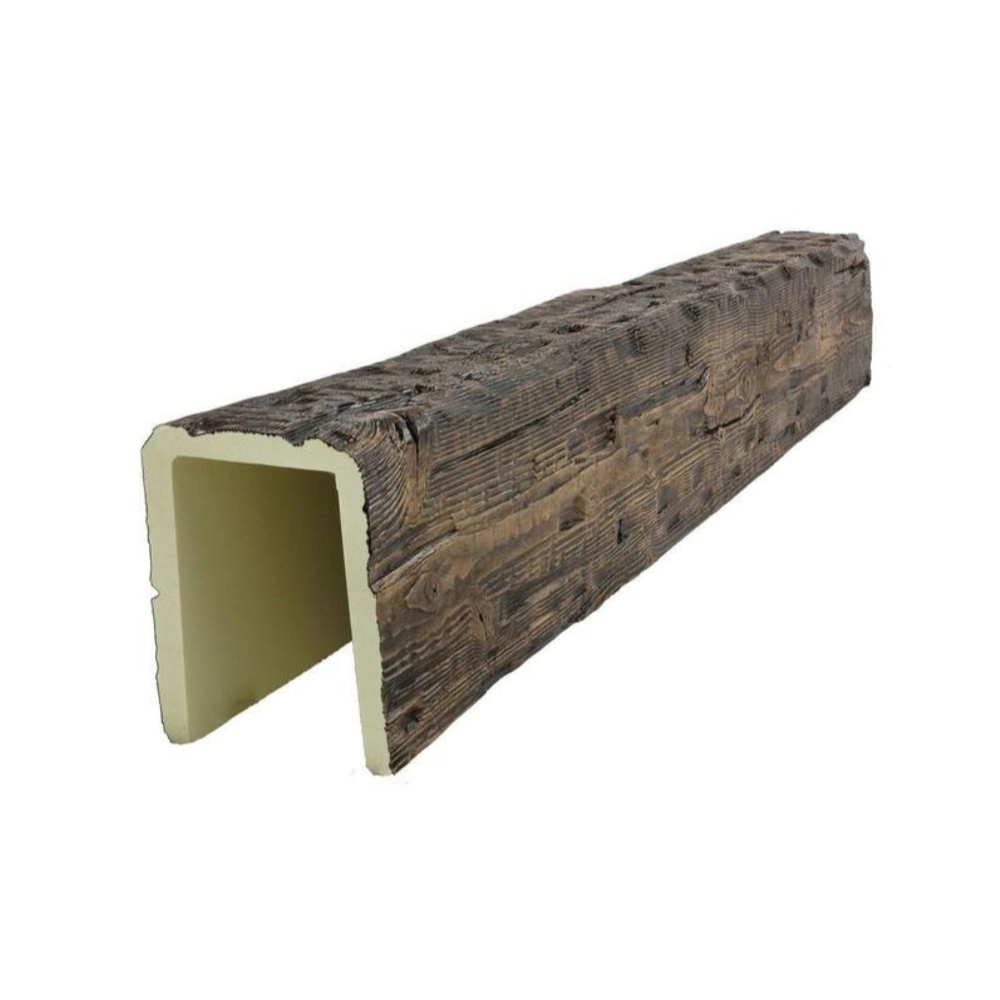
In hospitality environments, decorative beams serve as key elements of brand identity and guest experience. A boutique hotel that wants to communicate rustic luxury will specify beams with rich, deep wood tones and substantial, character-rich profiles. A contemporary restaurant aiming for urban sophistication might choose smooth, light-toned beams that add warmth without overwhelming the minimalist design. The multi-style range available in polyurethane ensures that every brand narrative can find its appropriate expression.
Retail environments present unique challenges for decorative beams. The ceiling in a retail space must often accommodate track lighting, signage hardware, security cameras, and sprinkler systems while maintaining a visually appealing appearance. Polyurethane beams can be manufactured with integrated channels and mounting provisions that accommodate these elements without disrupting the wood-beam aesthetic, and their lightweight nature simplifies the engineering required to suspend additional loads from the beam installation.
Budget Considerations Across Project Types
Multi-style decorative polyurethane beams offer a cost structure that makes high-quality ceiling aesthetics accessible across a wide range of project budgets. For residential projects, where budget constraints often limit design ambition, polyurethane beams provide a way to achieve the warmth and character of timber construction at a fraction of the cost. A complete living room beam installation that would cost thousands of dollars in real timber can often be accomplished for a few hundred dollars in polyurethane.
Commercial projects benefit from the same cost advantage at larger scale. A hotel with dozens of guest room corridors or a restaurant with multiple dining areas can apply decorative beam treatments consistently across all spaces without the budget implications of equivalent timber construction. This consistency of aesthetic application can be a significant factor in brand coherence and guest experience quality.
The long-term value proposition of polyurethane beams also favors budget-conscious buyers. Because they resist moisture, insects, and dimensional change, they do not require the periodic maintenance — sealing, refinishing, pest treatment — that real wood beams demand. Over the life of a commercial installation, this reduced maintenance translates into ongoing cost savings that compound the initial material cost advantage.
Technical References
ASTM standards cited in every specification
Test Data
Lab results from internal testing program
Updated 2026
Reviewed against current product specs