The ceiling is the most underutilized surface in most interior spaces. Walls receive the full treatment — paint, wallpaper, paneling, art, shelving — while ceilings remain blank canvases, typically finished in a neutral flat paint that recedes from attention. Yet the ceiling occupies the highest position in the room, visible from every vantage point and defining the overhead boundary that shapes how we experience enclosed space. Decorative beams are among the most effective tools for transforming the ceiling from a neglected surface into a compelling design element, and multi-style PU decorative beams make this transformation accessible across every interior aesthetic and budget.
The word "multi-style" in this context refers to more than mere variety in appearance. It describes a deliberate manufacturing and design philosophy that produces beams in genuinely distinct aesthetic registers — each with its own character, appropriate applications, and design logic — while maintaining the consistent material quality and installation characteristics that make the product category practical for professional specification and DIY installation alike.

Defining the Style Spectrum
The style spectrum for decorative beams can be conceptualized as a continuum from raw authenticity to refined simplicity, with several recognized stations along the way. Understanding these stations and what they represent helps designers and buyers make informed selections that serve their specific aesthetic goals.
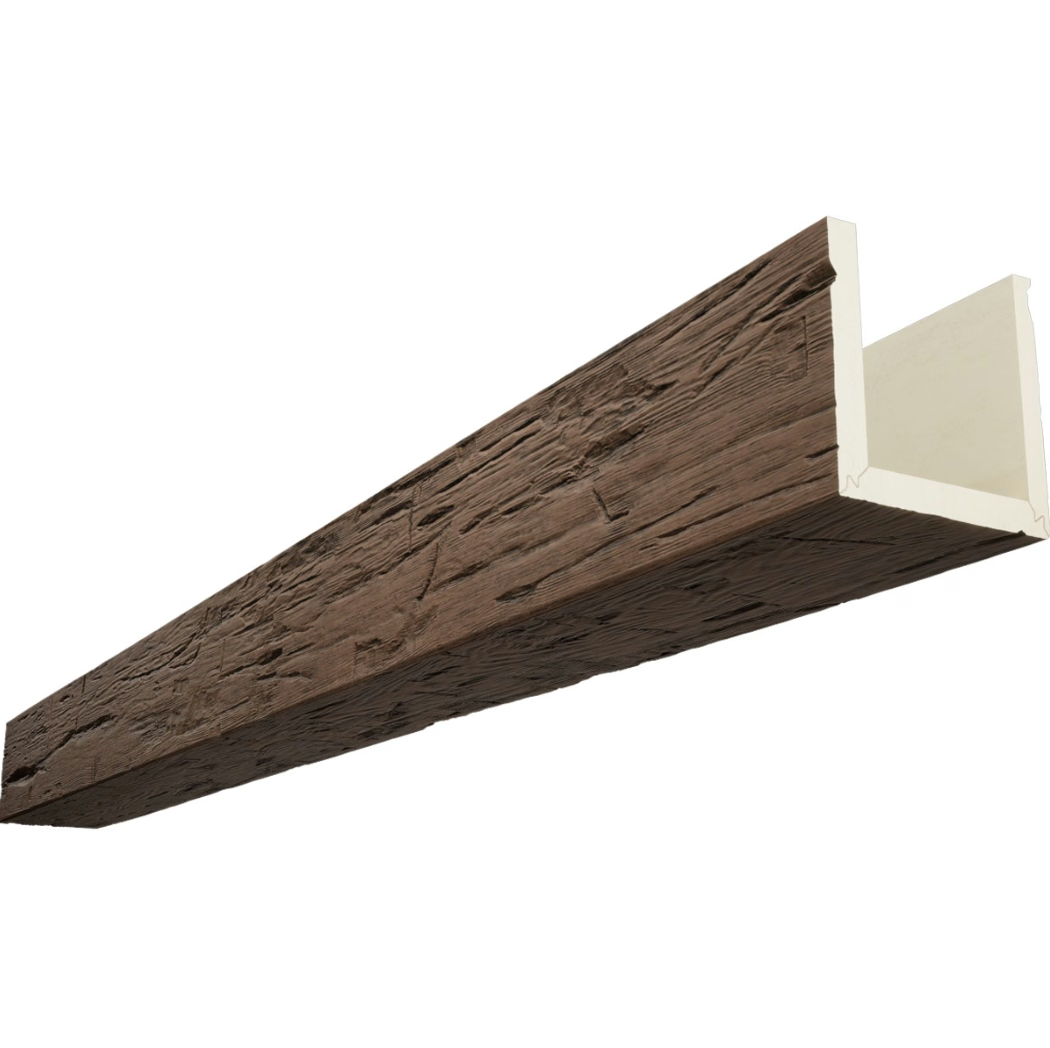
At the rustic end of the spectrum are beams that seek to replicate the appearance of weathered, aged timber with all the imperfections and character marks that imply. These beams feature deep, varied grain patterns, pronounced texture, and color variation that suggests years of exposure to sunlight and temperature change. Knots, checking, and edge chipping are common details. The overall effect is one of genuine historical authenticity — as though the beams were reclaimed from an old barn or mill building. These styles are most appropriately used in spaces that embrace imperfection as a design virtue: mountain lodges, rustic farmhouses, artisan restaurants, and country inns.
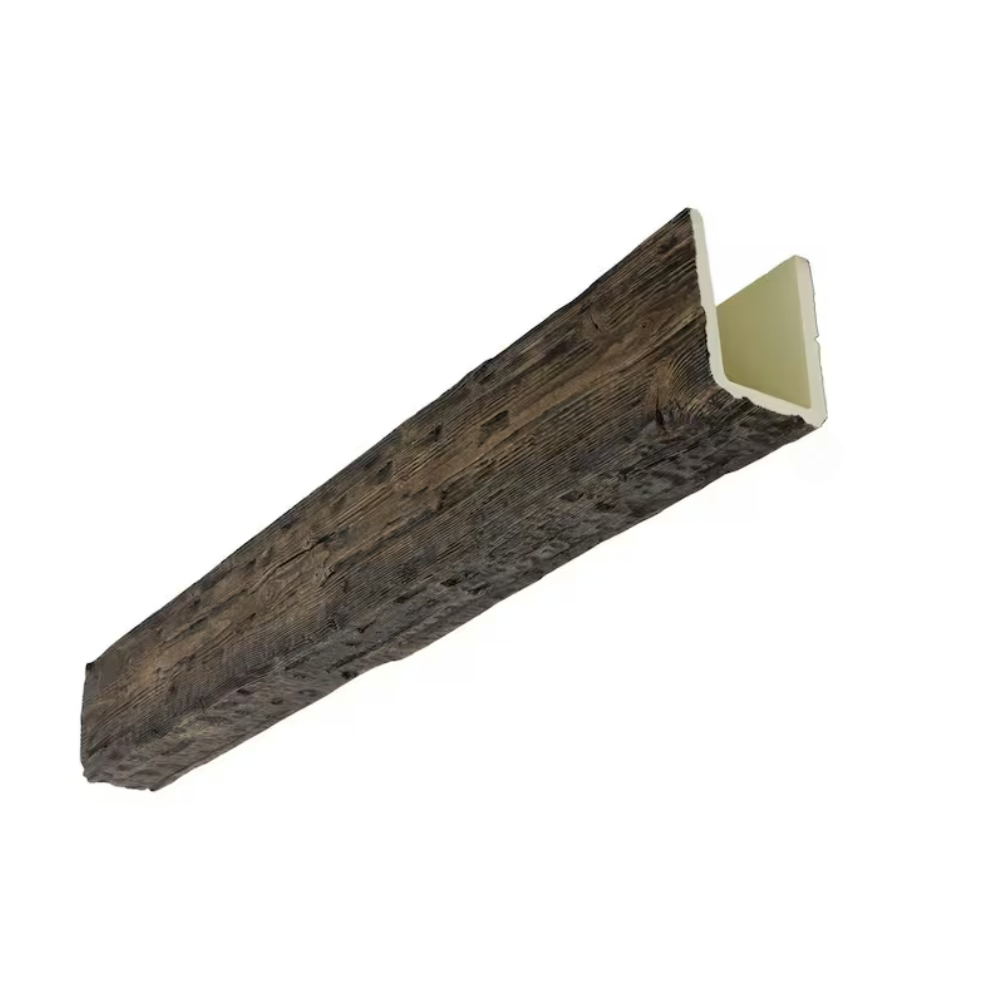
Moving toward the center of the spectrum, transitional styles blend authentic wood character with refined execution. These beams have visible and appealing grain patterns, but the texture is moderated, the edges more consistent, and the overall finish more carefully controlled than rustic styles. Transitional beams work in a wide variety of contexts, from updated farmhouses to contemporary homes with organic design influences. They are the most broadly applicable styles in the product range, serving as reliable default choices when a project's aesthetic direction is not yet fully defined.
Contemporary styles occupy the refined end of the spectrum. These beams prioritize clean geometry, minimal texture, and color precision over wood-grain authenticity. They may have a wood-grain pattern, but it is subtle and refined — more suggestion than statement. Contemporary beams are designed for modern interiors where the vocabulary of clean lines, restrained ornamentation, and material honesty prevails. They add warmth and organic character to spaces that might otherwise feel cold or industrial.
The Manufacturing Advantage of Polyurethane
The range of styles available in PU decorative beams is made possible by the unique manufacturing characteristics of polyurethane foam. Unlike wood, which is a natural material with inherent variability, polyurethane is manufactured through a controlled chemical process that produces consistent, predictable results. This consistency enables precise control over every aspect of the beam's appearance — texture depth, profile accuracy, color consistency — at a scale and efficiency that wood processing cannot match.
Mold design is the primary tool for achieving stylistic variation. A deeply textured mold with irregular surface features produces rustic-style beams; a smooth, precisely machined mold produces contemporary-style beams. The same foam density and physical properties apply regardless of the mold used, ensuring that all style variations share the same installation characteristics, weight, and durability. This means a designer can specify rustic beams for one room and contemporary beams for an adjacent room in the same project, confident that both products will install identically and perform equally well.
The finishing process adds another layer of stylistic flexibility. PU beams accept stain, paint, and clear coat finishes with the same reliability as wood, enabling color palettes that range from natural wood tones to bold painted colors. A single beam profile can be produced in a dozen different finishes, each appropriate to a different point on the style spectrum. This finish flexibility means that the stylistic diversity of the product range is limited only by the imagination of the designers and the preferences of the market, not by manufacturing constraints.
Optimal Applications by Space Type
Different interior spaces call for different beam styles, and understanding these relationships is essential for achieving cohesive, successful design results. The following guidance maps common space types to the style categories described above, providing a practical starting point for style selection.
Kitchens and bathrooms benefit from transitional or contemporary beam styles. These spaces require surfaces that are easy to clean and resistant to moisture, and smooth-finished beams in these styles meet both requirements. A smooth beam in a warm natural tone adds significant visual appeal to a kitchen ceiling without creating the cleaning challenges that heavily textured rustic beams would present. In bathrooms, where humidity is consistently high, the moisture resistance of polyurethane is particularly valuable.
Living rooms and great rooms are more forgiving contexts where style selection can be guided primarily by the room's overall design direction. A great room in a contemporary home with floor-to-ceiling windows and minimalist furnishings will be well served by contemporary beams. A living room with farmhouse furniture, whitewashed walls, and reclaimed wood flooring will be complemented by rustic or transitional beams. The key principle is alignment: the beams should feel like a natural extension of the room's existing design vocabulary, not a foreign element inserted without regard for context.
Bedrooms and home offices benefit from warmer, more refined beam styles. The atmosphere in these rooms should support relaxation and focus, and overly rustic or bold styles can work against these goals. A smooth or lightly textured beam in a warm wood tone — honey, amber, or light walnut — adds the desired warmth without introducing visual noise that would distract from rest or concentration.
Commercial dining rooms and hospitality spaces can accommodate a wide range of styles, with selection driven by brand identity and target clientele. An upscale farm-to-table restaurant might use rustic beams with metal straps and Edison bulb pendants to reinforce its connection to artisanal food traditions. A contemporary cocktail bar might use smooth dark beams with integrated LED lighting to create a sleek, sophisticated atmosphere. The versatility of PU decorative beams enables both expressions and everything in between.
Installation Characteristics and Practical Considerations
Regardless of style, all PU decorative beams share installation characteristics that make them practical choices for both new construction and renovation projects. Understanding these characteristics helps buyers set realistic expectations and plan installations effectively.
Weight is the most immediately apparent characteristic. PU beams weigh significantly less than equivalent solid wood beams — typically one-quarter to one-third the weight of comparable timber. This reduction has cascading practical benefits: no special structural support is required for the ceiling to bear the weight of the beams, installation can be accomplished by one or two people without mechanical lifting equipment, and shipping costs are substantially reduced. For DIY installers, the lightweight nature of PU beams makes the project manageable where heavy timber would be impractical.
Mounting systems are designed to be concealed, with brackets and fasteners hidden behind the beam's profile or within the beam's interior cavity. The result is a clean appearance with no visible hardware, as though the beams are genuinely structural members. For beams that appear to bear load — corbels, mantels, and beam ends at walls — the mounting must be structurally adequate to support any apparent load, even though the beam itself is decorative rather than structural.
Alignment and fitting benefit from the dimensional precision of PU manufacturing. Because each beam is CNC-machined to consistent tolerances, beams install squarely and joints align cleanly. This precision is particularly valuable in contemporary installations where even slight misalignment would be visually obvious. For rustic installations, where some variation and imperfection is acceptable or even desirable, the same precision ensures that the beam's weight and proportions are consistent throughout the installation.
Long-Term Value and Design Flexibility
The value of multi-style PU decorative beams extends beyond their initial cost and aesthetic contribution. Their dimensional stability, moisture resistance, and durability translate into long-term performance benefits that solid wood cannot match. A PU beam installation will look as good in ten years as it does on the day of installation, without the periodic refinishing, sealing, or repair that real timber demands.
For property owners who anticipate future changes in interior design direction, PU beams offer a practical advantage: they can be removed, repositioned, or refinished with relatively little effort compared to built-in timber elements. This flexibility is particularly valuable in rental properties, vacation homes, and commercial spaces where design updates may occur more frequently than in owner-occupied residences.
The multi-style range also provides long-term design flexibility. As design trends evolve and personal tastes shift, the availability of different style options within the same product category means that updating the ceiling's appearance can be accomplished by selecting different beam styles rather than an entirely different product category. A homeowner who initially installs rustic beams can transition to a more contemporary look by replacing them with smooth-finished beams in the same profile — a relatively straightforward project that preserves the existing mounting infrastructure.
Technical References
ASTM standards cited in every specification
Test Data
Lab results from internal testing program
Updated 2026
Reviewed against current product specs


