Interior styling is fundamentally about the orchestration of materials, textures, and forms to create spaces that feel intentional, comfortable, and expressive of the people who inhabit them. Among the tools available to the stylist or designer, beams occupy a distinctive role: they occupy the highest visual plane in most rooms, they carry strong associations with craftsmanship and permanence, and they interact with light in ways that fundamentally affect the atmosphere of the space below. Multi-style PU faux beams expand the styling toolkit considerably, offering aesthetic options that span the full range from primitive authenticity to refined modernism.
The practical advantage of having multiple styles available within a single product category is not merely about variety — it is about the ability to select the tool that best fits the job. A stylist working on a minimalist apartment needs different tools than one working on a mountain retreat. By maintaining access to a broad range of beam styles, all sharing the same physical properties and installation characteristics, designers can approach each project with confidence that the right tool exists for their specific needs.

Style Categories and Their Design Language
Every beam style communicates a specific design narrative, and understanding these narratives is essential for selecting beams that support rather than undermine the intended atmosphere of a space. The design language of each style is conveyed through profile geometry, surface texture, color tone, and the type and frequency of character marks.
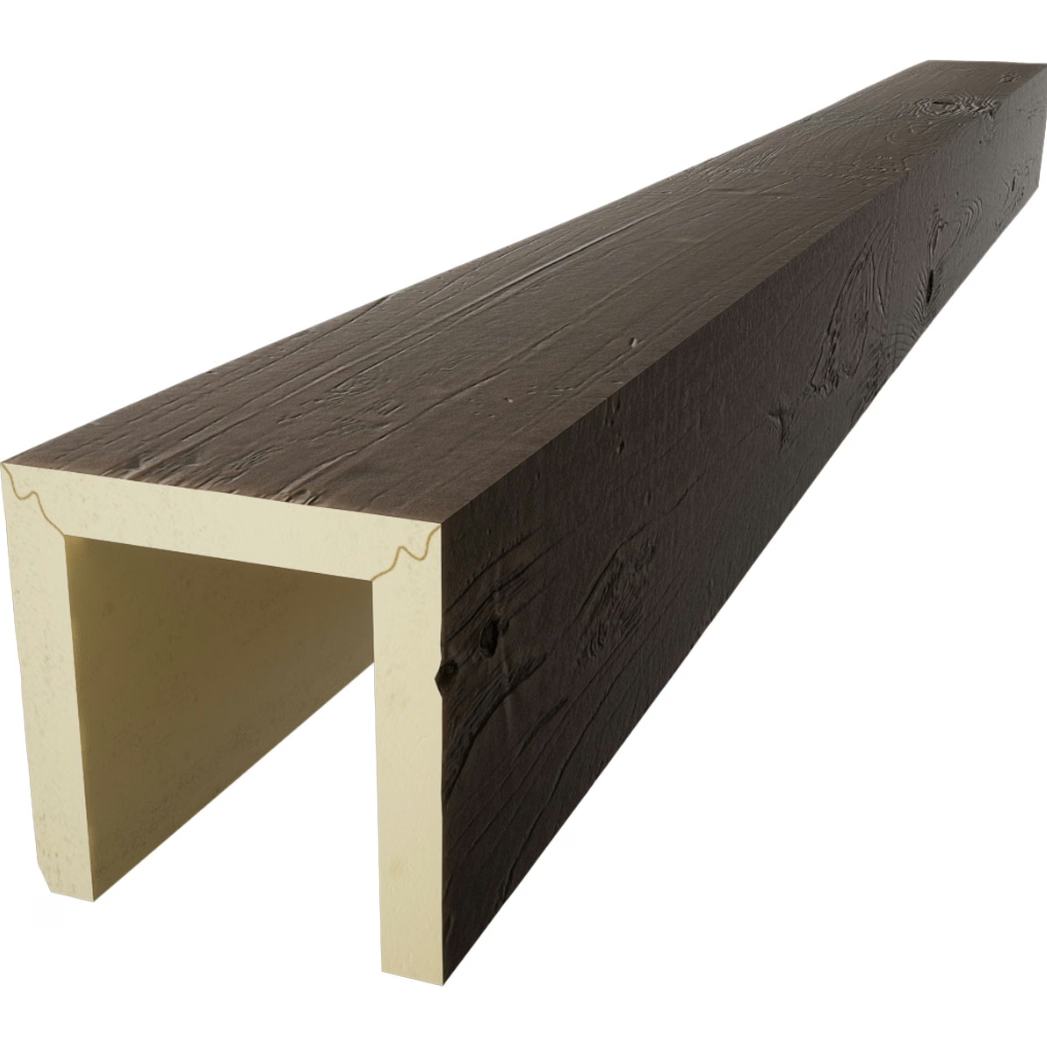
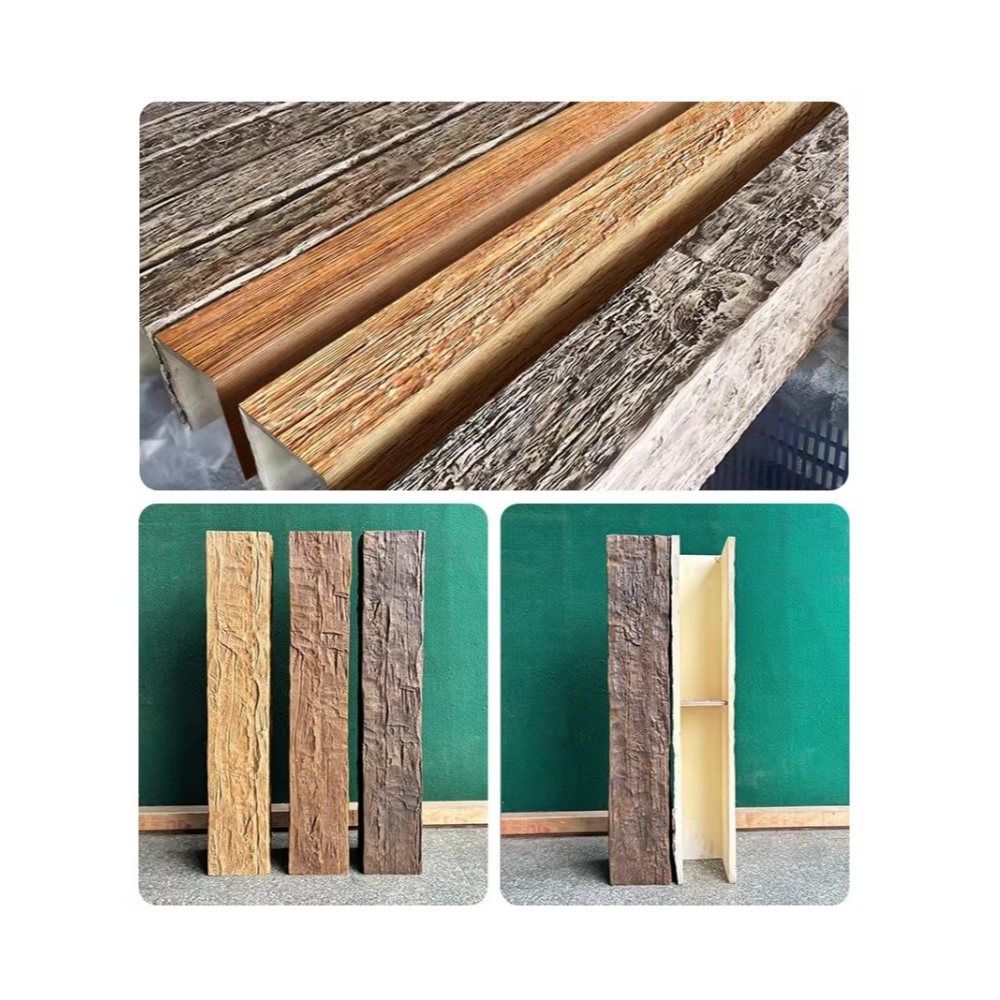
Rustic styles communicate authenticity, history, and a connection to pre-industrial craft traditions. Their defining characteristics include deep, varied grain patterns that reveal the growth history of the simulated timber, surface textures that suggest hand tools rather than machine precision, and color variation within and between beams that implies organic origin rather than factory production. These beams work in spaces that value imperfection, warmth, and narrative depth.
Transitional styles communicate approachability, quality, and considered design without extreme statements. Their grain patterns are visible and appealing but not overwhelming; their profiles are clean but not sterile; their colors are natural but carefully selected. These beams are the most broadly compatible with different interior contexts, serving as reliable workhorses of the beam styling toolkit.
Contemporary styles communicate precision, modernity, and material honesty. Their surfaces are smooth or subtly textured; their profiles are geometrically precise; their colors are either very light or very dark with minimal variation. These beams add warmth to contemporary spaces without introducing the visual complexity that would conflict with the clean-line aesthetic that defines modern interior design.
Combining Styles Within a Single Space
Sophisticated interior styling often involves combining different beam styles within a single space to create layered, complex visual effects. This approach requires careful planning to avoid visual confusion, but when executed well, it produces spaces with a depth and richness that single-style installations cannot achieve.
One common technique involves using different styles for primary and secondary beam elements. A primary ceiling grid might be composed of large, substantial beams in a rustic style, while smaller secondary beams — perhaps crossmembers or decorative panels — are executed in a more refined transitional style. The contrast between the two styles creates visual hierarchy, with the larger rustic beams providing the dominant impression while the refined secondary elements add detail and refinement.
Another approach uses the same beam profile in different finishes to create tonal variety without stylistic contrast. A ceiling might feature alternating beams in light natural oak and dark espresso finishes, creating a rhythm of light and dark that adds visual interest without the design complexity of multiple profile styles. This approach is particularly effective in long, narrow spaces where the repeating pattern creates a sense of progression and movement.
In commercial and hospitality interiors, combining styles across adjacent spaces can create a design narrative that guides occupants through the built environment. A restaurant might use rustic beams in the casual main dining area, transitioning to transitional beams in the more formal private dining room, and contemporary beams in the modern bar area. Each transition reinforces the change in atmosphere and function, creating a spatial experience that feels curated rather than arbitrary.
The Role of Color in Beam Styling
Color is one of the most powerful tools in the interior stylist's arsenal, and PU beams offer extensive color flexibility that supports sophisticated color strategies. The finish applied to a beam determines not only its visual character but also how it interacts with the other colors in the room — wall colors, floor colors, furniture upholstery, and accent accessories.
Warm-toned beams — those with yellow, orange, or red undertones — add energy and coziness to a space. They are particularly effective in north-facing rooms or spaces with predominantly cool color schemes, where the warmth of the beams provides visual balance and prevents the room from feeling cold or sterile. Honey oak, amber maple, and golden cherry are classic warm-toned finishes that have proven their appeal across decades of interior design practice.
Cool-toned beams — those with gray, beige, or green undertones — create a more subdued, refined atmosphere. They complement contemporary color schemes and work well in spaces with abundant natural light, where warm tones might become too intense. Natural birch, weathered ash, and cool walnut finishes are the primary options in the cool-toned category.
Dark-toned beams — espresso, charcoal, and painted black — create drama and visual weight. They are particularly effective in rooms with high ceilings where they help to visually ground the overhead space, and in contemporary interiors where their bold presence reinforces the design's confident aesthetic. Dark beams require careful color coordination with the surrounding surfaces, as the contrast between dark beams and light walls can be either striking or harsh depending on the specific tones involved.
Scaling Beam Style to Room Scale
The relationship between beam style and room scale is one of the most frequently overlooked aspects of beam specification, yet it profoundly affects the success of the installation. A beam style that reads as perfectly proportioned in one room can feel either insignificant or overwhelming in another, simply because of differences in ceiling height, room size, and the scale of surrounding elements.
Rooms with high ceilings — twelve feet and above — can support more dramatic beam styles and larger beam dimensions. The increased viewing distance and larger overhead plane create a context where substantial, character-rich beams can express themselves fully without overwhelming the space. Rustic beams with deep texture and bold profiles are particularly effective in these settings, where their presence can be appreciated from the variety of viewing angles and distances that a large space provides.
Rooms with standard ceiling heights of eight to ten feet require more moderate approaches. Beams should be sized to provide visible presence without dominating the room's visual field. Transitional styles tend to work best in these contexts, offering enough character to register as a meaningful design element without demanding too much visual attention. The key is sufficiency: the beams should contribute meaningfully to the room's atmosphere without competing with other design elements or creating a sense of visual overcrowding.
Compact rooms and spaces with lower ceilings demand restraint in both beam style and size. Contemporary styles with minimal texture and clean profiles are generally the best choice, as they add warmth and material interest without contributing to a sense of visual clutter. Beam size should be scaled down proportionally to the room's dimensions, with narrower widths and shallower projections that maintain visual balance.
Styling for Specific Design Movements
Certain design movements and aesthetic philosophies have well-established relationships with specific beam styles, and understanding these relationships helps stylists make selections that align with established design traditions while allowing creative interpretation.
Modern farmhouse, one of the dominant residential design movements of recent years, pairs naturally with rustic or weathered transitional beam styles. The design movement's emphasis on comfort, authenticity, and connection to rural traditions is reinforced by beams that suggest genuine aged timber. Whitewashed walls, shiplap paneling, and farmhouse furniture all complement rustic beams, creating interiors that feel genuinely rooted in American vernacular traditions.
Industrial and loft interiors, characterized by exposed brick, metal accents, and open floor plans, work well with transitional or contemporary beams that add organic warmth without softening the space's inherent rawness. A clean-lined contemporary beam in a dark finish can bridge the gap between the industrial structure and the human scale, providing warmth without undermining the design's urban authenticity.
Scandinavian and hygge-influenced interiors favor natural materials, light colors, and a sense of quiet comfort. Beams in light natural tones — birch, ash, blonde oak — complement these interiors perfectly, adding the warmth of wood without introducing the heaviness that darker tones might create. The beam style should be refined and simple, aligning with the Scandinavian preference for functional beauty and material honesty.
Technical References
ASTM standards cited in every specification
Test Data
Lab results from internal testing program
Updated 2026
Reviewed against current product specs


