The appeal of rustic interiors is timeless and cross-cultural. There is something deeply resonant about spaces that communicate connection to the natural world, to the traditions of making and building, and to the patina of time. Real timber beams, with their grain patterns, checking, and weathered surfaces, are among the most powerful tools for creating this connection. But real timber beams are heavy, expensive, and demanding in ways that make them impractical for many projects. Multi-style rustic polyurethane faux beams resolve this tension, delivering the aesthetic richness of aged timber in a material that is lightweight, affordable, and remarkably easy to live with.
The word "rustic" in the context of decorative beams encompasses a wider range of styles than many people realize. Not all rustic beams aspire to the same aesthetic, and understanding the distinctions between different rustic styles enables more precise and effective design decisions.

The Many Faces of Rustic
The most common misconception about rustic beams is that they are all the same — rough, dark, and primitive. In reality, the rustic category spans a meaningful spectrum of styles, each with its own character and appropriate applications. Recognizing these variations is the first step toward using rustic beams effectively.
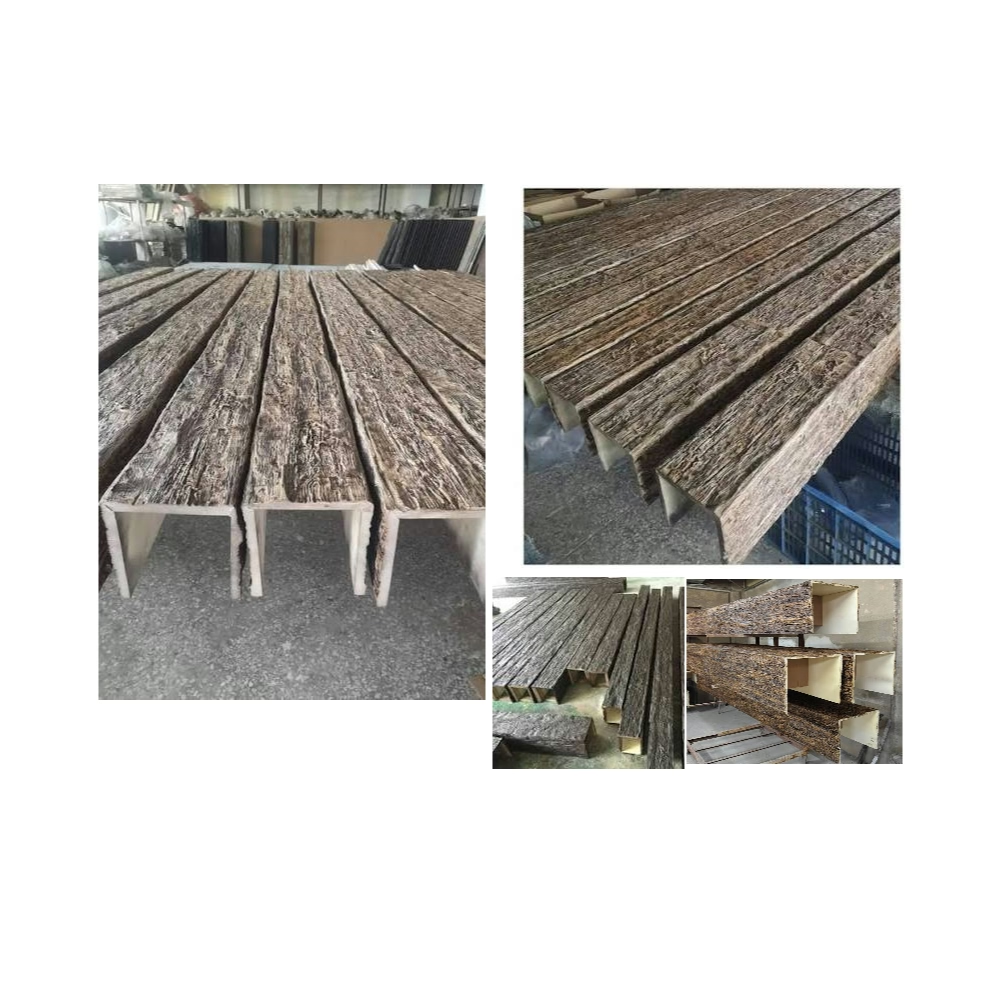
Classic rustic beams replicate the appearance of weathered barn timber or reclaimed railroad ties. Their defining characteristics include deeply pronounced grain with prominent earlywood-latewood contrast, dark color tones ranging from deep brown to nearly black, visible checking and hairline cracks along the grain, and rough surface texture that catches and modulates light in complex ways. These beams make the strongest statements and work best in spaces that are genuinely committed to the rustic aesthetic — cabins, lodges, and rustic commercial establishments.
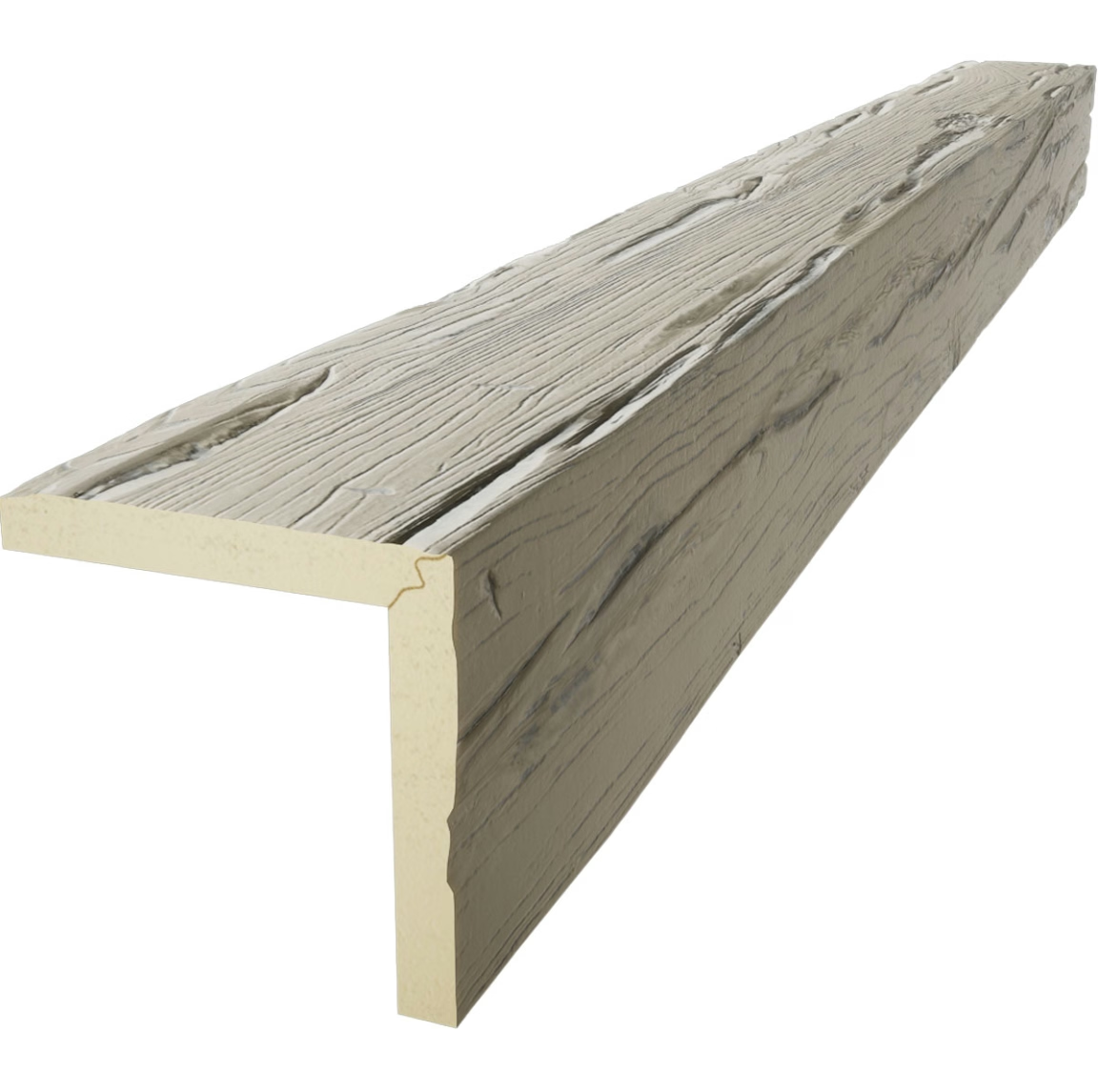
Weathered rustic beams occupy a softer position on the rustic spectrum. They share the deep grain texture and organic character of classic rustic beams but use lighter, more varied color tones — silvery gray, weathered tan, faded honey — that feel less aggressive and more versatile. These beams work in farmhouse interiors, updated country homes, and casual dining spaces where a fully primitive aesthetic would feel out of place. Their lighter tones also make them more adaptable to different wall colors and flooring materials.
Distressed transitional beams represent the boundary between rustic and transitional categories. They retain enough wood character to add genuine warmth and authenticity to a space while maintaining sufficient refinement to function in more formally designed interiors. A distressed transitional beam might feature visible grain, slight edge chipping, and subtle color variation without the deep texture and dark tones of a classic rustic beam. These beams are the workhorses of the rustic category, serving a wider range of applications than more extreme rustic styles.
Creating Authentic Rustic Atmospheres
Achieving an authentic rustic atmosphere involves more than simply installing beams that look old. The beams must be integrated into a cohesive design composition that reinforces the rustic narrative through every element of the space — walls, flooring, lighting, furnishings, and accessories. Beams that are authentic in themselves can feel out of place if the surrounding elements are too refined or contemporary.
Wall treatments play a critical supporting role in rustic beam installations. Natural stone or brick provide the most authentic backdrop for rustic beams, as both materials share the same material honesty and organic variability that characterize aged timber. Shiplap or V-groove paneling in natural or whitewashed finishes also complements rustic beams effectively, creating a layered wall surface that reinforces the crafted quality of the space.
Flooring materials should align with the rustic narrative. Wide-plank hardwood floors, whether new or reclaimed, create an immediate visual connection with rustic ceiling beams. Stone or brick tile floors extend the material palette in a complementary direction. Even concrete floors, which might seem too industrial for a rustic context, can work when paired with warm wood tones and textured surfaces that soften the concrete's inherent rawness.
Lighting selection for rustic spaces deserves particular attention, as lighting directly affects how beam textures are perceived. Warm-toned incandescent or LED lighting enhances the grain patterns and color variation in rustic beams, bringing out their depth and character. Cool-toned fluorescent lighting flattens the texture and mutes the color, reducing the beams' visual impact. Pendants with Edison-style filament bulbs are a classic choice for rustic spaces, as their warm, slightly amber light complements wood tones beautifully.
Rustic Beams in Different Room Types
The application of rustic beams varies significantly across different room types, and understanding these variations helps ensure that the beams contribute meaningfully to each space rather than imposing a uniform aesthetic regardless of context.
Great rooms and living areas are the most natural settings for rustic beams. These spaces typically have higher ceilings, larger floor plans, and more informal furniture arrangements that welcome the warmth and character that rustic beams provide. A great room with a vaulted or exposed ceiling is an ideal canvas for rustic beam installations, as the overhead space provides room for the beams to express themselves fully without overwhelming the composition.
Kitchens present a more complex challenge for rustic beams. The kitchen is the most functional room in the house, and overly rustic treatments can interfere with its practical operation. The most successful approach typically involves rustic beams paired with relatively clean and simple cabinetry and countertop materials. The beams provide warmth and character while the other elements maintain the functional clarity that a working kitchen requires. Painted or whitewashed cabinets can balance rustic beams effectively, preventing the kitchen from feeling too heavy or country.
Bedrooms and bathrooms tend to be smaller and more intimate, and rustic beams require careful sizing in these spaces. Oversized rustic beams in a small bedroom can create a sense of being trapped or crowded rather than cozy. More modest beam sizing — narrower widths, shallower projections — or the use of lighter-toned rustic styles can add warmth without dominating the intimate scale of these rooms.
Outdoor living spaces, including covered porches, patios, and outdoor kitchens, represent an often-overlooked application for rustic beams. The weather resistance of polyurethane is particularly valuable in these settings, where real wood beams would be exposed to rain, humidity, and temperature extremes that accelerate deterioration. Rustic beams on a covered porch add significant character to what is often a transitional space between the indoor and outdoor environments.
Style Combinations and Design Layering
The most compelling rustic interiors typically involve more than one design layer working in concert. Rustic beams alone create a certain effect, but combined with complementary wall treatments, furniture styles, and accessories, they contribute to a richer and more complete spatial narrative.
One powerful combination involves rustic beams with industrial metal accents. The juxtaposition of warm, organic wood and cool, geometric metal creates visual tension that enriches the space. Iron beam straps, metal light fixtures, steel stair railings, and metal-framed furniture all complement rustic beams by introducing a contrasting material language. This combination is particularly effective in converted industrial spaces — old warehouses, factories, and mills — where the building's original industrial character provides context for both material choices.
Another effective combination pairs rustic beams with natural textiles and organic accessories. Linen curtains, wool rugs, leather furniture, and ceramic pottery with natural finishes all reinforce the material authenticity that rustic beams embody. The key is restraint in the color palette — natural tones and earthy colors prevent the space from becoming visually busy while maintaining the warmth and organic quality that define the rustic aesthetic.
Rustic beams also combine effectively with green plants and natural landscape elements. In spaces with large windows or direct outdoor access, the visual continuity between the interior's natural material palette and the outdoor environment creates a sense of expanded space and connection to nature. Potted ferns, hanging plants, and climbing vines soften the beams' edges and integrate them into a living, breathing interior landscape.
Technical References
ASTM standards cited in every specification
Test Data
Lab results from internal testing program
Updated 2026
Reviewed against current product specs


