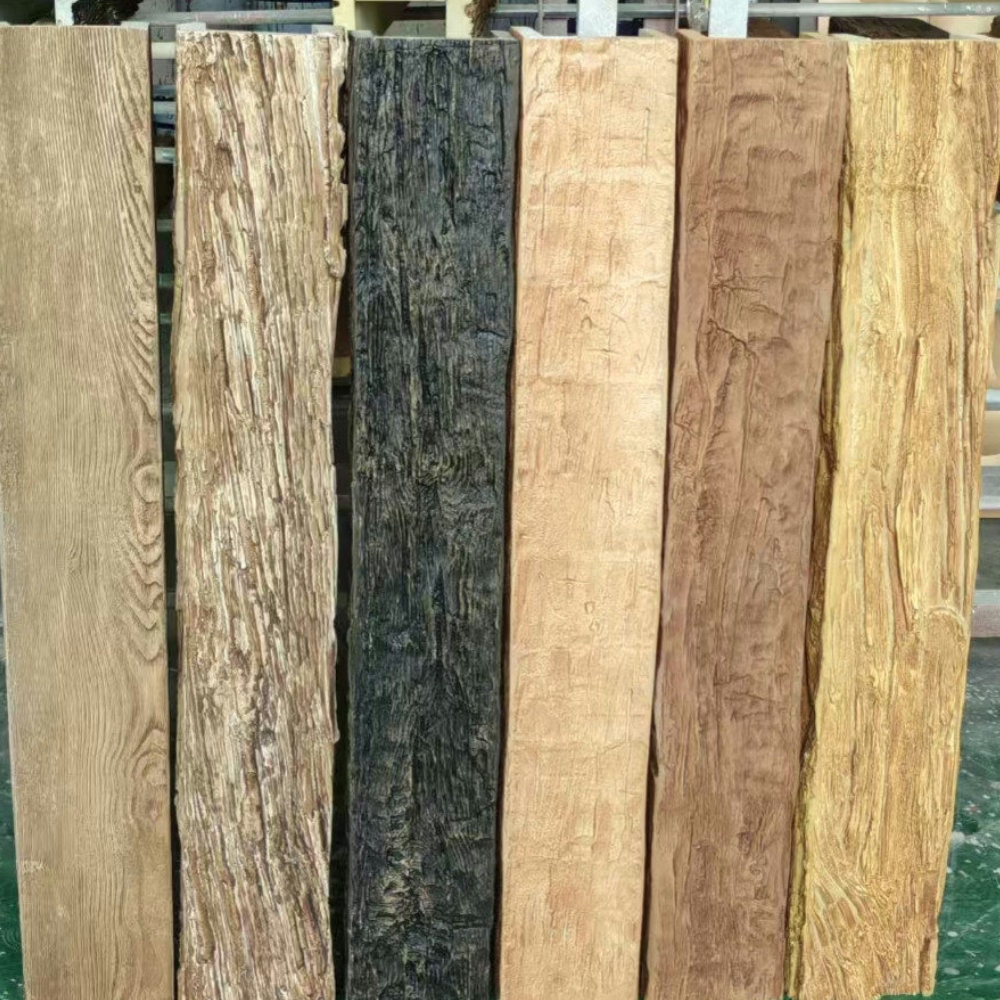
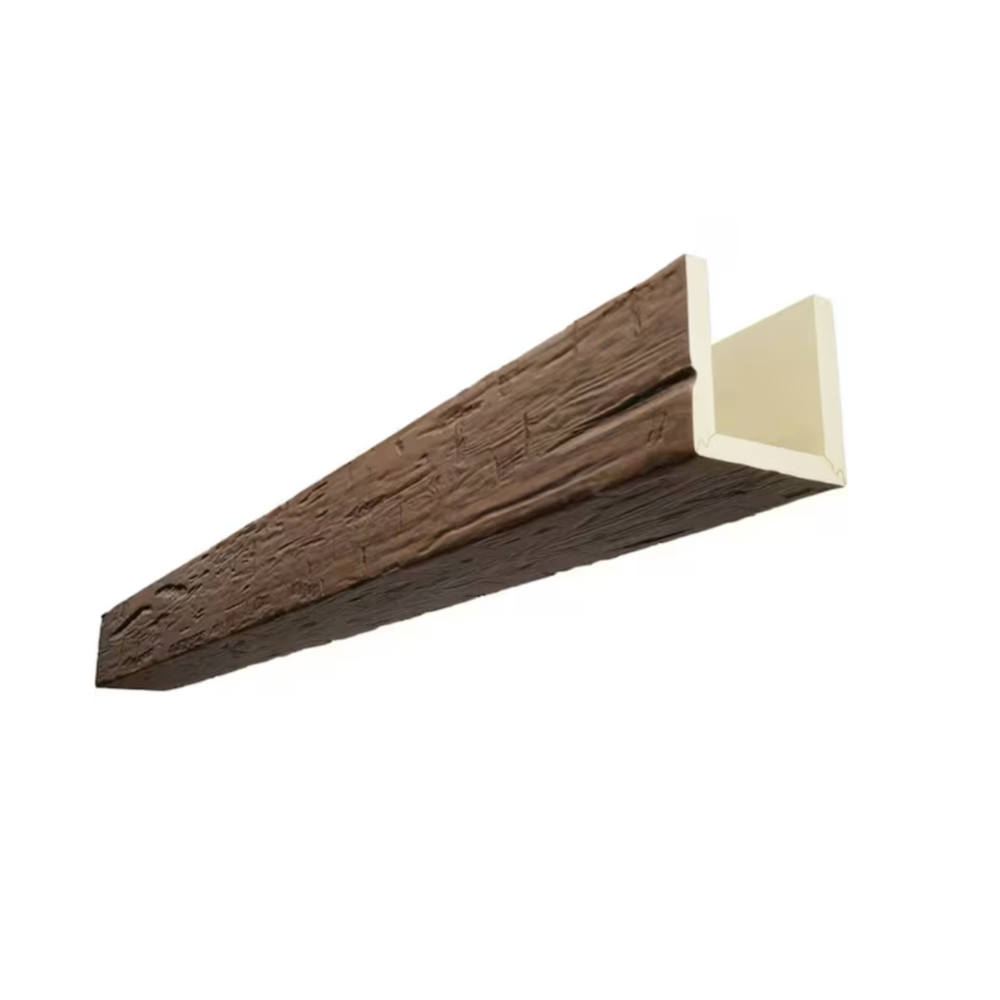
Texture is the element that separates the merely visible from the genuinely tactile. In interior design, texture operates at multiple scales simultaneously — the large-scale texture of furniture arrangement, the medium-scale texture of wall and ceiling surfaces, and the fine-scale texture of materials themselves. Multi-textured PU faux wood beams engage primarily with the latter two scales, offering surface treatments that range from glass-smooth to deeply carved, and that create dramatically different visual effects depending on how they interact with light.
The layering of multiple textures within a single beam installation represents one of the more sophisticated applications of decorative beams in contemporary interior design. Rather than treating all beams as uniform elements, multi-textured installations use texture as a compositional tool, creating depth and visual complexity that holds the eye and rewards sustained attention.

Understanding Texture at Different Scales
Texture in decorative beams operates at three distinct scales, each contributing differently to the overall visual effect. Understanding these scales enables designers to make precise decisions about texture selection and combination.
Fine-scale texture refers to the surface quality of the wood grain itself — the subtle variation in the cell structure of the simulated wood that creates the impression of organic material. Even the smoothest polyurethane beam has some fine-scale texture at this level, a slight irregularity that prevents the surface from reading as plastic. More heavily textured beams amplify this fine-scale variation, creating surfaces with pronounced grain lines, variable pore depth, and subtle color shifts across the grain figure. Fine-scale texture is most important when beams are viewed at close range, as in rooms with low ceilings or beams installed at eye level.
Medium-scale texture refers to the dimensional variation across the beam's profile — the depth of carved moldings, the sharpness of edges, the presence of chamfers, bevels, or decorative grooves. This scale of texture is visible from normal viewing distances and contributes significantly to the beam's perceived three-dimensionality. A beam with deeply carved moldings along its edges casts more complex shadows and reads as more substantial than a beam with a plain rectangular profile, even if both are made from the same material.
Large-scale texture refers to the composition of the ceiling as a whole — the pattern created by multiple beams across the overhead plane. Regular spacing creates one type of large-scale texture, with repeating rhythmic shadows and consistent visual intervals. Irregular spacing creates a more complex, organic large-scale texture that can feel more natural or more dynamic depending on the specific arrangement. The interaction between the texture of individual beams and the large-scale texture of the beam composition is one of the most powerful tools available to ceiling designers.
Multi-Textured Beam Construction
Creating multi-textured effects in PU beams involves careful coordination between mold design, surface finishing, and installation planning. The manufacturing process offers several distinct approaches to achieving texture variety, each with its own aesthetic character and practical implications.
The most common approach involves varying the texture across different faces or zones of a single beam. The bottom face of the beam — the surface most visible from below — might feature a deeply textured grain pattern, while the sides and ends receive a lighter texture or smooth finish. This zonal variation creates a subtle complexity as the viewer moves around the beam and notices the changing surface quality. It also has practical benefits, as the less-textured side surfaces are easier to clean and maintain in dusty or humid environments.
Another approach involves manufacturing beams with deliberately non-uniform surface textures — areas of deep grain alternating with smoother zones, or areas of simulated weathering adjacent to more pristine surfaces. This approach requires more sophisticated mold design and finishing but produces beams with extraordinary visual richness. Each beam becomes a small landscape of texture variation, rewarding close inspection while maintaining a coherent overall appearance.
Installation sequencing offers another dimension of multi-textured effect. By installing beams with different texture depths in alternating or patterned sequences, designers create large-scale texture compositions that unify the ceiling into a visually complex whole. A ceiling might alternate between deeply textured rustic beams and more refined transitional beams, creating a visual rhythm that guides the eye across the space.
Light Interaction and Shadow Play
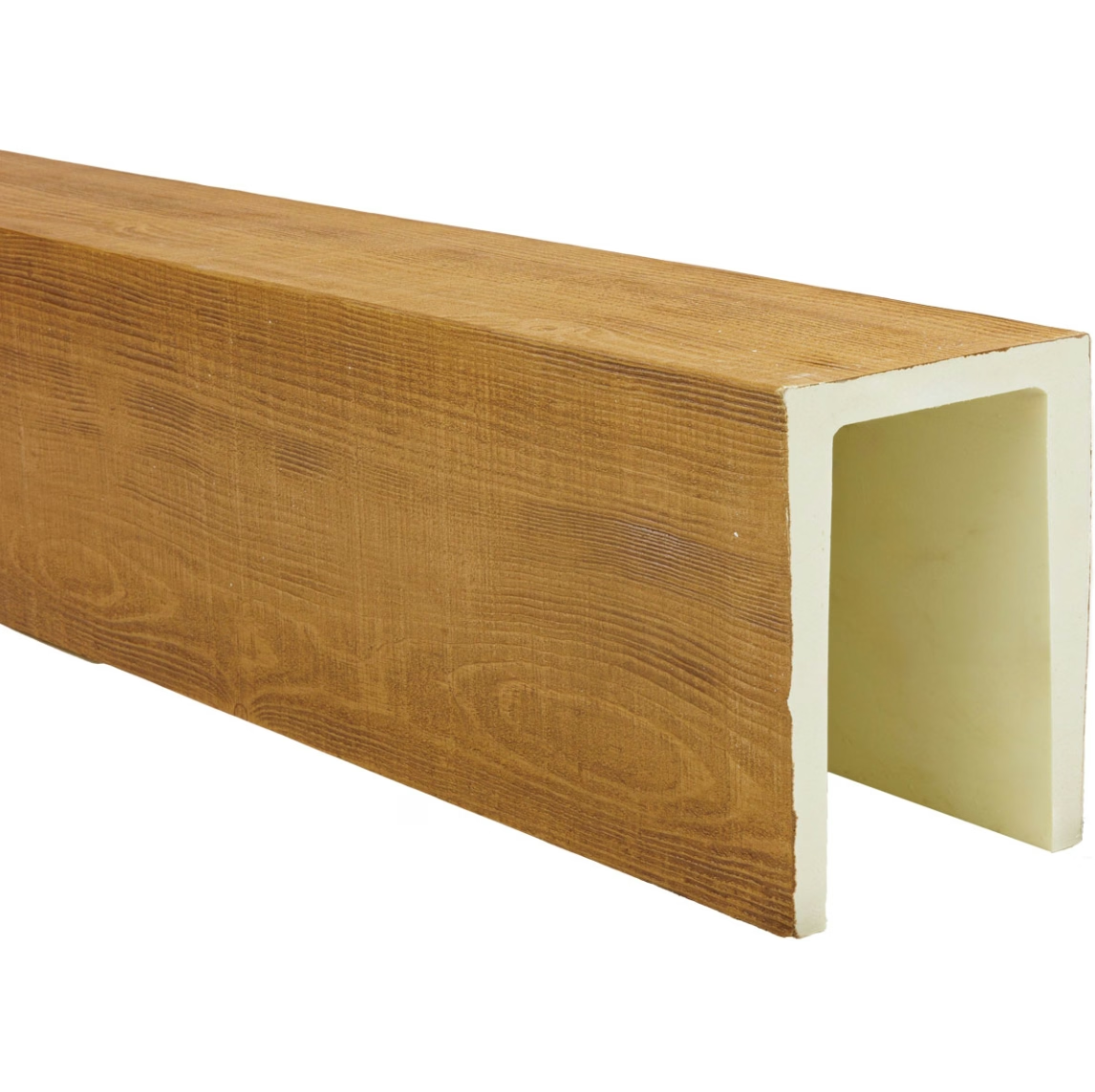
The visual impact of textured beams is fundamentally dependent on their interaction with light, and understanding this relationship is essential for achieving the intended effects. Different textures respond to light in dramatically different ways, and the lighting design of a space should be considered as carefully as the beam specification itself.
Deep textures — those with pronounced grain valleys and raised peaks — create strong shadow patterns under directional light. A beam with cathedral-grain texture, where the grain lines form tall arching peaks, casts intricate shadow patterns that shift dramatically with the angle of incident light. In rooms with operable skylights or large windows, these shadow patterns change throughout the day, animating the ceiling and creating a dynamic visual experience that evolves with the movement of the sun.
Smooth and semi-smooth textures behave differently under lighting, producing softer, more diffuse shadow boundaries. These textures are better suited to rooms with ambient or overhead lighting rather than directional accent lighting, as the subtle surface variation catches light evenly across the surface without producing dramatic shadow contrasts. In contemporary interiors where clean, uncluttered aesthetics prevail, this softer texture response is often preferable to the visual complexity of deeply textured surfaces.
The direction of lighting relative to the beam orientation significantly affects texture perception. Beams running perpendicular to a window wall receive strong directional lighting that emphasizes their surface texture. Beams running parallel to the window wall receive more diffuse, even lighting that reduces texture contrast. This relationship can be exploited to create intended effects: beams perpendicular to the primary light source will appear more textured and dramatic, while beams parallel to the light source will appear smoother and more refined.
Designing with Multi-Textured Compositions
Effective multi-textured beam compositions require the same compositional skills as any other aspect of interior design — balance, rhythm, contrast, and hierarchy — applied specifically to the medium of surface texture. The goal is not maximum texture but optimal texture: the amount and type of texture that serves the space's functional and aesthetic goals.
Balance in multi-textured compositions typically involves pairing areas of high texture with areas of lower texture to prevent visual monotony. A ceiling where every beam has maximum texture depth can feel overwhelming and exhausting, as the eye finds no place to rest. Introducing beams with moderate or light texture at regular intervals creates visual breathing room and allows the highly textured beams to register as moments of emphasis rather than contributing to undifferentiated visual noise.
Rhythm in multi-textured compositions involves the predictable repetition of texture variations across the ceiling. Alternating deeply textured and smoothly textured beams creates a two-beat rhythm that is easy to perceive and aesthetically satisfying. More complex rhythms — three-beat patterns, graduated transitions from light to heavy texture — create more sophisticated visual experiences that reward sustained attention.
Contrast is the driving force behind the most dramatic multi-textured effects. The sharpest visual impact comes from placing beams with dramatically different texture depths in close proximity, creating immediate perceptual contrast that draws the eye and creates visual energy. This approach is most effective in large spaces where the full range of contrast can be perceived without the compression that occurs in smaller rooms.
Practical Benefits of Textured Polyurethane
Beyond their aesthetic contributions, the varied textures available in PU faux wood beams offer practical benefits related to maintenance, repair, and long-term performance. These practical considerations often influence texture selection in ways that pure aesthetic considerations might not predict.
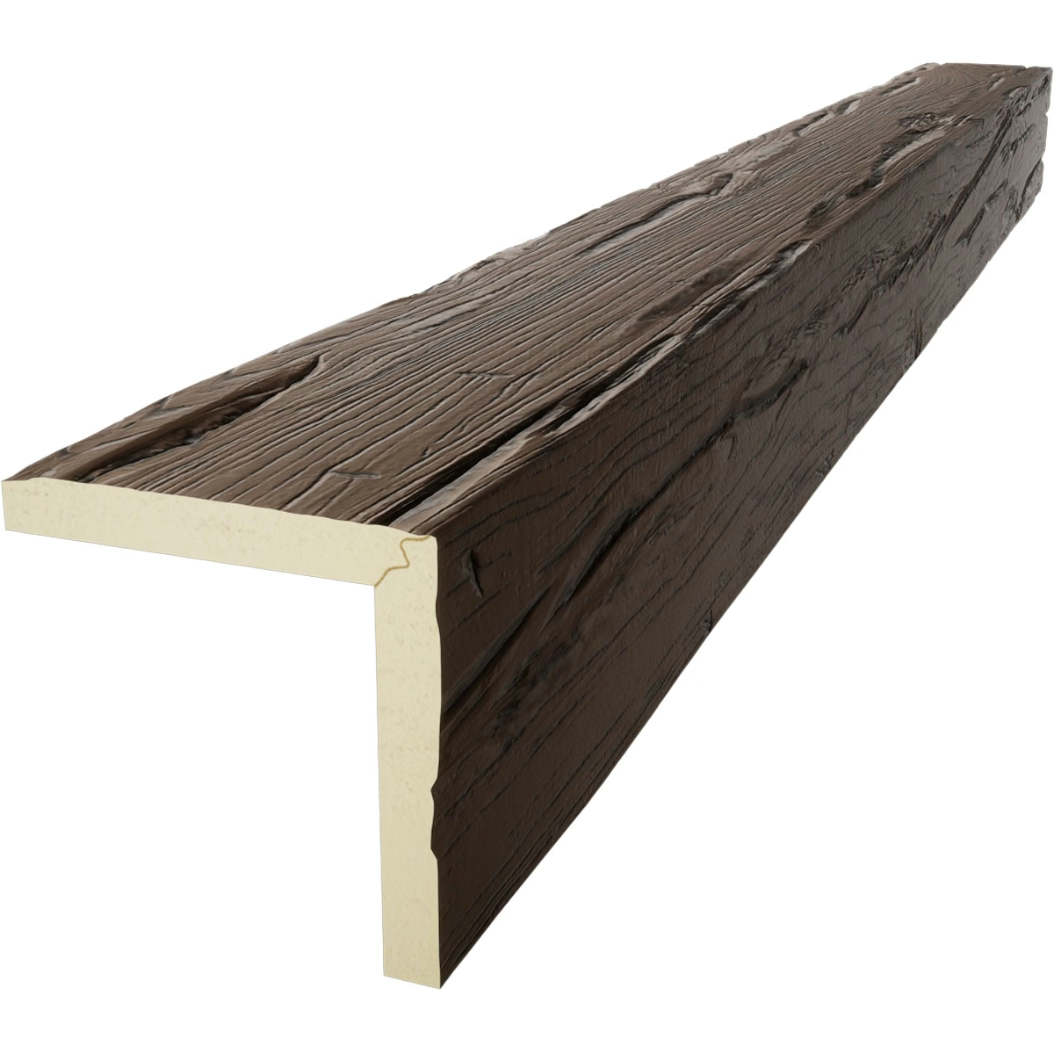
Heavily textured surfaces are more forgiving of minor surface damage and accumulated dust than smooth surfaces. A small scuff or scratch in a deeply carved grain pattern is far less visible than the same defect on a smooth surface. Similarly, dust settles into grain valleys and becomes less visually apparent than on smooth surfaces where it registers immediately. This forgiving quality makes heavily textured beams a practical choice for high-dust environments or areas where the ceiling is difficult to access for cleaning.
Smooth and semi-smooth textures, conversely, are easier to clean when cleaning is required. The absence of recesses and valleys means that dust and grease can be wiped or washed from the surface without collecting in texture features. In kitchen environments, where grease-laden air settles on overhead surfaces, smooth-textured beams are often the more practical choice despite their more restrained aesthetic impact.
The repairability of polyurethane textures is another practical advantage. Damaged textured surfaces can be rebuilt using filler compounds, with new texture introduced through careful sanding, carving, or stamping to match the surrounding surface. This repair capability, combined with the material's impact resistance, ensures that multi-textured beam installations maintain their appearance over time with minimal maintenance intervention.
Technical References
ASTM standards cited in every specification
Test Data
Lab results from internal testing program
Updated 2026
Reviewed against current product specs