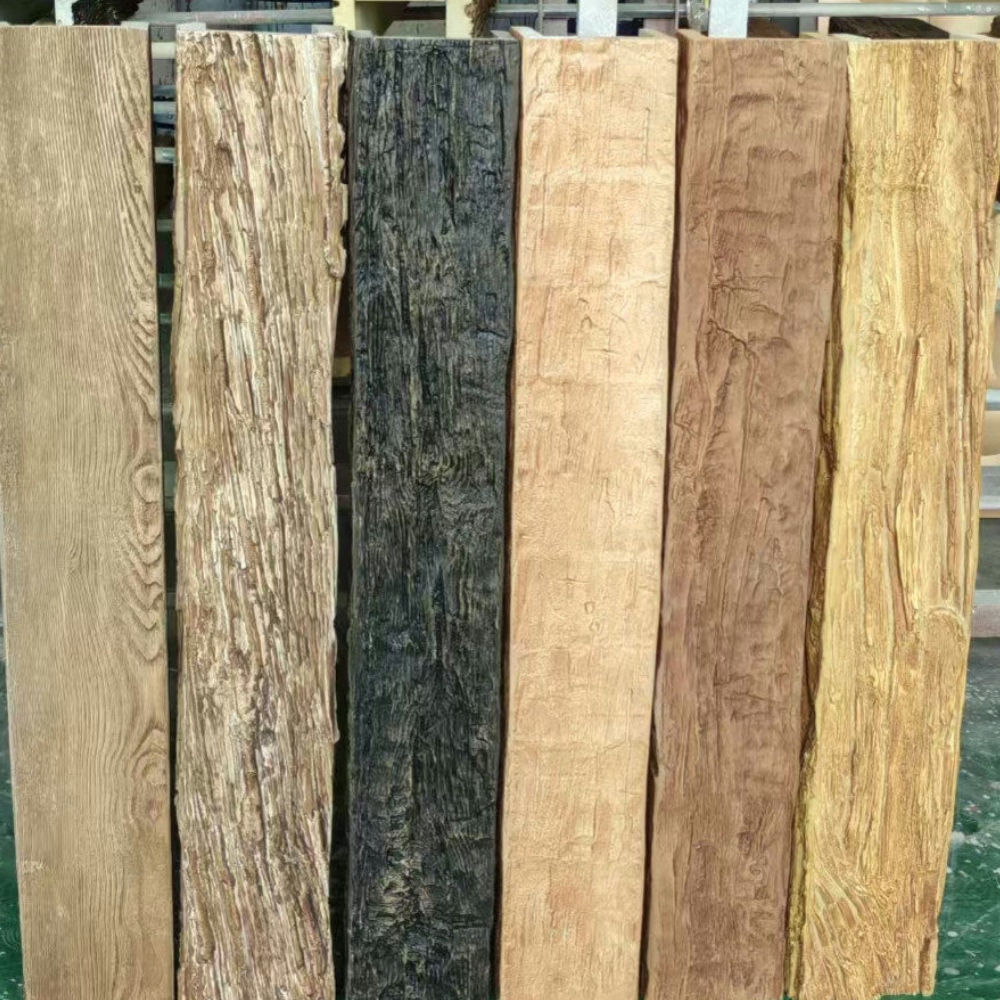
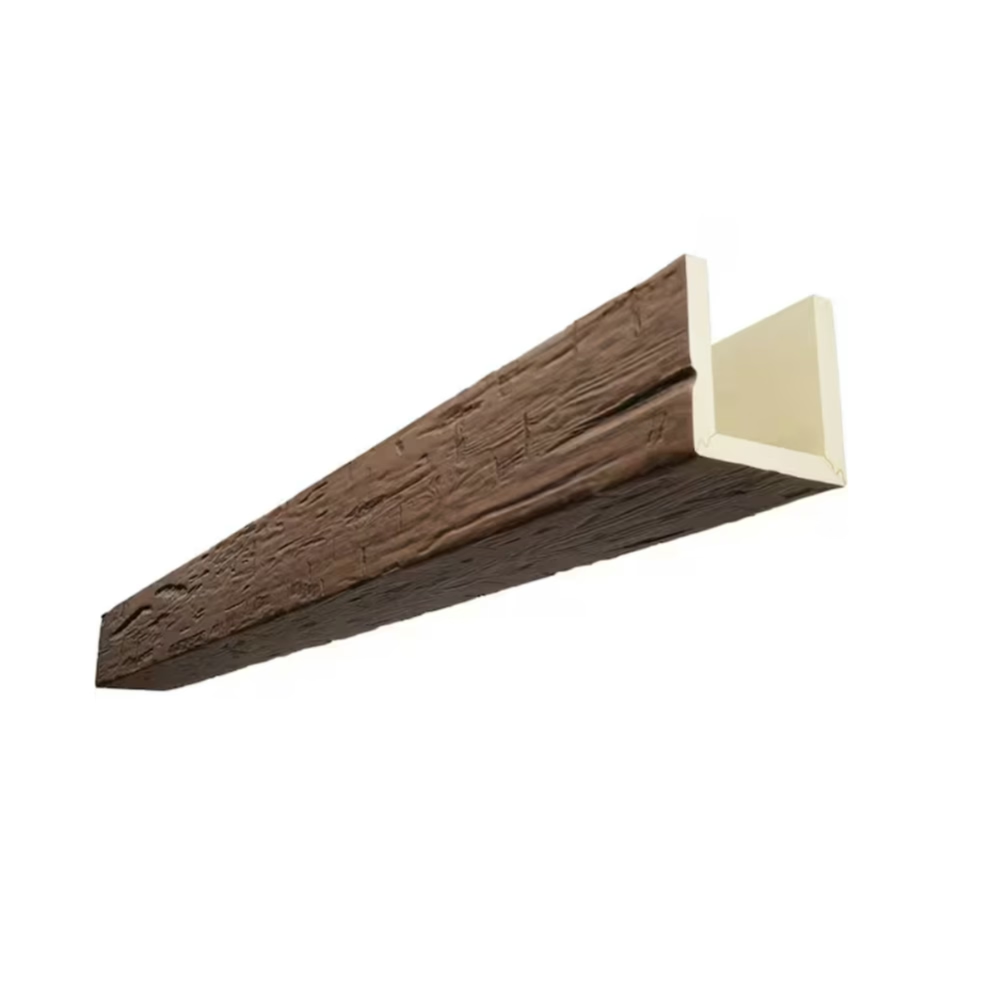
Color is the most immediate and visceral element of interior design. Before texture, form, or scale, it is color that registers first and that most directly affects the emotional quality of a space. In the context of decorative beams, color has traditionally been constrained by the conventions of wood representation — oak tones, walnut tones, mahogany tones — regardless of how creatively those tones might be applied. Multi-tone custom color PU faux wood beams break free from these conventions, offering color possibilities that span the full spectrum and enabling beam specifications that serve design visions rather than merely imitating timber.
The ability to specify beams in custom colors is particularly valuable in contemporary interiors, where the design vocabulary increasingly includes non-traditional color choices for architectural elements. A beam painted to match the wall color creates an architectural cove that defines the ceiling edge without the visual weight of a contrasting material. A beam in a bold accent color becomes a design statement that ties together disparate room elements. These effects are impossible with standard wood-tone beams but become available when custom color options are on the table.

Beyond Traditional Wood Tones
The palette of custom color options for PU beams extends well beyond the familiar range of natural wood finishes. While high-quality natural wood-tone reproductions remain available and popular, the manufacturing process for polyurethane beams accepts paint and stain finishes with equal facility, opening possibilities that would be impractical or impossible with real wood.
Painted colors in muted, sophisticated tones are among the most requested custom options for contemporary interiors. Sage green beams in a room with green upholstery and natural textiles create a unified environmental palette that feels curated and intentional. Deep navy beams in a room with blue accents and brass hardware establish a nautical or coastal narrative that extends the color story into the overhead plane. Charcoal gray beams in an industrial loft complement exposed brick and metal without introducing the warmth of wood, maintaining the urban aesthetic while adding material depth.
White and off-white beams offer a distinctly different aesthetic effect. Rather than disappearing into a white ceiling, white beams with subtle surface texture create visible overhead structure while maintaining a light, open feeling. This approach is particularly effective in small rooms or rooms with limited natural light, where dark or heavily colored beams would reduce the perceived brightness of the space.
Black beams represent the boldest custom color choice and work most effectively in spaces with high ceilings or strong natural light. The visual weight of black beams is significant, and they must be balanced by adequate wall and floor brightness to prevent the room from feeling closed or oppressive. In the right context — a double-height entryway with white walls, a contemporary living room with light hardwood floors — black beams create stunning dramatic effects that no wood tone can match.
The Custom Color Matching Process
Achieving a successful custom color finish on polyurethane beams requires understanding both the material properties of polyurethane and the color matching process itself. Unlike real wood, which has inherent color variation and organic inconsistency, polyurethane accepts color uniformly and consistently, producing exact matches across all pieces in an installation.
The custom color matching process typically begins with a color reference from the buyer — a paint chip, a fabric swatch, a digital color specification, or a physical sample of another material in the room. The supplier's finishing department uses this reference to formulate a matching color, either by mixing from base pigments or by selecting from an extensive existing color library. For standard paint colors, particularly those from major manufacturers like Benjamin Moore or Sherwin-Williams, suppliers often maintain libraries of pre-matched colors that enable quick turnaround.
For precise color matching, the supplier typically produces a sample beam in the requested color for buyer approval before committing to the full production run. This step is essential for custom colors, as the way polyurethane absorbs and reflects light differs slightly from other materials, and the finished beam color may appear subtly different from the reference material. The sample approval process ensures that the final installation matches the buyer's expectations.
Lead time for custom colors is typically longer than for standard finishes — two to four weeks rather than a few days — due to the additional formulation and approval steps. For projects with tight schedules, standard or near-standard colors that require minimal custom matching may be preferable, but for projects where color precision is paramount, the extended lead time is generally a worthwhile investment.
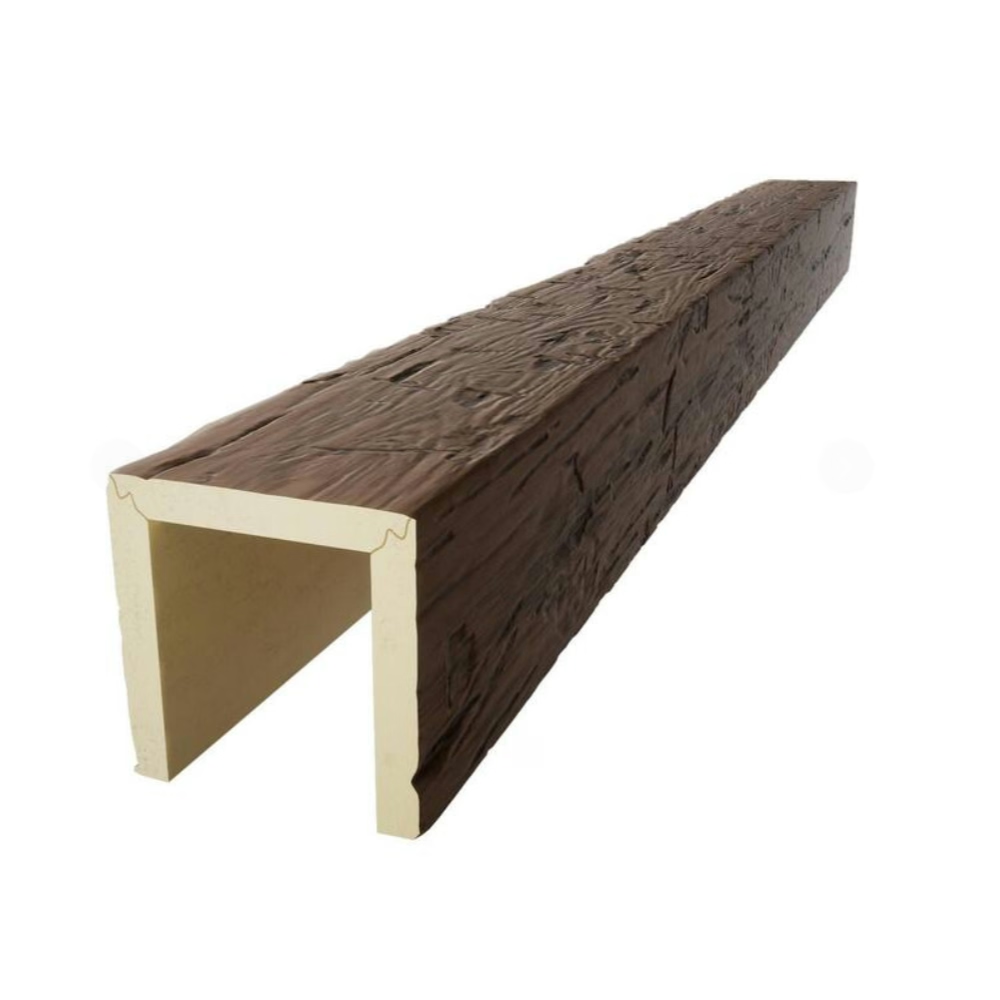
Color Psychology in Beam Specifications
The psychological effects of color are well documented and should inform beam color selection just as they inform other interior color decisions. Beams are overhead elements that affect the perceived color temperature and brightness of an entire room, and their color contribution should be considered in the context of the room's intended atmosphere and function.
Warm colors — red, orange, yellow, and their variants — create feelings of coziness, energy, and approachability. Beams in warm tones contribute to the overall warmth of a room, making them excellent choices for north-facing spaces, cool-toned interiors, or rooms where a welcoming, social atmosphere is desired. The warmth of honey oak or amber maple beams is well established, but custom warm tones can extend this effect in creative directions.
Cool colors — blue, green, violet, and their variants — create feelings of calm, clarity, and spaciousness. Cool-toned beams are particularly effective in rooms with warm color schemes, where they provide visual balance and prevent the room from feeling overly warm or saturated. Sage green, dusty blue, and lavender-gray beams offer sophisticated cool-toned options that differ meaningfully from standard wood finishes.
Neutral colors — white, gray, beige, and black — create flexible backdrops that can support almost any other color combination. Neutral beams add material depth and visual interest without committing to a specific color narrative, making them versatile choices for rooms that may undergo future color scheme changes. The neutrality of gray or white beams makes them particularly suited to contemporary and minimalist interiors where restraint is a design virtue.
Coordinating Beam Color with Room Elements
Custom color beam specifications are most successful when the beam color is coordinated with the other major color elements in the room rather than selected in isolation. This coordination requires considering the relationship between beam color and wall color, floor color, furniture colors, and accent colors simultaneously.
Monochromatic color schemes, where beam color is drawn from the same color family as the walls and major furniture pieces, create unified, serene interiors with strong color coherence. A room with warm beige walls, tan upholstery, and honey-toned beams presents a seamless color environment that feels carefully considered and restful. The subtlety of the monochromatic approach can be enhanced by introducing texture variation — different textures of beige, tan, and honey — to add visual interest without color complexity.
Complementary color schemes, where beam color is selected to contrast with the dominant wall color, create more dynamic and energetic interiors. A room with green walls and red-brown beams, for instance, creates the kind of complementary tension that draws the eye and generates visual energy. This approach requires more confidence in color composition, as the contrast can easily become jarring if not managed carefully with additional bridging colors or neutrals.
Analogous color schemes, where beam color is selected from colors adjacent to the dominant wall color on the color wheel, create harmonious but slightly varied environments. A room with blue walls and green beams, for instance, creates an analogous relationship that feels natural and calming while introducing enough variation to prevent monotony.
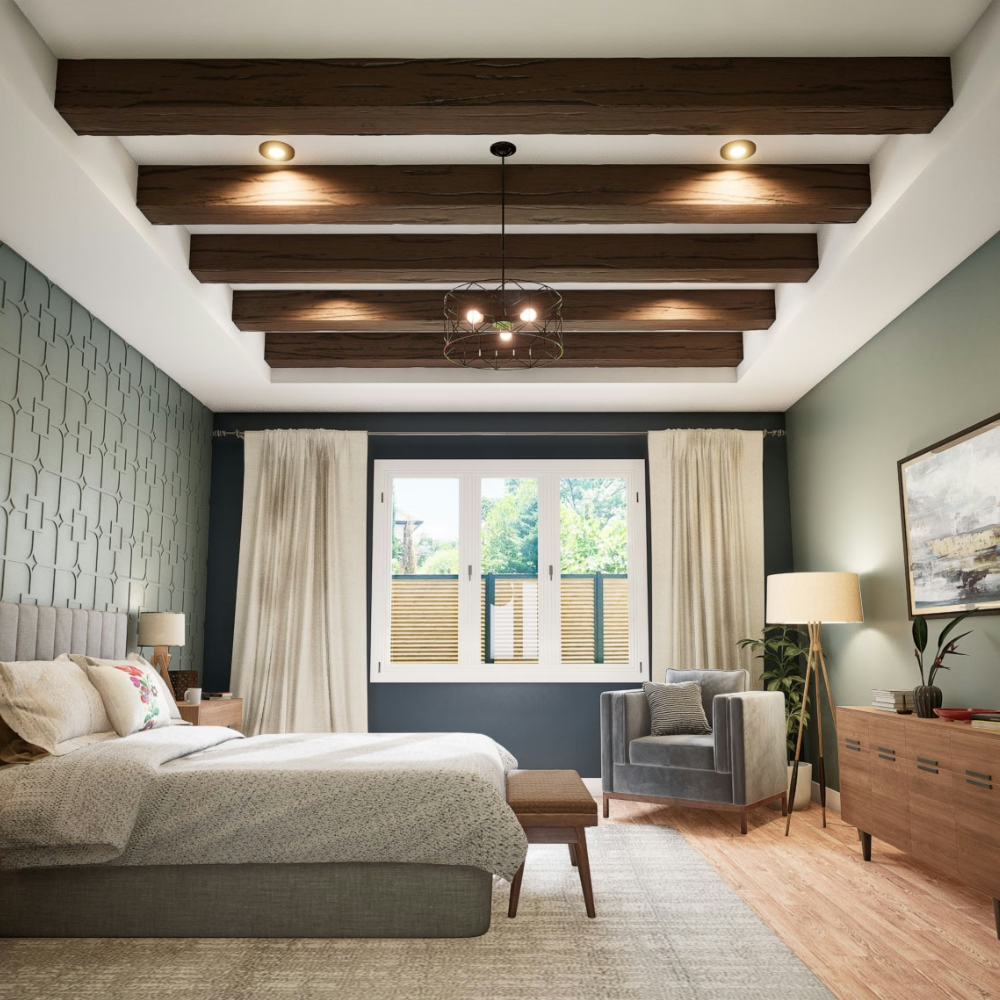
Custom Finishes for Special Effects
Beyond solid colors, custom finishing techniques can produce specialized visual effects that extend the range of aesthetic possibilities even further. These techniques leverage the unique properties of polyurethane as a substrate to achieve looks that would be difficult or impossible with real wood.
Two-tone finishes, where different faces or zones of the beam receive different colors, create subtle complexity that enriches the beam's appearance at close range. A beam with a dark underside and lighter sides, for instance, creates the impression of natural light falling on a wood surface while adding visual depth. The effect is most visible from oblique angles and adds a layer of richness to installations where beams are viewed from varied positions.
Painted and glazed combinations apply a base color with a transparent glaze over it, creating depth and luminosity that solid colors cannot achieve. A black beam with amber glaze, for instance, reveals warm tones beneath the dark surface, suggesting aged patina and adding warmth to what would otherwise be a stark visual element. This technique is particularly effective for achieving the appearance of antique or heirloom wood finishes.
Metallic and pearlescent finishes extend the color palette into territory that is entirely outside the traditional wood-grain model. Copper, bronze, silver, and gold metallic finishes on beams create unexpected focal points that combine the warmth of architectural form with the glamour of metallic surfaces. These finishes work best in contemporary and transitional interiors where they serve as accent elements rather than dominating the color scheme.
Technical References
ASTM standards cited in every specification
Test Data
Lab results from internal testing program
Updated 2026
Reviewed against current product specs