The modern farmhouse aesthetic has proven to be far more than a passing trend. Its sustained popularity across residential design reflects a genuine appetite for spaces that feel rooted, comfortable, and genuinely crafted — interiors that reject the cold perfection of minimalism in favor of warmth, texture, and the kind of authenticity that comes from honest materials and careful detailing. Understanding the essential elements that define this style is the first step toward creating spaces that embody its values authentically rather than superficially.
At its core, modern farmhouse design draws from two sources: the practical, unpretentious character of traditional American farmhouses and the clean, considered sensibility of contemporary design. The result is an aesthetic that embraces natural materials and imperfect beauty while maintaining the spatial clarity and functional simplicity that modern life requires. Decorative beams are among the most important elements in this synthesis, providing the architectural warmth and textural depth that distinguish farmhouse interiors from more austere contemporary spaces.

The Role of Beams in Farmhouse Design
No element contributes more to the farmhouse atmosphere of a room than exposed ceiling beams. They are the architectural feature that immediately signals the farmhouse vocabulary, the element that distinguishes a farmhouse interior from a contemporary one even before furniture, colors, or accessories are considered. In modern farmhouse design, beams serve multiple roles simultaneously: they add warmth, establish scale, create visual rhythm, and communicate the artisanal values that underpin the entire design approach.
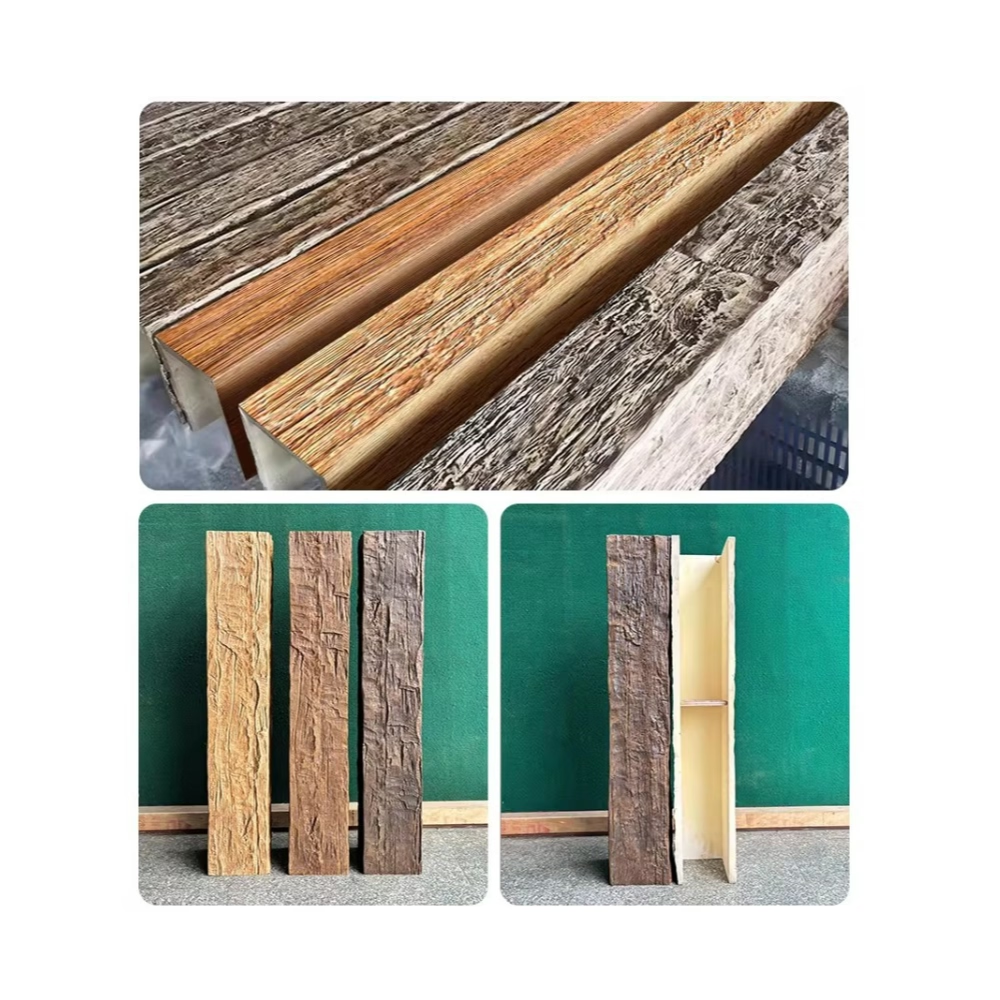
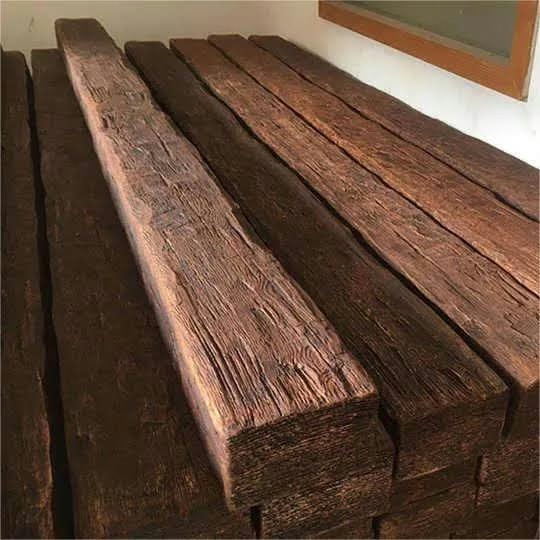
Rustic or weathered polyurethane beams are the preferred choice for modern farmhouse interiors. Their pronounced grain texture, subtle color variation, and organic character replicate the appearance of aged timber with remarkable fidelity while offering the practical advantages of lightweight construction and easy maintenance. The beam style that works best in farmhouse contexts typically features deep, varied grain patterns with visible cathedral peaks and occasional knots, finished in warm mid-tone colors that complement the white and neutral backgrounds common in farmhouse interiors.
Beam placement in farmhouse design often follows patterns that emphasize casual authenticity rather than mathematical precision. While contemporary installations might call for perfectly symmetrical spacing, farmhouse installations may use slightly varied spacing between beams, different beam directions in different parts of the house, or a single statement beam crossing an otherwise plain ceiling. This irregularity is not carelessness but deliberate composition — the kind of variation that occurs when a builder works by eye and hand rather than by laser level and CAD software.
Shiplap and Wall Paneling
Shiplap has become so closely associated with modern farmhouse interiors that it is almost synonymous with the style. This overlapping wooden board system, originally designed to shed water effectively while providing an attractive覆瓦 appearance, brings textural depth to walls that flat paint cannot achieve. The reveals between boards create subtle shadow lines that add dimension to the wall surface and catch light differently throughout the day.
The modern farmhouse approach to shiplap typically favors painted finishes rather than natural wood. Clean white shiplap is the most iconic application, creating bright, fresh walls that complement the warmth of wood-beam ceilings and provide a neutral backdrop for furniture and accessories. Soft gray and pale blue shiplap offer alternatives that introduce subtle color while maintaining the light, airy feeling that farmhouse interiors typically seek.
Beyond shiplap, other wall paneling treatments contribute to farmhouse atmosphere. V-groove paneling, board-and-batten treatments, and painted brick or stone all appear in farmhouse interiors and can be combined with beam treatments to create layered wall compositions. The key principle is material honesty: panels should appear to be made of the material they appear to be, with visible texture and grain rather than smooth printed surfaces.
Lighting Fixtures and Hardware
Lighting in modern farmhouse interiors should reinforce the artisanal, crafted quality that defines the style. The most characteristic farmhouse lighting fixtures feature visible bulbs — Edison-style filament bulbs in particular — that display their warm, amber glow openly rather than hiding behind frosted glass or decorative shades. These fixtures cast warm light that enhances the wood tones in beams and other wood elements while creating the kind of ambient glow that makes spaces feel genuinely welcoming.
Pendant lights with metal cages, woven rattan shades, or simple glass globes are versatile options that work across multiple rooms in a farmhouse interior. In the kitchen, pendant lights over an island or breakfast bar provide task lighting while contributing to the overall decorative composition. In dining rooms and living rooms, larger statement pendants or chandeliers create focal points that anchor the furniture groupings below.
Metal hardware throughout the farmhouse — door handles, cabinet pulls, light switch plates, and bath fixtures — should reflect the style's preference for matte, natural-finish metals over polished chrome or brass. Matte black hardware is perhaps the most versatile farmhouse option, providing strong contrast against white walls and complementing both wood tones and painted colors without introducing competing metallic shine. Warm iron and antique bronze alternatives work in more rustic farmhouse contexts.
Furniture and Textile Selections
Furniture for modern farmhouse interiors balances comfort with simplicity. Pieces should appear to be well made and built to last without the ornate detailing or formal postures of traditional furniture styles. Clean lines, natural materials, and proportional simplicity define the farmhouse furniture aesthetic.
Wood furniture in natural or whitewashed finishes is the most authentic choice for farmhouse interiors. Farm tables with planked tops and turned or square legs, sideboards with simple panel doors, and shelving with ladder-back construction all align with the farmhouse vocabulary. Upholstered pieces should favor neutral fabrics — linen, cotton canvas, weathered leather — in warm grays, ivories, and subtle earth tones that complement rather than compete with the room's architectural features.
Textiles contribute softness and pattern to farmhouse interiors that might otherwise feel too austere or architectural. Linen curtains in natural or white tones filter light beautifully while adding a sense of softness to windows. Wool rugs in neutral tones or subtle geometric patterns ground furniture groupings and add warmth underfoot. Throw pillows in cotton, velvet, or knit textures introduce color and tactile variety without overwhelming the room's fundamental simplicity.
The Entryway and First Impression
The entryway or foyer sets the tone for the entire farmhouse interior and deserves special attention in the design process. This transitional space should immediately communicate the farmhouse values of warmth, authenticity, and considered craft that define the style. A well-designed farmhouse entryway creates anticipation for the spaces beyond and establishes the design narrative before the visitor has fully crossed the threshold.
Beams in the entryway ceiling, whether spanning the full width of the space or forming a decorative cross pattern, create an immediate sense of architectural intention. Paired with a shiplap accent wall, a natural-tone runner on the floor, and a statement pendant light, the entryway beam treatment establishes the farmhouse identity without requiring additional decorative intervention.
Functional elements in the entryway — coat hooks, a bench with woven baskets for storage, a small table for keys and mail — should maintain the farmhouse aesthetic while serving practical needs. Hooks and hardware in matte black or iron finish, benches with natural wood or white-painted frames, and woven storage accessories in natural seagrass or jute all serve these functional requirements while reinforcing the design narrative.
Built-in storage in farmhouse entries often incorporates open shelving with natural wood brackets, cubby-style lockers for family members' belongings, and bench seating with comfortable, practical cushioning. These built-in elements feel like permanent, intentional features rather than afterthought additions, which is precisely the crafted quality that farmhouse interiors aspire to project.
Cohesion Across the Whole Home
A common challenge in modern farmhouse design is maintaining stylistic cohesion across a home with multiple rooms and functional zones. The farmhouse vocabulary is rich enough to support great variety, but without deliberate coordination, individual room treatments can feel disconnected rather than harmoniously diverse.
The most effective approach to whole-home farmhouse cohesion begins with consistent core elements: the same beam style and finish, the same shiplap or paneling treatment, the same metal hardware finish, and the same lighting aesthetic. These consistent elements create visual threads that connect rooms and establish the farmhouse identity regardless of how individual rooms are furnished or detailed.
Variation within consistency is achieved through color and texture adjustments rather than fundamental style changes. A living room might feature white shiplap walls with natural oak beams, while a master bedroom uses pale gray shiplap with slightly darker oak beams. The variation in color adds interest and distinguishes the rooms while the consistency in material and profile maintains cohesion. Similarly, a kitchen might introduce natural wood open shelving and a farmhouse sink as variations on the core farmhouse vocabulary without departing from the established design framework.
The goal is a home that feels like a curated whole rather than a collection of individually decorated rooms. When the core architectural elements — beams, walls, hardware, lighting — are consistent and well chosen, furniture and accessory selections have more freedom to vary without disrupting the overall composition. This flexibility is one of the practical advantages of the modern farmhouse style: its strong architectural framework provides stability while its material palette provides warmth and variety.
Technical References
ASTM standards cited in every specification
Test Data
Lab results from internal testing program
Updated 2026
Reviewed against current product specs


