Alder is a wood that whispers rather than shouts. Its grain is gentle and consistent, its color palette ranges from pale pinkish tan to warm honey without ever approaching the drama of oak or the richness of walnut. This quiet quality is precisely what makes alder such a versatile and appealing choice for interior applications. In a world where bold design choices often dominate attention, alder beams offer a path to warmth and material authenticity that enhances rather than competes with other design elements.
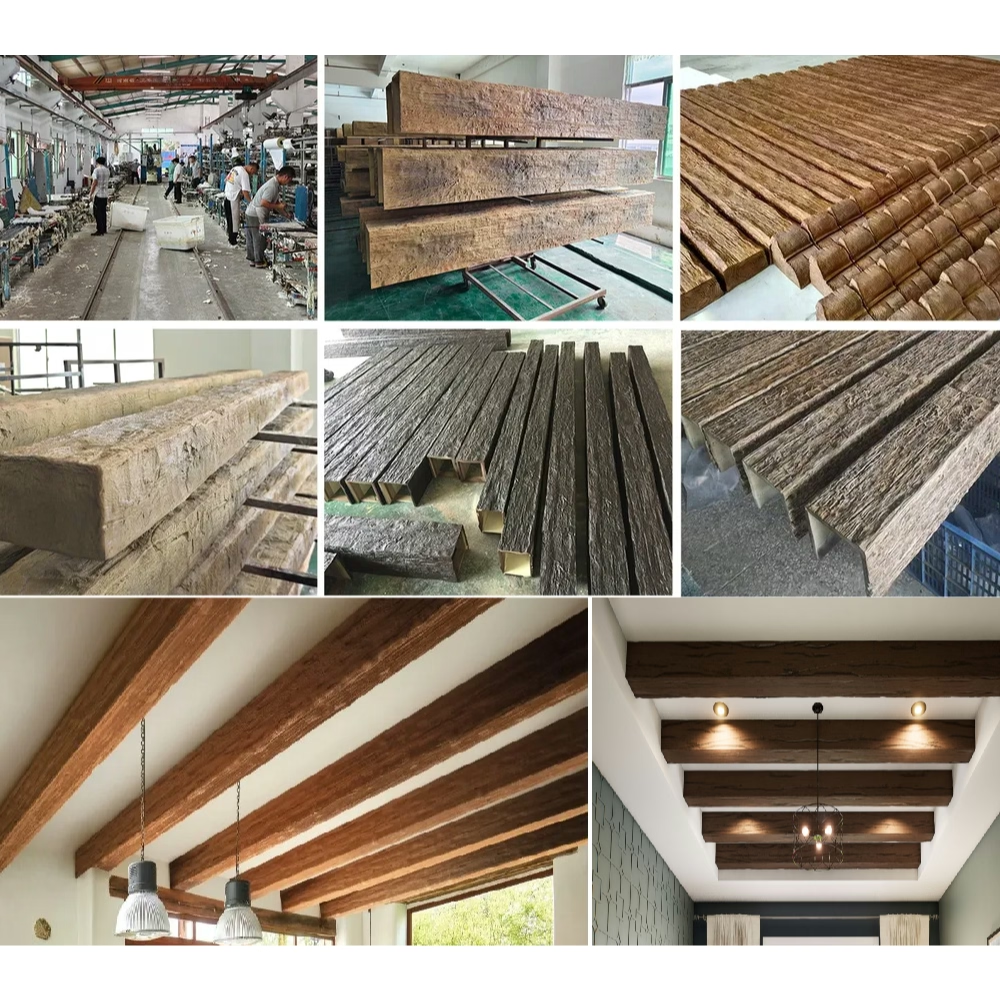
Natural alder wood grain PU faux beams translate this gentle character into a manufactured product that captures the essential qualities of alder while offering the practical advantages of polyurethane construction. The result is a beam that brings the freshness and warmth of natural alder to any interior setting, from compact apartments to expansive commercial lobbies, at a price point and installation complexity that makes the option accessible to a wide range of projects.

The Character of Alder Wood
Understanding why alder makes such an appealing material for decorative beams requires understanding the wood's essential character. Alder is a medium-density hardwood known for its straight grain, fine uniform texture, and consistent color. It is relatively lightweight compared to other hardwoods, which contributes to its ease of use in manufacturing and installation but historically limited its application in structural contexts where heavier, harder woods were preferred.
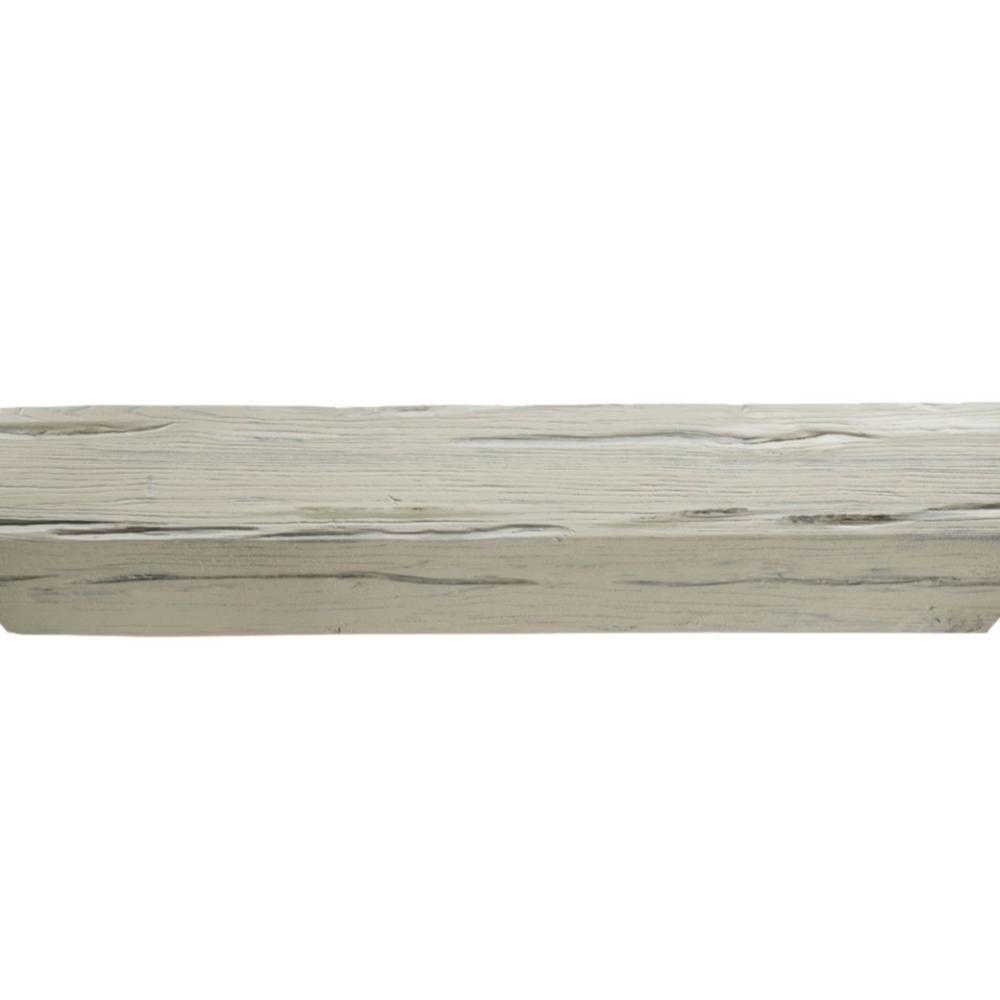
The color of alder ranges from pale straw to light reddish brown in its natural state, darkening slightly with age and UV exposure. Unlike woods with dramatic color variation between heartwood and sapwood, alder exhibits relatively uniform coloration, which contributes to its consistent appearance across large surfaces. This uniformity makes alder particularly well suited to applications where visual continuity is important, such as ceiling beams where the eye travels along long runs of wood.
The grain pattern of alder is distinctive but restrained. The annual growth rings are visible but not pronounced, creating subtle figure patterns that catch the light without creating the busy visual texture of more strongly grained woods. This refined grain character means that alder reads clearly as wood — adding warmth and organic quality to any installation — without introducing the strong visual pattern that can dominate a room's composition.
Why Polyurethane Captures Alder Effectively
Some wood species are more challenging to replicate in polyurethane than others, but alder's restrained character makes it a relatively straightforward subject for faux wood manufacturing. The subtle grain, consistent color, and fine texture that define alder's appeal can be captured with precision in polyurethane, producing beams that read as authentically alder-like at normal viewing distances.
The key to successful alder replication lies in restraint during the manufacturing process. Exaggerating the grain depth or color variation in an attempt to make the beam look more "wood-like" actually undermines the authenticity of alder's character. The most convincing alder-finish beams are those that replicate the wood's subtle, consistent quality rather than trying to improve upon it with more dramatic features.
Polyurethane's surface accepting properties are particularly well suited to the light, clear finishes that alder typically receives. The material takes stain and clear coat evenly, producing consistent color across all beams in an installation. This consistency is actually an advantage over real alder, which can exhibit subtle color variation between boards that, while natural, may be undesirable in applications where visual uniformity is preferred.
Design Applications Across Interior Styles
The light, warm character of natural alder beams makes them surprisingly versatile across a range of interior design styles. Their restraint — the quality that might seem to limit their applications — actually enables them to function effectively in contexts where bolder wood tones would be too dominant.
Contemporary interiors benefit significantly from alder beam treatments. The clean, considered aesthetic of contemporary design can sometimes feel cold or sterile when executed entirely in glass, metal, and white plaster. Alder beams add the warmth and material authenticity that contemporary interiors often lack, and their light color prevents them from introducing the heaviness or visual weight that darker wood tones might create. In a contemporary living room with white walls, light-colored flooring, and minimal furniture, alder beams provide the finishing touch that makes the space feel complete rather than bare.
Transitional interiors — those that blend contemporary and traditional elements — are perhaps the most natural home for alder beams. The warm wood tone bridges the gap between traditional warmth and contemporary restraint, and the subtle grain character complements both the refined details of traditional furniture and the clean lines of contemporary pieces. An alder beam ceiling in a transitional dining room creates an environment where ornate chandeliers and modern table settings coexist comfortably.
Farmhouse and country interiors can also accommodate alder beams, particularly in lighter-toned or updated farmhouse expressions where the full rustic aesthetic is moderated by contemporary influences. Whitewashed shiplap walls paired with alder beams create a fresh, bright farmhouse look that differs from the more primitive farmhouse aesthetic but has its own appealing warmth and authenticity.
Pairing Alder Beams with Color Schemes
The light, warm character of alder beams creates specific opportunities and constraints when it comes to coordinating with room color schemes. Understanding these relationships helps ensure that alder beams enhance rather than disrupt the intended color composition of a space.
Alder beams pair most naturally with neutral color schemes — warm whites, light grays, soft beiges — that maintain the light, airy quality the beams contribute. Wall colors in these ranges create a cohesive environment where the beams appear to be a natural extension of the overall palette rather than a contrasting element inserted into it. The warmth of the alder tone prevents neutral schemes from feeling cold or sterile, adding organic character without introducing strong color.
Cool-toned color schemes require more careful coordination with alder beams. The natural warmth of alder can read as slightly orange or yellow against cool blue or gray walls, potentially creating a jarring color relationship. When alder beams are specified for rooms with cool color schemes, the alder tone should be selected on the cooler end of its natural range — perhaps with more gray than yellow in the finish — to minimize the color contrast. Alternatively, warm-toned accent colors in the room's textiles and accessories can bridge the gap between the cool walls and warm alder beams.
Bold color schemes can also work with alder beams, though the effect is quite different. A room with deep blue or forest green walls and alder beams creates a striking contrast between warm and cool, with the alder providing visual warmth at the ceiling that prevents the deep wall colors from feeling oppressive. This approach is most effective in larger rooms with good natural light, where the contrast can be appreciated without becoming overwhelming.
Commercial and Hospitality Applications
The fresh, approachable character of alder beams makes them well suited to commercial and hospitality applications where creating a welcoming atmosphere is a primary design objective. Cafes, boutique retail spaces, and casual dining restaurants can all benefit from the warmth and material authenticity that alder beams provide.
In cafe environments, alder beams contribute to the warm, inviting atmosphere that encourages customers to linger. The light wood tone prevents the space from feeling too dark or heavy — a risk with darker wood beams in environments where customers may be sitting for extended periods. Paired with natural light from large windows, comfortable upholstered seating, and warm accent lighting, alder beams help create the "third place" environment that successful cafes cultivate.
Boutique retail environments benefit from alder beams' ability to add architectural interest without overwhelming the merchandise display. The restrained wood character does not compete with products on display, and the light color maintains the bright, clean atmosphere that most retail environments prefer. The natural warmth of the wood prevents the retail space from feeling institutional or cold, adding the human touch that distinguishes curated shopping experiences from generic big-box retail.
In hospitality settings such as boutique hotels and bed-and-breakfasts, alder beams can serve as a signature element of the property's visual identity. The fresh, natural aesthetic aligns with wellness-oriented hospitality brands that emphasize organic materials, natural light, and calming environments. Alder beam treatments in guest rooms, lobbies, and common areas create a consistent design thread that guests encounter throughout the property.
Maintenance and Long-Term Performance
Like all polyurethane faux wood beams, alder-finish beams offer significant maintenance advantages over real alder timber. The factory-applied finish provides a protective barrier that resists moisture absorption, staining, and surface damage while maintaining the authentic appearance of natural alder wood.
Real alder wood, despite its many appealing qualities, is relatively soft compared to other hardwoods and can be susceptible to denting and surface damage in high-traffic or high-impact situations. Polyurethane's slightly resilient surface provides better impact resistance than solid alder, and any damage that does occur can be repaired with standard touch-up materials without the specialized woodworking skills that real wood repair would require.
The light color of alder beams has a practical advantage in maintenance: surface dust and dirt are more visible on light surfaces, which means cleaning needs are identified more readily than with darker beam finishes. This visibility is generally beneficial, as it encourages regular cleaning that keeps the beams looking their best, but it also means that alder beams in high-dust environments may require more frequent attention than darker-toned alternatives.
Technical References
ASTM standards cited in every specification
Test Data
Lab results from internal testing program
Updated 2026
Reviewed against current product specs


