American chestnut holds a unique place in the history of American architecture and design. Before the chestnut blight devastated the species in the early twentieth century, chestnut was one of the most abundant and widely used timbers in the eastern United States. Its straight grain, consistent color, and natural durability made it the preferred material for barns, fencing, railway ties, and the structural timbers of countless homes and public buildings. The loss of this species left a void in the material palette of American architecture that has never been fully filled.
The aesthetic legacy of American chestnut endures, however, in the warm honey-brown tones and distinctive grain patterns that characterized the species. Natural American chestnut finish faux wood beams recapture this heritage, bringing the authentic character of a lost timber to contemporary interiors. The deep amber tones, relatively straight grain, and natural warmth of chestnut-finish beams make them an excellent choice for classic and traditional interiors that aspire to an authentically American sense of craft and heritage.

The Heritage of American Chestnut
To understand why chestnut-toned beams carry such resonance in American interior design, it helps to understand something of the tree's history and cultural significance. American chestnut once comprised approximately one in four trees in the Appalachian forests, reaching heights of over one hundred feet with massive trunks free of branches for the first fifty feet. Its nuts fed wildlife and humans alike, and its timber built the structures of a developing nation.
The tannic acid content of chestnut heartwood provided natural resistance to decay, making it exceptionally durable in outdoor and ground-contact applications. Barns built from chestnut a century ago still stand in parts of the Appalachian region, their massive timbers as sound as the day they were hewn. This durability contributed to chestnut's reputation as a reliable, long-lasting material — a reputation that persists even though the living trees are nearly extinct.
The aesthetic qualities of chestnut timber include a warm reddish-brown to golden-brown coloration that darkens to a rich amber with age and exposure. The grain is generally straight, though occasional wavy patterns occur, and the texture is coarse but uniform. The contrast between the lighter sapwood and darker heartwood can be pronounced, creating visible color variation within individual boards that adds to the wood's visual interest.
Recreating Chestnut Aesthetics in Polyurethane
The challenge of recreating chestnut aesthetics in polyurethane lies in capturing both the color palette and the grain character that define the species. The warm amber-brown tones of aged chestnut are not easily matched by standard wood stain colors, and achieving an authentic chestnut finish requires careful formulation and finish application.
The base color of a chestnut finish typically includes warm red-brown and golden-amber tones in roughly equal proportion, adjusted to achieve the specific warmth level desired. Deeper chestnut finishes increase the proportion of red-brown and add darker accent tones to simulate the deeper coloration of heartwood; lighter chestnut finishes emphasize the golden-amber tones for a brighter, more honey-like appearance. The skill of the finishing technician lies in balancing these tones to produce a finish that feels warm and rich without appearing artificially orange or overly saturated.
The grain pattern for chestnut finishes should reflect the species' relatively straight, consistent grain character. Unlike the pronounced cathedral peaks of oak or the dramatic figure of walnut, chestnut grain is subtle and refined — a quality that is easily lost if the grain texture is too deeply rendered. The most convincing chestnut finishes use moderate grain depth with occasional subtle waviness, creating the natural variation of real chestnut without the visual complexity of more dramatically grained species.
Aging effects in chestnut finishes should be applied with restraint. While the deepest antique chestnut finishes may include subtle checking and darkened grain lines, most interior applications benefit from a fresher, more recently milled appearance that suggests quality timber rather than heavily weathered salvage. The finish should look like well-maintained chestnut, not abandoned chestnut — warm and inviting rather than weathered and forlorn.
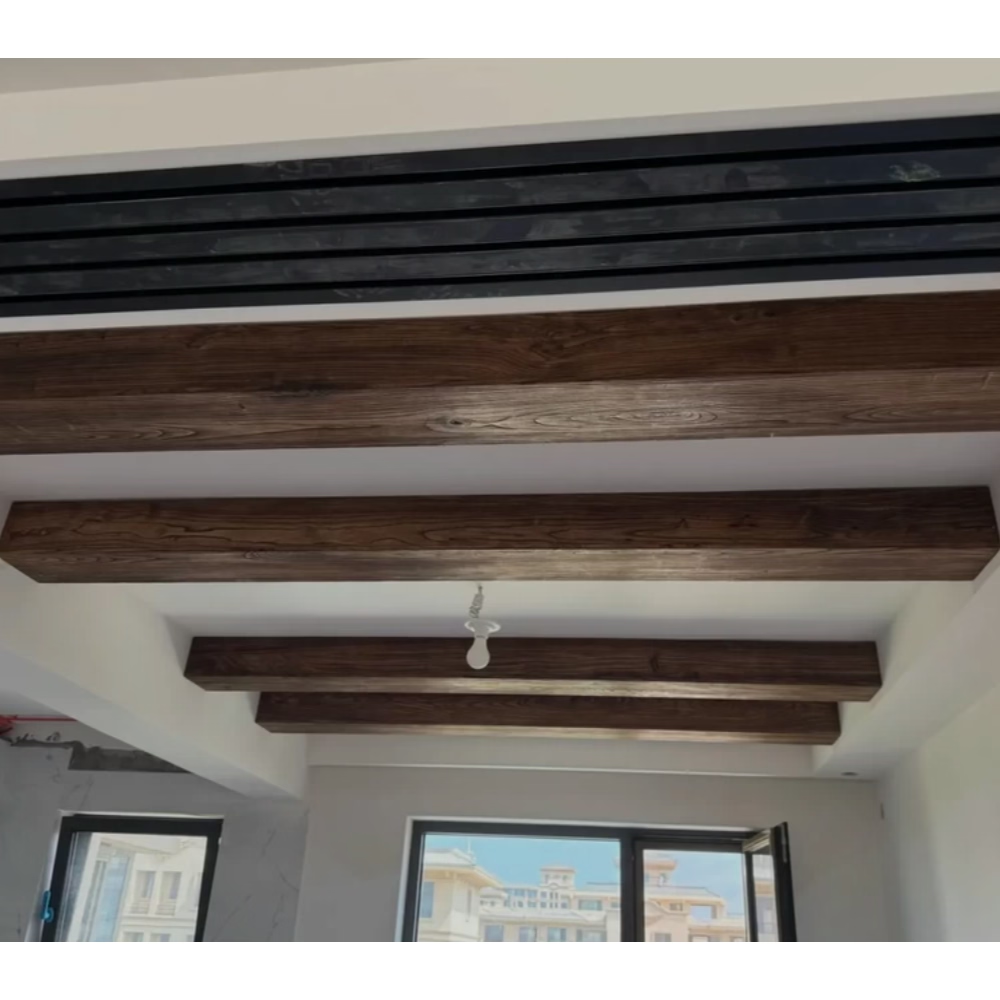
Classic Interior Design Applications
Chestnut-finish beams are most naturally at home in interiors that embrace classic, traditional, or heritage design aesthetics. Their warm, rich tones and authentic American character align with design philosophies that value craft, material honesty, and connection to place.
Traditional American farmhouse interiors are perhaps the most natural context for chestnut beams. The design vocabulary of the American farmhouse — white clapboard or shiplap walls, stone or brick fireplaces, wide-plank floors, and American-crafted furniture — is perfectly complemented by the warm amber tones of chestnut beams. The beams reinforce the room's American identity while adding the architectural warmth and visual richness that distinguishes a designed space from a generic one.
Classic study and library interiors, with their dark wood paneling, leather furniture, and brass accents, are enhanced by chestnut beams that bridge the gap between the heavy wood wall treatments and the lighter ceiling plane. The warm amber tones prevent the ceiling from feeling cold or disconnected from the rich wood environment below, creating visual continuity that unifies the room's composition. In these contexts, chestnut beams should be sized to be substantial — their presence should be felt without overwhelming the room's existing richness.
Dining rooms and great rooms in traditionally styled homes also benefit from chestnut beam treatments. The formality of these spaces is complemented by the refined warmth of chestnut rather than the more rustic character of other wood tones. Paired with a statement chandelier, a substantial dining table, and appropriate wall treatments, chestnut beams contribute to an atmosphere of gracious hospitality that defines the classic American home.
Coordinating with Other Materials
The warm, rich tones of chestnut beams create specific opportunities and challenges when coordinated with other materials in the room. Understanding these relationships helps ensure that chestnut beams enhance rather than clash with the overall design composition.
Stone and brick are natural companions for chestnut beams. The warm tones of chestnut complement the natural color variation of stone and brick, creating material palettes that feel earth-connected and organic. In rooms with stone fireplaces or exposed brick walls, chestnut beams extend the material vocabulary upward into the ceiling plane, creating a unified composition where all materials contribute to the same environmental narrative.
Other wood tones require more careful coordination with chestnut. The warm red-brown tones of chestnut can compete with other warm-toned woods if not carefully managed. When chestnut beams are specified in rooms with hardwood floors, the floor tone should be considered as part of the overall wood palette. Matching floor and beam tones creates visual continuity; contrasting tones create intentional differentiation that may or may not be desirable depending on the overall design concept.
Metal accents in rooms with chestnut beams should generally favor warm metallic tones — brass, copper, antique bronze — over cool metallic tones like chrome or brushed nickel. The warm metal tones reinforce the room's earthy material palette, while cool metals can create uncomfortable color tension with the warm wood tones. In traditional interiors where brass and bronze hardware is expected, this coordination comes naturally; in contemporary contexts where matte black hardware is preferred, the contrast with warm chestnut beams may be more jarring.
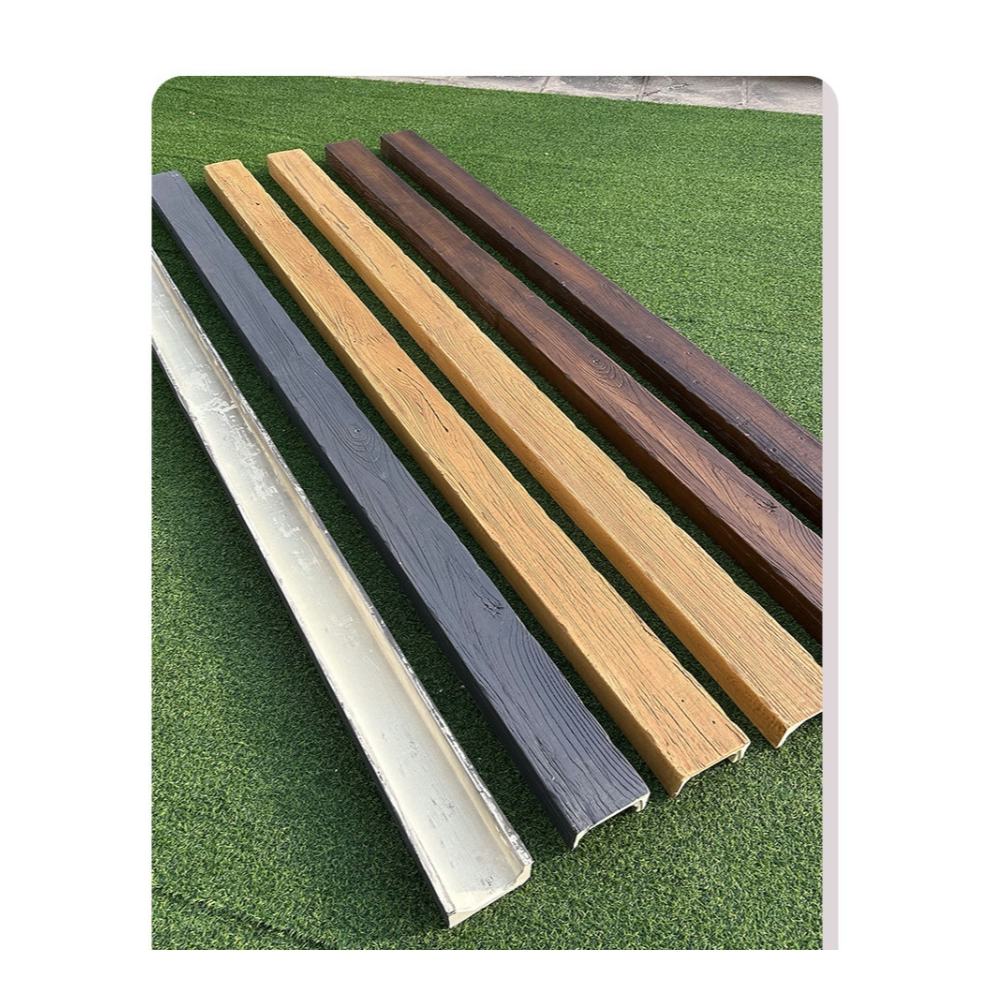
Commercial Heritage Environments
The authentic American heritage of chestnut beams makes them particularly appealing for commercial environments that want to communicate connection to American craft traditions. Breweries, wineries, farm-to-table restaurants, and artisan food producers can all use chestnut beam treatments to reinforce their brand narratives of authenticity, locality, and quality.
In restaurant applications, chestnut beams create the warm, inviting atmosphere that encourages guests to relax and enjoy their dining experience. The rich amber tones are particularly flattering under warm incandescent and candlelight lighting, enhancing the ambiance that fine dining establishments cultivate. The classic American character of chestnut also aligns naturally with menus that feature American regional cuisine, local ingredients, and artisanal preparation methods.
Hotels and inns seeking to create a sense of place rooted in American traditions can use chestnut beams as signature architectural elements. The material's heritage and the warmth of its tones create an immediate sense of welcome and comfort, reinforcing the hospitality brand's commitment to genuine character rather than generic luxury. In lobbies, reading rooms, and dining areas, chestnut beams establish an architectural identity that guests will remember.
Retail environments focused on American-made products, heritage brands, or artisanal goods can use chestnut beam treatments to create physical environments that support their product narratives. The authentic American character of the beams signals the same attention to quality and heritage that distinguishes the merchandise from mass-produced alternatives.
Sizing and Scale Considerations
Chestnut beams should be sized appropriately for the room's scale and ceiling height to achieve optimal visual impact. The warm, rich tones of chestnut contribute visual weight to a space, and oversized beams in this tone can create a sense of heaviness or oppression if the room's proportions are not adequate to support them.
For rooms with standard nine to ten foot ceilings, medium-sized beams with widths of six to eight inches and projections of six to eight inches provide appropriate visual presence without dominating the space. The warm chestnut tone adds richness to the ceiling without making it feel lower or heavier than it actually is.
Rooms with higher ceilings — twelve feet and above — can accommodate more substantial beam sizes. The additional vertical space provides room for the visual weight of larger beams to be expressed without creating a sense of ceiling compression. In these larger rooms, the scale of the beams should be proportional to the room's other elements — large windows, tall furniture, substantial light fixtures — to maintain compositional balance.
The spacing of chestnut beams should follow the principles appropriate to the room's design direction. Traditional interiors typically favor regular, symmetrical spacing with beams parallel to the room's major axes. More casually styled spaces can accommodate varied spacing and asymmetrical arrangements that introduce visual interest through unexpected placement.
Technical References
ASTM standards cited in every specification
Test Data
Lab results from internal testing program
Updated 2026
Reviewed against current product specs


