Hickory is the iron man of American hardwoods — dense, strong, and unapologetically bold. Its grain patterns are among the most dramatic in domestic wood species, with pronounced color contrast between earlywood and latewood that creates distinctive stripe and flame patterns across the board surface. This boldness has made hickory a beloved material in rustic and country interiors, where its assertiveness brings energy and authenticity to spaces that might otherwise feel bland or over-refined.
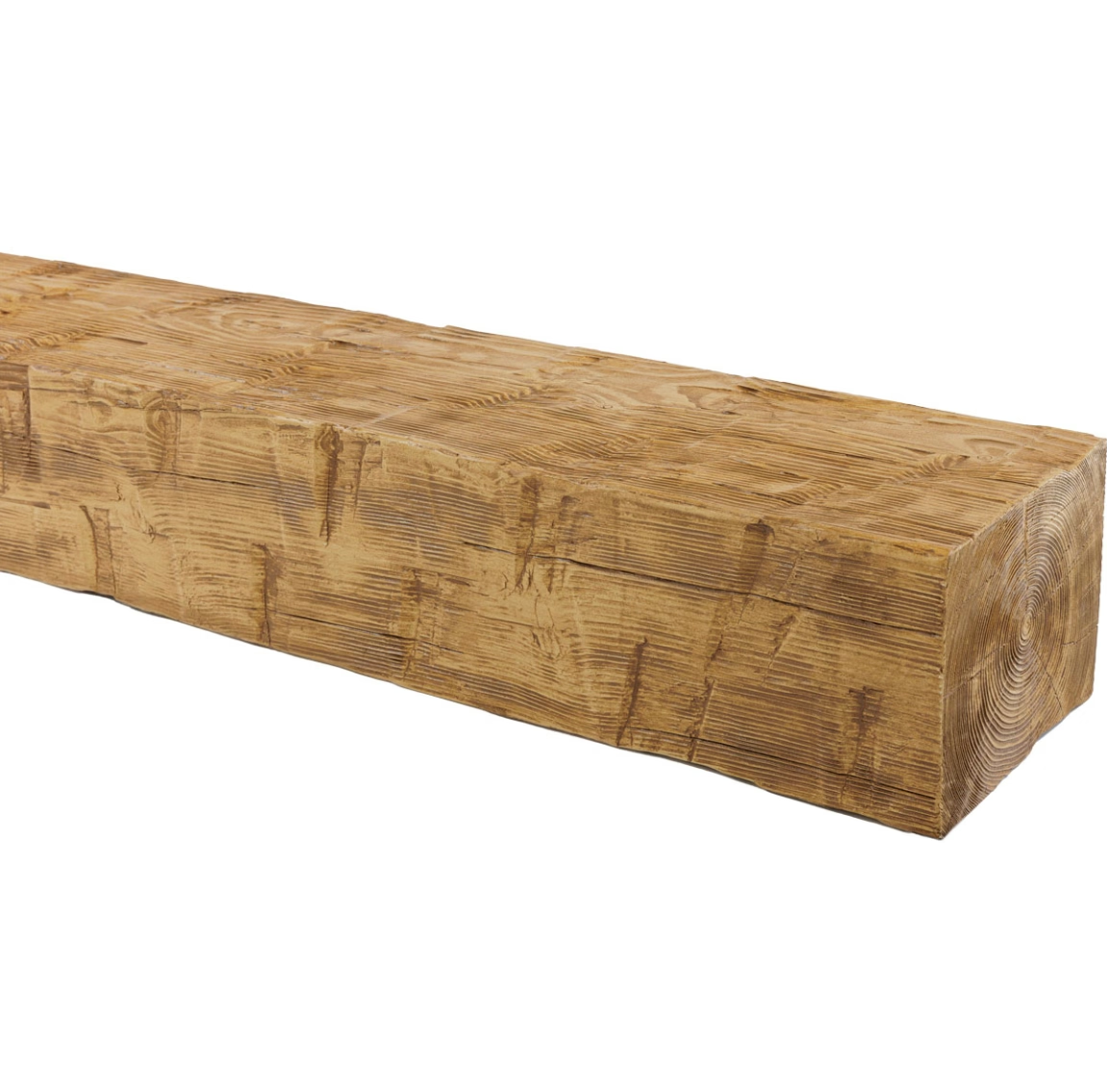
Natural antique hickory grain PU faux timber captures the distinctive character of aged hickory — the dramatic grain patterns, the warm amber to deep brown color range, and the surface character that comes from years of use and exposure. The antique treatment adds depth and complexity to the already rich hickory palette, producing beams that look as though they have been part of the structure for generations rather than freshly installed. For classic rustic interiors that demand bold, confident wood character, antique hickory beams are among the most compelling options available.

The Bold Character of Hickory
Understanding hickory's design potential requires appreciating what makes it distinctive among American hardwoods. Hickory is not a subtle wood. Its grain is bold, its color contrast is pronounced, and its presence in an interior is immediately felt. This assertiveness is precisely what makes hickory valuable in rustic design, where subtlety can read as weakness and boldness signals authenticity.
The grain pattern of hickory is characterized by strong, distinct growth rings with pronounced color differentiation between the lighter earlywood and darker latewood zones. This pattern produces the characteristic "striped" appearance that distinguishes hickory from other domestic species. In quartersawn boards, this stripe pattern can become even more dramatic, with pronounced ray figure creating a flowing, almost liquid appearance across the surface.
Color variation is another defining characteristic of hickory. Individual boards can range from nearly white to deep reddish-brown, and this variation occurs not only between boards but within them. The natural color range of hickory creates a rich, complex surface that reveals new details with each viewing. For decorative beam applications, this variation means that each beam in an installation will be slightly different from its neighbors, creating the kind of organic diversity that characterizes authentic timber construction.
The hardness of hickory — it is among the hardest domestic hardwoods — contributes to its durability but historically limited its use in applications where workability was paramount. In modern polyurethane applications, this hardness is irrelevant, as the material can be shaped and finished without the machining challenges that real hickory presents. The result is that the bold aesthetic of hickory can be achieved without the fabrication difficulties that have historically limited its application.
Antique Treatment and Aged Character
The "antique" designation in antique hickory grain beams refers to a finishing treatment that enhances the wood's natural character while adding the visual complexity of age and use. Antique hickory finishes are designed to look like timber that has been in service for decades — with subtle surface wear, muted color tones, and the kind of nuanced patina that cannot be achieved through fresh-finish techniques alone.
Surface treatment for antique hickory typically involves modulating the grain pattern with darker accent tones in the deepest valleys of the grain figure. This technique, sometimes called "toning" or "patina finishing," adds visual depth to the beam surface by creating shadow-like effects within the grain valleys. The effect is subtle at normal viewing distances but adds richness and complexity that distinguishes antique finishes from standard wood-tone applications.
Color toning for antique hickory moves the natural color palette toward warmer, more amber-toned ranges that simulate the color shift that occurs as hickory ages and oxidizes. Fresh hickory tends toward pinkish and reddish tones; aged hickory develops deeper amber and golden-brown tones that are warmer and more saturated. The antique finish captures this aged color character while maintaining enough of the original tonal range to remain recognizably hickory.
Additional aging effects in antique hickory finishes may include subtle surface checking, edge wear simulation, and slight tonal variation across the beam surface. These effects are applied with restraint — enough to create the impression of age and use without appearing deliberately artificial. The goal is authentic antiquity, not cartoonish aging.
Classic Rustic Design Applications
Classic rustic interiors are the most natural and compelling applications for antique hickory beams. The bold grain character and warm tones align with the fundamental values of rustic design — authenticity, warmth, material honesty, and connection to the natural world — in ways that more restrained wood species cannot match.
Mountain lodge interiors represent perhaps the most iconic application for antique hickory beams. These spaces, designed to evoke the rugged beauty of mountain wilderness, demand materials that are bold enough to stand up to the dramatic natural settings they occupy. Hickory's strong grain patterns and rich color variation create the kind of visual energy that prevents rustic lodge interiors from feeling dull or understated. A vaulted ceiling with antique hickory beams creates an overhead presence that complements rather than retreats from the grandeur of mountain scenery.
Cabin and cottage interiors at smaller scales require more careful application of hickory beams. The bold character of hickory can overwhelm compact spaces if beam sizes are not appropriately scaled. In smaller cabins and cottages, narrower beam widths and shorter projections maintain the visual impact of hickory while preventing the beams from dominating the intimate room proportions. Lighter-toned antique hickory finishes also work better in smaller spaces, as the reduced color intensity prevents the space from feeling closed or heavy.
Farmhouse and country rustic interiors can incorporate antique hickory beams as accent elements within a predominantly lighter material palette. A single substantial hickory beam crossing an otherwise modest ceiling creates a dramatic focal point that anchors the room's design without requiring the full commitment of hickory throughout. This partial application allows the bold character of hickory to register as intentional emphasis rather than overwhelming abundance.
Coordinating Hickory with Other Materials
The bold character of antique hickory creates specific coordination requirements with other materials in the room. The strong visual presence of hickory demands that companion materials either support or deliberately contrast with its character rather than simply coexisting alongside it.
Natural stone and brick are the most natural companions for antique hickory beams. The organic variability of stone and brick, like hickory, brings texture and material richness to the interior environment. The warm tones common to both stone and hickory create visual harmony that unifies the material palette. In fireplaces and accent walls, stone or brick surfaces provide textural variety that complements rather than competes with the hickory grain.
Other wood species in rooms with hickory beams require careful consideration. Hickory's strong pattern can compete with other dramatically grained species, creating visual confusion rather than complementary richness. When other wood species are present, they should be selected for their ability to support rather than rival the hickory — either very subtle wood tones that recede behind the hickory, or very bold species that create intentional contrast. Medium-grained woods in the same tonal range tend to get lost or muddy when paired with hickory.
Metal accents in rustic interiors with hickory beams should generally favor warm, matte finishes over bright or cool metallic surfaces. Black iron, antique bronze, and hammered copper hardware, light fixtures, and decorative elements complement the warm organic quality of hickory while adding the material contrast that prevents the space from feeling monotonous. Bright polished brass or chrome can create uncomfortable visual competition with the hickory's assertive presence.
Lighting Considerations for Hickory Beams
The dramatic grain patterns of hickory beams respond strongly to lighting direction and quality, and lighting design should be considered as carefully as the beam specification itself. The interplay between light and grain can either enhance or undermine the intended rustic effect.
Directional lighting from track fixtures or directional pendants creates the most dramatic grain rendering, with light raking across the grain valleys to produce strong shadow patterns and enhanced depth. This dramatic lighting works well in rustic interiors where the goal is bold visual impact, but it can feel harsh in more refined contexts where the grain's subtlety should be appreciated without aggressive shadow effects.
Ambient or diffused lighting creates a softer rendering of the hickory grain, with less pronounced shadow patterns and a more uniformly lit surface. This approach is more appropriate for spaces where the hickory beams are part of a balanced composition rather than the dominant visual element. The grain remains visible and appreciated, but it does not demand attention through dramatic shadow play.
Warm color temperature lighting — incandescent or warm LED — enhances the amber tones in antique hickory finishes, creating a rich, glowing appearance that reinforces the warmth of the wood. Cool color temperature lighting mutes these warm tones and can make the hickory appear flatter and less rich. For most rustic applications, warm-toned lighting is the preferred choice that brings out the best in antique hickory beams.
Commercial Rustic Applications
Commercial spaces that embrace rustic design — ski resorts, hunting lodges, western-themed restaurants, craft breweries — are natural applications for antique hickory beams. The bold character of hickory creates the kind of memorable, identity-forming environment that distinguishes successful hospitality brands from generic competitors.
Ski resort lodge buildings benefit particularly from antique hickory beams, as the material palette echoes the natural environment — the bark of lodgepole pines, the weathered wood of mountain structures, the organic richness of the forest — while providing the durability and low maintenance that commercial applications demand. The warmth of hickory beams also counteracts the cold, stark atmosphere that glass and steel ski resort architecture can create, providing visual comfort that encourages guests to relax and linger.
Western-themed and steakhouse restaurants use hickory beams to establish a rugged, authentic atmosphere that supports their culinary identity. The bold wood character reinforces narratives of mesquite grilling, craft beer, and honest American fare, creating a dining environment where the physical space tells the same story as the menu. Hickory's association with strength and endurance adds metaphorical resonance to spaces designed around hearty, substantial cuisine.
Craft beverage producers — breweries, distilleries, cideries — frequently incorporate rustic beam treatments to connect their products to traditional methods and authentic craft. The material richness of antique hickory complements the complex aromatics and traditional techniques that define craft beverage production. In tasting rooms and taprooms, hickory beams create the kind of warm, welcoming environment that encourages guests to stay, explore, and return.
Technical References
ASTM standards cited in every specification
Test Data
Lab results from internal testing program
Updated 2026
Reviewed against current product specs


