There's something undeniably special about walking into a room adorned with wood beams. The warmth, the texture, the natural character — it speaks to something deep within us about craftsmanship and connection to nature. But traditional wood beams come with a constellation of problems: they're heavy, expensive, prone to pests, and demand regular maintenance to keep looking their best. This is where modern materials science steps in with an elegant solution that captures everything we love about wood without its drawbacks.
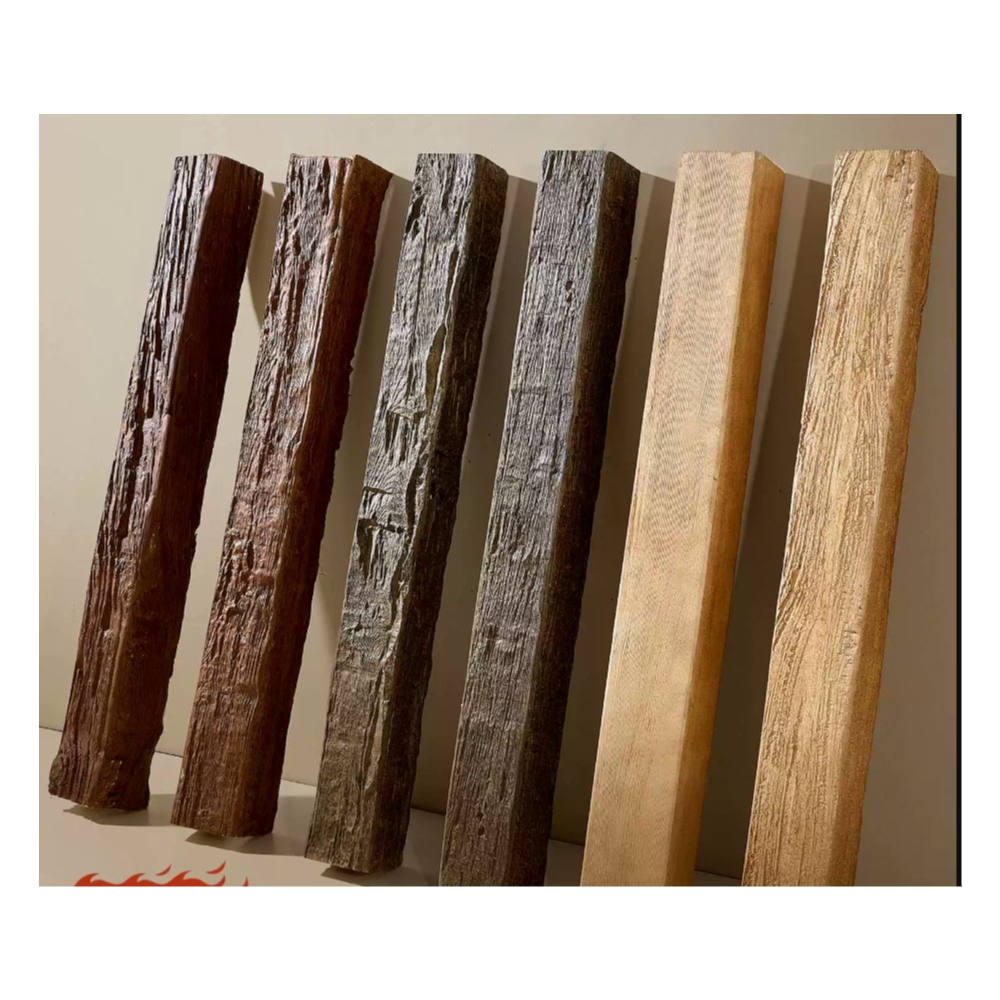
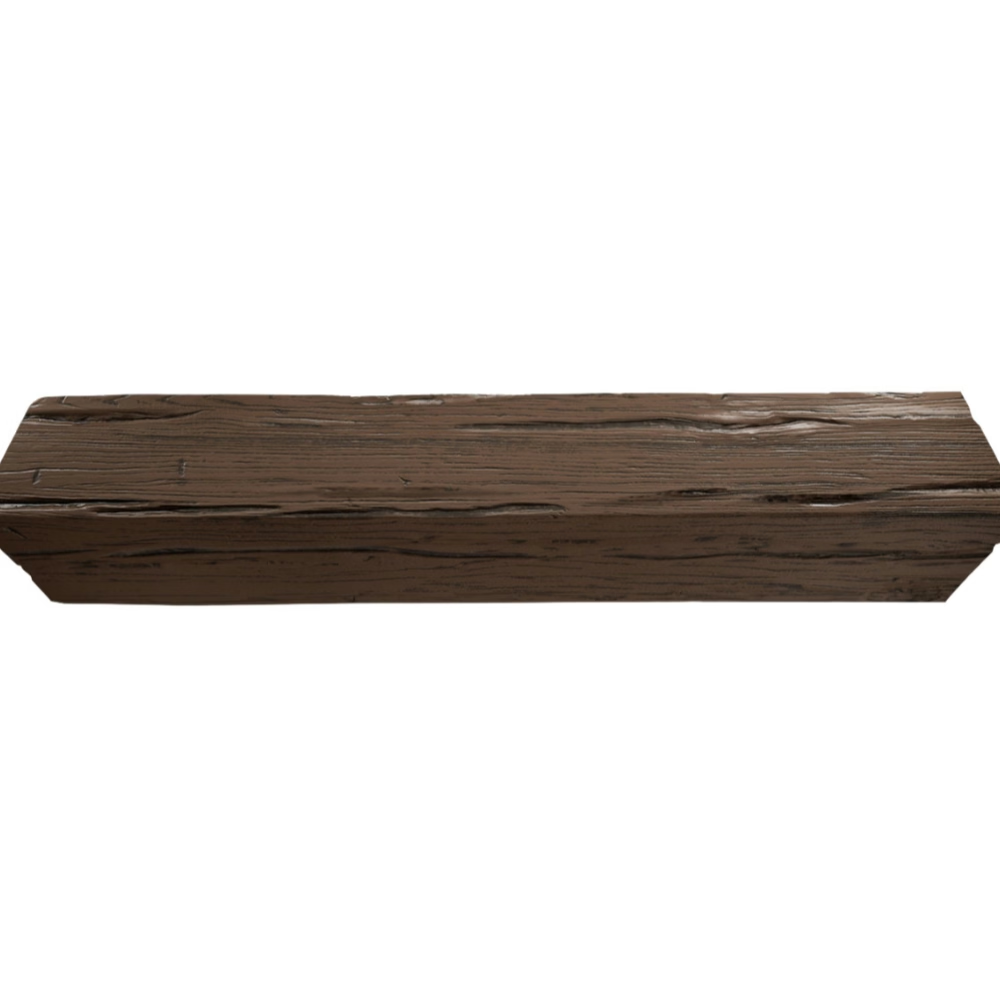
Polyurethane faux wood beams have revolutionized how designers and homeowners approach architectural details. These engineered products use advanced molding techniques to replicate the exact grain patterns, knots, and textures found in natural cedar. The result is a product so convincing that even seasoned contractors sometimes do a double-take. Beyond the visual fidelity, the aromatic cedar effectPU beams capture the essence of the real thing, filling your space with that distinctive fresh, woody fragrance that evokes forest walks and mountain cabins.

The manufacturing process behind these faux beams represents decades of refinement. Engineers start by selecting authentic cedar samples, capturing high-resolution scans of their surfaces to create precise molds. When molten polyurethane is poured into these molds, it captures every microscopic detail — from the fine grain lines to the occasional knot and natural imperfection that gives cedar its character. The material is then infused with cedar-scented compounds during production, ensuring the aroma lingers for years without the need for any special care or treatment.
What makes this particularly compelling for indoor applications is the material's inherent properties. Polyurethane is naturally resistant to moisture, meaning these beams won't warp, crack, or split as temperature and humidity levels fluctuate throughout the year. This stability is crucial in bathrooms, kitchens, and even enclosed porches where real wood would gradually deteriorate. The lightweight nature of polyurethane — typically weighing one-fifth to one-tenth of equivalent dimensional lumber — means no structural reinforcement is required for installation, opening up possibilities that simply wouldn't be feasible with authentic timber.
Design Applications for Cedar Effect Beams
Residential designers have embraced these beams across a stunning variety of settings. Great rooms and living spaces benefit enormously from exposed ceiling beams, creating visual interest that draws the eye upward and makes rooms feel more spacious and architecturally significant. The cedar effect works particularly well in open-plan layouts where the beam can serve as a visual anchor, defining zones without the need for walls or room dividers. A beam running perpendicular to exposed rafters creates layers of visual depth that transform flat ceilings into sculptural elements.
Bedrooms take on a cozy, retreat-like quality when cedar effect beams frame the sleeping area. The warm tones and natural texture create an immediate sense of comfort, while the subtle aromatic quality promotes relaxation. Many homeowners report that the gentle cedar scent helps create a more restful atmosphere, though this effect varies based on individual sensitivity and room ventilation. The beams work beautifully with both contemporary minimalism and traditional decorating schemes, adapting to soft furnishings and color palettes rather than demanding specific design choices.
Kitchens present unique opportunities for cedar effect beams, though careful consideration of placement matters. Beams positioned over islands or dining areas create gathering zones that feel intimate and grounded. The material's resistance to kitchen humidity and occasional steam exposure makes it practical for these high-moisture environments. Some designers incorporate matching beams as decorative mantels above ranges or as frame elements around pantry doors, creating cohesive architectural statements throughout the space.

Bathrooms and spa spaces represent perhaps the most surprising applications for these materials. The moisture resistance that makes PU beams practical in kitchens becomes absolutely essential in wet environments. Cedar effect beams above soaking tubs or in steam rooms create luxurious spa atmospheres without the worry of mold, rot, or water damage that would plague real wood. Paired with natural stone tiles and soft lighting, these beams help transform ordinary bathrooms into personal wellness retreats.
Installation Considerations and Best Practices
Successful installation of cedar effect PU beams begins with careful planning and accurate measurement. Unlike structural timber, these decorative beams are designed to be installed against existing surfaces rather than between load-bearing elements. This means they can be positioned almost anywhere a design vision leads, limited only by practical considerations like fixture clearance and visual balance. Most installations use a combination of adhesive and finishing nails, with the lightweight nature of polyurethane making the process manageable for experienced DIYers.
Supporting structures must be properly prepared before beam installation. This means cleaning surfaces thoroughly, ensuring they are dry and free from dust or debris that might compromise adhesion. In some cases, installers add wooden backing strips between joists to create solid mounting points, particularly when beams will bear any significant weight from light fixtures or other suspended elements. The polyurethane material itself can be cut and shaped with standard woodworking tools, though carbide-tipped blades provide cleaner cuts and longer tool life.
Finishing work for PU beams is remarkably straightforward compared to natural wood. The material accepts paint and stain readily, though most homeowners opt for the natural cedar finish that showcases the authentic grain texture. If custom coloring is desired, a light sanding with fine-grit paper followed by a primer coat ensures even coverage. The seamless nature of molded polyurethane means no visible joints or gaps, even on beams that must span longer distances through splicing.
Long-Term Care and Maintenance Advantages
One of the most compelling arguments for choosing cedar effect PU beams over authentic timber lies in their maintenance requirements — or rather, the near-complete absence of them. Real wood beams demand regular inspection for pest damage, periodic resealing, and vigilant attention to moisture issues that could lead to rot or structural compromise. PU beams eliminate these concerns entirely, allowing homeowners to enjoy the aesthetic benefits of wood grain without the ongoing stewardship responsibilities.
Cleaning these beams requires nothing more than occasional dusting or wiping with a damp cloth. The non-porous surface resists staining and won't harbor dust mites or other allergens, making these beams an excellent choice for households with allergy sufferers. Unlike natural wood, which can develop gray patina when exposed to sunlight over time, the color in PU beams remains consistent and true for years without any protective treatments.
The durability of polyurethane extends to impact resistance as well. While natural wood can dent, scratch, or gouge from everyday bumps and impacts, polyurethane absorbs these minor traumas with greater resilience. Any accidental damage that does occur can often be repaired with simple filler compounds designed for the material, with color-matched touch-up kits available for more significant issues.
Environmental and Economic Considerations
From an environmental perspective, choosing PU faux beams over harvested timber offers meaningful benefits. Authentic cedar beams require logging operations, transportation across potentially great distances, and the felling of mature trees. While sustainably managed forests do exist, the demand for architectural wood elements contributes to pressure on forest ecosystems worldwide. PU beams sidestep these concerns entirely, being manufactured from materials that don't require clearing any timber at all.
The economic advantages compound over time as well. Initial purchase prices for quality PU beams are competitive with mid-range natural wood options, but the calculation changes dramatically when ongoing costs enter the picture. No annual sealing treatments, no emergency repairs for pest damage, no eventual replacement when beams finally succumb to rot or structural fatigue. A single investment in PU beams provides decades of beautiful service without the hidden costs that accumulate with natural materials.
For commercial applications in restaurants, hotels, and retail spaces, these maintenance advantages become even more significant. Commercial environments demand durable finishes that can withstand heavy use and still present an attractive appearance to customers. PU beams deliver this durability while requiring minimal attention from maintenance staff, freeing resources for other priorities.
The cedar effect PU beams represent a thoughtful synthesis of aesthetic appeal and practical engineering. They honor the visual language and tactile qualities that make wood an enduring choice for architectural detail while addressing the legitimate concerns that can make natural materials impractical for many applications. Whether you're renovating a single room or designing an entire property, these beams offer a path to achieving warmth and character without compromising on convenience or longevity.
Technical References
ASTM standards cited in every specification
Test Data
Lab results from internal testing program
Updated 2026
Reviewed against current product specs


