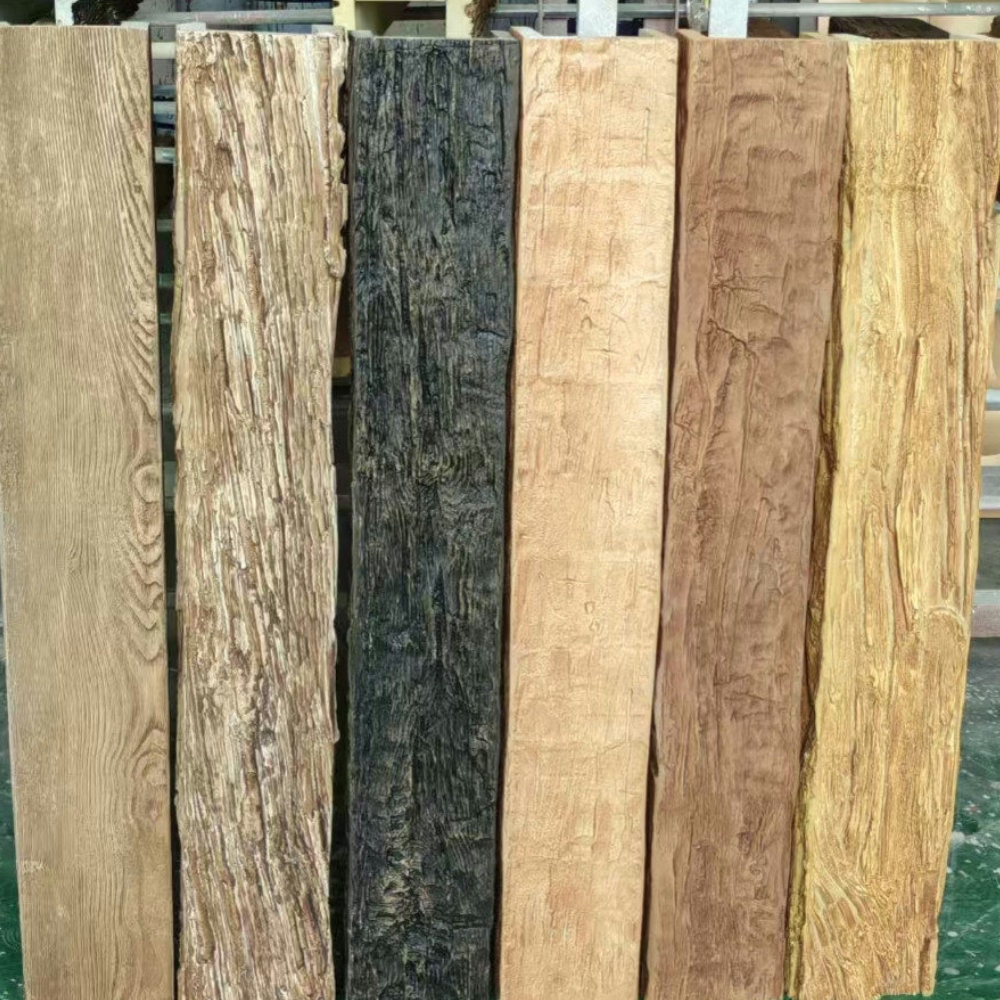
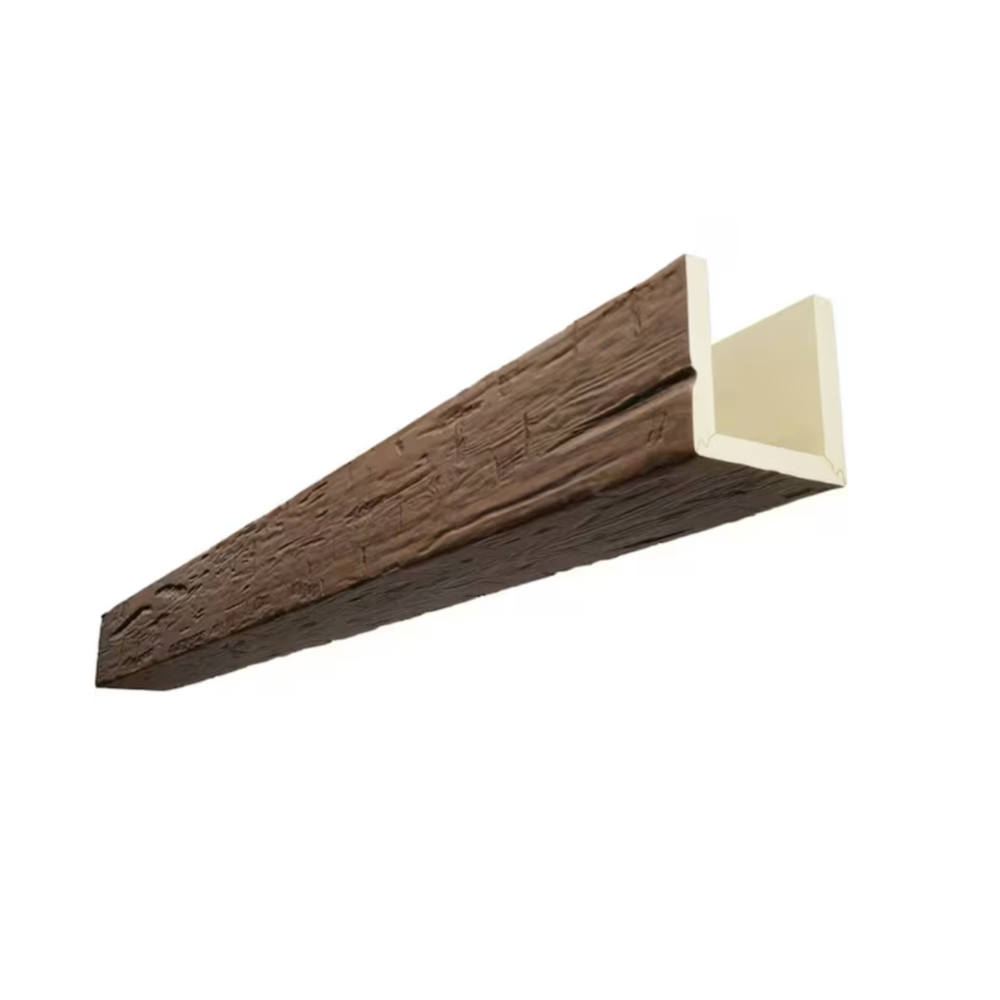
Dark wood has always occupied a special place in the hierarchy of interior finishes. Where light woods suggest casualness and approachability, dark woods project authority, permanence, and refined taste. The deep browns and rich chocolate tones of walnut have been prized for centuries in furniture making, architectural detailing, and fine interior design. Libraries paneled in walnut convey scholarly gravitas; dining rooms with walnut trim suggest formal elegance; living spaces featuring dark wood beams communicate confident sophistication. This prestigious heritage makes walnut a perennial choice for those seeking interiors with unmistakable quality signals.
The challenge facing designers who specify walnut centers on the material's practical limitations. American black walnut remains relatively available compared to some exotic species, but premium timber commands prices that can strain project budgets significantly. The wood's hardness and density, while contributing to its durability, make it challenging to work with — blades dull quickly, joints require precision to execute well, and finishing demands expertise to achieve the glass-smooth surfaces that walnut deserves. Weight adds installation complexity, often requiring structural calculations and reinforcement that compound the overall project cost.
These practical realities have driven interest in high-quality alternatives that deliver walnut's visual impact without its drawbacks. Modern polyurethane technology has advanced to the point where reproductions capture walnut's distinctive character with remarkable fidelity. The swirling grain patterns, the subtle color variations from pale sapwood to dark heartwood, the occasional cat's paw or mineral streak — all are faithfully reproduced in materials that install easily and perform indefinitely.
The Distinguished Character of Black Walnut
Understanding walnut's appeal requires appreciating what distinguishes it from other dark wood species. Unlike some woods with uniform coloration, walnut displays remarkable natural variation. Growth conditions create differences in grain pattern density and figure. The transition from creamy sapwood to rich brown heartwood produces striking color contrasts in live-edge pieces. Quarter-sawn surfaces reveal the distinctive brown line figure that collectors prize. No two pieces are exactly alike, and this individuality contributes to the material's prestige.
The grain character of walnut deserves particular attention. It runs generally straight but can wave and curl near knots or figure areas, creating the swirling patterns that give walnut its dynamic appearance. Pores are fine and evenly distributed, contributing to the wood's smooth texture when properly finished. The moderate hardness resists everyday wear while remaining workable with hand and machine tools. These combined characteristics produce a wood that is both beautiful and practical for demanding applications.
Natural walnut surfaces darken with age and exposure to light, developing the rich patina that distinguishes antique pieces from new material. This characteristic has traditionally been considered a virtue — walnut furniture from previous centuries shows the depth of color that only time can produce. Modern PU reproductions can capture this aged appearance immediately, bypassing the waiting period required for natural walnut to develop its full character.

Luxury Interior Applications
Home libraries and studies represent natural applications for black walnut beams, spaces where the wood's scholarly associations find full expression. Ceiling beams add architectural weight that supports the contemplative atmosphere these rooms require. The beams provide visual grounding for bookcases, seating arrangements, and study desks, creating a cohesive environment that encourages focus and reflection. Dark wood tones complement leather-bound volumes and brass fixtures, completing a picture of cultured leisure.
Wine cellars and tasting rooms benefit similarly from walnut's sophisticated character. The warmth and richness of dark wood creates intimate enclosure appropriate for savoring fine vintages. Beams above tasting bars or display areas establish visual hierarchy and functional zones without resorting to physical dividers. The moisture resistance of PU material proves particularly valuable in cellars where humidity levels would concern those with organic wood installations.
Master suites embrace dark wood beams as a luxury finish that elevates the sleeping space beyond ordinary bedrooms. The beams add presence and substance to large primary rooms that might otherwise feel cavernous. Paired with rich textiles, quality linens, and carefully chosen furniture, walnut beams help create private retreats worthy of the designation. The material's warmth prevents the space from feeling cold despite its dark coloration.
Formal dining rooms achieve new levels of elegance with walnut beam installations. The beams provide framework for chandeliers and pendant fixtures while contributing their own decorative interest. Long continuous beams above dining tables create natural focus and ceremony. In rooms with higher ceilings, clusters or grids of beams add complexity and visual interest that prevents spaces from feeling stark or empty.


Coordinating Dark Wood Throughout Interiors
Introducing dark wood beams into a design scheme requires attention to the broader color palette. Dark walnut provides strong visual weight that demands careful balance with surrounding elements. Walls in lighter tones — warm whites, soft grays, or muted earth colors — prevent the beams from overwhelming the space. The contrast between dark beams and light walls creates the dramatic interplay that makes architectural wood detailing so effective.
Flooring choices interact with ceiling beams to establish visual continuity. Dark walnut floors paired with matching beams create dramatic envelopment that works well in formal spaces but may feel oppressive in everyday living areas. Lighter floors — oak, maple, or even light walnut — provide necessary contrast while maintaining color family consistency. The goal is creating a balanced composition where no single element dominates excessively.
Furniture selection should consider the beam finish to avoid either matching too closely or contrasting too harshly. Furniture slightly lighter or darker than the beams creates visual hierarchy and interest. Mixed wood tones throughout a space can work beautifully when handled with sophistication, introducing complexity that single-material schemes cannot achieve. The key is ensuring enough variation in grain patterns and coloration that pieces don't blend together indistinguishably.
Textiles and soft furnishings offer opportunities to reinforce or soften the dark wood aesthetic. Rich jewel tones — burgundy, forest green, navy — complement walnut's warmth beautifully. Cream and ivory provide soft contrast without the harshness of pure white. Metallic accents in brass or bronze pick up amber undertones in the wood, while cooler silver or chrome reads more distinctly against the warm brown palette.
Installation and Performance Considerations
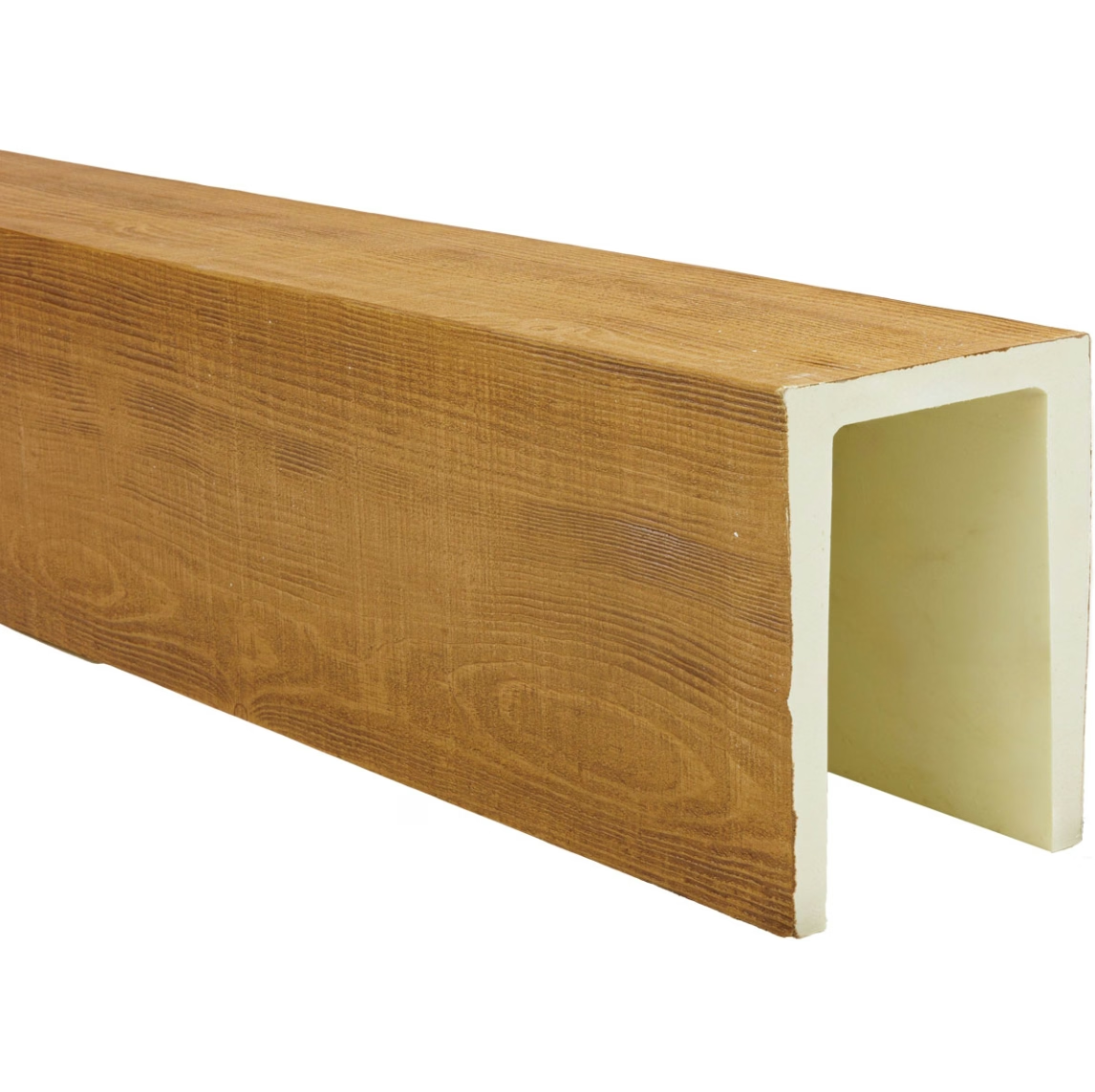
Despite their premium appearance, black walnut effect PU beams install with the same ease as lighter alternatives. The lightweight nature of polyurethane remains a constant regardless of the surface texture or color. Standard woodworking tools handle cutting and fitting, with carbide-tipped blades recommended for clean cuts through the dense material. Adhesive and finish nail combinations provide secure mounting in most applications, with specialized mounting systems available for situations requiring additional support.
The stability of PU material proves particularly valuable with dark wood finishes. Natural walnut can develop uneven coloration when exposed to light — surfaces facing windows or light sources darken faster than protected areas. PU reproductions maintain consistent coloring indefinitely, eliminating this concern entirely. The material also resists scratches and dents more effectively than natural walnut, maintaining its pristine appearance through years of use.
For commercial applications in hotels, restaurants, and luxury retail environments, the maintenance advantages of PU beams become essential. These high-traffic spaces demand finishes that look continuously excellent without constant attention. Dark walnut PU beams deliver prestigious aesthetics while standing up to the demands of commercial use. Cleaning requires nothing more than standard dusting or occasional wiping, with no special treatments or periodic refinishing required.
Investment Value and Design Impact
The cost-effectiveness of PU faux beams relative to authentic walnut becomes more apparent when lifecycle costs enter the calculation. Natural walnut beams require periodic refinishing to maintain their appearance — typically every three to five years in demanding environments. Each refinishing cycle involves stripping old finish, sanding, staining if desired, and applying new protective coats. The cumulative cost of these treatments over decades substantially exceeds the initial savings of choosing natural material.
Design flexibility represents another economic dimension often overlooked. With PU beams, the same profile and texture can be specified in any finish from natural walnut to custom colors. This means design changes can be accommodated without ordering entirely new materials. Natural walnut cannot be lightened or altered to match changed design directions — those beams must be replaced entirely if the project aesthetic shifts.
The psychological impact of dark walnut beams often exceeds expectations. Clients who initially express concern about the material feeling too heavy or dark typically find their concerns dissolve once beams are installed and the space comes alive. The warmth of true walnut tones creates atmosphere that lighter materials simply cannot match. The beams transform ordinary rooms into exceptional spaces, delivering design impact that justifies the investment many times over.
Black walnut beams represent an investment in enduring quality and sophisticated taste. By choosing PU reproductions, designers and homeowners can specify this prestigious material without the practical compromises that have historically limited its application. The result combines the timeless appeal of walnut with contemporary manufacturing advantages, creating possibilities that traditional materials cannot offer.
Technical References
ASTM standards cited in every specification
Test Data
Lab results from internal testing program
Updated 2026
Reviewed against current product specs