Coastal living has captured the popular imagination for generations, promising a lifestyle characterized by salt air, endless horizons, and the soothing rhythm of waves. These aspirational associations translate powerfully into interior design, where coastal style continues to evolve beyond predictable nautical clichés toward something more subtle and sophisticated. At its best, contemporary coastal design captures the essence of beach living — light, air, natural materials, and a sense of relaxed refinement — without relying on seashells and ship wheels. Light-bleached wood finishes embody this refined coastal aesthetic perfectly.
The weathered, sun-bleached appearance of timber that has spent years exposed to coastal elements carries a particular beauty that cannot be replicated through artificial means. Salt spray accelerates the bleaching process; constant sun breaks down surface fibers; sand carried on wind polishes exposed surfaces to soft smoothness. The result is wood with extraordinary character — pale coloration ranging from warm sand tones through cool grays, textural complexity from fine grain to prominent patterns, and a sense of history that comes from surviving harsh conditions. Capturing these qualities requires sophisticated reproduction techniques that honor the organic processes creating them.
Modern coastal interiors increasingly reject the heavy, formal aesthetics that dominated beach house design in previous generations. Where once coastal homes featured dark woods, heavy upholstered furniture, and elaborate detailing, today's beach-inspired spaces emphasize openness, lightness, and effortless casualness. Bleached wood beams serve this aesthetic perfectly, providing visual warmth and textural interest without contributing the heaviness that would compromise the airy feeling these spaces seek. The material enables designs that feel genuinely contemporary while still referencing the natural beauty of coastal environments.

The Allure of Weathered Coastal Wood
Authentic bleached wood develops its characteristic appearance through prolonged exposure to elements that would destroy lesser materials. Salt serves as a natural bleaching agent, accelerating the oxidation of wood fibers and preventing the darkening that occurs in protected environments. UV radiation breaks down lignin, the polymer binding wood cells together, leaving behind the pale cellulose that creates the distinctive silver-gray appearance. This combination produces coloration that varies dramatically between pieces, with protected surfaces retaining warmth while exposed faces bleach to pale gray.
The surface texture of coastal weathered wood reflects its battle with the elements. Soft earlywood erodes faster than dense latewood, creating raised grain patterns that catch light and add tactile interest. Salt crystals deposit in wood pores, then dissolve and redeposit as conditions change, gradually widening grain lines and opening checking patterns. Sand carried on strong winds polishes exposed surfaces to surprising smoothness. These textures interact with light in complex ways, creating the visual depth that distinguishes genuine weathered wood from flat printed patterns.
Genuine coastal timber carries associations beyond its visual appearance. It speaks to time spent in a particular place, accumulating the marks of exposure and survival. Using such material connects spaces to the larger narrative of coastal environments — the endless processes of erosion and deposition, the power of wind and water, the patient work of salt and sun. These associations add intangible value that purely aesthetic considerations cannot capture.
Contemporary Coastal Design Principles
Modern coastal interiors share certain characteristics that guide material selection and placement. Light remains paramount — windows are maximized, artificial lighting is carefully layered, and surfaces are chosen to reflect and amplify available natural light. Bleached wood beams contribute to this luminous quality rather than diminishing it, with their pale tones actually enhancing the sense of brightness throughout spaces. The key is ensuring beams don't cast heavy shadows or create visual weight that drags attention downward.
Open floor plans dominate contemporary coastal design, with spaces flowing into one another without hard boundaries. Beams can help define zones within these open layouts, creating subtle separation through material and placement. A beam running perpendicular to the long axis of a combined living and dining space establishes two distinct areas while maintaining visual continuity. Multiple beams across a large great room create rhythmic structure that prevents the space from feeling cavernous.
Natural materials characterize authentic coastal style beyond wood elements. Stone, linen, cotton, rattan, and ceramic appear in abundance, each contributing textural variety and organic warmth. These materials work best in combination, with bleached wood beams serving as architectural punctuation among softer furnishings. The palette remains light and neutral overall, with occasional touches of ocean-inspired color — pale blues, sandy tans, sea glass greens — providing subtle references to the coastal setting without overwhelming the calm atmosphere.
Furniture selection for coastal interiors should prioritize comfort and casual elegance over formality. Pieces that look equally appropriate indoors and out — weathered teak, whitewashed finishes, clean-lined silhouettes — reinforce the connection between interior and landscape. Slipcovered upholstery in sun-resistant fabrics handles the challenges of coastal environments while maintaining the relaxed aesthetic these spaces require.

Room-by-Room Application Guide
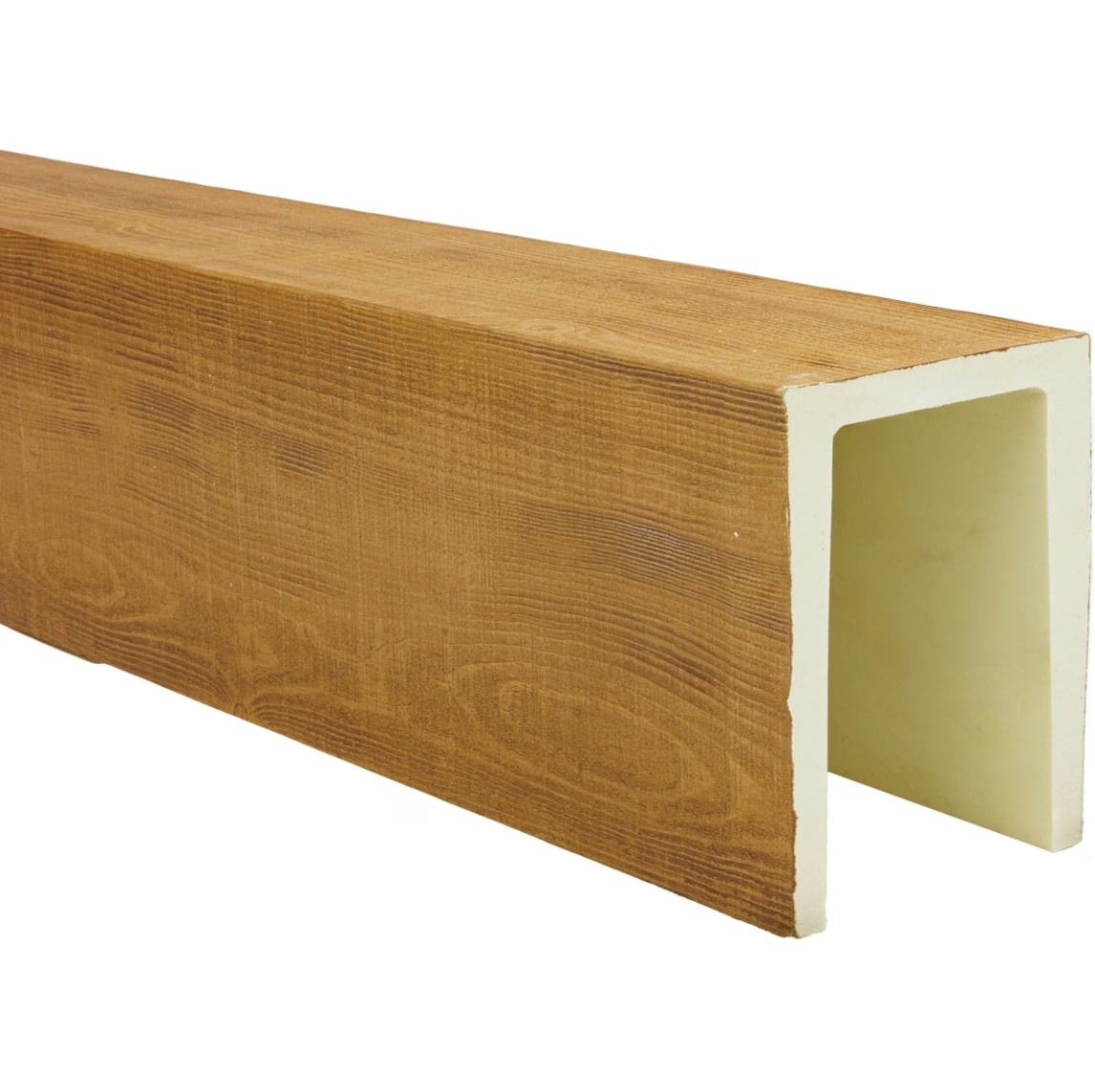
Living rooms in coastal homes benefit from bleached beam installations in several configurations. Cathedral ceilings with exposed beams create dramatic architectural statements, with bleached wood providing warmth without heaviness. Beams running parallel to the ridge draw the eye upward and emphasize the height of the space. Flat ceilings can accommodate faux beams in various patterns — single accent beams, parallel runs, or geometric grids — depending on the desired effect and available scale.
Kitchens present both opportunities and challenges for bleached wood beams. The material's moisture resistance makes it practical for kitchen environments where natural wood would gradually deteriorate. Beams above islands create natural gathering zones, their pale coloring complementing white or light stone countertops. Open shelving pairs naturally with bleached beams, with the combination creating layered display space that feels organic rather than contrived. Avoid placing beams directly above cooktops unless adequate clearance and ventilation are provided.
Bedrooms embrace the serene quality of bleached wood beams particularly well. The sleeping environment benefits from the calm, restful atmosphere these beams create — pale, quiet, and unobtrusive. Beams can frame the bed placement or run across the ceiling perpendicular to it, creating visual orientation that helps define the space. The beams work beautifully with white or cream linens, natural fiber rugs, and minimal furnishings that preserve the sense of airiness.
Bathrooms in coastal homes often feature bleached wood beams as accent elements. The moisture-resistant performance of PU material proves invaluable in these wet environments. Beams above freestanding tubs create intimate enclosures that enhance the spa-like quality of these retreats. In shower areas, beams add warmth and texture to spaces that might otherwise feel clinical. The key is ensuring adequate ventilation and sealing of any penetrations through the beam material.
Light and Color Coordination
The pale character of bleached wood beams requires thoughtful color coordination throughout surrounding spaces. Walls in warm whites, soft creams, and pale neutrals complement the beams without competing for attention. Cool grays with blue undertones can create subtle disharmony with the generally warm coloration of bleached wood; testing samples in actual lighting conditions helps identify potential conflicts before commitment.
Flooring choices range widely depending on the overall design direction. Light hardwoods — white oak, maple, or bleached walnut — create continuity with ceiling beams while maintaining the bright, open feeling coastal interiors prioritize. Polished concrete or light tile offer contemporary alternatives that can work beautifully when paired with appropriate furnishings and textiles. In more casual coastal settings, natural woven rugs in seagrass or jute add texture without adding visual weight.
Window treatments should preserve as much natural light as possible while providing privacy when needed. Sheer panels in white or cream allow maximum light penetration while softening harsh glare. Woven wood shades introduce additional natural texture while offering adjustable light control. The goal is maintaining the connection to the outdoors that defines coastal living while providing practical privacy for daily life.
Performance in Coastal Environments
Coastal locations present demanding conditions that test building materials severely. Salt air penetrates everywhere, carrying corrosive compounds that attack metals and accelerating the deterioration of organic materials. Humidity levels cycle dramatically with changing weather, expanding and contracting wood in ways that eventually cause cracking, splitting, and structural failure. UV exposure from intense sunlight breaks down surface coatings and colorants, fading finishes and degrading underlying materials.
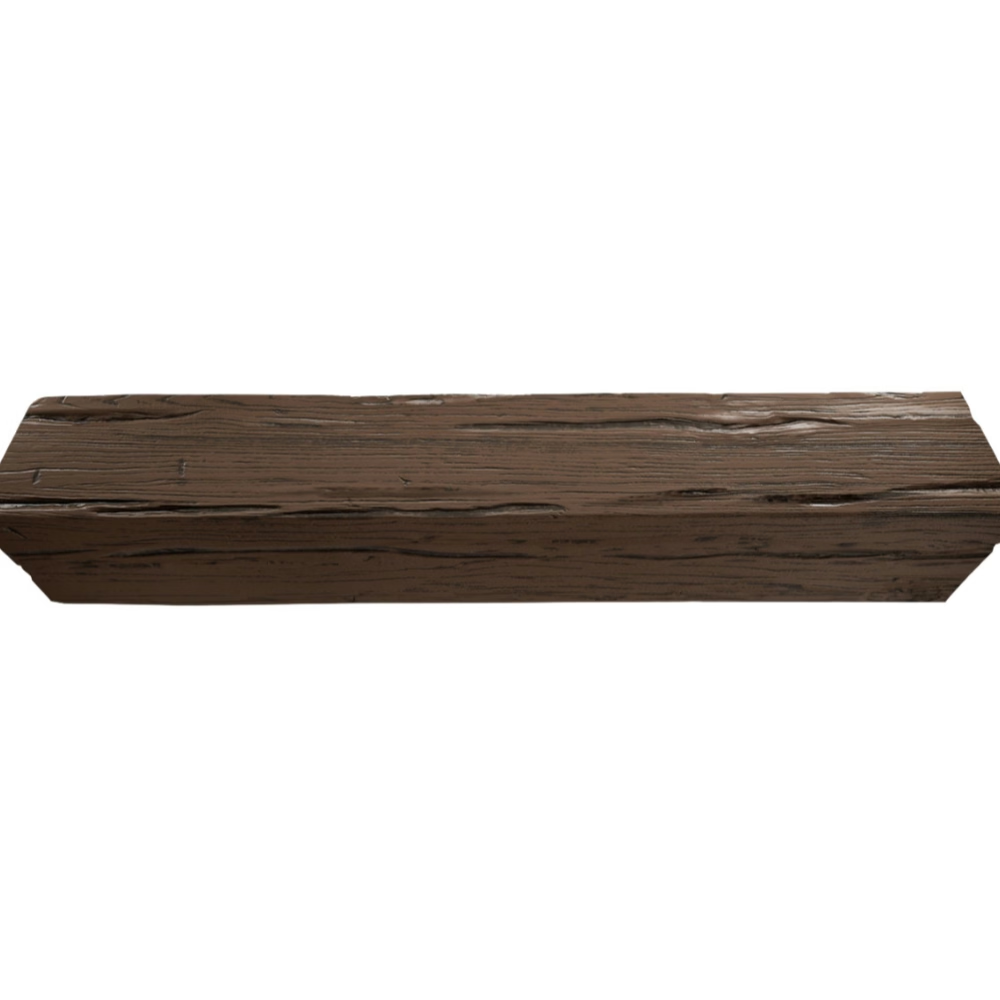
PU faux beams address every one of these coastal challenges. The material contains no organic compounds that salt air could attack or that would provide food for mold and mildew. Polyurethane tolerates humidity fluctuations without dimensional change, maintaining fit and appearance through the most demanding weather cycles. UV-stable colorants resist fading even in intense sun exposure, ensuring beams maintain their bleached appearance indefinitely. For coastal properties, these performance advantages translate directly into reduced maintenance and longer service life.
The lightweight nature of PU material provides additional coastal advantages. Heavier materials face greater wind loading forces; lightweight beams reduce the structural demands on mounting points and supporting structures. This becomes particularly valuable in regions subject to hurricanes or tropical storms, where every unnecessary weight aloft represents potential failure points. Beams can be specified and installed with confidence that they will perform reliably through whatever weather arrives.
Coastal style continues to evolve, with contemporary interpretations emphasizing refinement and subtlety over the heavy nautical themes of earlier generations. Bleached wood effect PU beams enable these refined coastal aesthetics, providing the light, warm, natural character that defines current beach house style. The material performance ensures these designs remain beautiful for years despite the demanding coastal environment.
Technical References
ASTM standards cited in every specification
Test Data
Lab results from internal testing program
Updated 2026
Reviewed against current product specs


