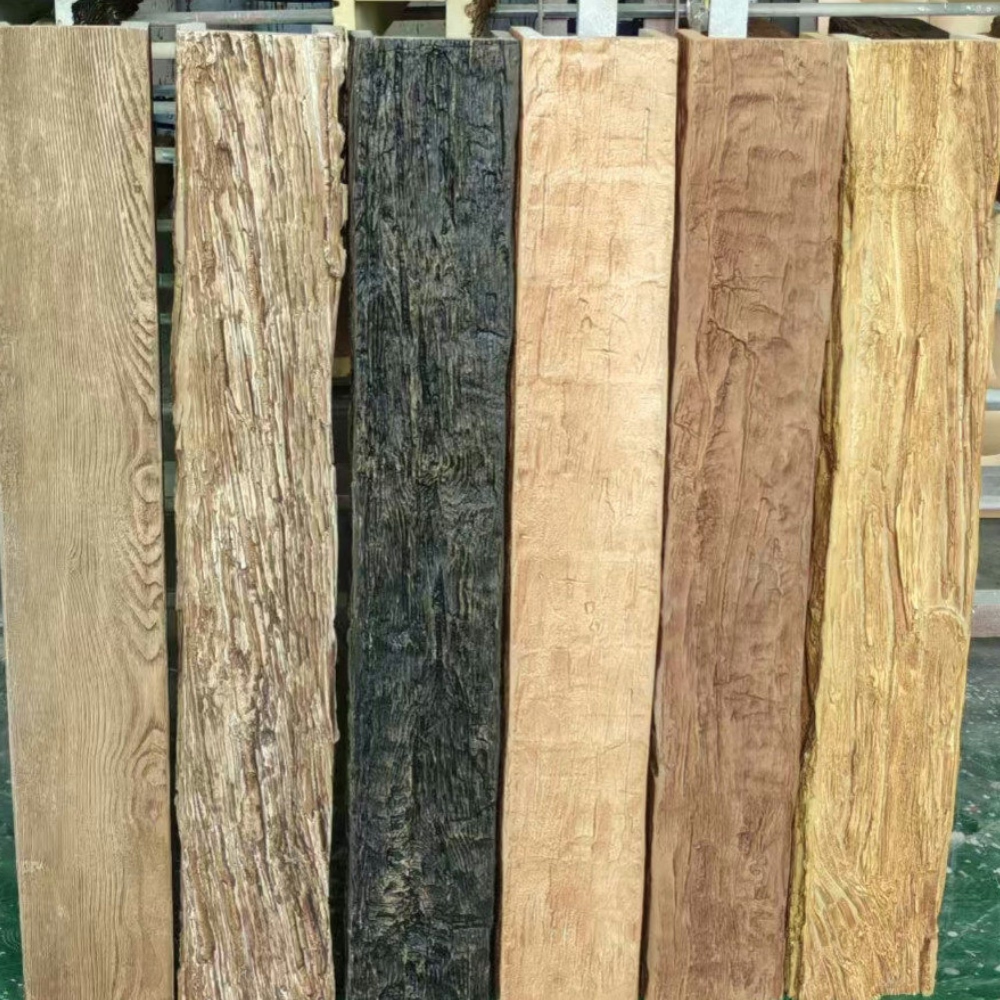
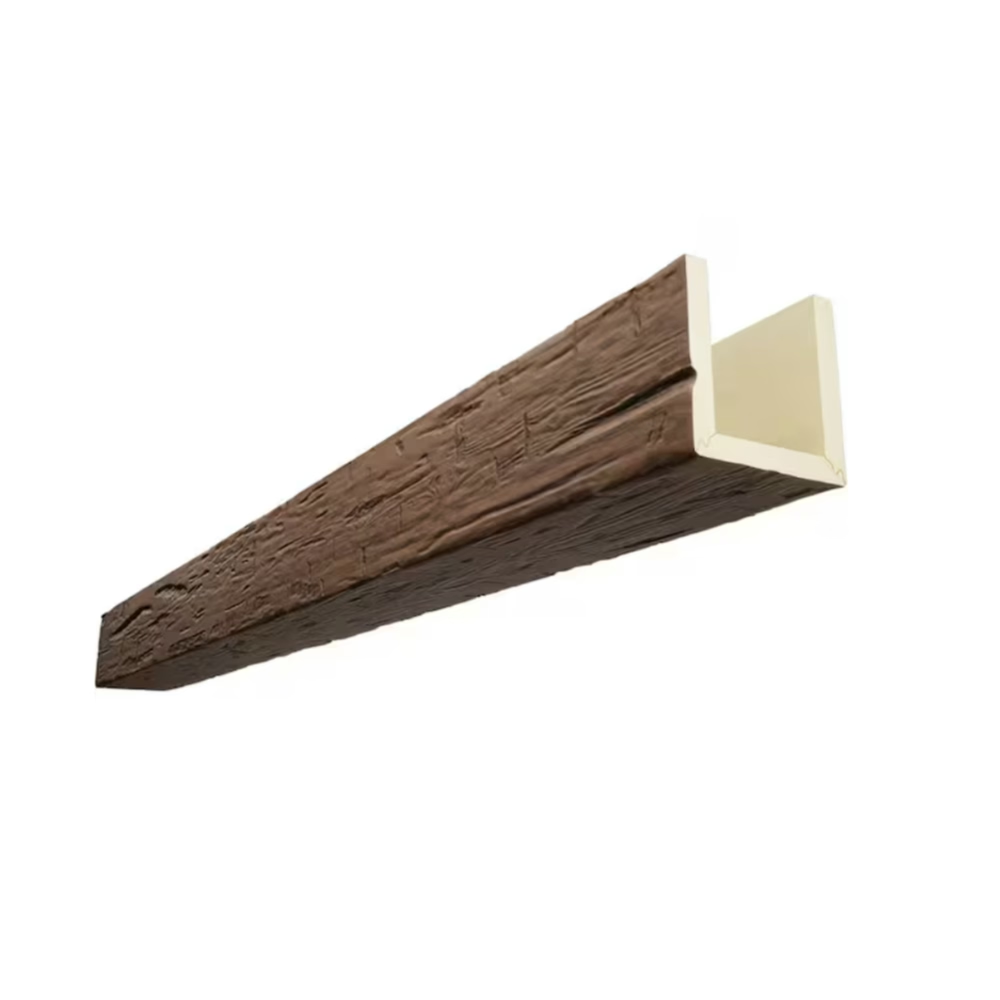
The human eye perceives beauty in natural imperfection with a depth that manufactured perfection cannot achieve. Clean, uniform surfaces have their place in design, but spaces furnished entirely with factory-perfect elements can feel sterile and disconnected from the organic world that shaped us. Wood with visible grain patterns, occasional knots, and the subtle irregularities of organic growth connects interior spaces to living systems, reminding inhabitants that beauty need not be controlled to be compelling. This is the essential appeal of rustic design — not its rejection of quality, but its embrace of authentic natural character.
Among the features that distinguish genuinely rustic wood, burls and knots occupy special positions. Burls are spherical growths on tree trunks where dormant buds failed to develop normally, creating swirling patterns of convoluted grain that can resemble landscape paintings or ocean swells viewed from above. Knots mark where branches once joined the trunk, appearing as dark circular figures that interrupt the surrounding grain pattern. Both features testify to the tree's life history — the burl marking some past trauma or stress, the knot recording the branch structure of the living tree. When incorporated into architectural woodwork, these features add narrative depth that uniform materials simply cannot provide.
The challenge has always been controlling these natural variations for architectural applications. Authentic wood with prominent burl or knot character comes in limited quantities, with each piece presenting unique dimensions and characteristics. Matching pieces across multiple installations proves nearly impossible, and the organic nature of the material means future replacements will never match original installations exactly. Polyurethane reproductions solve these problems by capturing specific burl and knot patterns in permanent molds, enabling unlimited production of consistent pieces that faithfully reproduce the natural character designers seek.

Understanding Burl and Knot Formation
Tree burls develop through abnormal growth processes triggered by various stressors. Insect attack, fungal infection, physical injury, or environmental trauma can disrupt the tree's hormonal balance, causing buds that would normally remain dormant to begin growing chaotically. The resulting growth produces wood with dramatically twisted grain patterns, often containing multiple knots and distorted annual rings. The cellular structure of burl wood differs from normal wood, with more pronounced figure and sometimes unusual color variations.
No two burls develop identically, making each one a unique natural artifact. The swirling patterns result from the convergence of grain from multiple directions, creating complex three-dimensional structures that cannot be replicated through simple wood-working techniques. When cut and finished, burl surfaces reveal landscapes of curved lines, circular motifs, and unexpected voids that reward extended observation. This visual complexity makes burl a prized material for decorative applications where visual interest is paramount.
Knots form as branches die and become incorporated into the growing trunk. The branch collar grows around the dead branch stub, gradually enclosing it and creating the distinctive oval or round figure visible when wood is cut lengthwise. Sound knots remain firmly attached to surrounding wood; dead or loose knots may fall out or create voids. The dark coloration of knots results from the tree's natural defense chemicals deposited around the dead branch tissue. The visual contrast between dark knots and surrounding grain creates the characteristic rustic appearance that distinguishes knotty wood species.
The arrangement of knots within a beam depends on the original tree's branching structure. Beams cut from near the top of a tree may contain small knots from minor branches; those from lower in the trunk often feature larger knots from major limbs. The grain pattern surrounding each knot curves to encompass it, creating the distinctive "knees" visible in quartersawn views. These patterns affect both appearance and structural properties, with knotty sections generally being weaker than clear wood.
Design Applications for Knotty Beams
Cabin and lodge interiors provide natural settings for burl and knot textured beams. These rustic structures typically embrace natural materials and honest expression, making prominent wood character not just acceptable but desirable. Beams with visible burl patterns create focal points that draw attention and reward close examination. The texture adds complexity to spaces that might otherwise feel simple or stark, introducing visual depth through surface treatment rather than architectural elaboration.
Great rooms with vaulted or cathedral ceilings benefit enormously from knotty beam installations. The height of these spaces creates opportunities for dramatic beam placement — long continuous runs, exposed ridge beams, or combinations that create rhythmic structure across the ceiling plane. Burl patterns catch light differently as observers move through the space, creating subtle changes in appearance that prevent the beams from feeling static. The knotty character adds warmth that prevents high ceilings from feeling cold or institutional.
Bedrooms can achieve cozy, retreat-like atmospheres with knotty beams overhead. The rustic character creates immediate sense of shelter and enclosure, counteracting the vulnerability that large, empty-feeling rooms can create. Combined with warm textiles and comfortable furnishings, knotty beams help transform bedrooms into genuine sanctuaries. The natural character encourages relaxation in ways that more polished treatments cannot match.
Kitchen applications require consideration of the rustic character in context. While knotty beams can add tremendous warmth to kitchen spaces, they must be positioned to avoid conflicts with practical requirements. Beams over islands and dining areas work beautifully; those directly above cooking surfaces may accumulate grease that proves difficult to clean. Some designers choose to treat visible beam surfaces with sealants that facilitate cleaning while preserving the natural appearance.

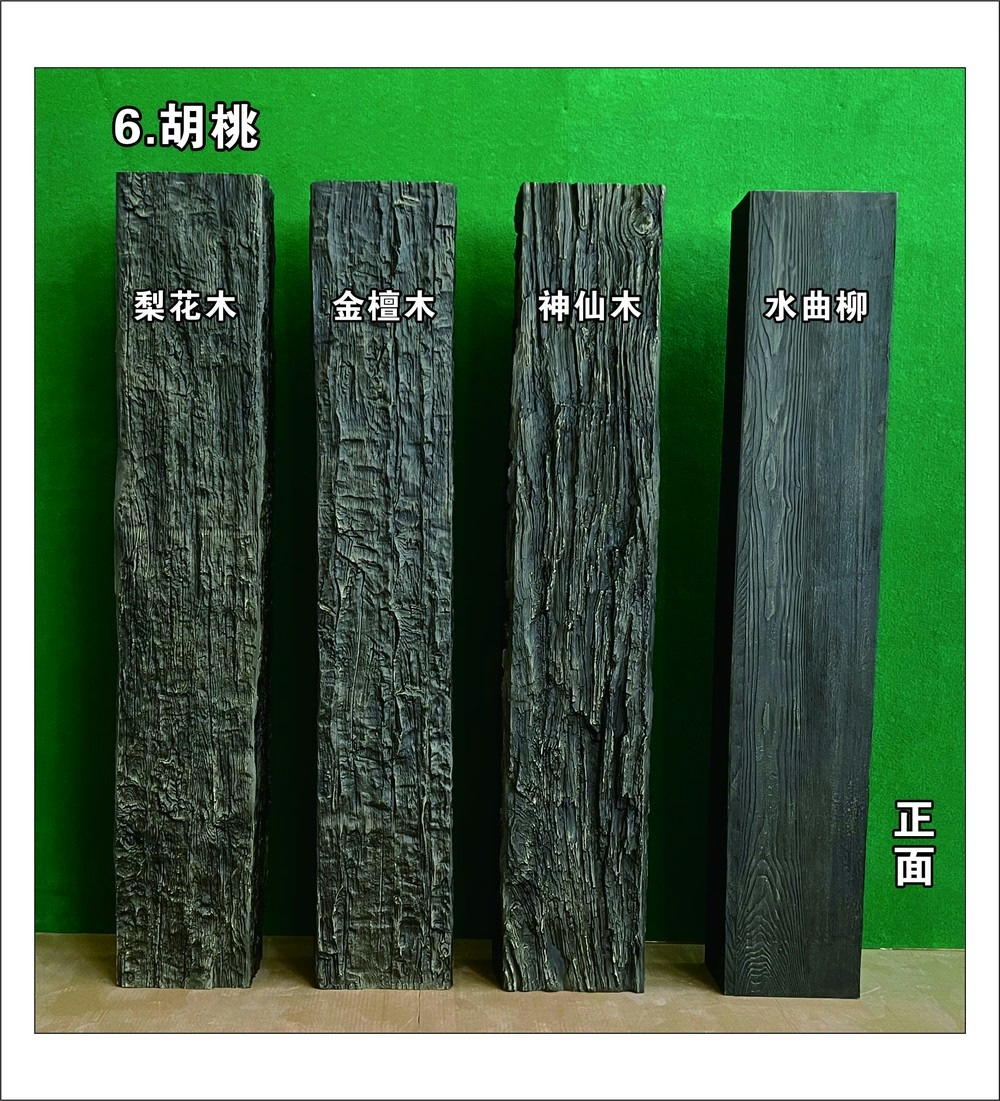
Achieving Authentic Rustic Character
Rustic design succeeds when every element reinforces the natural, honest aesthetic. Knotty beams alone cannot create authentic rustic spaces — they must be accompanied by complementary materials and details throughout. Stone, either natural or convincing faux products, provides textural variety and earthy warmth that pairs naturally with rustic wood. Metal accents in wrought iron, hammered copper, or natural steel add period-appropriate detail without introducing modern sleekness.
Wall treatments should support rather than compete with beam installations. Natural wood paneling, shiplap, or board-and-batten siding extends the rustic vocabulary beyond ceiling details. Stone or brick facades create strong textural contrast with wood surfaces. Even painted walls can work when colors remain muted and natural — warm whites, soft tans, and muted earth tones that don't compete with the wood character.
Furniture selection completes the rustic environment. Log furniture establishes immediate rustic context with its round profiles and natural bark edges. Adirondack chairs and similar outdoor-style pieces work beautifully in enclosed porches and sunrooms. Even upholstered furniture can fit when silhouettes remain casual and fabrics emphasize natural fibers in earth tones. The goal is creating spaces that feel as though they've evolved organically rather than being assembled from catalog orders.
Lighting design requires particular attention in rustic settings. The warm glow of Edison bulbs or flame-style LEDs complements rustic wood character beautifully. Fixture hardware should suggest hand-forged quality rather than machined precision. Woven fiber lamp shades diffuse light softly while adding additional textural interest. The interplay between warm artificial light and rustic wood surfaces creates inviting atmospheres that encourage lingering.
Material Performance and Longevity
The practical performance of burl and knot textured PU beams exceeds what natural wood could achieve in these applications. Organic wood with prominent figured grain — whether burl patterns or numerous knots — often presents structural challenges. The irregular grain around knots creates weak points where splitting may occur. Burl sections can contain voids or zones of abnormal density that complicate machining and finishing. These natural variations that make the wood visually interesting also make it mechanically unpredictable.
Polyurethane reproductions eliminate these structural concerns entirely. The consistent material properties of manufactured polyurethane mean every beam performs identically, with no weak points around knots or voids hidden within burl figures. Beams can be cut, drilled, and fastened without concern for grain direction or hidden defects. This reliability simplifies installation and ensures predictable long-term performance.
The maintenance advantages prove equally significant for rustic applications. Natural knotty wood requires periodic inspection for insect activity, moisture damage, and structural integrity issues that develop as the material ages. Polyurethane cannot be attacked by insects, does not absorb moisture, and remains dimensionally stable regardless of environmental conditions. Once installed, these beams require no ongoing attention beyond occasional cleaning.
For vacation properties and seasonal residences, this maintenance-free characteristic proves particularly valuable. Owners who visit intermittently cannot monitor wood conditions regularly, making undetected deterioration a genuine concern. PU beams perform reliably regardless of occupancy patterns, eliminating anxiety about returning to find damaged materials. The rustic aesthetic comes without the stewardship responsibilities that would otherwise accompany authentic natural materials.
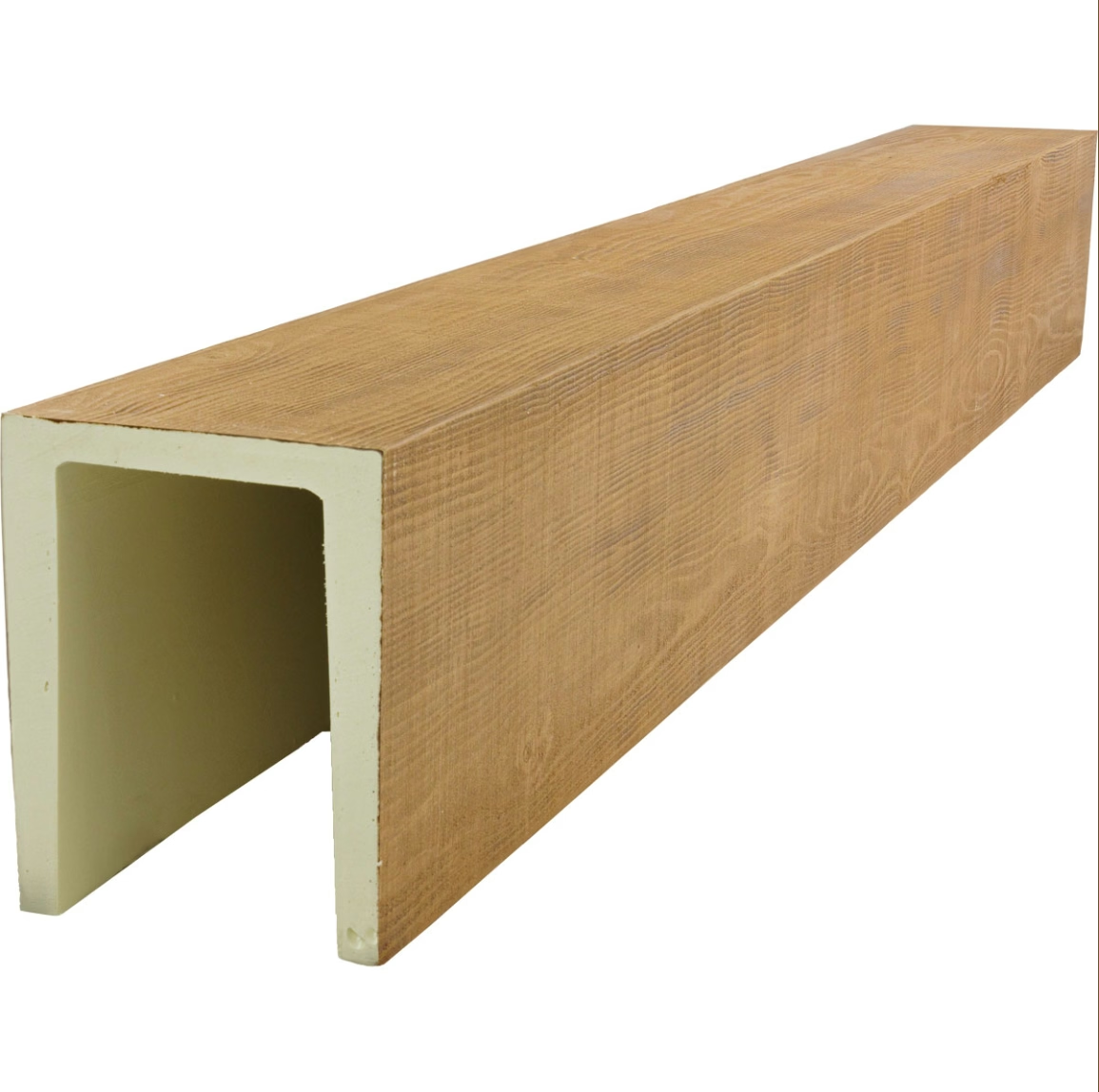
Environmental and Economic Considerations
The environmental case for PU faux beams strengthens further when examining the specific demands of burl and figured wood. The most dramatically figured burls often come from trees removed for other purposes — windthrow, disease removal, or land clearing — rather than being specifically harvested for lumber. While this represents recycling of sorts, the supply remains limited and unpredictable. PU reproduction enables meeting demand without depending on these irregular salvage sources.
Economically, manufactured consistency offers significant advantages. Authentic burl or heavily knotty timber commands premium prices due to its scarcity and the skill required to work with challenging grain patterns. PU reproductions achieve similar visual effects at more accessible price points, democratizing access to this distinctive aesthetic. The elimination of waste from rejected pieces and the predictability of manufactured supply further reduce effective costs.
The burl and knot textured PU beams represent a thoughtful synthesis of aesthetic authenticity and practical performance. They honor the natural character that makes wood beautiful while eliminating the uncertainties that complicate authentic material use. For designers and homeowners seeking genuine rustic character without the complications of natural materials, these beams offer compelling advantages that justify serious consideration.
Technical References
ASTM standards cited in every specification
Test Data
Lab results from internal testing program
Updated 2026
Reviewed against current product specs