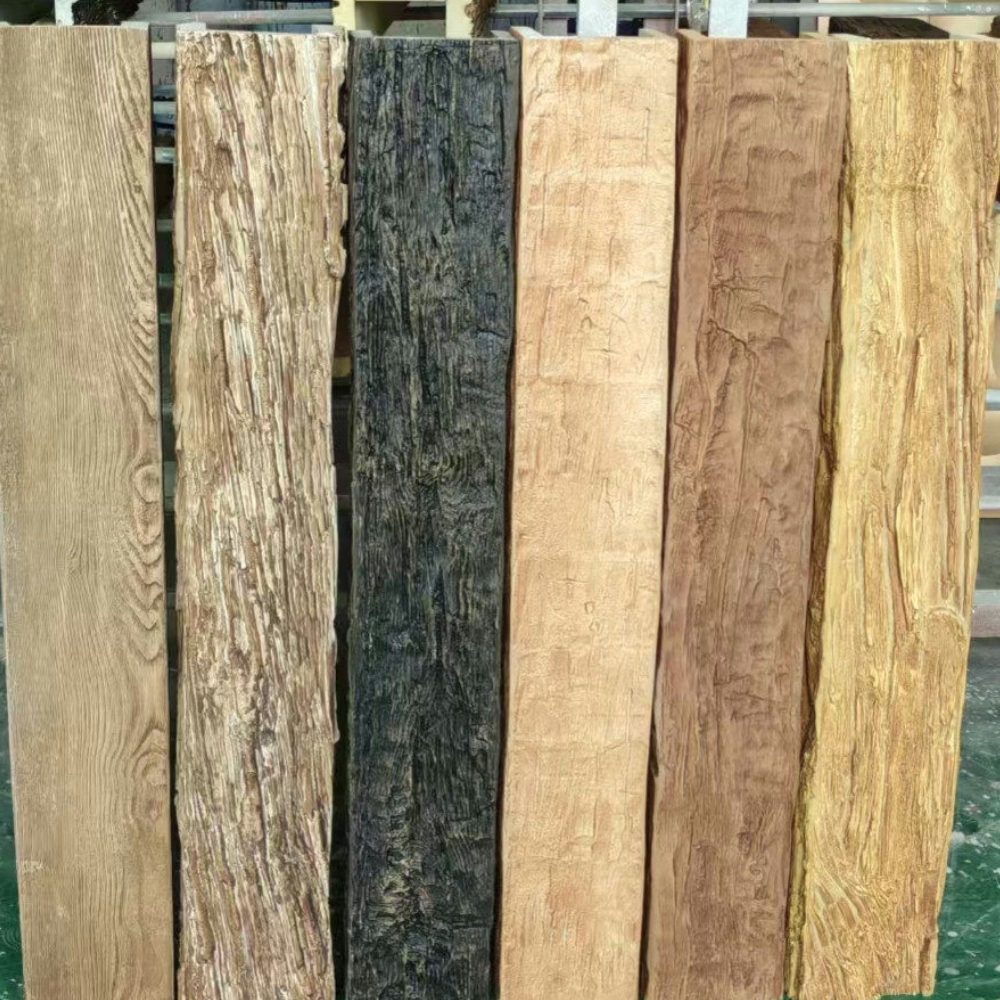
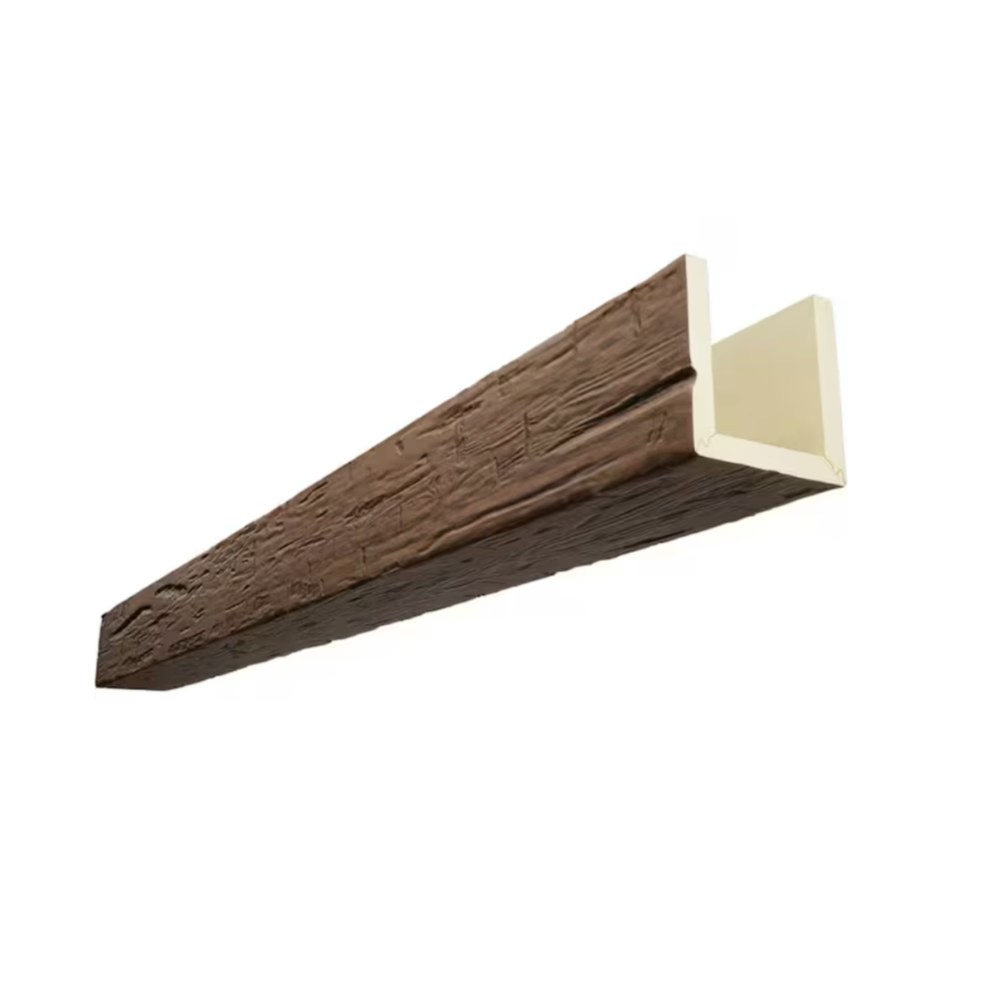
Wood grain patterns carry profound visual meaning that connects to deep human experiences with natural materials. Among the most recognizable and revered patterns is the cathedral grain found in flat-sawn boards from many common species. The distinctive arch or cathedral shape formed by annual growth rings creates an immediate visual signature that communicates "wood" more powerfully than any other characteristic. This iconic pattern appears in countless contexts, from fine furniture to architectural details, wherever authentic wood appearance is desired. Reproducing this pattern convincingly represents the highest achievement in faux wood technology.
The cathedral grain pattern forms through the geometry of tree growth. As a log is cut into lumber, the plane of each board intersects the cylindrical annual rings at varying angles depending on its position within the log. Near the center, rings appear as tight circles or ellipses. As boards move toward the log surface, the rings stretch into increasingly elongated ellipses, eventually appearing as the characteristic V-shape or cathedral arch when the board face shows the curved pattern. This geometry is both beautiful and informative, providing visual evidence of the tree's growth history.
Capturing cathedral grain authenticity requires more than simply printing a pattern onto a surface. The visual complexity of genuine grain involves subtle color variations within and around each arch, the interaction between earlywood and latewood bands, the slight irregularity that prevents mathematical precision, and the three-dimensional texture created by raised grain. Quality PU beams reproduce all these elements through careful mold making from authentic samples, enabling reproductions that satisfy close inspection from any viewing distance.

The Significance of Cathedral Grain
The cathedral grain pattern carries associations accumulated over centuries of human experience with wood. This is the pattern seen in childhood crayon drawings of trees, in folk art and naive painting, in the wood surfaces that have surrounded human habitation throughout recorded history. The pattern triggers recognition and comfort in ways that more abstract or uniform treatments cannot match. When designers seek to establish immediate connection between interior spaces and natural materials, cathedral grain provides the most direct route to that goal.
Beyond psychological associations, cathedral grain offers practical advantages in visual design. The pattern's directional emphasis creates subtle flow that guides the eye through spaces. Beams arranged with grain running parallel to a room's long axis can emphasize length; perpendicular arrangement draws attention across the width. The pattern's inherent complexity prevents monotony while remaining sufficiently consistent to avoid visual confusion. These characteristics make cathedral grain beams versatile tools in the designer's arsenal.
The tonal variation within cathedral grain adds depth that flatter patterns cannot achieve. The contrast between dark latewood bands and lighter earlywood creates texture that responds to changing light conditions throughout the day. Morning light at low angles emphasizes the raised grain and deep shadows; midday overhead illumination provides more even tone with subtle definition; evening light again shifts the pattern's character. This responsiveness to light ensures cathedral grain beams remain visually interesting indefinitely rather than becoming invisible through familiarity.
Quality considerations distinguish premium cathedral grain reproductions from lesser alternatives. The finest reproductions capture not just the macro pattern but also the subtle variations that characterize authentic grain — the occasional irregularity where growth was affected by environmental factors, the slight differences in spacing between growth rings, the natural color variations within and between annual bands. These small variations prevent the appearance from reading as mechanical or printed, preserving the organic character that distinguishes real wood.
Premium Interior Applications
Grand living rooms and formal spaces naturally accommodate cathedral grain beam installations. The scale of these rooms supports the visual weight of substantial beams while the formality of their typical use suits the classic wood character. Long continuous beams across high ceilings create architectural drama that elevates the entire space. Multiple parallel beams introduce rhythmic structure that prevents large rooms from feeling empty or undefined.
Entryways and foyers benefit from the welcoming character of cathedral grain beams. These transitional spaces set the tone for entire homes, and the warmth of natural wood immediately communicates hospitality and quality. Beams above entry doors or running through the foyer ceiling create strong first impressions that guests remember. The material's durability ensures these high-visibility installations maintain their beauty despite exposure to traffic and sunlight.
Home offices and professional spaces adopt cathedral grain beams as signals of established quality. The classic wood character suggests permanence, stability, and refined taste — associations valuable in contexts where first impressions influence outcomes. Beams in board rooms, executive offices, or professional reception areas communicate success and sophistication without ostentation. The warmth of wood prevents these spaces from feeling cold or merely functional.
Wine cellars and tasting rooms provide intimate settings where cathedral grain beams contribute substantial character. The enclosed, cave-like quality of these spaces benefits from the warmth and organic texture that wood provides. Beams overhead create architectural interest in ceilings that might otherwise feel neglected. The moisture-resistant performance of PU material proves particularly valuable in cellar environments where humidity fluctuates.

Integration with Design Styles
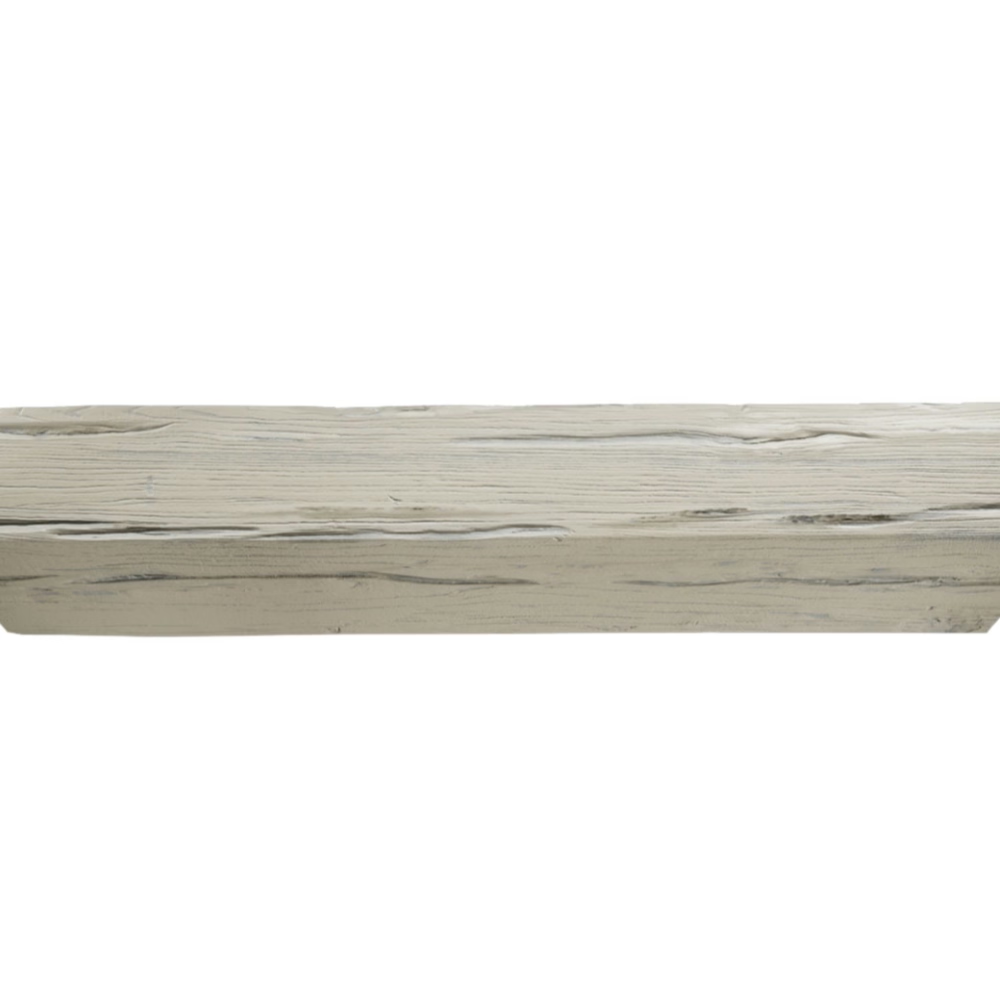
Cathedral grain beams adapt readily to diverse design contexts despite their traditional associations. In contemporary spaces, they provide organic counterpoint to clean lines and minimal ornament. The wood pattern introduces warmth and texture that prevent modern interiors from feeling sterile, creating balance between architectural precision and natural character. This combination has become increasingly common in current design practice, with cathedral grain beams appearing in projects across the style spectrum.
Traditional and transitional interiors embrace cathedral grain beams as natural partners for established design vocabularies. These styles typically incorporate wood as a primary material, making beams an extension of existing aesthetic frameworks rather than foreign intrusions. Beams can echo the grain character of hardwood floors, trim, or furniture, creating visual continuity throughout spaces. The key is achieving harmony between beam selection and other wood elements without requiring exact matching.
Farmhouse and rustic interiors welcome cathedral grain beams with particular enthusiasm. The classic wood pattern reinforces the natural, honest character these styles pursue. Beams with pronounced grain patterns contribute authentic rustic texture that elevated spaces beyond mere country imitation. The combination of traditional wood character with the practical advantages of PU material creates compelling options for rustic projects.
Technical Considerations for Optimal Results
Successful cathedral grain beam installations depend on proper specification and installation practices. Scale matters enormously — beams must be sized appropriately for their spaces, neither so small as to disappear nor so large as to overwhelm. A general guideline suggests beams should be no smaller than one-twelfth of the span they cross, but specific situations may require deviation from this rule based on ceiling height, room proportions, and overall design intent.
Mounting details affect both appearance and performance. Visible mounting hardware — brackets, bolts, or straps — can reinforce architectural character when handled consistently. Concealed mounting systems create cleaner appearances appropriate for more formal or contemporary contexts. The choice between these approaches should align with overall design direction and the character of surrounding details.
Grain orientation requires attention during installation. Cathedral grain patterns typically flow along the beam length, creating continuous figures across the surface. This orientation should be consistent across all beams in an installation unless deliberate variation serves design purposes. Transitions between beams at corners or joints require careful consideration of grain direction to maintain visual continuity.
Performance Advantages for Demanding Applications
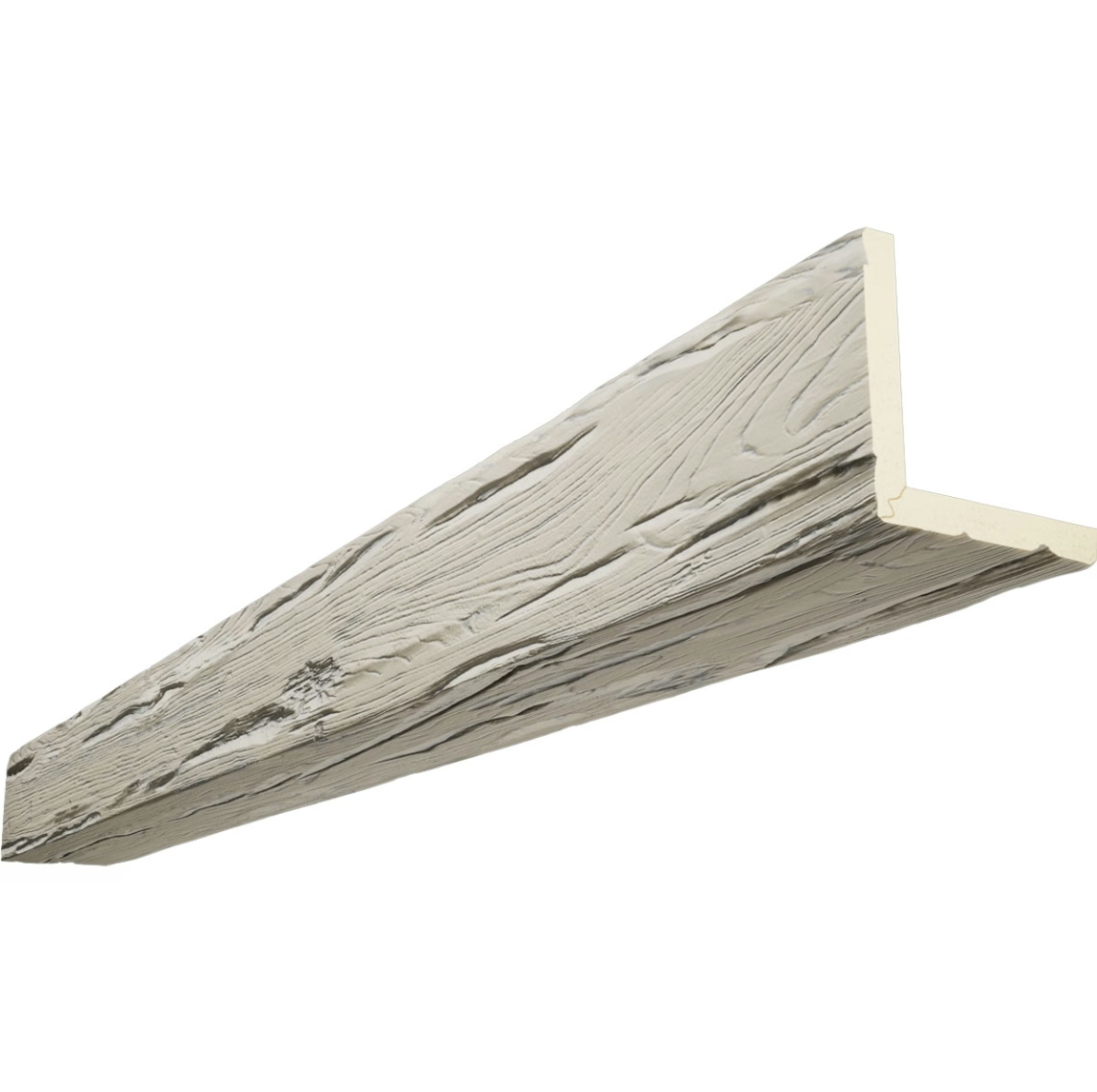
The performance characteristics of premium PU cathedral grain beams address concerns that limit natural wood in many applications. Dimensional stability ensures beams maintain their appearance through seasonal changes without developing gaps, splits, or other movement-related problems. This reliability proves particularly valuable in regions with extreme temperature or humidity variations, where natural wood faces ongoing stress.
Surface durability exceeds that of natural wood in several respects. The polyurethane material resists scratches, dents, and impact damage more effectively than hardwood surfaces. Cleaning requires only routine dusting or wiping; the non-porous surface prevents staining from common household substances. These characteristics make PU beams practical for installations that would require careful handling with natural wood.
The longevity of quality PU beams ensures continued satisfaction over years of use. Unlike natural wood that gradually changes through aging and exposure, manufactured materials maintain consistent appearance indefinitely. This predictability simplifies design decisions and eliminates the anxiety about long-term appearance that can accompany natural material specifications.
Cathedral grain PU faux beams represent the current state of the art in wood simulation technology. They enable authentic wood aesthetics in applications where natural material would prove impractical, expensive, or environmentally problematic. For designers and homeowners seeking the warmth and character of genuine cathedral grain wood, these beams offer compelling advantages that justify serious consideration.
Technical References
ASTM standards cited in every specification
Test Data
Lab results from internal testing program
Updated 2026
Reviewed against current product specs