Cedar has occupied a special position among wood species throughout human history. Its remarkable durability, distinctive aromatic fragrance, and beautiful coloring have made it a preferred material for everything from ancient temple construction to contemporary outdoor furniture. The wood's natural resistance to decay and insect attack made it invaluable before synthetic preservatives existed, while its workability and stability earned it lasting favor among craftspeople. These combined qualities explain why cedar remains premium material for demanding applications across countless contexts.
The visual character of cedar combines warm reddish-brown heartwood with contrasting pale sapwood, creating natural color variation that adds visual interest. The grain pattern typically runs straight but may display the occasional wave or knot that prevents monotony. As cedar ages and weathers, it develops the silver-gray patina prized in applications where aged appearance is desired. This aging behavior means fresh cedar and weathered cedar present entirely different appearances while remaining the same material — a versatility that few other species can match.
Integrating genuine cedar into architectural projects presents practical challenges that have grown increasingly significant over time. Sustainable cedar harvest has reduced availability while demand has increased, driving prices upward. The weight of dimensional cedar beams requires structural consideration and often specialized installation. Natural cedar's ongoing maintenance requirements — periodic cleaning, possible refinishing, monitoring for biological threats — add long-term costs that compound over building lifespans. These practical realities have driven interest in high-quality alternatives that capture cedar's aesthetic appeal without its material limitations.
Cedar's Enduring Visual Appeal
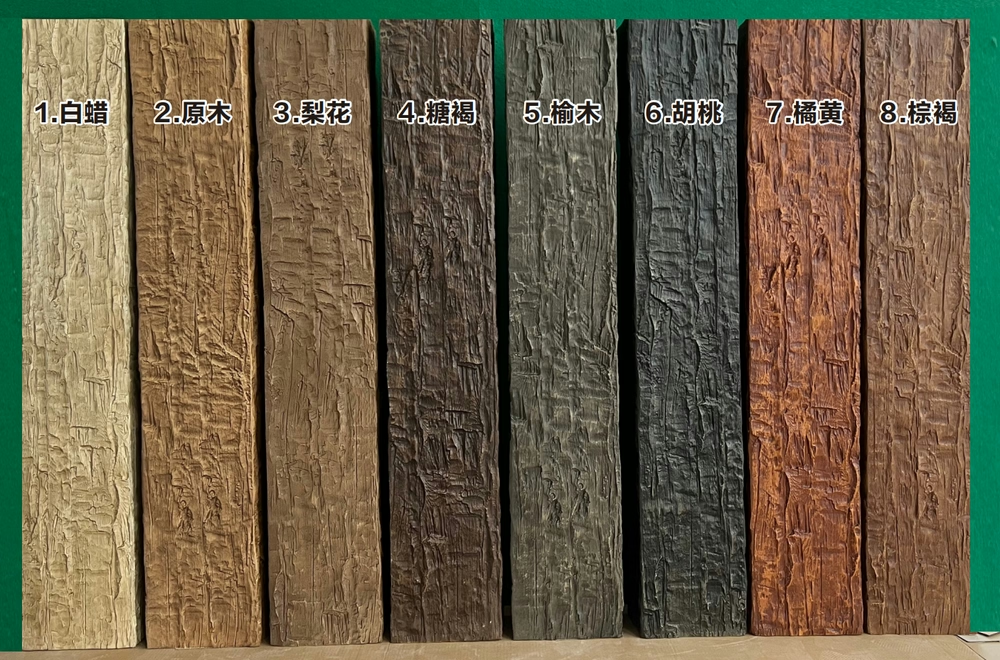
Understanding why cedar remains popular requires examining its visual qualities in detail. The reddish-brown coloration that defines western red cedar carries warmth that cooler-toned woods cannot match. This warmth creates immediate impressions of comfort and welcome, associations that architects and designers have exploited for centuries. The color develops through the extraction and oxidation of natural compounds within the wood, producing tones that synthetic colorants struggle to replicate convincingly.
The grain character of cedar balances definition with subtlety. Prominent enough to read clearly across rooms, the grain never becomes so aggressive as to dominate surrounding elements. Knots occur with moderate frequency, adding character without creating the visual chaos that heavily knotty species can produce. This grain behavior makes cedar versatile across design contexts, from formal traditional interiors to casual outdoor applications.
Aging behavior represents perhaps cedar's most distinctive characteristic. Rather than simply fading or graying uniformly, weathered cedar develops complex surface patterns that reflect its exposure history. Protected surfaces retain more of the original warmth; exposed faces bleach to soft gray. The transition between these zones creates subtle definition that adds visual richness. This natural weathering process has become so valued that some applications specify artificial aging techniques to achieve similar effects immediately.
The aromatic character of cedar adds a sensory dimension that visual examination cannot capture. The distinctive fragrance released when cedar is cut, heated, or simply exposed to airflow represents one of the material's most recognizable qualities. This scent comes from natural oils within the wood that also contribute to its durability. While faux beams cannot replicate the actual fragrance, the visual appearance captures everything that meets the eye.

Residential Design Applications
Living rooms embrace cedar finish beams with particular enthusiasm, finding in them warmth and character that enhance the primary gathering space. Beams across vaulted ceilings create architectural statements that justify themselves through visual impact alone. The warm cedar tones complement earth tones and neutrals commonly found in living room furnishings, while providing contrast against white or cool-toned walls. Multiple beams can create rhythmic structure across wide rooms, preventing the emptiness that large flat ceilings sometimes create.
Bedroom applications benefit from the calming warmth that cedar finish provides. The sleeping environment should promote rest and relaxation, and natural wood tones contribute substantially to this goal. Beams overhead create intimate enclosure that prevents large bedrooms from feeling cavernous. The wood grain adds visual texture that softens architectural harshness, while the warm coloration encourages the cozy atmosphere appropriate for private retreats.
Kitchens and dining areas gain considerable character from cedar finish beam installations. These food preparation and consumption spaces benefit from the organic warmth that wood provides, counteracting the clinical functionality that appliances and surfaces might otherwise establish. Beams above kitchen islands create gathering zones that feel naturally inviting, encouraging family and friends to congregate without formal occasion. The material's moisture resistance handles kitchen humidity without complaint.
Outdoor living spaces represent applications where cedar's natural durability has historically made it a preferred material. While genuine cedar remains valuable for exterior use, PU faux beams extend this aesthetic to covered outdoor areas without the ongoing maintenance that exterior cedar demands. Pergolas, covered patios, and enclosed porches can all benefit from cedar finish beams that provide the warm character of the natural material without the exposure-related deterioration.

Commercial and Hospitality Applications
Restaurants and hospitality venues have adopted cedar finish beams as elements that create distinctive atmospheres. The warmth and character of wood grain humanizes commercial spaces, making them feel less institutional and more genuinely welcoming. Cedar's associations with craft and quality reinforce brand positioning for establishments seeking to communicate artisanal values. Beams in dining areas create intimate enclosure; those in bars and lounges establish casual gathering zones.
Hotel lobbies and common areas benefit similarly from cedar beam installations. The dramatic visual impact of exposed beams creates memorable first impressions that guests associate with the property. Large-scale beam arrangements can establish the design vocabulary for entire properties, with smaller wood elements echoing the beam character throughout. The durability and easy maintenance of PU material proves particularly valuable in high-traffic commercial contexts.
Retail environments increasingly incorporate architectural wood details to create differentiated shopping experiences. Cedar finish beams contribute warmth and character that soften the commercial environment, encouraging customers to linger. The natural material aesthetic aligns with current preferences for authentic, craft-oriented retail experiences. Beams can define merchandise zones within large spaces without resort to walls or other barriers that would interrupt traffic flow.
Installation Best Practices
Proper installation ensures cedar finish beams deliver their intended visual impact while performing reliably over time. The lightweight nature of polyurethane dramatically simplifies handling compared to equivalent cedar timbers — a beam that would require multiple installers and lifting equipment with natural cedar can often be managed by a single person with PU. This weight advantage translates directly to reduced labor costs and faster installation completion.
Surface preparation for mounting locations should ensure clean, dry conditions with adequate structural backing. Wooden backing strips between ceiling joists provide solid mounting points where direct joist attachment isn't possible. The adhesive used should be compatible with both polyurethane and the mounting surface material; construction adhesive formulated for synthetic materials provides reliable long-term bonding.
Cutting and fitting of PU beams requires standard woodworking tools with appropriate blade selection. Carbide-tipped blades provide cleaner cuts and longer tool life compared to standard steel. Measuring twice before cutting remains essential despite the material's forgiveness — errors waste material and may require reordering rather than allowing for adjustments.
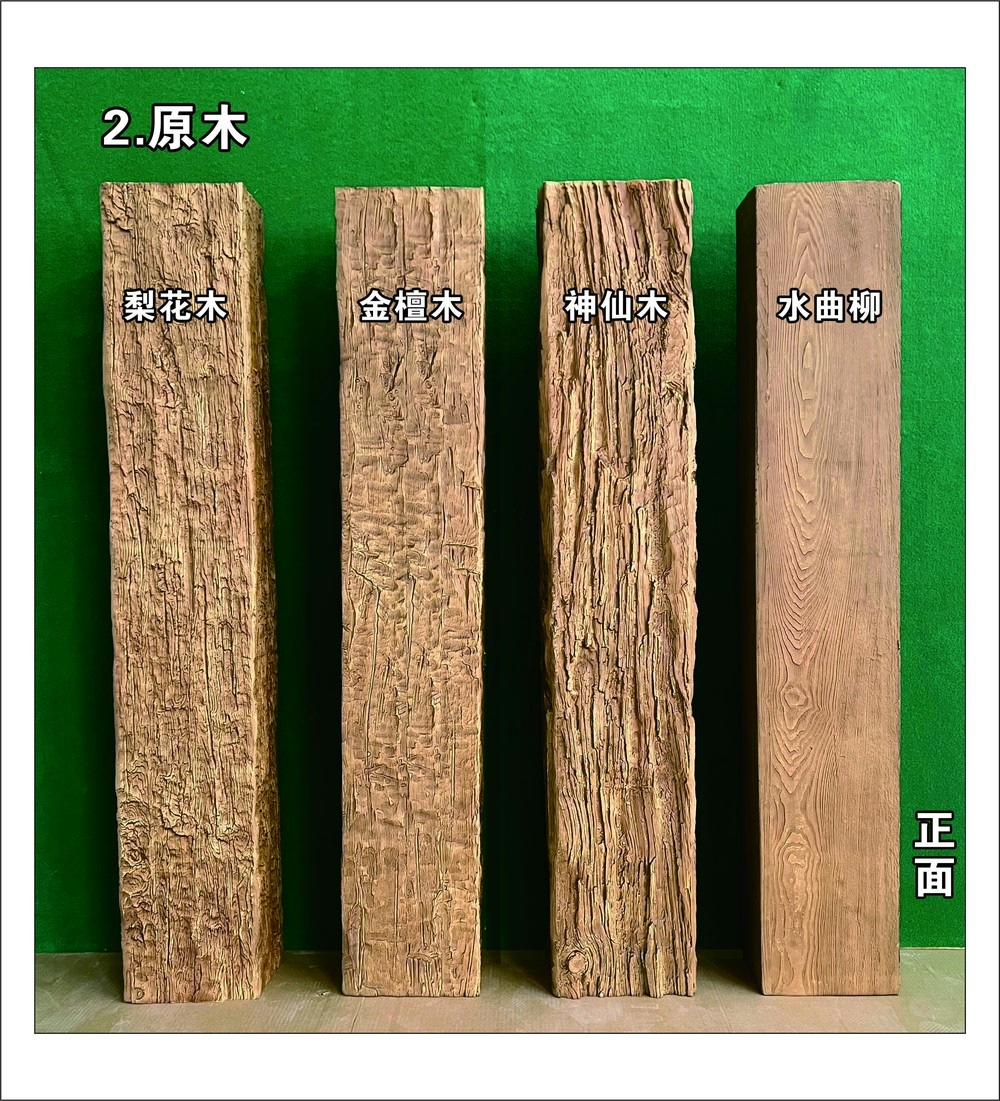
Finishing work for cedar finish beams is typically minimal since the material arrives pre-finished from the manufacturer. If custom coloring is desired, the polyurethane surface accepts stain readily after light sanding and priming. Touch-up kits matching the factory finish enable repair of any installation damage. The seamless nature of molded polyurethane means no joints or gaps requiring caulking in most installations.
Long-Term Performance and Care
The durability of cedar finish PU beams ensures continued satisfaction with minimal maintenance requirements. Unlike natural cedar that requires periodic inspection for deterioration, these beams maintain their appearance indefinitely without special attention. The material resists impact, scratching, and moisture absorption that would damage organic wood. This reliability provides peace of mind that natural materials cannot match.
Cleaning requires nothing more than occasional dusting or wiping with a damp cloth. The non-porous surface prevents staining and doesn't harbor allergens or biological contaminants. For commercial applications where appearance standards are high, this easy cleaning ensures beams continue presenting well despite heavy use and infrequent maintenance attention.
Environmental performance further favors manufactured beams. Natural cedar's harvesting, transportation, and eventual replacement create ongoing environmental impacts; PU beams avoid these lifecycle complications entirely. For environmentally conscious projects, the manufactured alternative provides responsible aesthetic achievement without the resource consumption of harvested timber.
Cedar finish polyurethane beams make authentic cedar aesthetics accessible across applications where natural material would prove impractical or expensive. The visual quality captures everything that makes cedar desirable — the warmth, the grain character, the subtle natural variation — while eliminating the practical limitations that constrain natural material use. For projects requiring cedar character without compromise, these beams merit serious consideration.
Technical References
ASTM standards cited in every specification
Test Data
Lab results from internal testing program
Updated 2026
Reviewed against current product specs


