Traditional interior design has proven remarkably resilient despite decades of competing modernist movements promising to render it obsolete. There remains something deeply satisfying about rooms that incorporate time-tested proportions, classical proportions, and the accumulated wisdom of centuries of design tradition. The warmth and character of natural wood plays an essential role in these traditional spaces, providing organic texture that prevents formality from becoming coldness. Chestnut finish beams represent an ideal choice for traditional interiors, offering rich warmth that complements established design vocabularies.
American chestnut held a position of enormous importance in early American architecture and furniture making before the chestnut blight decimated the species in the early twentieth century. The wood's working characteristics, attractive coloration, and natural durability made it a preferred material across applications from house framing to decorative millwork. Today's chestnut comes primarily from European and Asian species, maintaining the visual character that made the American original so valued while offering sustainable supply. The warm, golden-brown tones of chestnut create interior atmospheres of settled comfort that contemporary tastes find increasingly appealing.
The challenge with specifying genuine chestnut centers on availability and consistency. The post-blight supply of American chestnut has virtually disappeared, while European and Asian sources provide more limited quantities than common domestic species. Prices reflect this scarcity, and matching chestnut across multiple installations can prove difficult due to natural variation between pieces. Polyurethane reproductions with chestnut finish capture the essential visual character while ensuring consistent supply and predictable appearance.
The Timeless Appeal of Warm Wood Tones
Warm-toned woods occupy a distinct position in the hierarchy of interior finishes. Where cool grays and stark whites create environments of清醒 alertness, amber and honey tones invite lingering and relaxation. This psychological effect has been understood intuitively for centuries, which explains why warm woods have remained staples of residential design even as fashion has cycled through countless variations. The emotional quality that warm wood provides cannot be replicated through other means — it emerges from the specific interaction between light and wood's organic structure.
Chestnut presents this warmth particularly effectively due to its distinctive coloration. The heartwood ranges from pale golden tan through rich medium brown, often with subtle reddish undertones that add complexity. This color range allows chestnut to integrate with both neutral and warmer color schemes, providing warmth without the visual heaviness of very dark woods. The grain tends toward straight with moderate definition, creating visual interest without the aggressive patterns of more dramatic species.
The aging behavior of chestnut enhances rather than diminishes its appeal over time. Like most woods, chestnut darkens with exposure to light, developing richer tones that add depth to finished interiors. This gradual evolution gives spaces featuring chestnut elements a sense of established character that newer installations cannot immediately achieve. PU reproductions with chestnut finish capture the desired aged appearance directly, providing immediate character without the waiting period.
Natural variation within chestnut adds life and prevents monotony in finished installations. No two pieces display exactly identical grain patterns or coloration, creating the subtle complexity that distinguishes authentic natural materials from synthetic alternatives. Quality PU reproductions preserve this variation through careful sample selection and color matching processes, ensuring each beam contributes its own individual character to the overall composition.

Traditional Interior Design Integration
Formal living rooms and sitting areas provide natural settings for chestnut finish beams. These spaces typically feature furniture arrangements requiring clear sight lines and balanced proportions — conditions that beam installations support effectively. Long beams across formal living rooms create architectural rhythm that unifies the space while providing visual interest that elevates the design beyond ordinary ceilings. The warm chestnut tones complement leather upholstery, brass hardware, and rich textile patterns common in traditional interiors.
Dining rooms benefit similarly from chestnut beam installations. The ceremonial quality of formal dining benefits from the warmth and character that wood provides, creating atmosphere appropriate to meals shared with family and friends. Beams above dining tables establish natural focal points that help define the functional zone within larger open-plan spaces. The color warmth encourages lingering conversation that extends gatherings beyond the meal itself.
Libraries and studies represent spaces where traditional wood character has historically been most valued. The scholarly associations of dark wood paneling and exposed timber extend naturally to ceiling beam treatments. Chestnut finish beams create the sense of contained, focused space that supports concentration and reflection. Paired with book-lined walls and quality leather seating, these spaces achieve the contemplative atmosphere that distinguishes genuine libraries from mere home offices.
Entryways and hallways establish the design tone for entire homes, making beam installations in these transitional spaces particularly valuable. The warmth of chestnut beams greets visitors immediately upon entry, communicating the character of the spaces to follow. In homes with two-story entries, substantial beams spanning the upper level create dramatic architectural statements that make lasting impressions.

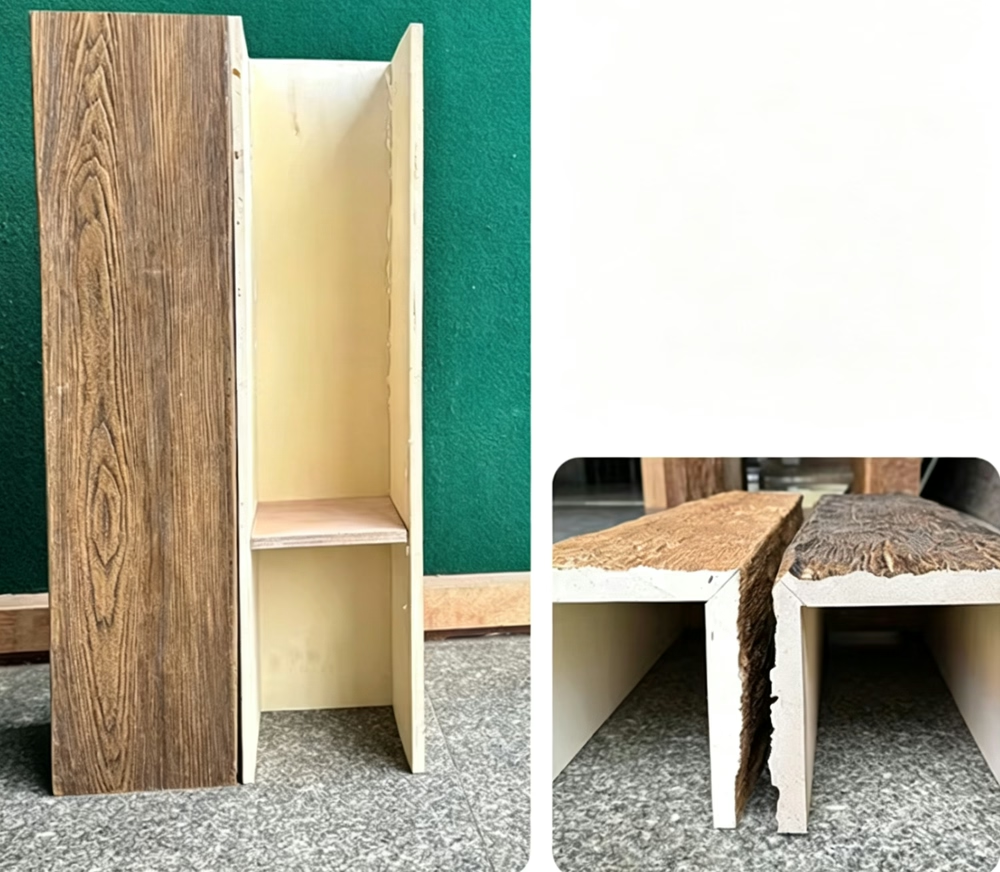
Transitional Spaces and Modern Traditional Design
The transitional design category has emerged as designers seek middle ground between strict traditional and pure contemporary aesthetics. These spaces incorporate traditional elements — natural materials, established proportions, classic details — while maintaining the openness and simplicity that contemporary living demands. Chestnut finish beams serve transitional design particularly well, providing warmth and character without the heavy formality that full traditional treatment might impose.
Open floor plans typical of contemporary construction create challenges for traditional interior elements. Without walls to define spaces, traditional furniture groupings can feel adrift in large, undefined areas. Beams provide architectural structure that establishes zones without resorting to physical dividers. A single prominent beam or a pair of parallel beams can define a living area within a combined great room, creating the sense of separate spaces that open plans typically lack.
Minimalist traditional represents a current trend emphasizing traditional materials in simplified forms. Rather than elaborate moldings and complex millwork, this approach uses fewer elements with stronger individual presence. Chestnut finish beams fit this direction perfectly — a few well-placed beams provide substantial visual impact without cluttering clean architectural lines. The warmth of the wood prevents spaces from becoming stark despite their simplicity.
Material Performance in Traditional Contexts
Traditional interiors often feature irreplaceable antiques and family heirlooms alongside new furnishings. The stability of PU material ensures that beam installations won't damage surrounding elements through off-gassing, moisture changes, or biological threats. This compatibility makes PU beams suitable for even the most珍贵 traditional interiors where material choices must be made with care.
Fire resistance represents an increasingly important consideration for traditional beam installations. While authentic timber chars rather than igniting readily, polyurethane can be formulated with fire-retardant additives that reduce flame spread and smoke development. For applications where fire safety is paramount, these enhanced formulations provide additional protection without compromising appearance.
The maintenance characteristics of PU material align well with traditional interior expectations. Traditional spaces are designed to evolve gracefully over time, with materials that develop patina and character through use. PU beams maintain their original appearance indefinitely, providing permanent warmth without the gradual change that authentic wood undergoes. This consistency ensures the design intent remains intact for years without periodic adjustment.
For historic preservation projects, PU beams offer solutions where authentic materials might prove problematic. Original timber beams in historic structures may have deteriorated beyond reuse, but complete replacement with matching timber might be impractical or impossible. Chestnut finish PU reproductions can provide the visual continuity that preservation goals demand while offering superior performance and easier installation.
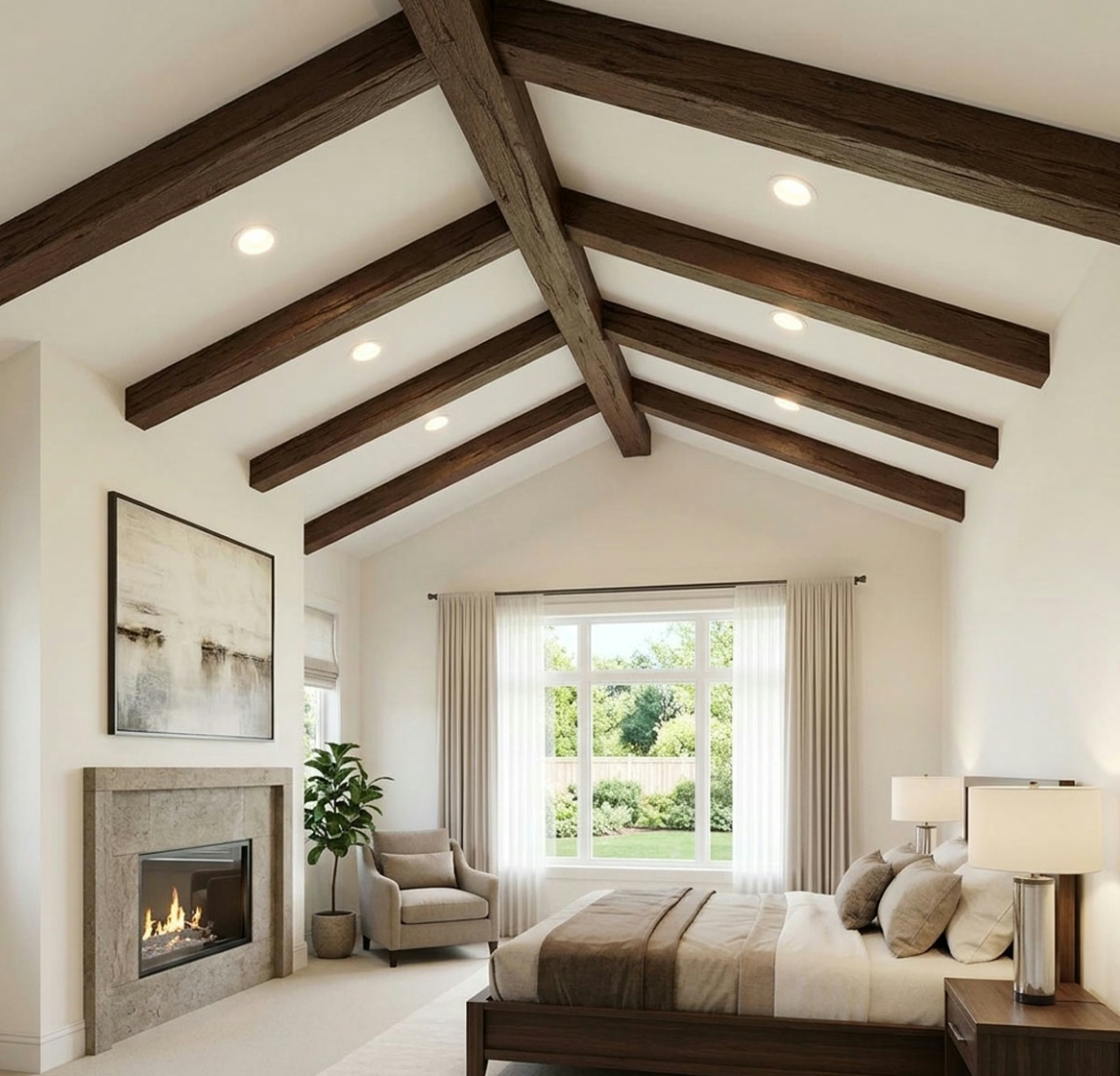
Economic and Practical Considerations
Project budgeting for traditional interiors should account for the complete lifecycle costs of material choices. While authentic timber may appear competitive in initial pricing, the maintenance requirements over decades of service add substantial cumulative costs. PU beams require no ongoing maintenance, transforming what would be recurring expenses into a single settled cost. This calculation increasingly favors manufactured materials as labor costs continue rising.
Installation logistics in traditional properties often present challenges thatPU material addresses effectively. Older homes may have compromised structural elements, non-standard spacing, or limited access for material handling. The lightweight nature of polyurethane beams reduces structural demands on aging framing members and simplifies movement through narrow passages and around tight corners. These practical advantages translate directly to reduced installation costs and faster project completion.
Quality and consistency benefits of manufactured beams prove particularly valuable in traditional applications. Traditional design depends on harmonious relationships between elements — proportions, colors, and details must work together seamlessly. PU beams provide consistent appearance that enables precise design execution, eliminating the variation between natural pieces that can disrupt carefully planned compositions.
Chestnut finish PU ceiling beams offer a bridge between traditional warmth and contemporary practicality. They bring the character and comfort that centuries of design tradition have validated into spaces where material limitations might otherwise prevent authentic traditional treatment. For homeowners and designers seeking the timeless appeal of warm wood in modern contexts, these beams provide compelling solutions.
Technical References
ASTM standards cited in every specification
Test Data
Lab results from internal testing program
Updated 2026
Reviewed against current product specs


