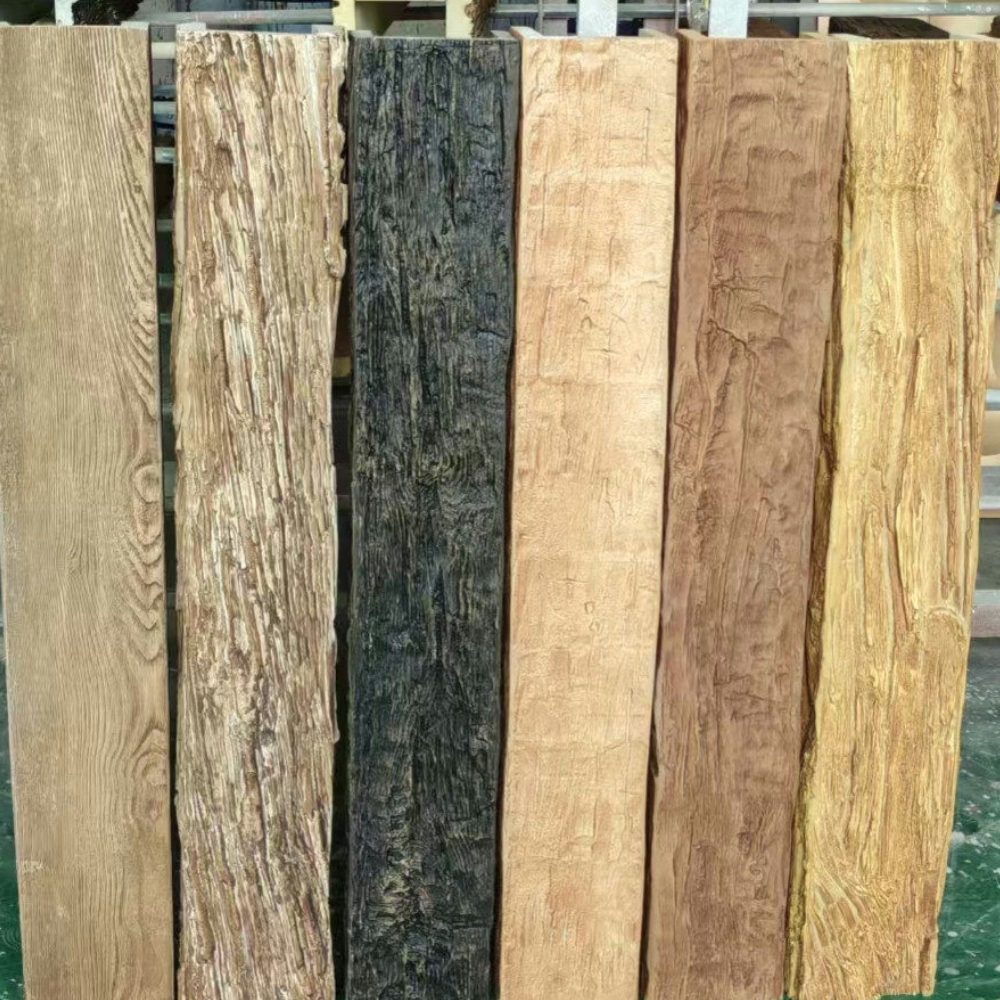
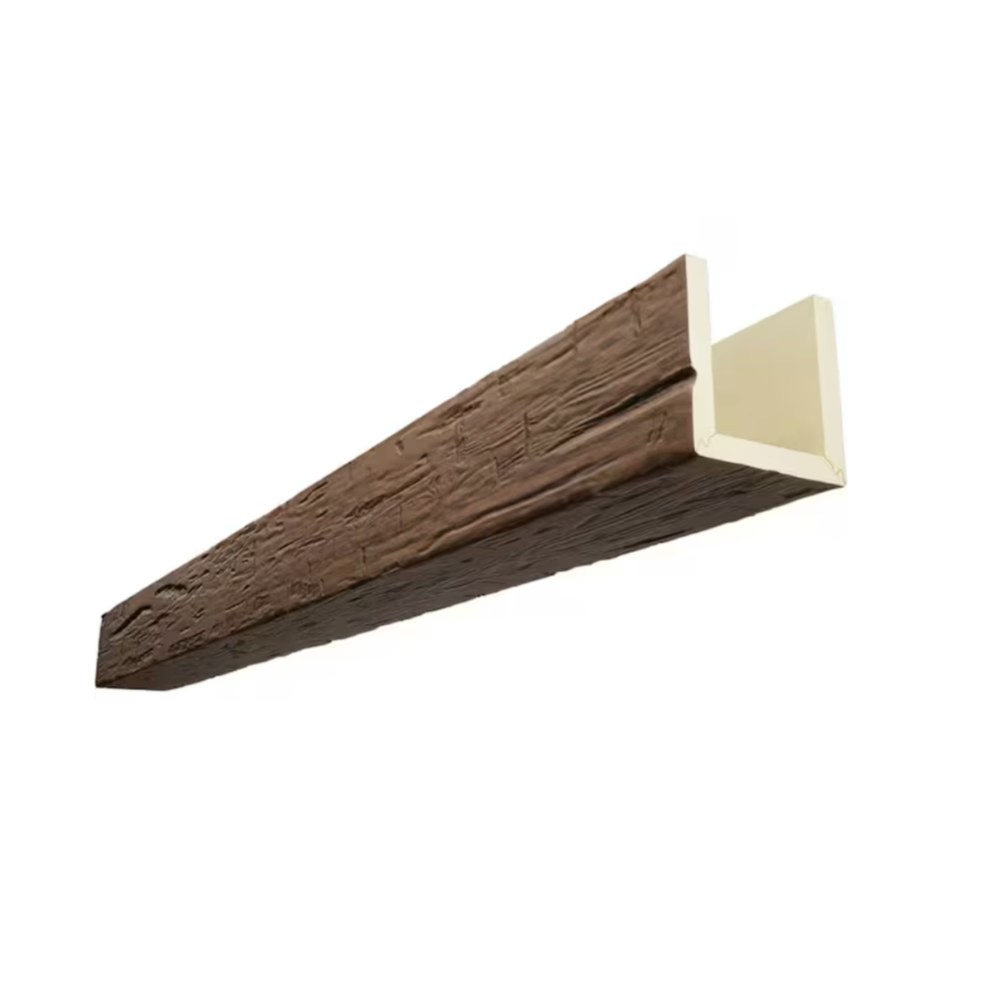
Cypress trees have been prized for their wood since ancient times, with a reputation for durability that stems from natural compounds within the heartwood. The characteristic warm honey-gold coloration of fresh-cut cypress lightens and silvers beautifully with exposure, creating the distinctive appearance that has made the wood popular for outdoor applications from coastal decking to garden structures. This aging behavior, combined with the wood's distinctive grain character, creates aesthetic possibilities that have captured designer attention across centuries and styles.
The visual character of cypress differs noticeably from more common domestic species. Its grain tends toward straight with occasional swirls near knots, creating visual interest without the dramatic figure of specialty species. Growth ring patterns appear subtle in flat-sawn stock, with the cathedral grain less pronounced than in species like oak or ash. The overall effect is one of refined naturalness — wood with clear character but quiet presence that doesn't compete with surrounding elements.
Fresh cypress displays warm golden tones ranging from pale straw through rich honey, with occasional darker streaks that add complexity. As the wood weathers, these warm tones gradually give way to silver-gray patina that many consider even more attractive than the original coloration. This dual-personality — warm and golden when fresh, cool and silvery when aged — makes cypress remarkably versatile across design applications and style directions.
Cypress in Historical and Contemporary Contexts
Cypress has served human purposes since antiquity. The ancient Egyptians valued the wood for sarcophagi and shipbuilding; the Romans used it for temple construction and fine furniture. This historical significance adds associations of permanence and quality that influence contemporary perception. Using cypress-look materials connects spaces to these ancient traditions, creating continuity with building practices spanning millennia.
In American architecture, cypress played significant roles in construction across the South, where bald cypress trees grew abundantly in swampy areas. The wood's natural resistance to decay made it invaluable for applications exposed to moisture, from house siding to greenhouse construction. This practical heritage reinforces the material's associations with durability and honest functionality — values that resonate strongly in rustic design contexts.
Contemporary designers have rediscovered cypress for its distinctive aesthetic qualities rather than purely practical ones. The warm coloration complements current preferences for natural materials and earth tones. The subtle grain pattern works in both traditional and modern contexts without demanding specific companion elements. The weathered aging behavior enables designs that suggest history and character without requiring actual aged material.
Polyurethane faux beams with cypress grain capture these aesthetic qualities while addressing practical concerns that limit natural cypress use. Availability of mature cypress timber has decreased as demand has increased, driving prices upward. The lightweight, stable, maintenance-free nature of manufactured material makes cypress-look aesthetics accessible across applications and budgets.

Fresh Rustic Design Applications
Rustic interiors embrace natural materials and honest expression, making cypress-look beams natural choices for these spaces. The warm coloration provides the wood character rustic design requires without the heaviness that darker woods might introduce. This lightness suits the fresh interpretation of rustic style that has emerged in recent years, emphasizing brightness and airiness alongside authentic natural character.
Farmhouse design has evolved significantly from its agricultural origins toward sophisticated interpretations that maintain rustic character while incorporating contemporary comfort. Cypress beams support this refined rustic direction perfectly, with grain patterns that add interest without overwhelming simple, clean-lined surroundings. Beams in farmhouse kitchens create gathering zones above islands; beams in living areas establish structure across open ceilings; beams in bedrooms add warmth overhead.
Cabin and lodge interiors benefit similarly from cypress beam installations. The warm tones complement stone fireplaces and earth-tone furnishings common in these settings. The wood grain introduces natural texture that prevents stone and plaster surfaces from feeling cold or institutional. Whether in mountain retreats or lake houses, cypress beams contribute the organic warmth that distinguishes genuine cabin character.
Coastal and beach-inspired homes increasingly adopt cypress beams for their versatility. The wood handles coastal exposure better than many species, making it historically valuable for seaside construction. The warm coloration complements rather than conflicts with the pale neutrals and ocean-inspired accents common in coastal design. The natural durability associations extend to the manufactured reproduction, reinforcing the sense of material quality.

Design Coordination and Color Pairing
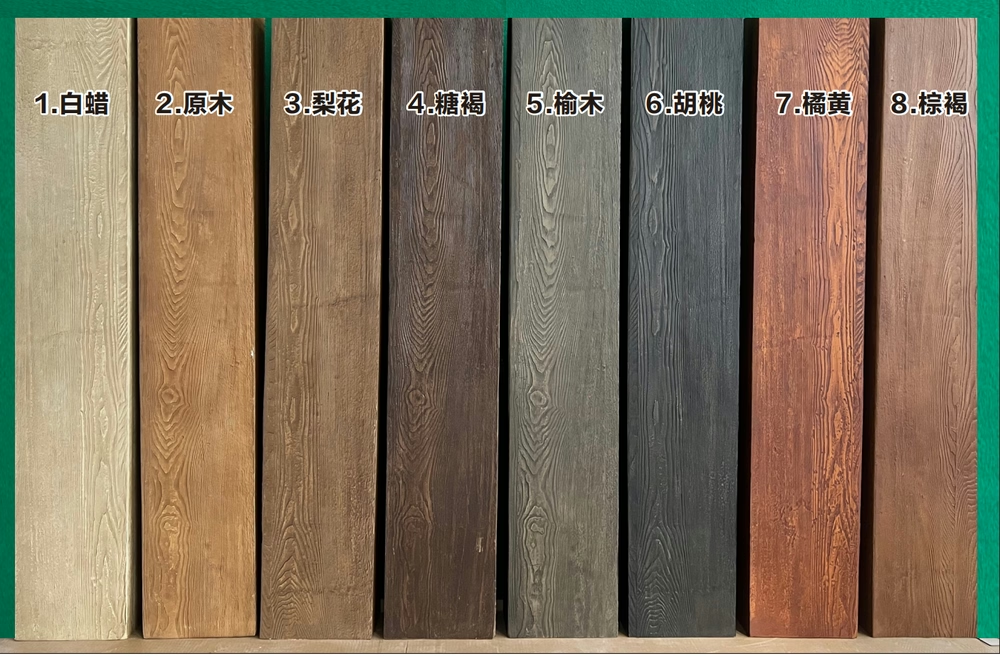
The warm honey tones of cypress require thoughtful color coordination to achieve successful interiors. Light walls in warm whites, cream tones, and soft neutrals complement the beams without competing for attention. Cool grays with blue undertones may create color clash, particularly when the gray carries strong tinting. Testing paint samples against beam samples in actual lighting conditions helps identify potential conflicts before commitment.
Flooring choices should consider the overall warmth of cypress beams. Hardwood floors in complementary tones — honey oak, natural maple, or warm walnut — create continuity with ceiling treatment. Lighter floors provide necessary contrast to prevent spaces from becoming overly warm. Stone or tile floors in earth tones work beautifully with cypress beams, adding textural variety while maintaining the natural material palette.
Furniture and textile selection extends the warm, natural aesthetic throughout spaces. Linen, cotton, and wool in natural tones reinforce the organic character; leather adds richness without introducing incompatible sleekness. Wood furniture echoes the ceiling treatment at human scale; metal accents in brass, bronze, or matte black provide subtle contrast.
Accessories and decorative elements should maintain the fresh, natural direction. Ceramics in earth tones, woven natural fiber baskets, potted plants, and art featuring natural subjects all contribute to cohesive interiors. The goal is creating spaces that feel gathered naturally rather than assembled from coordinated purchases — authenticity rather than contrived matching.
Technical Performance and Installation
Polyurethane cypress beams offer performance advantages that natural cypress cannot match in most applications. The material's resistance to moisture absorption eliminates concerns about swelling, warping, or decay that affect organic wood in humid environments. This durability makes PU beams suitable for bathroom installations, enclosed porches, and other spaces where natural cypress might eventually deteriorate.
Dimensional stability ensures beams maintain their appearance through seasonal temperature and humidity changes. Natural wood expands and contracts with environmental conditions, potentially developing gaps, splits, or other problems over time. Polyurethane's consistent dimensions prevent these issues entirely, ensuring long-term fit and appearance without adjustment or repair.
The lightweight nature of manufactured beams simplifies installation significantly. Natural cypress beams of architectural size can weigh hundreds of pounds, requiring structural consideration and equipment assistance for handling. PU equivalents weigh a fraction of this, often allowing single-person installation with standard tools and techniques. The reduction in structural demands also expands the range of mounting options available.
For exterior covered applications, specialized UV-resistant formulations ensure long-term color stability despite sun exposure. These enhanced materials maintain their appearance indefinitely without the surface degradation that affects organic wood exposed to weather. The practical benefit is beams that look newly installed for years rather than gradually showing exposure effects.
Lifecycle and Environmental Considerations
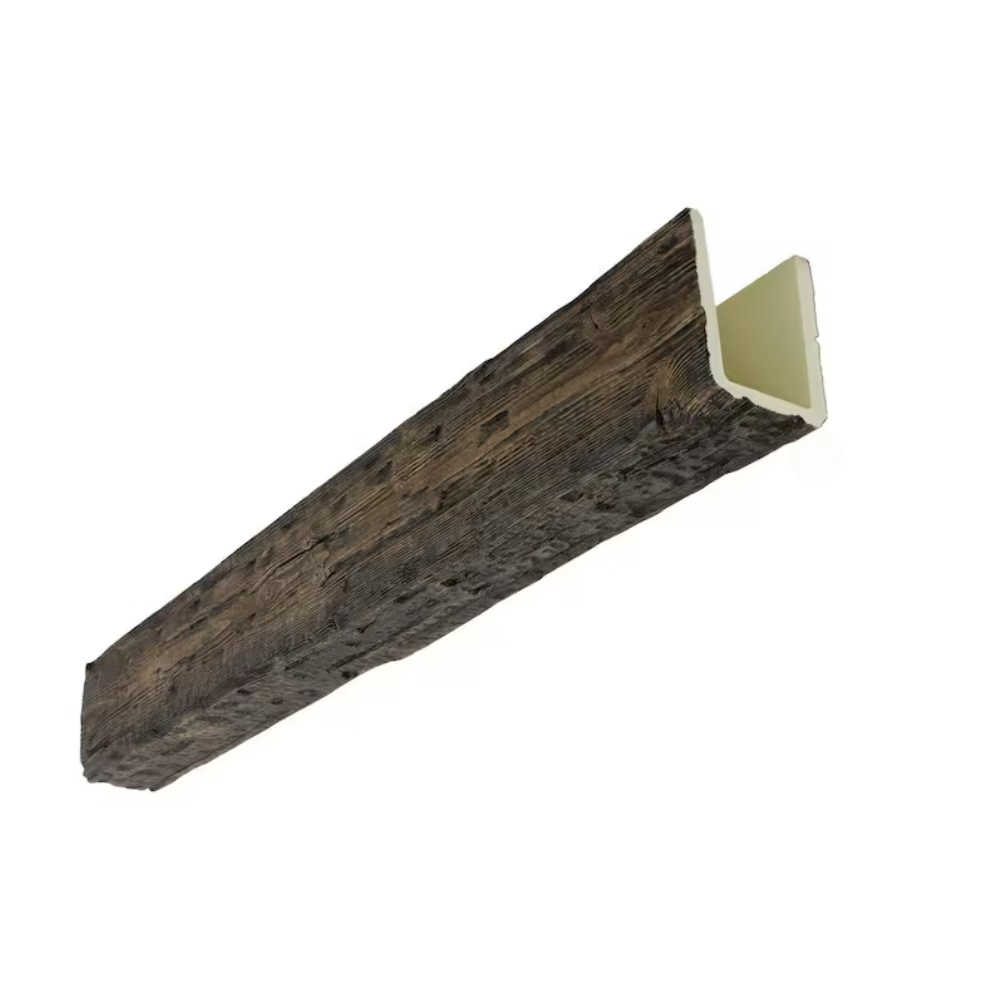
Economic analysis of cypress-look beams should consider complete lifecycle costs rather than initial pricing alone. Natural cypress beams require periodic maintenance to preserve appearance and prevent deterioration — cleaning, possible refinishing, inspection for biological threats. Each maintenance cycle represents direct cost plus the inconvenience of disruption. PU beams require no such ongoing attention, transforming recurring expenses into a single settled investment.
Environmental considerations increasingly influence material selection decisions. Sustainable cypress harvest practices have improved but cannot eliminate the fundamental resource consumption of any timber harvest. PU production avoids these impacts entirely, providing aesthetic achievement without harvesting pressure. For environmentally conscious projects, this advantage often proves decisive.
The longevity of quality PU beams ensures that environmental benefits extend through extended service life. Materials that must be replaced after years of service create ongoing environmental burdens through repeated manufacturing and disposal cycles. Durable PU beams that maintain appearance for decades avoid these cumulative impacts, providing truly sustainable aesthetic achievement.
Fresh rustic design continues to evolve, with contemporary interpretations emphasizing natural materials, warm tones, and authentic character over the heavy, cluttered approaches of earlier rustic styles. Cypress wood grain PU beams support this refined direction, bringing the distinctive beauty and warm coloration of cypress into applications where natural material would prove impractical. The result honors both the heritage of rustic design and contemporary values of sustainability and practical performance.
Technical References
ASTM standards cited in every specification
Test Data
Lab results from internal testing program
Updated 2026
Reviewed against current product specs