Nostalgia has emerged as a significant force in contemporary interior design, with homeowners seeking spaces that feel established and authentic rather than merely current. This longing for connection to the past manifests in various ways — furniture with visible wear, finishes that suggest history, and architectural details that carry the marks of previous eras. Distressed wood occupies a central position in this aesthetic vocabulary, providing visual evidence of age and use that newer materials cannot honestly replicate. The appeal extends beyond mere fashion into deeper psychological territory related to authenticity and human connection to objects and spaces.
The process of genuine wood distressing occurs through use, exposure, and time. Surfaces accumulate small dents and scratches from everyday handling; corners round through repeated contact; finishes wear thin in areas of regular touch. The accumulated effect creates character that no amount of artificial treatment can fully capture. Authentic distressing reveals itself through the consistency of damage patterns — wear where hands rest, dents where objects fall, scratches where movement occurs. These patterns tell stories of real use that manufactured imitation cannot truly convey.
The challenge for interior design lies in accessing authentic distressed wood at reasonable cost and in usable quantities. Antiques and reclaimed materials command premium prices that place them beyond most project budgets. New materials distressed through artificial means often read as false upon close inspection, lacking the consistency and narrative quality of genuinely aged pieces. This limitation has driven interest in high-quality reproductions that capture distressing character through sophisticated manufacturing while providing the consistency and performance that architectural applications require.
The Psychology of Distressed Aesthetics
Understanding why distressed aesthetics appeal requires examining the psychological relationship between humans and their environments. Research suggests that moderately worn environments promote relaxation and creativity compared to pristine spaces — a phenomenon sometimes called the "comfortably worn" effect. Spaces that show evidence of habitation feel more welcoming and less intimidating than sterile perfection. This suggests that distressing serves functional purposes beyond mere fashion.
The preference for aged materials may also reflect biophilic design principles — our innate connection to natural materials and processes. Wood that shows signs of aging connects us to the passage of time and the organic nature of the material. Unlike synthetic surfaces that either degrade ungracefully or resist change entirely, natural wood responds to use in ways that many find aesthetically satisfying. Distressed wood makes this natural evolution visible and intentional.
Authenticity concerns also drive preference for genuinely aged materials. Contemporary consumers have grown sophisticated about distinguishing authentic from manufactured, often preferring honest imperfection over synthetic perfection. This preference extends beyond wood to encompass patinated metals, worn leathers, and other materials that show the passage of time. The trend represents a reaction against the plastic perfection of mass production and a return to valuing craft and genuine character.
Distressed wood PU beams address these psychological needs through carefully designed reproductions that capture the essential character of aged materials. While they may lack the specific narrative of individual antique pieces, they provide the visual and tactile qualities that create the desired atmosphere. The distinction between authentic and manufactured distress matters less than the overall effect in most applications.

Retro and Vintage Style Applications
Mid-century modern interiors have experienced sustained popularity, with homeowners seeking the clean lines and organic forms that defined design in the 1950s and 1960s. Distressed wood beams complement this aesthetic by adding warmth and organic texture that prevent mid-century spaces from feeling too sleek or futuristic. The combination of modern furniture forms with rustic ceiling details creates the blend of contemporary and comfortable that characterizes successful mid-century revival spaces.
Retro ranch style homes often feature exposed beams as original architectural elements, but beams may have been removed or covered during later renovations. Restoring beam presence through distressed PU reproductions returns architectural character while providing better performance than original materials might offer. The distressed finish ensures new beams blend with any existing vintage elements, creating cohesive appearance throughout.
Bohemian and collected interiors embrace layering and history, making distressed beams natural additions to these spaces. The visual complexity of worn wood surfaces provides textural interest that enriches the layered decorating approach. Combined with vintage textiles, collected accessories, and globally inspired furnishings, distressed beams contribute to the curated-over-time atmosphere that defines bohemian style.
Shabby chic interiors, though perhaps less prevalent than in earlier decades, continue influencing design choices in softened vintage directions. The gentle, feminine interpretation of distressing that characterizes this style can be achieved through appropriate beam selection. Softer colors, less aggressive wear patterns, and romantic accessories together create the comfortable, pretty aesthetic that shabby chic pursues.

Creating Authentic Distressing Effects
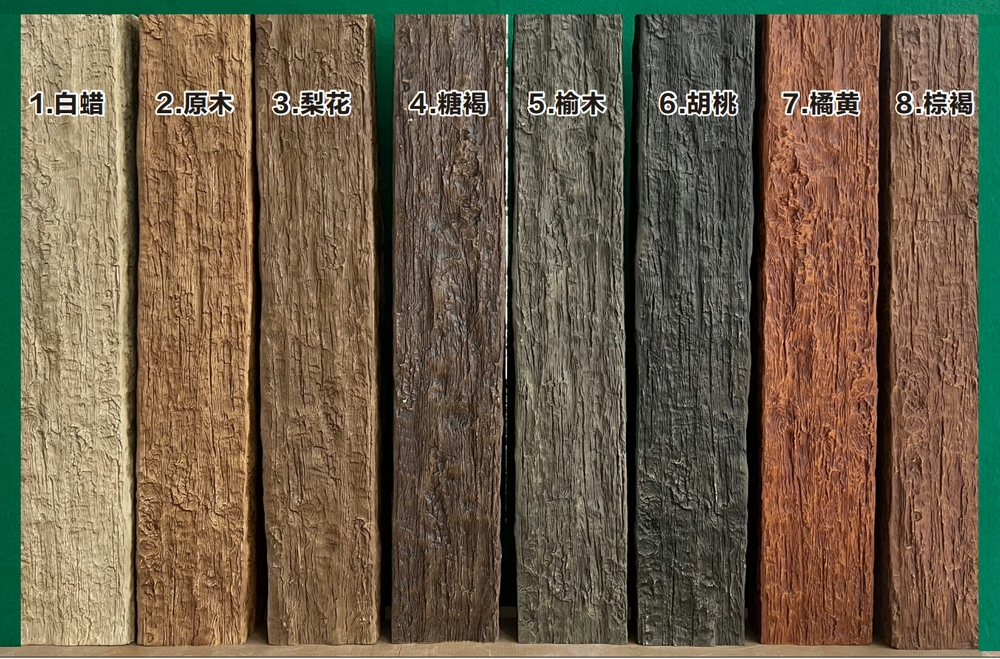
Quality distressing reproduction requires understanding what makes worn wood visually compelling. Simple surface treatment — applying paint and sanding it roughly — creates obvious imitation rather than authentic appearance. Genuine distressing develops through consistent patterns related to use, while artificial distressing typically shows random damage that lacks logical explanation.
Professional distressing reproduction involves multiple steps that build complex, layered appearance. Base colors establish the underlying wood tone; subsequent layers add contrasting colors that appear where wear would naturally occur. Strategic dents and scratches reveal these underlying layers, creating the depth that distinguishes authentic aging. Seal coats protect the layered finish while allowing the texture to remain perceptible to touch.
Edge treatment deserves particular attention in beam distressing. Where planks meet, wear exposes end grain differently than flat surfaces — edges round more quickly and show different coloration. Authentic distressing accounts for these material-specific behaviors rather than applying uniform treatment throughout. The result reads as genuine because it respects the actual behavior of wood under use.
The degree of distressing should match the overall style direction. Subtle, refined distressing works in sophisticated traditional interiors; aggressive, dramatic distressing suits rustic and cottage-style spaces. Over-distressing can undermine rather than enhance spaces, creating appearance of neglect rather than character. The goal is creating the impression of age and use rather than actual damage.
Coordinating Distressed Beams with Surrounding Elements
Successfully integrating distressed beams requires attention to the overall composition of spaces. Heavy distressing creates substantial visual weight that must be balanced by quieter surrounding elements. Walls in soft, muted colors prevent the beams from overwhelming the space. Furniture should generally be simpler and cleaner than the beams to avoid visual competition.
The overall color palette affects how distressing reads in context. Warm palettes with earth tones and creams complement distressed wood by reinforcing the aged, organic character. Cool palettes may conflict with the warm undertones common in wood distressing, creating visual discord that undermines the nostalgic atmosphere. This doesn't mean cool palettes can't work with distressed beams, but the relationship requires more careful consideration.
Flooring interaction with ceiling beams creates opportunities for visual continuity. If flooring features wood with complementary distressing, the visual connection reinforces the sense of aged, established character. Even non-wood flooring can work when colors and textures suggest the same vintage period as the ceiling beams. The goal is creating cohesive atmosphere rather than isolated decorative elements.
Lighting design influences how distressing reveals itself in spaces. Raking light from windows or directional fixtures emphasizes texture and shadow, making distressing more apparent. Diffuse ambient lighting softens these effects, creating more subtle presence. Most spaces benefit from layered lighting that includes both dramatic and gentle elements, revealing distressing details when desired while maintaining comfortable general illumination.
Practical Considerations for Distressed Installations
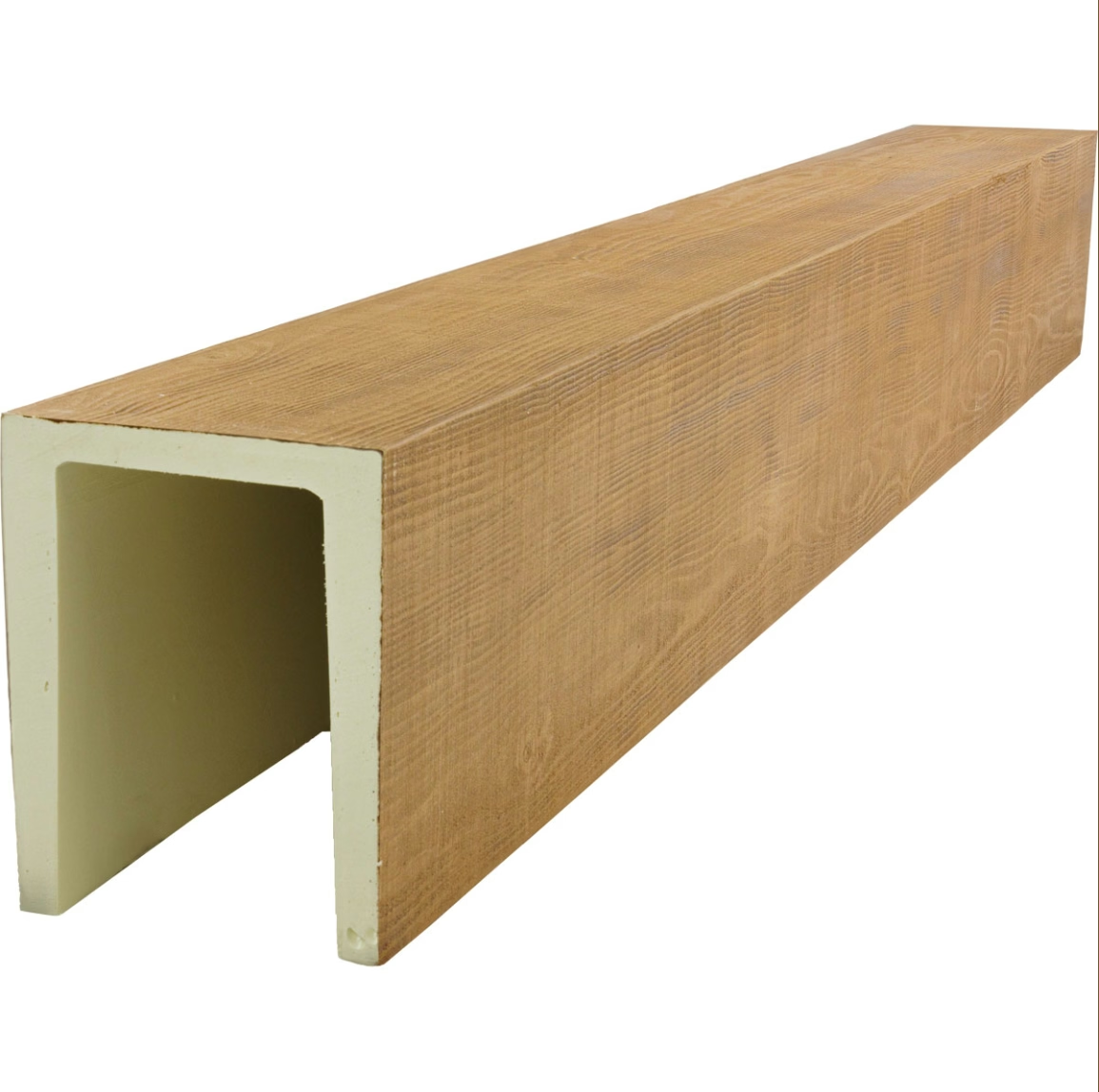
Despite their worn appearance, distressed PU beams offer the same practical advantages as other polyurethane products. The material resists moisture absorption, impact damage, and biological threats that would affect natural wood. This durability ensures that the distressed appearance remains consistent indefinitely without maintenance intervention, unlike authentic distressed wood that might continue changing through ongoing use and exposure.
Installation requirements remain consistent regardless of finish. Lightweight construction simplifies handling; standard tools suffice for cutting and fitting; standard mounting methods provide secure attachment. The distressed surface doesn't complicate installation any more than smooth finishes would — if anything, minor handling marks are less visible on textured surfaces.
Cleaning and maintenance of distressed beams requires less precision than smooth surfaces. Dust and debris settle into surface texture rather than remaining visible on flat surfaces; minor staining affects texture rather than creating obvious discoloration. This forgiving nature makes distressed beams practical for high-traffic areas, family homes, and other contexts where perfection would be impossible to maintain.
The combination of vintage character and modern performance makes distressed wood effect PU beams uniquely valuable for retro-inspired interiors. They enable the nostalgic atmosphere that distressed aesthetics create while providing the durability and consistency that contemporary living demands. For homeowners seeking to channel the past without sacrificing practical performance, these beams offer compelling advantages.
Technical References
ASTM standards cited in every specification
Test Data
Lab results from internal testing program
Updated 2026
Reviewed against current product specs


