Douglas fir has played a foundational role in American architecture and construction for over a century. The tree's remarkable growth rate and extensive range across the Pacific Northwest and Rocky Mountains made it the dominant structural timber species, visible in countless homes, commercial buildings, and industrial structures from the early twentieth century forward. This ubiquity has created strong cultural associations with American building traditions, making Douglas fir a recognizable and comforting presence in residential contexts.
The visual character of Douglas fir combines practical advantages with genuine aesthetic appeal. The wood typically displays prominent, well-defined grain patterns in warm reddish-brown tones that lighten toward amber with exposure. Cathedral grain patterns appear clearly in flat-sawn stock, creating the classic wood appearance that most people associate with structural timber. This combination of visual interest and clear wood character has made Douglas fir a preferred species for exposed structural applications where appearance matters as much as strength.
Fresh Douglas fir displays warm reddish-pink tones that gradually deepen to rich golden brown with light exposure. This aging behavior means new fir installations transform noticeably over time, developing the deeper color that many consider more attractive than the initial pale tones. The wood's natural resin content contributes to its durability while adding subtle warmth that enhances the overall appearance. These characteristics have made Douglas fir popular for both structural and decorative applications throughout its extensive history.
The Character and Appeal of Douglas Fir
Understanding Douglas fir's enduring appeal requires examining both its visual qualities and its cultural associations. The grain patterns are distinctive without being aggressive — clear enough to read clearly across rooms, yet subtle enough to complement rather than dominate surrounding elements. This versatility makes Douglas fir appropriate across design contexts from rustic cabins to contemporary urban lofts.
The color palette of Douglas fir occupies a warm middle ground between pale woods like maple and darker species like walnut. This positioning allows fir to provide warmth without the visual weight of darker options, making it suitable for spaces where brightness remains important. The reddish undertones add life and prevent the somewhat clinical feeling that some neutral woods can create.
Natural variation within Douglas fir creates visual interest that prevents monotony. Growth conditions affect grain spacing and figure, producing pieces with subtly different characters. Occasional knots add rustic authenticity; clear sections provide smooth, elegant surfaces. This natural variety means each installation presents unique character rather than uniform appearance.
The association of Douglas fir with authentic structural timber adds meaningful content to its aesthetic presence. Unlike decorative wood species chosen primarily for appearance, fir connects spaces to genuine building traditions and honest construction. This association aligns naturally with rustic and craftsman design approaches that value authentic materials and craftsmanship over superficial decoration.

Design Applications for Fresh Rustic Spaces
Great rooms and open living areas benefit from Douglas fir grain beams in several configurations. Long continuous beams across high ceilings create architectural rhythm that structures large spaces without enclosing them. Multiple parallel beams can define zones within open floor plans, creating subtle separation that helps organize furniture groupings. The warm coloration prevents large rooms from feeling cavernous while maintaining the bright, open atmosphere that modern living prefers.
Kitchens embrace Douglas fir beams particularly well, with the warm wood tones complementing both traditional and contemporary cabinet and counter options. Beams above kitchen islands create natural gathering zones that feel warm and inviting — the kind of space where family members congregate even when not actively preparing food. The wood grain adds visual interest to ceiling planes that might otherwise receive little attention.
Bedroom applications benefit from the calming warmth that Douglas fir provides. The wood's middle-tone coloration creates immediate comfort without the heaviness of darker species. Beams overhead add architectural presence that prevents large primary bedrooms from feeling exposed. The natural grain pattern introduces texture that softens architectural lines and creates cozy enclosure.
Home offices and professional spaces can incorporate Douglas fir beams to communicate approachability and warmth. The wood's associations with craftsmanship and honest construction suggest values of quality and reliability that translate well to professional contexts. Beams in study areas or reading nooks create focused zones within larger spaces, establishing purpose and intention through architectural treatment.

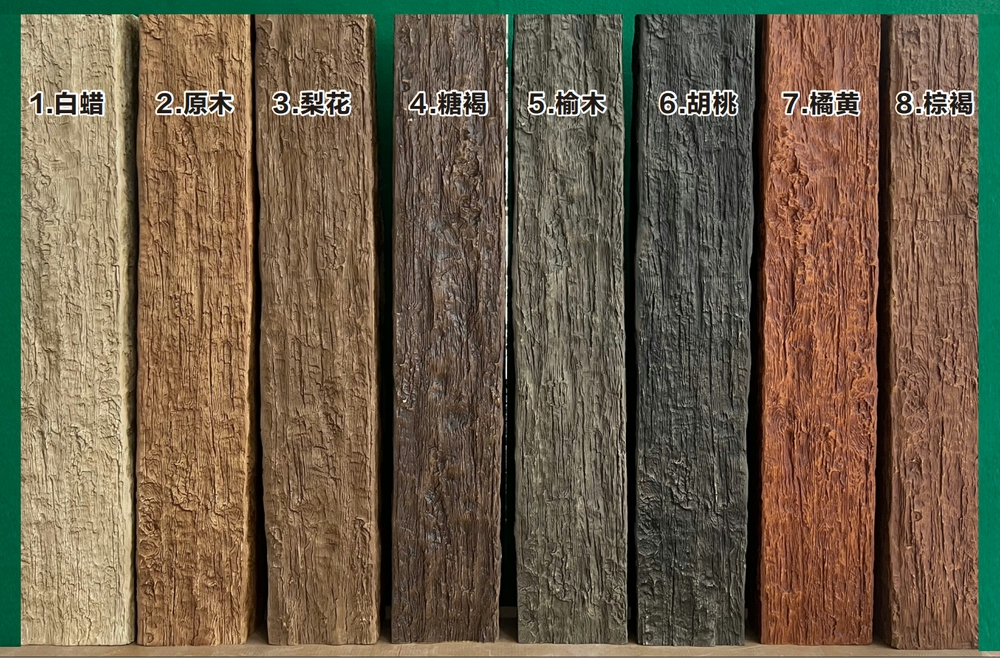
Fresh Rustic Design Philosophy
Fresh rustic design represents a contemporary interpretation of traditional rustic aesthetics, emphasizing lightness, airiness, and natural materials over the heavier, more cluttered approaches of earlier rustic styles. This evolution responds to contemporary preferences for brightness and openness while maintaining connection to natural materials and authentic craft traditions. Douglas fir beams support this direction perfectly through their warm, natural character without visual heaviness.
The fresh rustic approach combines natural materials with clean-lined, contemporary elements. Wood grain beams introduce organic warmth alongside furniture with simple, modern profiles. White and neutral wall colors prevent spaces from feeling dark or enclosed. Natural textiles in linen, cotton, and wool add soft texture without pattern complexity. The result achieves comfort and character through restraint rather than accumulation.
Color coordination for fresh rustic spaces typically emphasizes neutrals with warm undertones. Warm whites, soft creams, and pale tans complement Douglas fir's amber tones without competing for attention. Accent colors should remain subtle — muted greens, soft blues, and gentle earth tones extend the natural palette without introducing discordant notes. The overall effect should feel calm, natural, and effortlessly cohesive.
Material layering creates visual interest in fresh rustic interiors. Wood beams provide one textural element; natural stone, woven textiles, ceramic accessories, and organic shapes contribute additional layers that build richness without clutter. Each material should be allowed to speak clearly rather than competing with others. The goal is creating complexity through thoughtful combination rather than through sheer quantity of elements.
Technical Performance Advantages
Douglas fir grain PU beams offer performance characteristics that exceed natural fir in several important respects. The material's resistance to moisture absorption eliminates concerns about swelling, warping, and the dimensional instability that affects natural wood with changing humidity. This stability ensures consistent appearance and fit through all seasons and climate conditions.
Impact resistance exceeds that of natural fir, which can dent and scratch relatively easily due to its moderate hardness. Polyurethane absorbs minor impacts more gracefully, maintaining smooth appearance through the wear and tear of everyday life. Any damage that does occur can often be repaired with simple filler compounds, unlike natural wood where damage might require replacement or extensive refinishing.
The lightweight nature of manufactured beams simplifies installation dramatically compared to equivalent timber sections. Natural Douglas fir beams of architectural size can weigh hundreds of pounds, requiring multiple handlers and potentially structural reinforcement. PU equivalents weighing a fraction of this can often be installed by single individuals using standard construction techniques. The reduction in structural demands also expands mounting options.
Biological resistance ensures long-term performance without the pest and decay concerns that affect natural wood. Termites, borers, and other wood-consuming organisms cannot damage polyurethane, eliminating one category of maintenance concerns entirely. This resistance proves particularly valuable in regions where pest pressure is high or in applications where inspection access is limited.
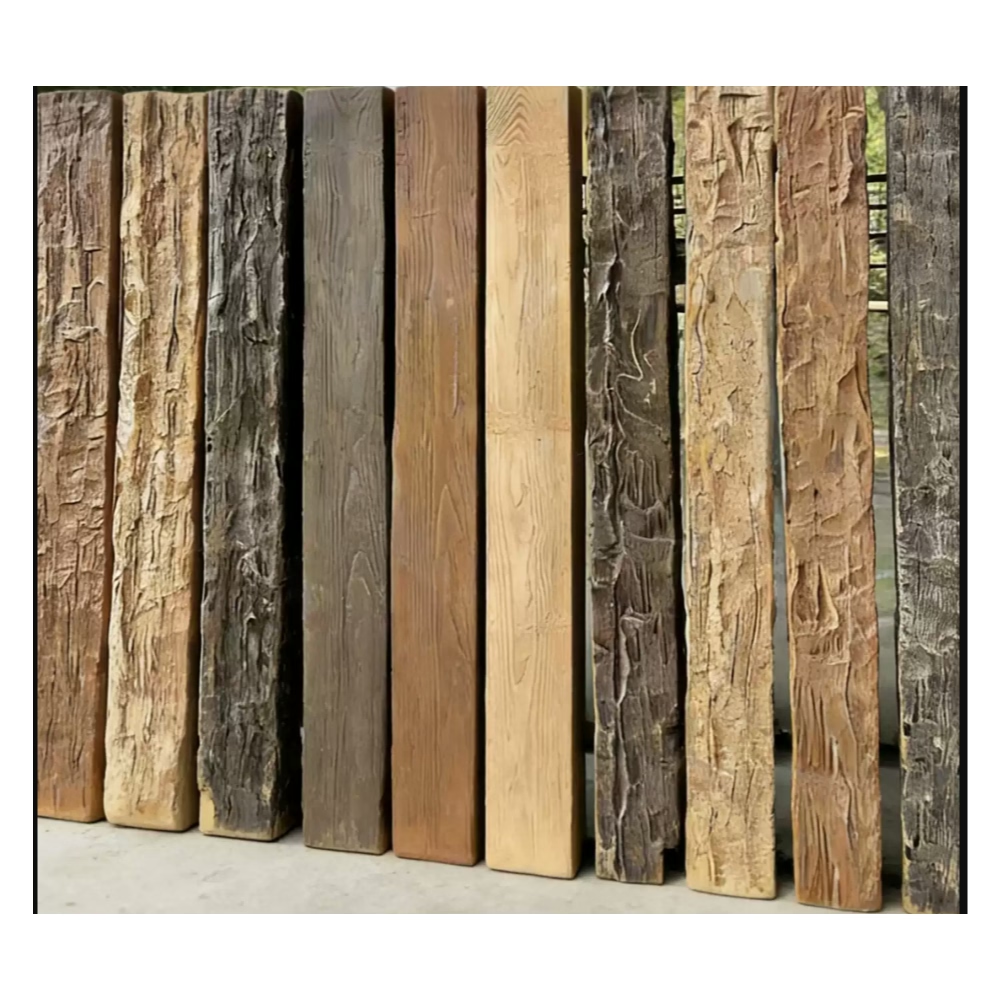
Maintenance-Free Long-Term Performance
The maintenance profile of Douglas fir grain PU beams represents perhaps their most significant practical advantage. Natural fir requires periodic cleaning, possible refinishing, and ongoing monitoring for signs of deterioration. Each maintenance intervention represents direct cost plus the disruption of life interruption. PU beams require nothing beyond occasional dusting or wiping to maintain their appearance.
The color stability of quality PU reproductions ensures that beams maintain their appearance indefinitely. Natural Douglas fir darkens noticeably with light exposure, changing from pale pink to rich amber over months of installation. While this aging is often considered attractive, it can create challenges when beams are added to existing interiors with established wood tones. PU reproductions can be manufactured to any point in the aging process, providing immediate match to existing conditions.
For rental properties, vacation homes, and other situations where regular maintenance attention is impractical, PU beams provide reliable performance without ongoing stewardship requirements. Property owners can install these beams with confidence that appearance will remain consistent regardless of occupancy patterns or maintenance availability. The initial investment provides decades of service without additional expenditure.
Fresh rustic design continues to gain popularity as homeowners seek natural materials and authentic character without the darkness and heaviness of traditional rustic approaches. Douglas fir grain PU beams support this aesthetic direction perfectly, bringing light, warm natural beauty into spaces where the visual weight of heavier materials would undermine the desired atmosphere. The combination of aesthetic appeal and practical performance makes these beams uniquely valuable for contemporary rustic applications.
Technical References
ASTM standards cited in every specification
Test Data
Lab results from internal testing program
Updated 2026
Reviewed against current product specs


