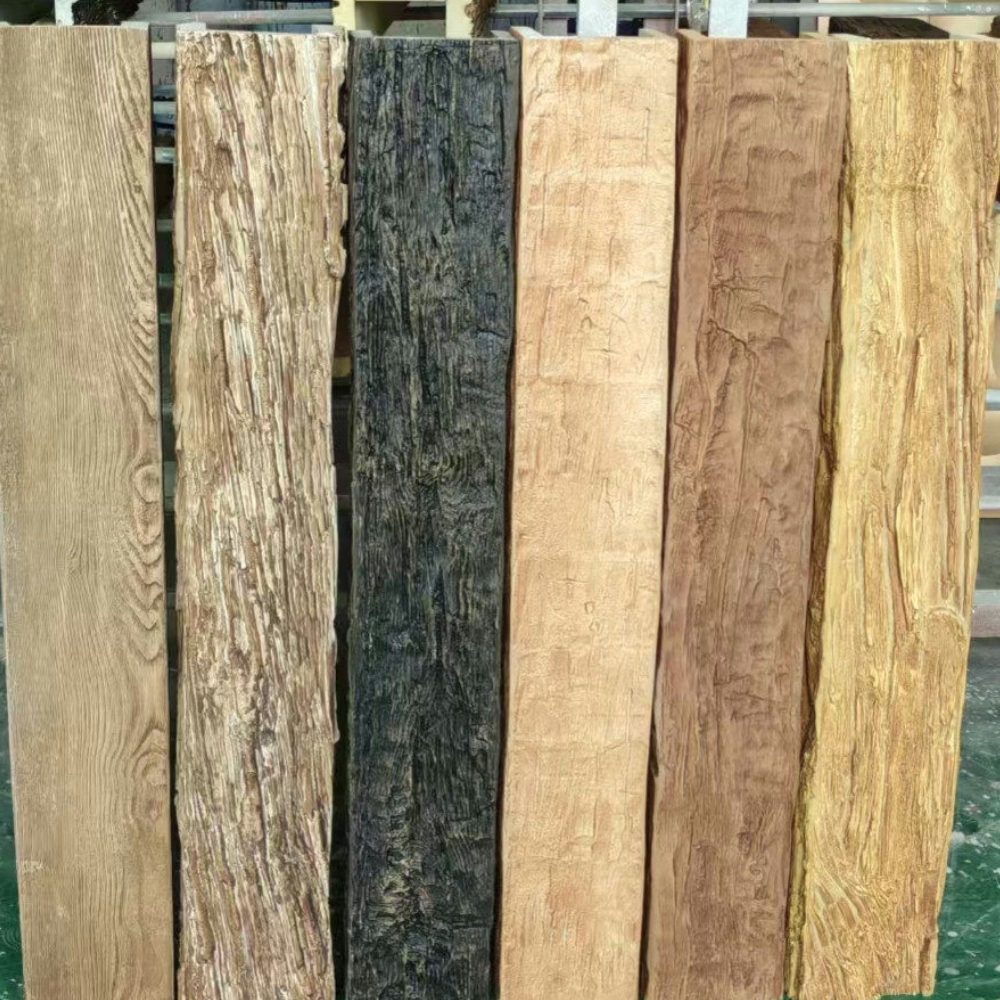
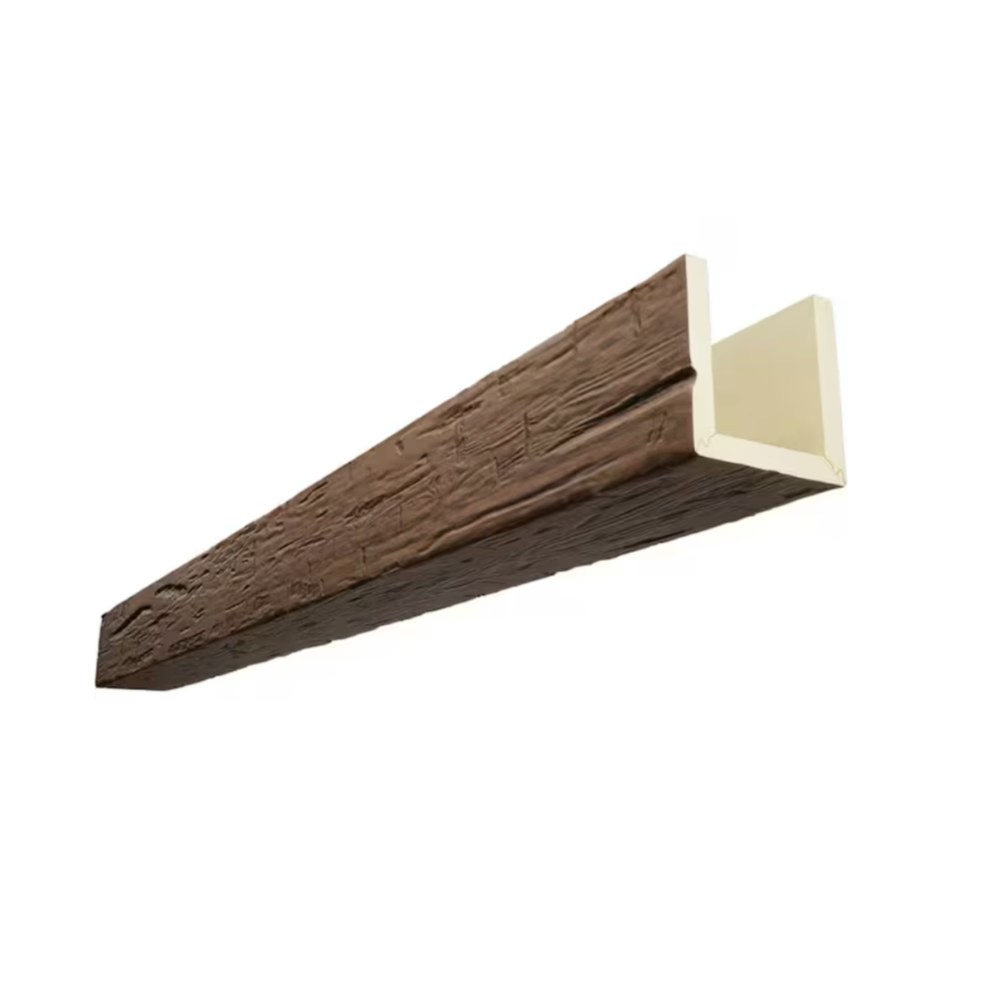
Coastal rustic design has emerged as a significant trend, offering an alternative to both the heavy nautical themes of traditional beach houses and the stark minimalism of some contemporary coastal styles. This approach embraces natural materials, organic textures, and the muted color palettes that characterize weathered seaside environments. Driftwood occupies a central position in this aesthetic vocabulary, providing the visual anchor around which other elements arrange themselves. The soft grays, silvery tones, and gentle textures of driftwood create atmospheres of peaceful tranquility that increasingly appeal to homeowners far from any shoreline.
The driftwood aesthetic resonates because it speaks to universal themes through specific visual language. Driftwood has traveled, transformed, and emerged beautiful despite hardship — a narrative that carries meaning regardless of the viewer's relationship to the sea. The muted palette soothes rather than stimulates; the organic textures invite touch and connection. These psychological effects explain why driftwood-inspired interiors feel genuinely calming in ways that more dramatic approaches cannot match.
Authentic driftwood's visual appeal comes with practical limitations that constrain architectural applications. Genuine driftwood has been softened and sometimes structurally compromised by its exposure journey. The very processes that create its beautiful appearance also reduce its strength and durability. Polyurethane reproductions capture the aesthetic qualities of driftwood while providing the structural performance that architectural installations require.
The Allure of Weathered Seaside Wood
Understanding driftwood's visual power requires examining what makes weathered seaside wood distinctive. The palette is fundamentally restrained — soft grays, silvery whites, warm tans, and muted browns that blend harmoniously rather than competing for attention. This color gentleness creates immediate impressions of calm and peace, associations valuable in the often-hectic contexts of contemporary life.
Surface texture plays an equally important role in driftwood character. The bleaching action of salt and sun, the polishing effect of wave tumbling, and the erosion caused by sand carried on wind combine to create surfaces of extraordinary complexity. Some areas retain traces of original grain; others show the smooth polish of extended water exposure. Small checking patterns, subtle voids, and varied surface qualities create visual interest that rewards extended observation.
The light-responsive quality of driftwood surfaces ensures they remain interesting over time. Direct sunlight reveals the full complexity of texture and color variation; overcast conditions create softer, more ethereal appearances; artificial lighting at different intensities produces yet different effects. This responsiveness prevents driftwood surfaces from becoming static or boring despite prolonged exposure.
The psychological associations driftwood carries add content beyond mere aesthetics. Driftwood speaks of journeys completed, transformations survived, and beauty achieved through natural processes rather than human intervention. These associations resonate with contemporary values that emphasize authenticity, sustainability, and connection to natural systems. Driftwood-look materials carry these meanings into interior spaces regardless of proximity to coastlines.

Design Applications for Coastal Rustic Interiors
Living rooms in coastal rustic homes benefit from driftwood beam installations that establish the design vocabulary for entire spaces. The muted color palette provides foundation for varied decorative elements without demanding specific color choices. Beams across ceilings create visual structure that organizes open floor plans while maintaining the lightness that coastal interiors prioritize. The organic texture adds warmth that prevents spaces from feeling sterile despite their brightness.
Sunrooms and enclosed porches represent ideal settings for driftwood beam installations. These transitional spaces between interior and exterior environments benefit from materials that suggest outdoor weathering without requiring actual exterior exposure. Driftwood beams provide the textural complexity that unifies these spaces with surrounding landscapes while maintaining the protected environment that enclosed porches provide.
Bedroom applications capitalize on driftwood's calming qualities. The sleeping environment should promote rest and restoration, goals that the muted palette and gentle textures of driftwood support effectively. Beams overhead create intimate enclosure that prevents large master suites from feeling exposed. Combined with soft textiles, natural fiber rugs, and pale wall colors, driftwood beams help establish sanctuary atmospheres worthy of quality rest.
Vacation properties and retreat homes embrace driftwood aesthetics because they communicate relaxation regardless of specific location. The universal appeal of weathered seaside wood ensures that driftwood-look interiors feel appropriate across diverse settings — mountain cabins, lakeside cottages, and urban apartments can all incorporate driftwood character without geographic contradiction.

Integration with Broader Design Systems
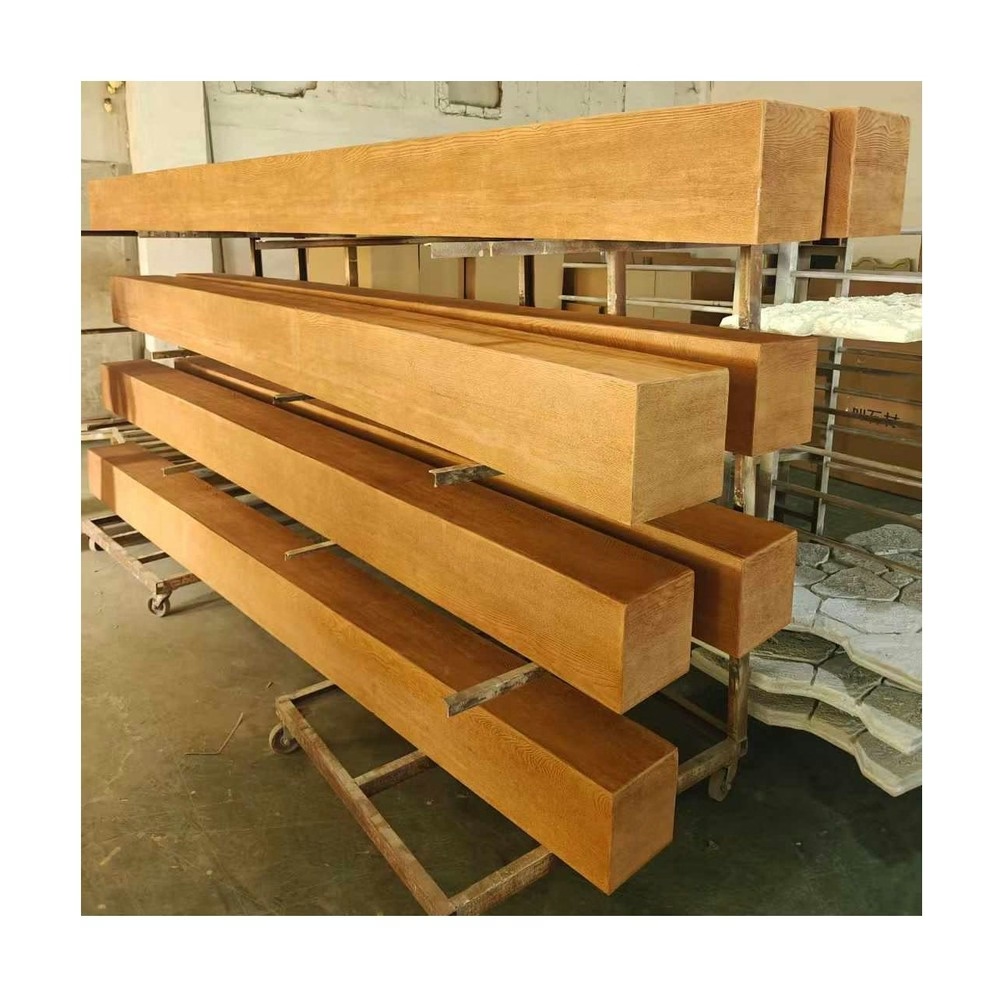
Coastal rustic interiors require careful coordination between driftwood beams and surrounding elements. The muted palette demands complementary color choices in walls, floors, and furnishings. Warm whites, soft grays, and pale tans for walls prevent competition with beam coloration. Flooring in light woods, pale stone, or neutral carpet maintains the bright, open feeling that driftwood aesthetics pursue.
Textile selection should reinforce the natural, organic direction without introducing pattern complexity that would conflict with driftwood's subtle character. Linen, cotton, and wool in natural, undyed or minimally processed states complement driftwood beautifully. Area rugs in seagrass, jute, or other natural fibers add soft texture underfoot. The overall textile program should feel quiet and restful rather than busy or patterned.
Furniture choices for driftwood-influenced interiors should prioritize simplicity and natural materials. Unfinished or lightly finished wood pieces echo beam coloration without matching exactly. Upholstered pieces in neutral tones provide comfort without introducing color complexity. Wicker and rattan add natural texture in appropriate scale. The goal is creating spaces that feel gathered rather than purchased, assembled over time rather than assembled all at once.
Lighting design should emphasize the ambient, diffuse quality that reinforces calm atmosphere. Sheer window treatments filter natural light softly; woven shades provide adjustable coverage while maintaining natural texture. Light fixtures in natural materials — rattan pendants, woven fiber lampshades, ceramic table lamps — extend the organic vocabulary throughout spaces.
Technical Performance for Coastal Environments
Coastal environments test building materials severely through salt exposure, humidity cycling, and intense UV radiation. Polyurethane driftwood beams resist every one of these challenges, maintaining appearance and structural integrity despite demanding conditions. This durability ensures long-term satisfaction in coastal properties where maintenance attention is often limited.
Moisture resistance proves particularly valuable in humid coastal atmospheres. Natural wood absorbs moisture from humid air, swelling and contracting in ways that eventually cause checking, splitting, and decay. Polyurethane's dimensional stability eliminates these concerns entirely, ensuring consistent appearance regardless of humidity conditions. This stability simplifies detailing and reduces long-term maintenance requirements.
The lightweight nature of manufactured beams provides practical installation advantages in coastal construction. Beach houses and oceanfront properties often feature elevated structures with limited access for material delivery. Lightweight beams reduce handling demands and allow installation in locations where heavy timber would require reinforcement or equipment assistance. These practical advantages translate to reduced installation costs and faster project completion.
UV resistance ensures long-term color stability despite intense coastal sunlight. Quality polyurethane can be formulated with UV inhibitors that prevent the surface degradation and color fading that affect organic materials exposed to strong sun. This protection maintains the soft driftwood coloration indefinitely, ensuring beams look newly installed for years rather than gradually lightening or yellowing.
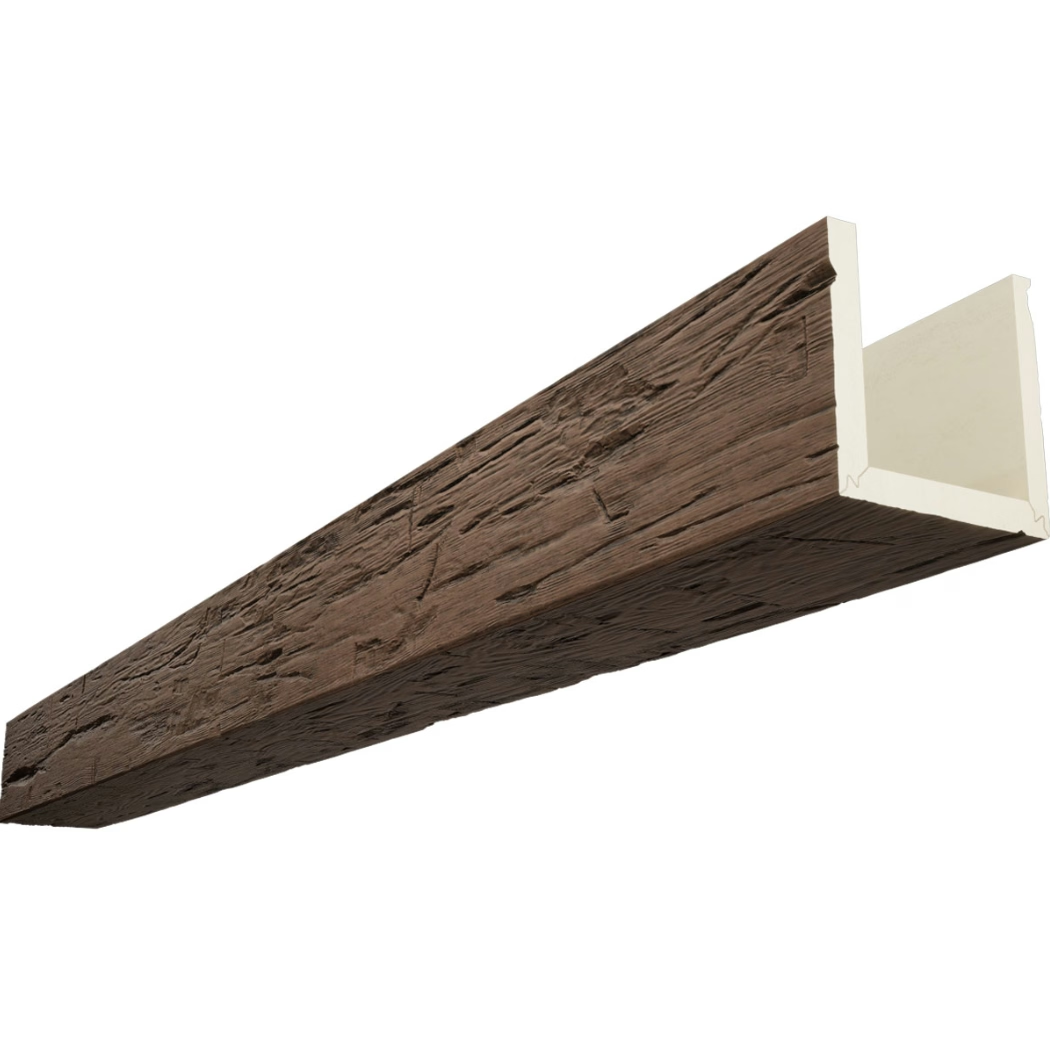
Maintenance-Free Long-Term Performance
The maintenance profile of driftwood PU beams represents one of their most significant advantages. Natural driftwood requires careful handling to prevent damage, regular cleaning to remove salt accumulation, and ongoing monitoring for signs of deterioration. Polyurethane beams demand nothing beyond occasional dusting or wiping to maintain their appearance. This maintenance-free characteristic proves particularly valuable for vacation properties where regular attention is impractical.
Cleaning requirements are minimal due to the sealed surface that prevents contaminant penetration. Dust and debris can be removed with simple dusting; occasional wiping with a damp cloth addresses any accumulated grime. The soft, muted coloration of driftwood finish hides minor soiling better than darker or more contrasting options, reducing cleaning frequency further.
For property managers overseeing vacation rentals or second homes, driftwood PU beams provide reliability that natural materials cannot match. Install-and-forget performance ensures continued satisfaction without regular inspection or maintenance scheduling. The initial investment provides decades of beautiful service without additional expenditure, simplifying long-term property management.
Coastal rustic design continues to grow in popularity as homeowners seek the tranquility of seaside aesthetics without requiring actual coastal locations. Driftwood effect PU beams make this aesthetic accessible across diverse contexts, bringing soft, weathered beauty into spaces where authentic driftwood would prove impractical or unavailable. The result honors both the natural inspiration and contemporary requirements for durable, maintenance-free architectural elements.
Technical References
ASTM standards cited in every specification
Test Data
Lab results from internal testing program
Updated 2026
Reviewed against current product specs