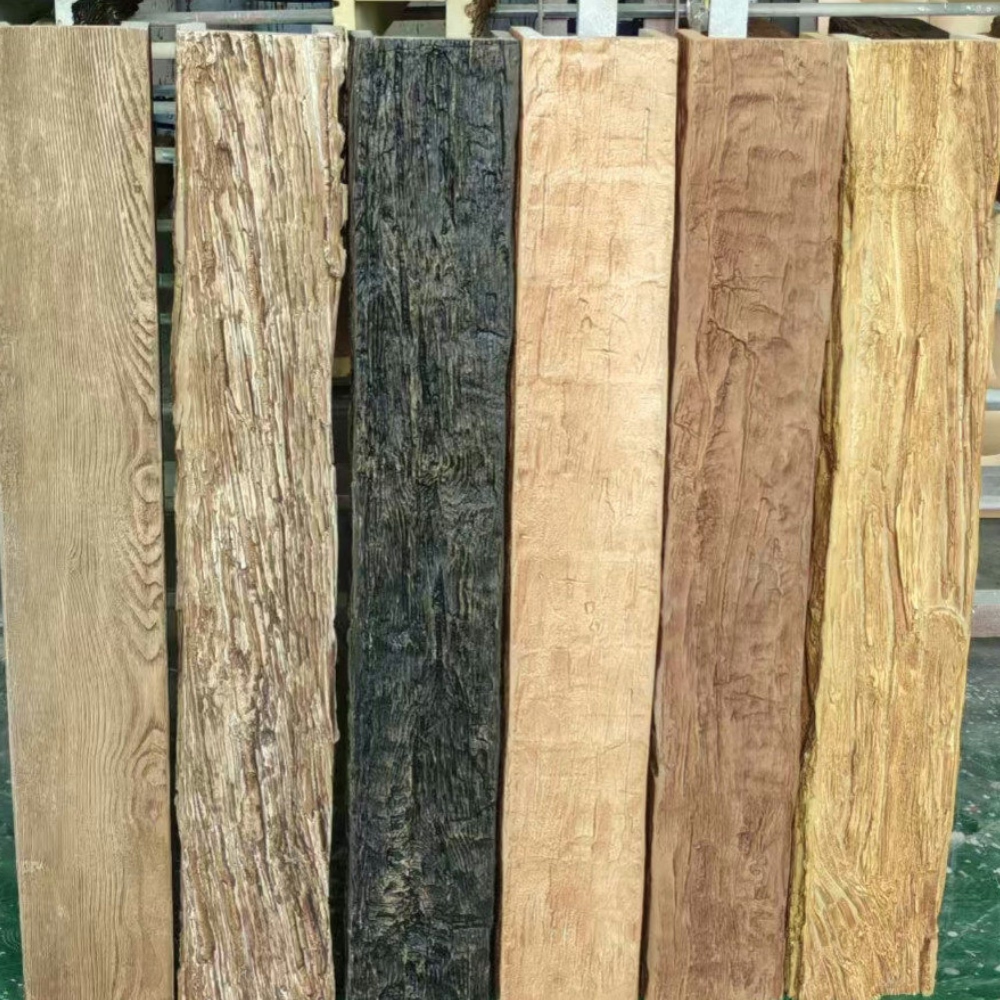
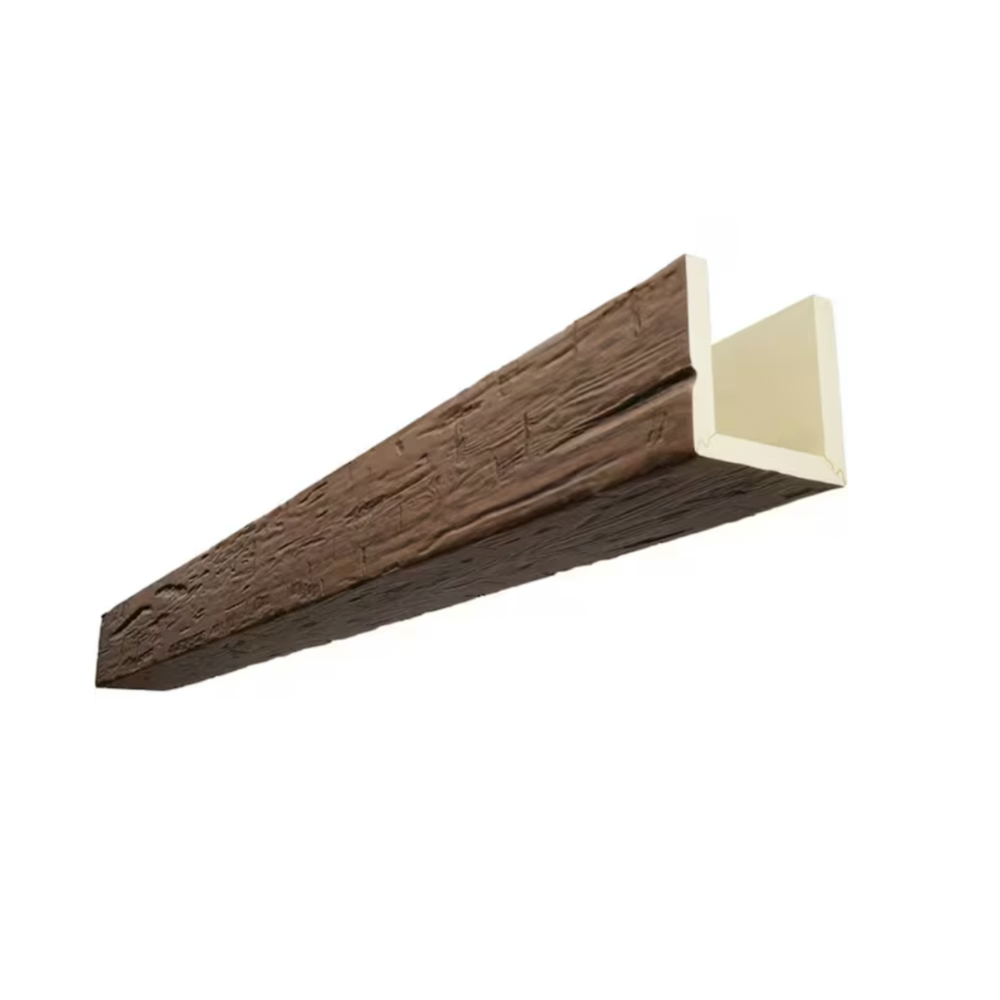
The most convincing faux wood products achieve their realism through the combination of accurate color reproduction and authentic texture capture. Color alone cannot fool the eye — it is texture that creates the three-dimensional complexity that distinguishes real wood from printed imitations. When light falls across a textured surface, it creates the subtle interplay of highlights and shadows that our visual systems immediately recognize as authentic. This is why texture reproduction represents the highest achievement in faux wood manufacturing, and why textured driftwood beams occupy a premium position among available options.
Driftwood presents distinctive textural challenges that sophisticated manufacturing processes must address. The weathering processes that create driftwood's appearance produce surfaces of remarkable complexity — areas of smooth polish adjacent to rough erosion, subtle checking patterns interwoven with intact grain, small voids and missing sections marking the passage of time. Capturing this complexity requires mold-making from genuine weathered samples and casting processes precise enough to preserve every detail.
The combination of driftwood coloration with authentic texture creates products that satisfy close inspection. Visitors approaching textured driftwood beams discover new details at every distance, with the surface rewarding extended observation rather than revealing its true nature immediately. This quality of "infinite detail" characterizes the best faux wood products and distinguishes them from cheaper alternatives that may look acceptable from across rooms but fail upon closer examination.
The Science of Authentic Texture Reproduction
Creating surfaces that convincingly replicate weathered driftwood requires understanding what makes such surfaces visually compelling. The eye perceives texture through several mechanisms — the pattern of light and shadow across surface relief, the way color varies with viewing angle, the way shadows change with lighting direction. Reproduction must address all these perception mechanisms to achieve convincing results.
Mold making for driftwood texture begins with authentic samples that display the desired combination of weathering effects. These samples must be clean, dry, and stable before molding can begin. Liquid rubber compounds capture every surface detail, from broad patterns down to microscopic texture variations. The resulting molds become permanent tools that can produce unlimited quantities of matching pieces.
Casting processes must fill these detailed molds completely without trapping air or creating voids. Polyurethane compounds are formulated to have appropriate flow characteristics — fluid enough to enter fine detail, yet viscous enough to remain where placed. Cure timing must allow complete polymerization while preventing excessive shrinkage that might distort fine features. Quality control procedures verify complete reproduction across every cast piece.
Surface coloring follows texture reproduction, applying driftwood tones in ways that enhance rather than obscure the underlying texture. This requires understanding how color interacts with three-dimensional surfaces — darker tones in recesses create perceived depth; lighter tones on raised areas create highlights. The result is coloration that appears to emerge from within the texture rather than sitting atop it.

Design Applications and Aesthetic Impact
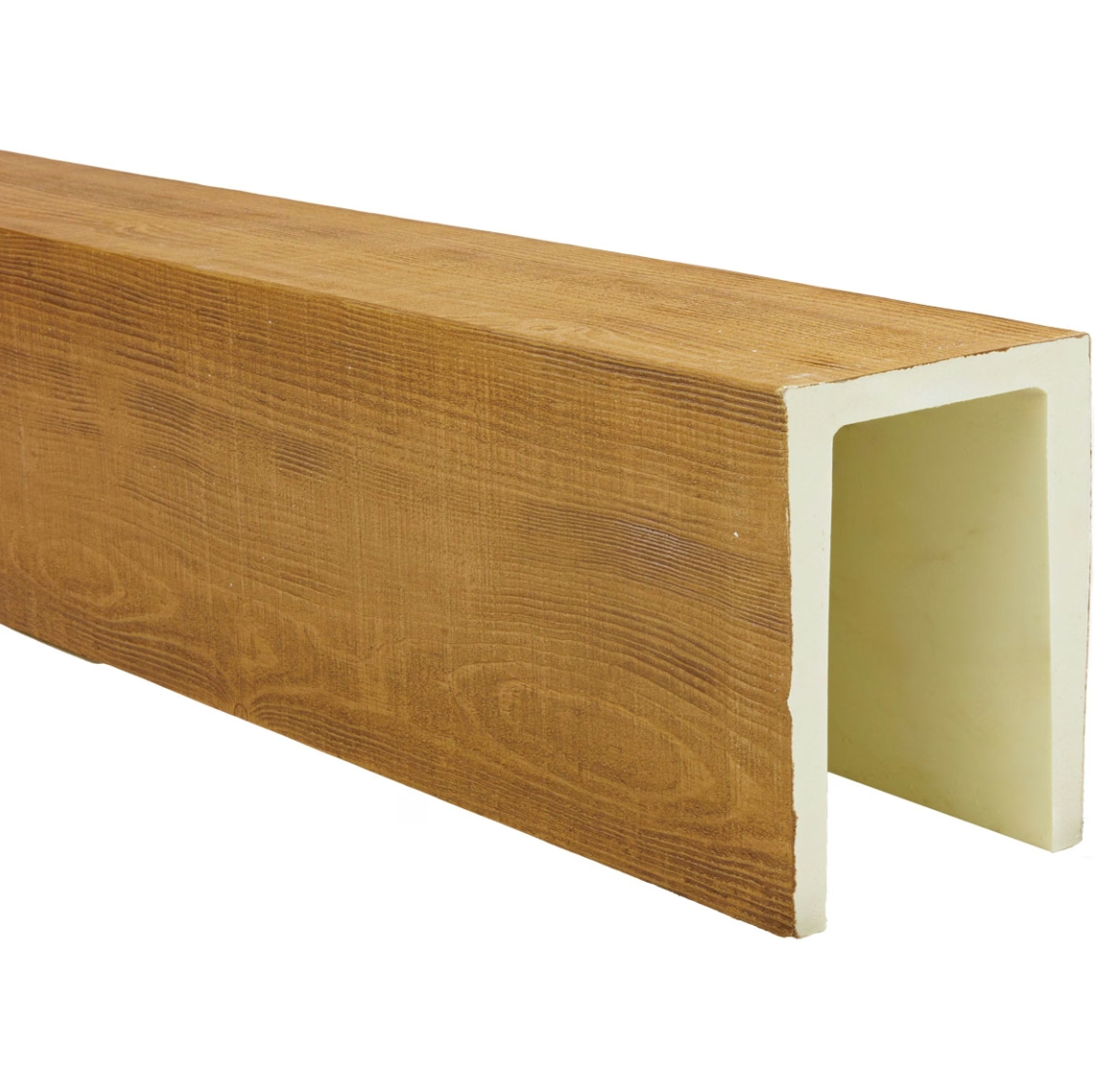
Textured driftwood beams create more dramatic visual impact than smooth alternatives. The surface texture adds complexity that catches and redirects light in subtle ways, creating visual interest that evolves throughout the day as lighting conditions change. This responsiveness ensures beams remain engaging despite prolonged exposure rather than becoming invisible through familiarity.
High-ceiling spaces benefit particularly from textured beam installations. The texture provides visual mass that smooth beams of equivalent size might lack, ensuring beams command appropriate presence in grand spaces. Foyers with two-story ceilings, great rooms with vaulted surfaces, and dining rooms with elevated ceilings all accommodate textured beams effectively, with the surface detail ensuring appropriate visual weight.
Formal spaces can incorporate textured driftwood beams as architectural features that establish design vocabulary. The sophistication of authentic texture reproduction elevates these beams beyond mere decorative elements, positioning them as genuine architectural features worthy of the attention they receive. Hotels, restaurants, and other hospitality venues have discovered this quality, using textured beams to create memorable environments that distinguish their spaces from competitors.
Residential applications range from casual to formal depending on overall design direction. Textured driftwood beams work equally well in casual beach cottages and sophisticated coastal retreats, with the surface detail providing enough visual interest to function across this range. The key is ensuring surrounding elements support rather than compete with beam presence — simpler is generally better when textured beams are featured.

Integration with Interior Design Elements
The muted palette of textured driftwood beams coordinates readily with most interior color schemes. Warm whites, soft grays, and pale neutrals for walls create appropriate backgrounds without competing for attention. Floor materials in light woods, pale stone, or neutral carpet maintain the bright, open feeling that driftwood aesthetics pursue. The overall effect should feel calm and cohesive rather than busy or varied.
Textile selection should echo the organic, natural direction that textured driftwood establishes. Linen, cotton, and wool in natural tones provide soft texture and comfortable function. Area rugs in natural fibers add warmth underfoot while maintaining visual lightness. Window treatments in sheer fabrics or woven woods filter light softly while preserving connection to the organic design vocabulary.
Furniture choices should prioritize simple lines and natural materials that complement rather than compete with textured beams. Upholstered pieces in neutral tones provide comfort without introducing pattern complexity. Wood furniture echoes the beam material at human scale; metal accents in brass, bronze, or matte black provide subtle contrast. The goal is creating environments where beams feel like the primary visual element rather than one element among many.
Lighting design should consider how artificial light interacts with textured surfaces. The beam texture creates complex shadow patterns that change with fixture placement and light direction. Downlights create dramatic shadows in texture recesses; indirect lighting softens these effects while maintaining textural visibility. Understanding this interaction ensures lighting enhances rather than undermines beam presence.
Performance and Maintenance Advantages
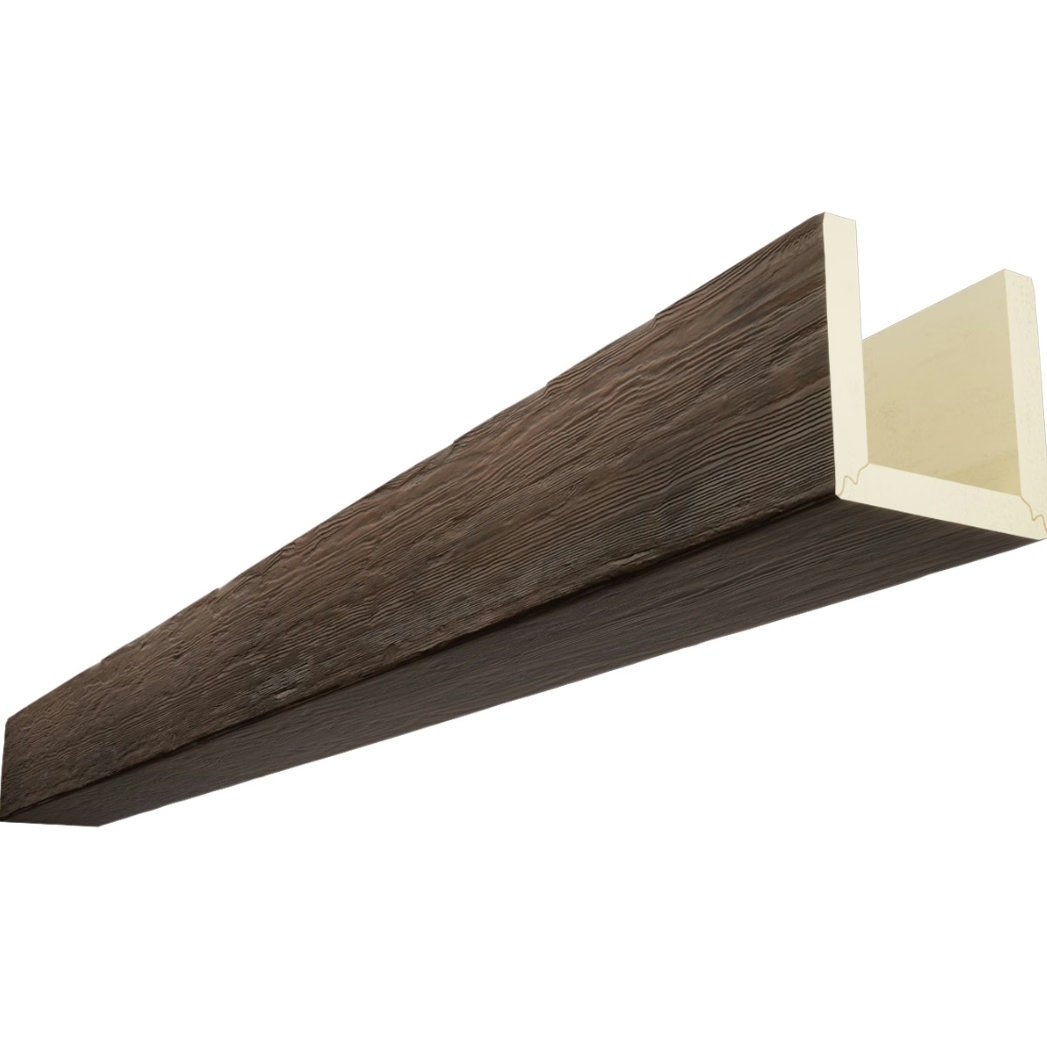
Textured driftwood PU beams offer the same performance advantages as smooth configurations, with some additional benefits related to texture maintenance. The textured surface actually hides minor surface contamination better than smooth finishes, reducing visible soiling between cleanings. This forgiving nature makes textured beams practical for high-traffic areas or family homes where perfection would be impossible to maintain.
Cleaning textured surfaces requires attention to crevices and recesses where dust might accumulate. Soft brushes reach into texture details to dislodge accumulated particles; compressed air can blow debris from areas difficult to access physically. Periodic thorough cleaning maintains the full visual impact of texture reproduction without requiring the frequency that smooth surfaces might demand.
The durability of polyurethane ensures texture detail remains intact indefinitely. Unlike natural wood where surface texture might erode through wear or refinishing, polyurethane texture is permanent and unchanging. This consistency ensures beams maintain their freshly installed appearance for years without intervention or touch-up work.
The combination of authentic texture reproduction and sophisticated driftwood finish creates products that satisfy the most demanding design requirements. These beams demonstrate what modern manufacturing can achieve when applied to architectural aesthetic goals, enabling spaces that combine natural beauty with manufactured reliability. For projects where appearance quality determines success, textured driftwood beams merit serious consideration.
Technical References
ASTM standards cited in every specification
Test Data
Lab results from internal testing program
Updated 2026
Reviewed against current product specs