There's something undeniably appealing about spaces that feel lived-in and relaxed, where every surface tells a story of sun, salt, and slow tides. When designing or renovating a coastal property, capturing that effortless beach house aesthetic often means working with materials that can withstand humidity while maintaining visual warmth. Natural driftwood look PU faux wood beams have emerged as a sophisticated solution for homeowners and designers who want the aesthetic of weathered driftwood without the practical limitations that real reclaimed wood brings to moisture-prone environments.

The beauty of driftwood aesthetics lies in its imperfection. Unlike pristine wood grains that demand attention, the muted silver-grey tones of weathered wood blend harmoniously with sun-bleached textiles, natural linen upholstery, and the ever-changing palette of coastal light. When you install these beams in a beachfront living room, you're not just adding architectural interest—you're creating a foundation for the entire room's color story. The neutral grey-brown tones of driftwood look beams complement everything from navy and white to sandy beige and soft coral, allowing other decorative elements to shine while the beams provide quiet structural elegance.
Understanding the Composition of Premium Driftwood Beams
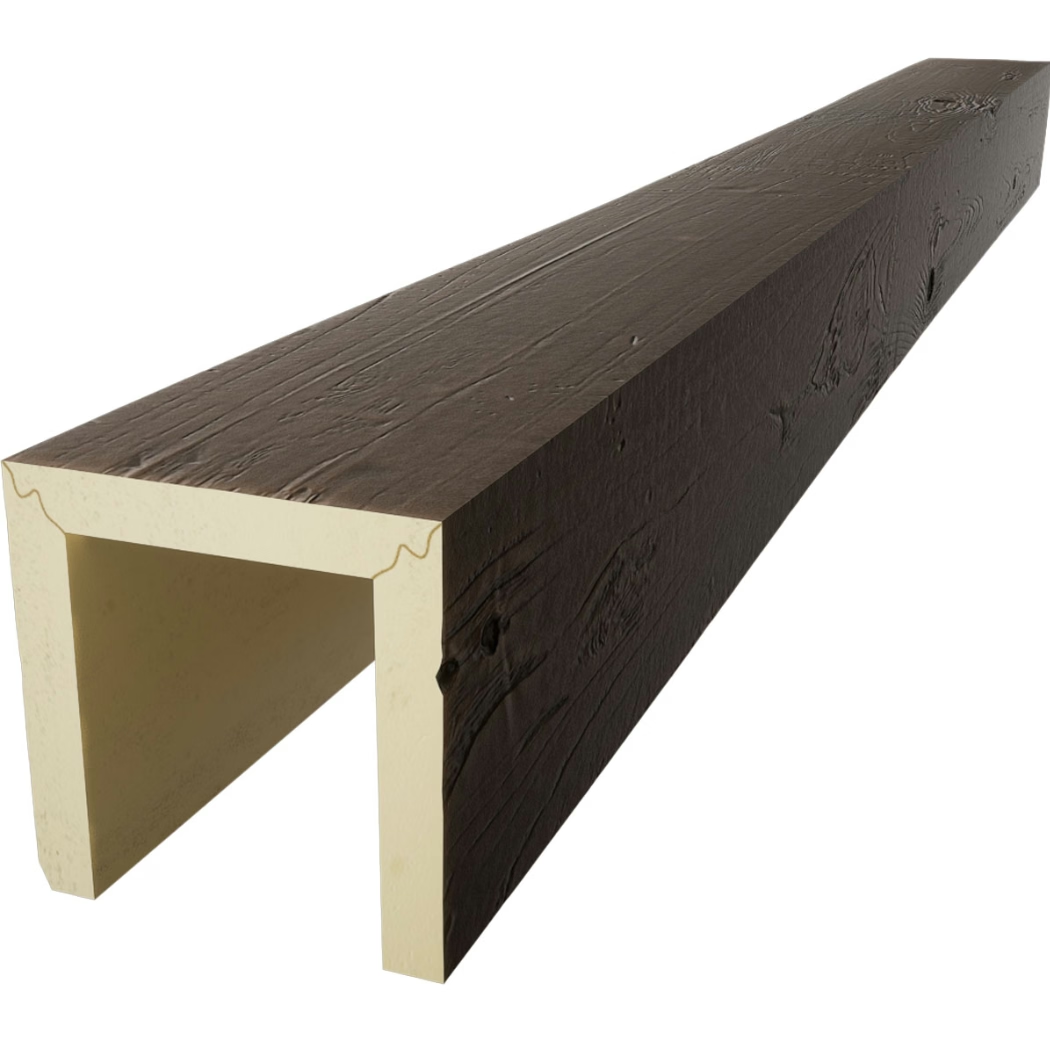
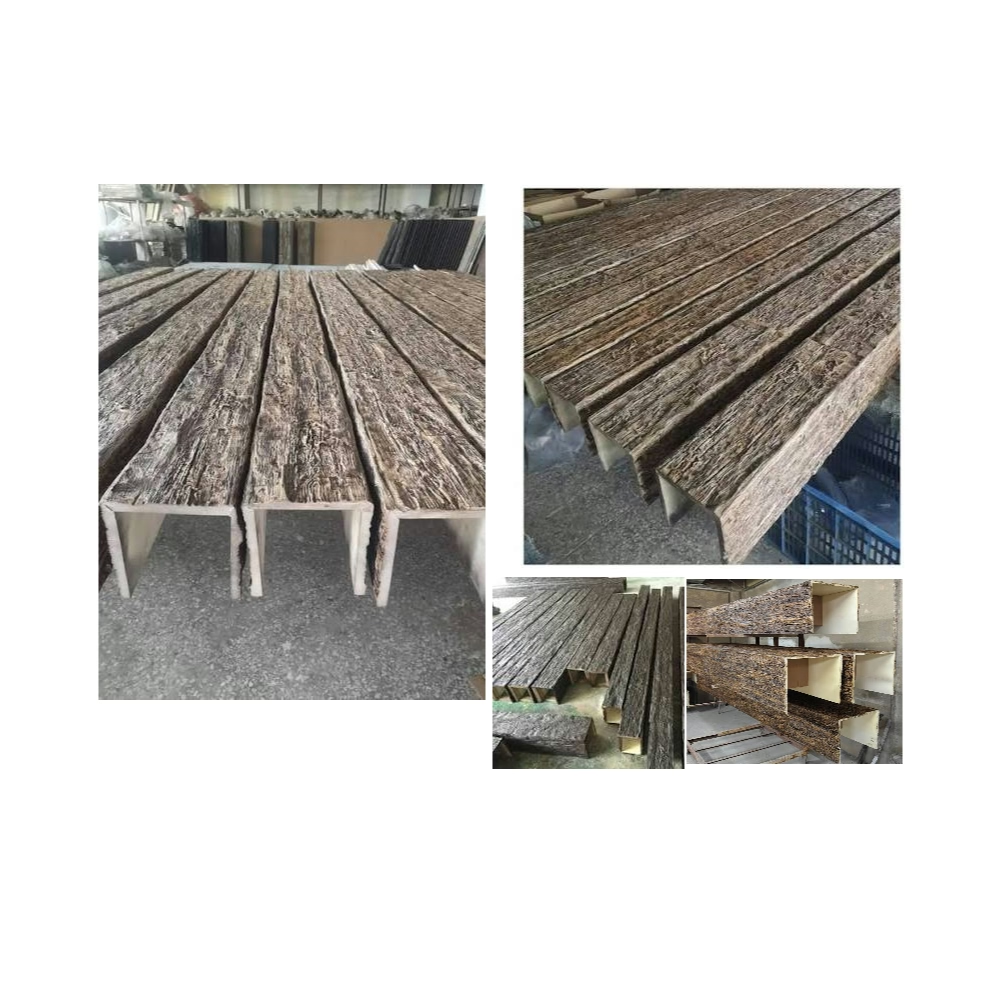
Modern manufacturing techniques have transformed polyurethane into a material that convincingly mimics the textures found in nature. The process begins with carefully crafted molds taken from authentic driftwood specimens, capturing every crack, crevice, and weathered edge that time creates on real wood. High-density polyurethane is then poured into these molds, creating beams that replicate the exact surface characteristics of wood that has spent years tumbling through ocean waves.
What emerges is a beam that looks remarkably like the real thing but performs in ways natural wood never could. The material accepts paint and stain exceptionally well, allowing manufacturers to achieve that distinctive grey-white patina that defines driftwood without the years of natural weathering. Each beam emerges from production with consistent coloring, eliminating the variability that makes sourcing genuine reclaimed driftwood so challenging. For contractors working on commercial beachfront projects or homeowners undertaking single-room renovations, this consistency means you know exactly what you're getting before installation begins.
The lightweight nature of polyurethane—typically weighing 80-90% less than comparable solid wood beams—revolutionizes installation logistics. A single person can handle beams that would otherwise require two or three workers, and ceiling installations become feasible in structures where traditional heavy timber would compromise structural integrity. This weight reduction also simplifies shipping, making these beams an attractive option for international buyers sourcing materials for coastal properties anywhere in the world.
Designing with Coastal Relaxation in Mind
Coastal interior design thrives on what designers call "visual breathing room"—spaces where elements don't compete for attention but instead create a sense of calm through restraint and natural connection. Driftwood look beams contribute to this atmosphere by introducing organic texture without adding visual weight. Unlike dark mahogany beams that anchor a room and demand acknowledgment, pale driftwood tones recede visually, drawing the eye upward to follow the ceiling line while subtly warming the space.
Consider how these beams interact with natural light throughout the day. Morning sun might illuminate the subtle grain patterns etched into the beam surface, while afternoon light creates soft shadows in the weathered crevices. Evening brings a gentle luminosity that makes the beams appear to glow faintly, as if holding traces of the day's sunshine. This dynamic quality keeps the room interesting without requiring active decoration or arrangement changes.
Open floor plans present particularly compelling opportunities for driftwood beam installation. When a great room flows from kitchen to living area to dining space, repeating beams across the entire ceiling creates visual unity while defining functional zones through spacing and arrangement. A row of beams perpendicular to a kitchen island might mark the transition to living space, with the same beam style maintaining continuity across both areas. This approach works especially well in vacation rental properties where guests should feel oriented and comfortable from the moment they enter.
Practical Advantages for Coastal Environments
Humidity and salt air conspire against traditional wood in coastal settings. Real wood swells when it absorbs moisture, warps as it dries unevenly, and eventually succumbs to rot or insect damage that progresses faster in marine environments. Natural driftwood look PU faux beams sidestep these concerns entirely. Polyurethane doesn't absorb water, won't rot when exposed to occasional moisture, and provides no nutritional value for the insects that damage natural wood structures.
This resistance extends the lifespan of your installation dramatically while reducing maintenance requirements to simple periodic cleaning. A soft brush attachment on a vacuum cleaner or a gentle wipe with a damp cloth removes dust and salt residue that accumulates in coastal homes. There's no need for annual sealing, staining, or protective coating applications that real wood demands, especially in challenging environments.
For rental properties and vacation homes where maintenance visits may be infrequent, this low-maintenance characteristic translates directly to reduced costs and fewer headaches. Property managers appreciate knowing that the ceiling beams will look the same whether they've been checked recently or not. Owners of primary residences value the freedom from seasonal wood maintenance rituals that otherwise consume weekends and require specialized products.
Installation Considerations and Techniques
Successful beam installation begins with accurate measurement and careful planning. Most manufacturers offer standard sizes that work for common applications, but custom dimensions are typically available for projects with unique requirements. When measuring for beams that will span between support points, account for any clearance needed at the ends and verify that mounting hardware is appropriate for your ceiling construction type.
Structural mounting requires proper support regardless of the beam material. While polyurethane beams weigh less than wood, they still need secure attachment to ceiling joists or supporting framework. Metal brackets designed for beam installation provide the necessary strength while remaining hidden once the beam is positioned. In some installations, decorative mounting plates at beam ends add visual interest while concealing the mechanical attachment points.
Interior applications allow more flexibility than exterior use, though quality manufacturers offer UV-resistant formulations suitable for covered outdoor spaces like covered porches or poolside pavilions. Direct sun exposure for extended periods may eventually affect the surface color of any polyurethane product, so covered installations will maintain their appearance longest. Always discuss your specific environment with the manufacturer to ensure you're selecting products rated for your intended use.

Complementing Your Existing Coastal Decor
The neutral palette of driftwood look beams coordinates with virtually every coastal color scheme, but thoughtful pairing elevates a good design to a great one. In a room with predominantly white or cream walls, the grey undertones in driftwood beams prevent the space from feeling sterile while maintaining the bright, airy quality that defines coastal style. Against navy or deep teal accent walls, the same beams provide needed warmth to prevent the darker colors from overwhelming the room.
Soft blue and green accents echo ocean and sky, finding natural harmony with driftwood tones. Consider how textile choices interact with beam coloring—linen curtains in natural unbleached cotton, woven seagrass accessories, and ceramic pieces in matte white or sandy beige all reinforce the coastal aesthetic without overwhelming it. The beams become part of a larger composition rather than a standalone feature.
Artwork and photography featuring coastal scenes benefit from the neutral backdrop that driftwood beams provide. A gallery wall of ocean photographs gains impact when mounted against light grey beam-accented ceiling, with the beams creating visual separation between wall art and ceiling plane. Similarly, large-format coastal landscape paintings hung above a fireplace find complementary framing in the muted tones of driftwood-look timber.
Long-Term Value and Investment Considerations
While quality always costs more upfront, the lifecycle cost analysis for driftwood look PU beams often favors them over traditional alternatives. Consider the initial savings on material cost—quality polyurethane rarely costs more than premium reclaimed wood, and installation labor savings compound that advantage. Ongoing maintenance costs tilt further toward polyurethane when you account for the sealants, stains, and labor that natural wood demands throughout its service life.
For commercial applications like hotel lobbies, restaurant dining rooms, or retail spaces, the consistency of manufactured beams ensures that your design vision translates precisely from concept to completion. Property developers appreciate knowing that replacement beams will match existing installations exactly, eliminating the frustrating variability that complicates long-term maintenance of properties built with reclaimed materials. This predictability simplifies inventory planning and reduces the likelihood of visible repair patches when damage occurs.
The environmental argument for manufactured beams also resonates with increasingly eco-conscious consumers. While reclaimed wood salvages existing materials, the supply is inherently limited and inconsistent. Polyurethane production, by contrast, can scale to meet demand while maintaining consistent quality. Some manufacturers incorporate recycled content into their formulations, further improving the environmental profile of these products.
Making Your Selection
When evaluating driftwood look beam options, examine surface texture closely to ensure it captures the character you want. Some products feature subtle grain patterns suitable for contemporary spaces, while others embrace more pronounced weathering for rustic authenticity. Request samples when possible and observe how they look in your actual space with your lighting conditions and adjacent materials.
Consider the beam profile as a design element. Square beams create clean contemporary lines, while beams with chamfered edges or decorative corbels introduce traditional architectural character. The choice depends on your overall design direction and the existing architectural style of your property. A beach cottage with cottage-core influences might suit more ornate beam details, while a modern coastal home would pair better with simple, minimal profiles.
Finally, verify the warranty coverage and manufacturer support before purchasing. Quality products typically carry warranties of five years or more against manufacturing defects, and responsive manufacturers will provide technical guidance throughout the planning and installation process. For international buyers, confirm that shipping arrangements and customs documentation meet your requirements to avoid delays or unexpected costs when your order arrives.
Technical References
ASTM standards cited in every specification
Test Data
Lab results from internal testing program
Updated 2026
Reviewed against current product specs


