The appeal of vacation homes often lies in their ability to transport us to a more relaxed state of mind. Whether perched on a sandy shore or nestled among pine forests overlooking still water, these retreats should feel different from our everyday environments—warmer, simpler, closer to the natural world. Materials selection plays a crucial role in creating that transformation, and nothing establishes a vacation state of mind quite like the subtle beauty of weathered wood surfaces. Natural driftwood style PU faux beams offer designers and homeowners an opportunity to bring that aesthetic into any space while ensuring the practical durability that vacation properties demand.

The psychology of vacation design favors materials that evoke outdoor experiences. When we see wood that appears sun-bleached and salt-worn, our minds associate it with beach walks, boat docks, and lazy afternoons watching waves lap against shore. These mental connections happen automatically, requiring no conscious effort on the part of the viewer. By incorporating driftwood-look elements into your interior design, you're tapping into pre-existing emotional associations that reinforce the vacation atmosphere you're trying to create.
Why Vacation Properties Benefit Most from Faux Wood Beams
Vacation properties face unique challenges that differentiate them from primary residences. Occupancy is intermittent, maintenance visits may be separated by weeks or months, and the property must make an excellent first impression on guests who might be seeing it for the first time. These requirements favor materials that look impressive from the start and maintain their appearance without constant attention.
Driftwood style PU beams excel in this context. Unlike real reclaimed wood that might arrive with hidden insect damage or moisture-related issues, manufactured beams arrive ready to install and immediately display their intended appearance. There's no need to treat, seal, or acclimate the material before installation begins. Guest arrivals coincide with a property that looks exactly as the listing photographs suggested, reinforcing trust and satisfaction.
The resilience of polyurethane becomes particularly valuable in seasonal properties. When a lake house sits empty through winter months, temperature fluctuations and occasional moisture infiltration don't threaten the integrity of faux wood beams the way they would compromise natural timber. Summer humidity, common in lakeside locations, poses no threat to properly installed polyurethane. This durability translates to fewer maintenance trips and lower long-term upkeep costs for property owners.
Designing Cohesive Vacation Spaces
Successful vacation home design balances several competing considerations: the desire for personality and character, the practical requirements of durability and easy maintenance, and the need to appeal to diverse potential guests. Driftwood style beams contribute positively to all three goals, providing distinctive visual character without demanding specialized care or limiting the design appeal to narrow demographic preferences.
Open-concept vacation rentals benefit significantly from ceiling beam installations that create visual interest without dividing the space. When a kitchen, dining area, and living space flow together, repeating beams across the ceiling provides subtle architectural definition. Guests intuitively understand the functional zones even without walls or room dividers, and the shared aesthetic throughout maintains visual cohesion. This approach works particularly well in rental properties where flexibility of furniture arrangement enhances guest comfort.
Thematic consistency strengthens the vacation experience. If your property is marketed as a beach retreat, driftwood beams reinforce that narrative throughout the interior. The ceiling treatment becomes part of the story guests tell friends about their stay, contributing to positive reviews and repeat bookings. Consistent theming also helps properties stand out in crowded vacation rental markets where differentiation drives booking success.
The Practical Side of Driftwood Aesthetics
Real driftwood presents several challenges that manufactured alternatives overcome elegantly. Authentic driftwood must be carefully sourced, typically requiring extensive searching through coastal areas or specialized salvage operations. Each piece varies significantly in color, shape, and character, making it nearly impossible to achieve a consistent appearance across multiple beam installations. Transportation logistics for long, awkward pieces add cost and complexity to any project.
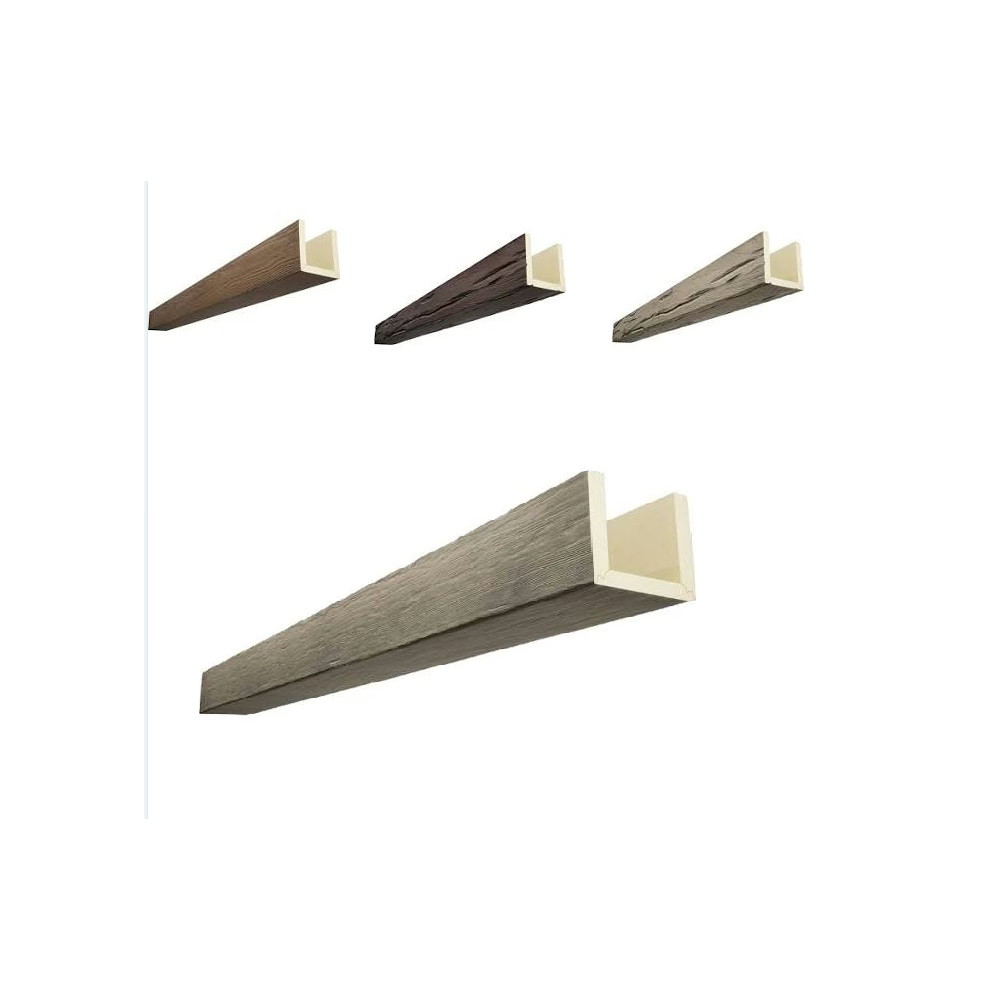
Manufactured driftwood style beams eliminate these concerns while maintaining the essential aesthetic qualities that make the look desirable. The weathered grey patina develops through careful surface treatment rather than years of natural tumbling, resulting in consistent coloring across all beams in an installation. Structural integrity is guaranteed through quality manufacturing processes, with each beam meeting exact specifications for dimensions and load-bearing capacity.
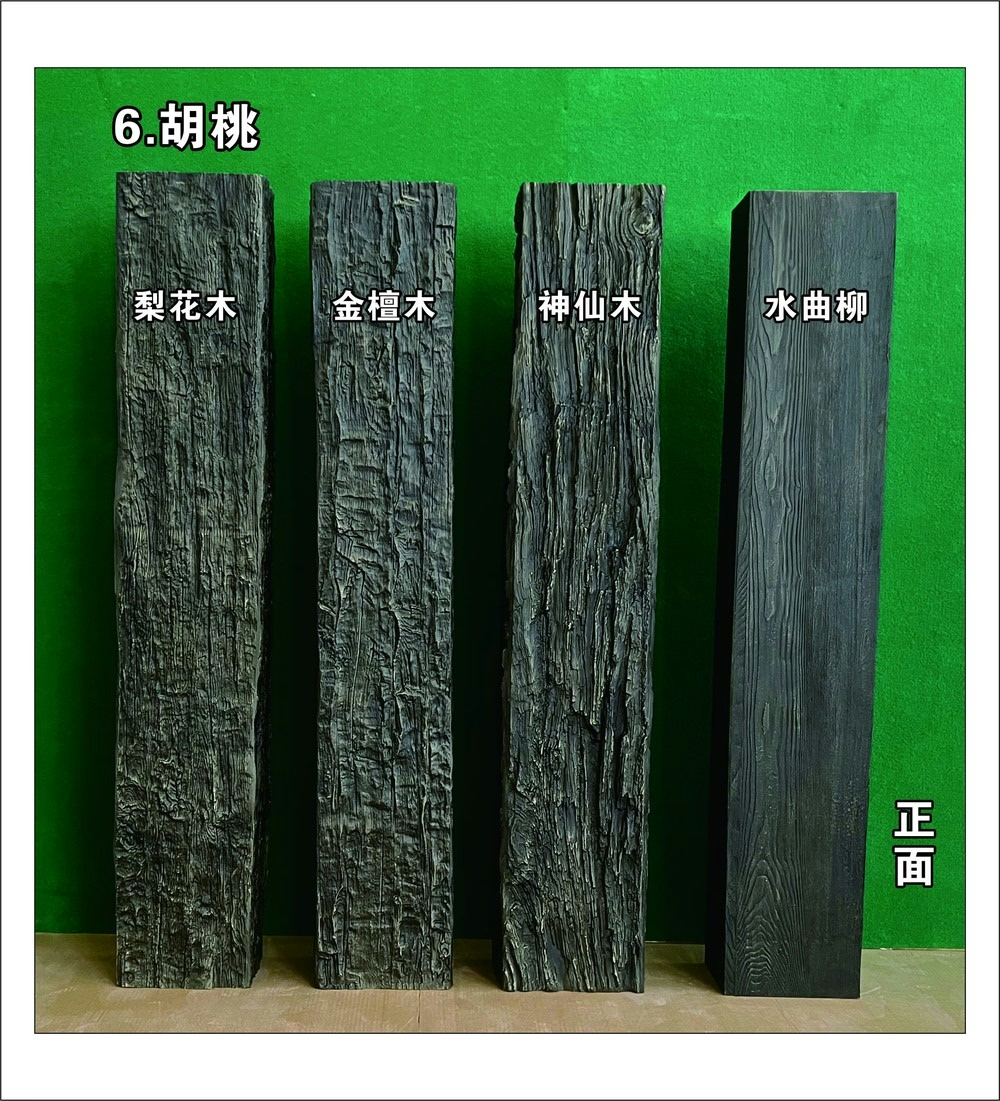
The surface texture of quality driftwood-look beams deserves attention. Premium products feature deeply embossed grain patterns that catch light dramatically, creating the dimensional appearance that distinguishes authentic weathered wood from flat painted surfaces. Run your hand across the beam surface before purchasing—quality products feel as interesting as they look, with ridges and valleys that reward close inspection.
Installation Scenarios and Techniques
Great rooms in vacation properties often feature vaulted or cathedral ceilings that present both opportunity and challenge. The expansive ceiling area creates impressive visual impact when treated with driftwood beams, but it also demands careful planning to ensure the beams are proportional to the space. Beams that appear too small will get lost in a large volume, while oversized beams can overwhelm the room and compete with other design elements.
A useful guideline suggests that exposed ceiling beams should occupy roughly one-third of the ceiling height in terms of visual weight when viewed from across the room. In practice, this means larger spaces generally accommodate larger or more closely spaced beams. Discuss your specific dimensions with manufacturers or experienced installers who can recommend appropriate beam sizes and spacing for your ceiling configuration.
Supporting structure matters regardless of beam material. While polyurethane beams are lightweight, they still require secure mounting to structural ceiling framing. In new construction or major renovation scenarios, consider adding blocking between ceiling joists at beam mounting points. This preparation ensures secure attachment and prevents the frustration of discovering inadequate support after other finishes are complete.

Coordinating with Other Natural Materials
Vacation properties often incorporate multiple natural materials—stone fireplaces, timber furniture, woven textiles, and plant materials. Driftwood style beams fit naturally into this material palette, sharing the neutral warmth of weathered organic matter while introducing consistent structural interest overhead. The key lies in thoughtful proportion and distribution of these elements throughout the space.
Stone and driftwood share a muted color range that coordinates naturally, with grey tones appearing in both materials. A fieldstone fireplace surround finds visual companion in driftwood beams above, with the ceiling treatment echoing the hearth's organic texture without competing for attention. This combination appears frequently in mountain lodge designs where stone fireplaces and wood ceiling treatments create the classic cabin atmosphere.
Woven materials and textiles in natural fibers—cotton, linen, jute, seagrass—complement driftwood aesthetics through their shared unfinished quality. These materials feel handmade and organic rather than manufactured and precise, reinforcing the connection to natural environments that vacation properties should evoke. Area rugs in natural fiber textures ground living areas while driftwood beams overhead create visual ceiling height without coldness.
Long-Term Ownership Considerations
For property owners managing vacation homes over extended periods, the total cost of ownership matters as much as initial purchase price. Driftwood style PU beams offer advantages throughout the ownership lifecycle, from simplified installation through reduced maintenance requirements and eventual replacement flexibility.
Maintenance costs for natural wood alternatives include periodic sealing to prevent moisture damage, staining to maintain color consistency, and pest control treatments to protect against wood-boring insects. In coastal or lakeside environments where humidity runs high, these maintenance requirements intensify compared to inland locations. Polyurethane faux beams eliminate all these ongoing expenses, requiring only occasional dusting or cleaning that most vacation property managers can handle during standard turnover cleaning.
Replacement scenarios favor manufactured beams for another important reason: consistency over time. When a vacation property owner needs to replace a damaged beam after ten or fifteen years, manufactured products ensure an exact match to existing beams. Natural materials, by contrast, age differently over time and may no longer be available in matching styles. This long-term predictability simplifies property maintenance planning and helps preserve design integrity across ownership changes.
Selecting Quality Products for International Projects
Buyers sourcing materials for international projects should verify several key specifications before committing to purchase. Polyurethane formulations vary significantly between manufacturers, with higher density materials offering superior durability and surface detail. Request density specifications and compare products from multiple suppliers to ensure you're selecting beams that will perform adequately in your specific environment.
Shipping considerations for international orders include packaging requirements to prevent transit damage and documentation needed for customs clearance. Quality suppliers understand export packaging standards and provide appropriate crating and protection. Verify that customs documentation clearly describes the product and its intended use to prevent delays at ports of entry.
Lead time planning matters for international projects where shipping delays can disrupt construction schedules. Build reasonable buffer time into your project timeline to account for production, packaging, shipping, and customs processing. Discuss realistic timelines with suppliers who have experience serving international markets, as these vendors understand the variables that affect delivery schedules in cross-border transactions.
Technical References
ASTM standards cited in every specification
Test Data
Lab results from internal testing program
Updated 2026
Reviewed against current product specs


