The textures that surround us in designed spaces profoundly influence how we feel within them. Smooth, uniform surfaces suggest modernity and efficiency, while rough, varied textures evoke tradition, warmth, and connection to the natural world. In coastal interior design, texture often takes center stage, with designers deliberately incorporating surfaces that remind inhabitants of the elemental experiences that define beach living: salt-sprayed wood, wind-tumbled stone, sun-bleached fibers. Natural driftwood texture polyurethane faux beams bring this tactile quality into interior spaces with remarkable fidelity, creating surfaces that reward touch as much as visual observation.

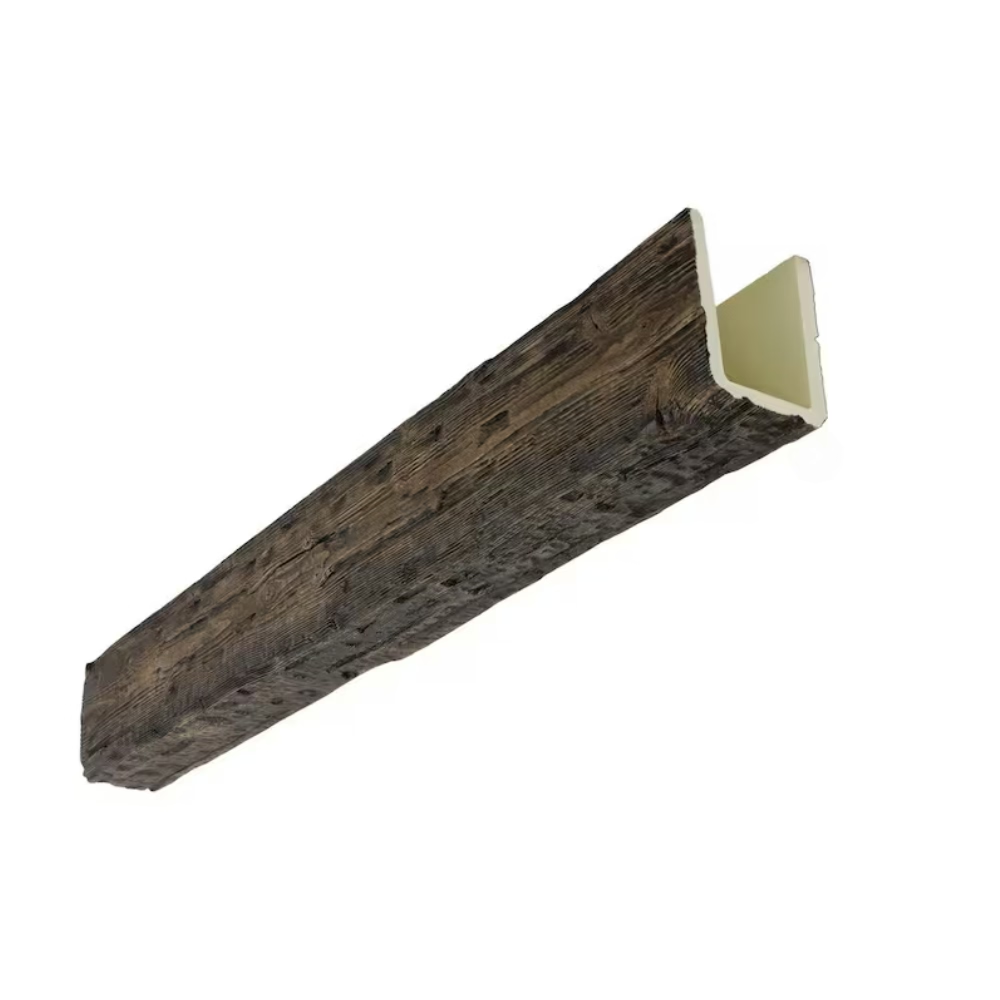
What distinguishes truly premium driftwood texture from lesser imitations lies in the complexity of the surface. Real driftwood develops its character through years of interaction with water, sun, and sand. The original wood grain softens as surface fibers break down, while the salt crystallization and mineral deposits from ocean water create unexpected patterns and color variations. Capturing this layered history requires manufacturing processes that go beyond simple color matching, instead recreating the dimensional complexity that makes real driftwood so visually engaging.
The Manufacturing Science Behind Authentic Driftwood Texture
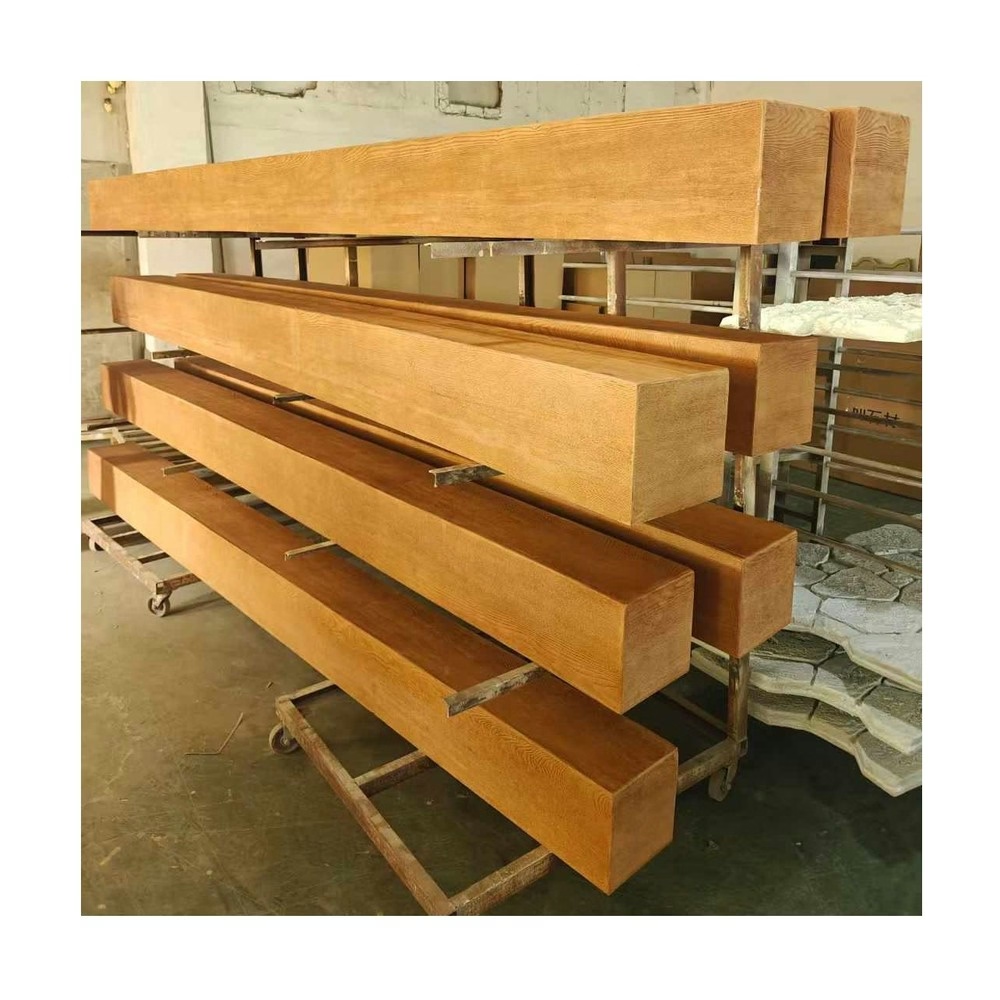
Creating convincing driftwood texture begins with understanding what makes natural driftwood visually unique. The process starts with extensive photography and measurement of genuine weathered wood specimens, capturing not just the overall appearance but the subtle variations that occur within individual pieces. These studies inform the creation of production molds that reproduce the essential characteristics: softened grain lines, pitting from mineral deposits, longitudinal cracks from freeze-thaw cycles, and the distinctive grey-white color gradient that,阳光 bleaching creates over time.
Modern polyurethane formulations provide the ideal medium for this reproduction work. The material accepts detailed surface embossing with remarkable precision, preserving fine textural details that would be lost in less sophisticated manufacturing processes. High-density formulations maintain these details over time without the compression or flattening that affects lower-quality materials. When you examine a premium driftwood texture beam under raking light, you should see the same interplay of shadow and highlight that makes genuine weathered wood so visually dynamic.
The color treatment process follows surface texturing, with careful application of grey and beige tones that mimic natural sun bleaching. Multiple color layers create depth, with darker tones in recessed areas and lighter highlights on raised surfaces. This dimensional coloring reproduces the way real driftwood appears differently depending on viewing angle and lighting conditions, creating visual interest that holds up to extended observation.
Integrating Driftwood Texture Throughout Interior Spaces
Ceiling applications represent the most dramatic use of driftwood texture beams, but the design potential extends further when designers think beyond conventional placements. Exposed beam installations on partial walls can create visual separation between functional zones while maintaining the open feel that coastal interiors typically favor. A breakfast nook might be defined by a beam extending down from the ceiling to partially separate it from the main kitchen, creating intimacy without enclosure.
Kitchen island bases wrapped in driftwood texture panels bring the ceiling treatment down to human scale while providing practical surface durability. The textured finish hides minor scratches and scuffs that inevitably accumulate in heavily used kitchen spaces, maintaining appearance despite the challenges of food preparation environments. Combined with driftwood beams overhead, these architectural details create a unified aesthetic that elevates the entire room.
Bathroom applications leverage the moisture resistance of polyurethane in ways that would be impractical with natural wood. Steam from showers, splashing at sinks, and occasional floor wetness pose no threat to properly installed faux wood elements. A master bath with driftwood texture beams around a soaking tub creates a spa-like retreat that connects the bathing experience to imagined beach vacations. The warm grey tones complement the white fixtures and natural stone surfaces common in high-end bathroom design.
The Tactile Dimension of Coastal Design
Visual texture captures attention, but tactile texture creates connection. When inhabitants of a space can touch surfaces and feel interesting variations, their relationship with the environment deepens. Driftwood texture beams invite touch in ways that smooth painted surfaces never could, rewarding the curious hand with the same complex surface that pleases the eye.
Consider how this tactile quality affects room function. In family rooms where children play on the floor, driftwood beams overhead create visual warmth without concerns about impact damage. In dining rooms where guests gather for extended meals, the interesting ceiling treatment provides conversational material when gaze drifts upward. In bedrooms where relaxation is the primary function, the organic texture promotes the calm, grounded feeling that quality rest requires.
The acoustic properties of textured beam surfaces also contribute to room comfort in ways that smooth ceilings cannot match. The irregular surfaces scatter sound reflections, reducing echo and creating more intimate acoustic environments. This effect proves particularly valuable in open floor plans where hard surfaces typically dominate and sound can feel harsh and unnatural.

Climate Considerations for Coastal Installations
Coastal environments present specific challenges that influence material selection decisions. Salt air accelerates corrosion of metal hardware, promotes biological growth on organic materials, and introduces abrasive particles that accelerate surface wear on vulnerable materials. Polyurethane faux beams address these challenges directly, providing material stability in environments that quickly degrade alternatives.
Temperature fluctuations common in coastal regions—from hot sunny afternoons to cool ocean evenings—create expansion and contraction cycles that stress building materials. Natural wood responds to these changes by swelling and shrinking, eventually developing gaps, cracks, or warping that compromise appearance and structural integrity. Polyurethane's dimensional stability eliminates these concerns, maintaining consistent appearance and fit regardless of temperature cycling.
Humidity represents the most significant ongoing challenge for organic materials in coastal settings. Wood absorbs atmospheric moisture, leading to swelling, mold growth, and eventual decay. Polyurethane repels water entirely, preventing the absorption that causes these problems. This resistance maintains appearance and structural integrity while eliminating the maintenance interventions that natural wood requires.
Design Applications Across Property Types
Residential applications span the full range of housing types, from compact beach condos to expansive oceanfront estates. In smaller spaces, driftwood beams create the visual height and interest that makes rooms feel larger than their actual square footage. In larger homes, the same treatment adds warmth and character that prevents spaces from feeling cavernous or impersonal.
Commercial hospitality projects have embraced driftwood aesthetics extensively. Hotel lobbies, resort restaurants, and beachfront bars benefit from the inviting warmth that textured beams provide while withstanding the heavy traffic and frequent cleaning that commercial environments demand. The low-maintenance characteristic proves particularly valuable in these applications where ongoing upkeep costs directly impact profitability.
Retail environments seeking the coastal lifestyle market use driftwood texture beams to establish brand identity and create memorable shopping experiences. Surf shop interiors, coastal home decor retailers, and seafood restaurants all find value in the authentic texture that reinforces their market positioning. The distinctive appearance photographs well, contributing to social media visibility and marketing efforts.
Maintenance Practices for Long-Term Beauty
Despite the durability of polyurethane, periodic maintenance preserves appearance and extends service life. Dust accumulation occurs in all interior spaces and becomes more noticeable on textured surfaces where it settles into recesses. Regular dusting with a soft brush attachment removes accumulated particles without damaging the surface finish. For more thorough cleaning, a damp cloth followed by immediate drying restores the original appearance.
Spot cleaning addresses specific staining incidents before they become permanent. Most common household spills—coffee, wine, food materials—can be removed from polyurethane surfaces with mild soap and water if addressed promptly. The material's non-porous nature prevents staining absorption that afflicts natural wood, making cleanup straightforward and typically successful even with challenging materials.
Protective measures reduce maintenance requirements over time. In areas prone to accidental impacts, considering beam placement away from high-traffic zones or play areas reduces damage risk. When beam installation must occur in vulnerable locations, selecting smaller profile beams reduces the visual impact of any damage that does occur while maintaining the aesthetic contribution.
Evaluating Quality in Driftwood Texture Products
Surface consistency distinguishes premium driftwood texture products from budget alternatives. Run your fingers along the beam surface before purchasing—quality products feel consistently textured throughout, without patches of smooth surface or areas where the embossing appears incomplete. Inconsistency typically indicates inferior manufacturing processes or lower-quality tooling that will affect both appearance and durability.
Color consistency matters equally. Premium driftwood should display the characteristic grey-white gradient without significant color variation between pieces or within individual beams. Check multiple beams from the same production run to ensure color consistency across your order. Significant variation suggests inadequate quality control during the coloring process.
Structural integrity inspection completes the quality evaluation. Premium polyurethane beams feel solid when handled, without the soft spots or inconsistencies that indicate formulation problems. Tapping the beam surface should produce a consistent sound throughout, without dull patches that might indicate air pockets or density variations. These physical inspections take only moments but provide valuable assurance of product quality.
Technical References
ASTM standards cited in every specification
Test Data
Lab results from internal testing program
Updated 2026
Reviewed against current product specs


