The appeal of French country interior design lies in its celebration of honest materials and comfortable living. Unlike the formal precision of Parisian apartments or the ostentatious grandeur of Versailles-inspired spaces, authentic French countryside interiors embrace imperfection as a form of beauty. Weathered stone, worn wood surfaces, linen textiles in natural undyed states, and pottery with irregular glazes—these elements create environments that feel genuinely inhabited and comfortably timeless. Natural French country oak PU faux beams contribute precisely this quality to interior spaces, introducing warm wood character that grounds rooms in an aesthetic heritage spanning centuries of European farmhouse design.

Oak has served as the primary structural and decorative wood throughout French rural architecture for good reason. The species offers exceptional durability, beautiful grain patterns that become more interesting with age, and a warm color palette ranging from honey gold through rich amber that flatters both traditional and contemporary settings. When French country design principles migrated across the Atlantic and influenced American farmhouse aesthetics, oak remained central to the palette, its versatility allowing adaptation to regional variations while maintaining the essential character that defines the style.
The Distinctive Character of French Country Oak
French country oak differs from the oak varieties typically used in American construction not just in species characteristics but in the cultural expectations surrounding its appearance. French farmhouse design typically favors wood that shows its age gracefully—barns and farm structures often built with lower-grade timber that would be discarded in other contexts but contributes essential character in the French tradition. Beams might display small knots, color variation between pieces, and surface textures that suggest years of honest use rather than factory precision.
The color treatment for French country oak beams reflects this preference for warmth and age. Rather than the pale blonde tones popular in Scandinavian-influenced interiors, French country oak embraces amber and honey hues that deepen toward rich brown in prominent grain areas. This warm palette complements the earth tones and muted jewel colors that characterize French country textiles and accessories, creating rooms where everything seems to belong together naturally.
Grain pattern intensity varies according to the specific oak character being reproduced. Some French country applications feature relatively straight grain with subtle ray figure, suitable for more refined interiors or smaller rooms where overwhelming texture would prove claustrophobic. Others embrace bold, prominent grain patterns with significant color variation, appropriate for larger spaces where the beams serve as major focal points. Understanding this range helps designers select products that match their specific design intentions.
Creating Authentic European Farmhouse Atmospheres
The transition from American suburban aesthetics to European farmhouse feeling requires attention to several interconnected elements. Wood beams provide essential architectural warmth, but their impact amplifies when coordinated with complementary materials and furnishings. Stone or brick fireplaces, terracotta or slate flooring, whitewashed plaster walls, and wrought iron or aged brass hardware all contribute to the authentic atmosphere that French country design seeks.
Lighting design deserves particular attention in farmhouse-inspired spaces. The warm color temperature of French country oak beams pairs naturally with incandescent and warm LED lighting that reinforces the golden tones throughout the space. Cool white lighting, by contrast, can make warm wood tones appear muddy and reduce the inviting quality that these interiors require. Strategic placement of fixtures that wash the beam surfaces with warm light maximizes the aesthetic contribution of the ceiling treatment.
Textile selection completes the French country atmosphere. Natural linen in unbleached or naturally dyed states, wool throws in muted earth tones, embroidered cushions in traditional patterns, and woven rag rugs all reinforce the handcrafted aesthetic that defines the style. These textiles soften hard surfaces, add visual warmth, and contribute the layered quality that makes authentic French country interiors feel collected rather than purchased.
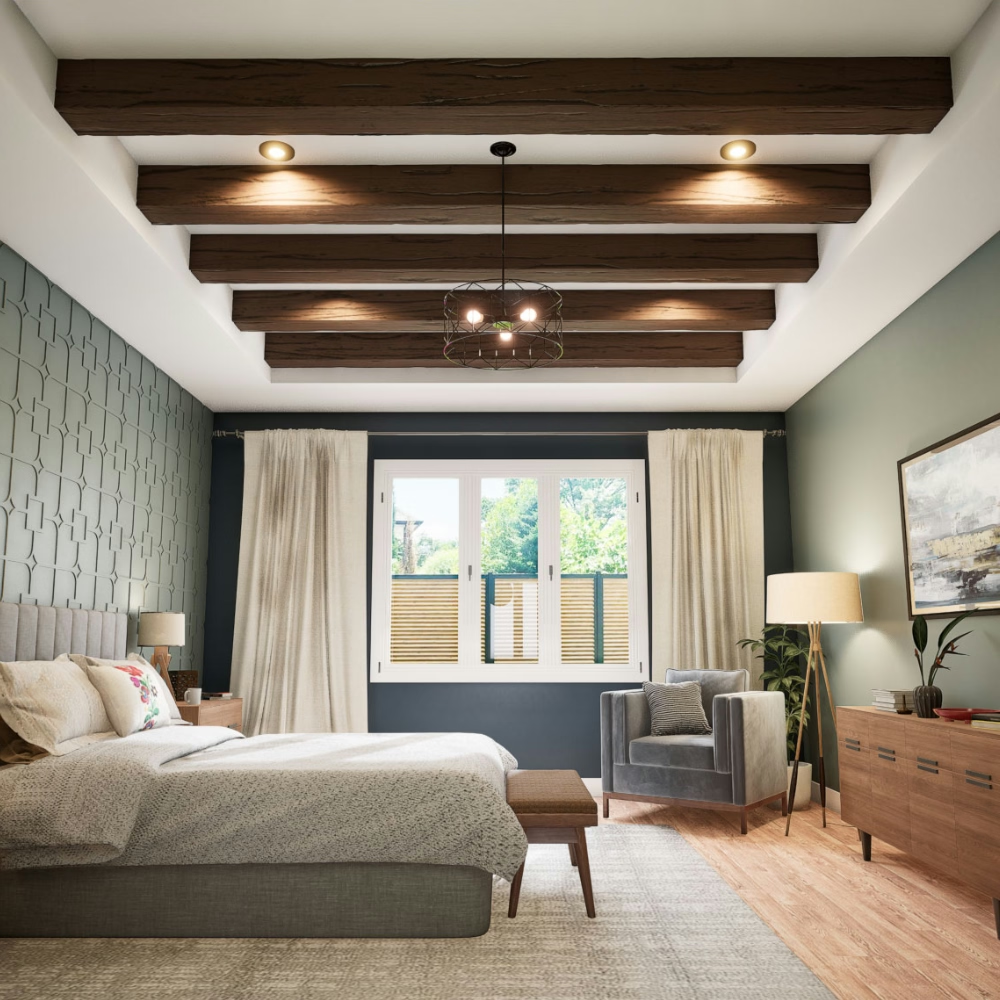
Architectural Applications in Farmhouse Design
Ceiling beams represent the most dramatic application of French country oak, but the design potential extends throughout living spaces. Exposed beams on partial-height walls create visual division while maintaining the open quality that modern living requires. A kitchen might be defined from adjacent living space by beams extending partway down the dividing wall, creating intimacy and character without the enclosure that full walls would create.
Kitchen applications particularly benefit from French country oak aesthetics. The warmth of wood balances the stainless steel appliances and composite surfaces typical of modern kitchens, preventing clinical sterility while maintaining the functionality that serious cooking demands. Hood surrounds wrapped in faux timber, ceiling beams above kitchen islands, and exposed beam headers around pantry openings all extend the farmhouse aesthetic through functional spaces.
Bathroom installations leverage the moisture resistance of polyurethane in environments where natural wood would struggle. A clawfoot tub positioned beneath French country oak beams creates a spa-like retreat that feels connected to European bathing traditions. The warm wood tones complement white fixtures and natural stone surfaces while adding the organic warmth that bathrooms often lack.
Coordinating with Existing Architectural Elements
Many renovation projects introduce faux timber beams into spaces with existing architectural features that must be respected and complemented. Stone fireplaces present a particularly common challenge, as the substantial visual weight of stone demands thoughtful beam selection to create harmony rather than competition. French country oak beams typically succeed in this context, as the warm wood tones create natural counterpoint to grey or brown stone without matching it directly.
Plaster walls in older homes require care when introducing wood elements, as the matte, organic quality of lime plaster contrasts with the more refined surfaces typical of modern construction. French country oak beams bridge this gap, offering enough visual refinement to complement plaster without the harsh precision of contemporary millwork. The result maintains the authentic character of the existing architecture while adding the warmth that wood provides.
Original hardwood floors, when present, create opportunities for significant design impact through beam selection. Matching floor and ceiling wood tones throughout the space creates enveloping warmth that makes rooms feel secure and comfortable. This approach works particularly well in smaller spaces where the continuous wood palette prevents visual fragmentation.
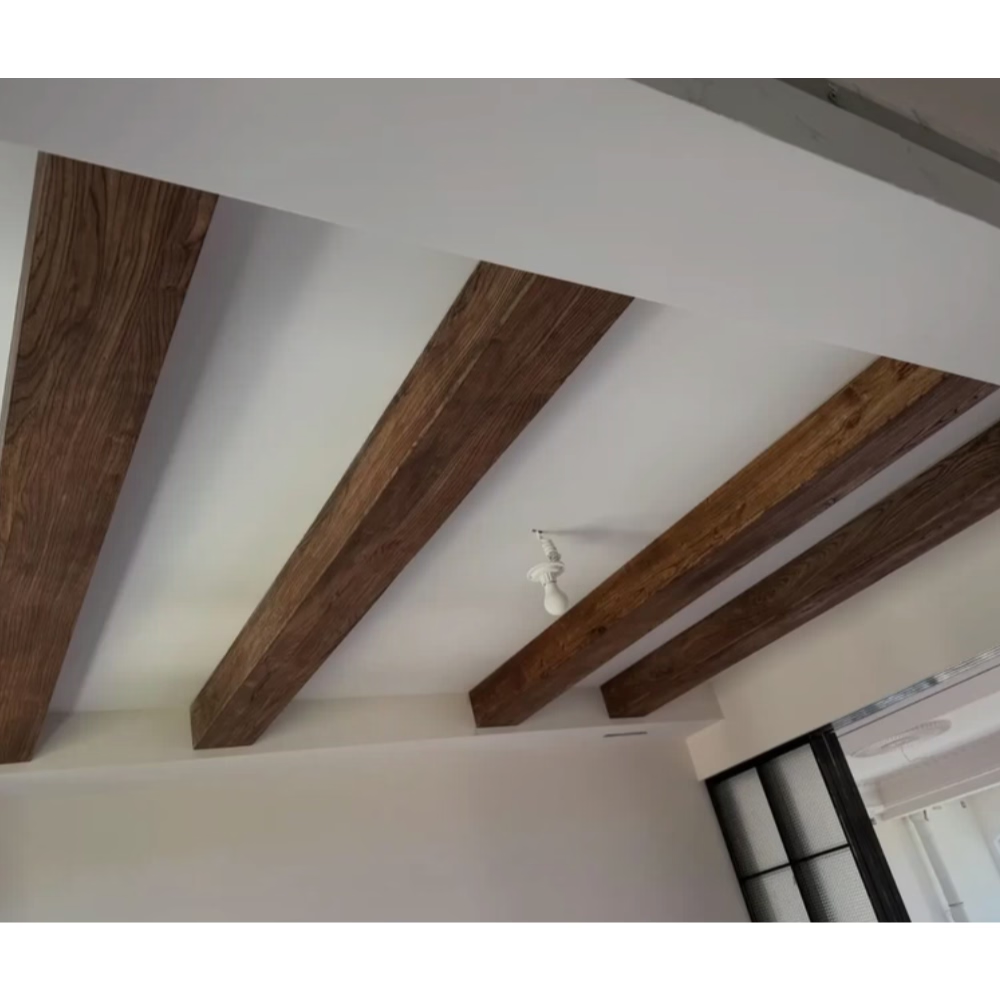
The Practical Case for Faux Timber in Farmhouse Applications
Authentic timber beams in farmhouse-style installations face practical challenges that faux alternatives elegantly resolve. Old farmhouse timber often carries hidden damage—termite tunnels, rot from decades of roof leaks, or structural compromise from overloaded storage in attic spaces. Purchasing genuine antique beams involves risk that many homeowners and designers prefer to avoid. Manufactured beams eliminate this uncertainty, with consistent quality and guaranteed structural integrity.
Installation logistics for genuine timber beams require significant planning and expense. The weight of substantial oak timbers demands proper structural support, often requiring engineering consultation and potential reinforcement of ceiling framing. Faux timber beams, by contrast, can often be installed with minimal structural preparation, reducing both cost and complexity while delivering comparable aesthetic results.
Finishing requirements for genuine timber further favor manufactured alternatives. Old beams arriving from salvage yards typically require extensive preparation before they can be safely installed—cleaning, treating for insects, possibly structural reinforcement, and certainly significant finishing work. Faux timber arrives ready to install, with durable factory-applied finishes that match or exceed what would be achieved through on-site finishing.
Design Details That Elevate Farmhouse Installations
Beam spacing significantly affects the visual result of ceiling installations. Closely spaced beams create a cozy, cottage-like feeling appropriate for smaller rooms or spaces seeking intimate atmosphere. Wider spacing allows more ceiling surface to show, creating a more contemporary feeling while still providing the warmth and character that wood contributes. Consider the overall room proportions when selecting spacing—narrow rooms often benefit from closer beam spacing that visually expands the space, while wide rooms can accommodate wider spacing without feeling sparse.
End detail treatment influences the traditional or contemporary feeling of beam installations. Exposed end cuts with visible grain suggest traditional craftsmanship and rustic authenticity. Chamfered edges introduce a more refined feeling suitable for transitional spaces. Decorative corbels or mounting plates at beam ends add architectural detail that suits formal farmhouse interpretations. Each approach serves different design intentions and should be selected deliberately rather than by default.
Hardware selection for visible mounting elements completes the design. Wrought iron straps and plates reinforce the traditional farmhouse aesthetic, while painted metal hardware in neutral tones suits more contemporary interpretations. The hardware becomes a small but important detail that either reinforces or undermines the overall design intention, depending on how thoughtfully it's selected.
Long-Term Performance Considerations
The durability of polyurethane in farmhouse applications proves particularly valuable given the long-term nature of these design choices. Farmhouse aesthetics deliberately reject the disposable quality of fast furniture and trendy finishes, instead seeking timelessness that will remain appealing across decades. Faux timber beams contribute to this longevity, maintaining consistent appearance year after year without the fading, weathering, or damage that would require eventual replacement.
Cleaning and maintenance requirements support the low-effort lifestyle that farmhouse design ideally promotes. Rather than the intensive care that genuine antique timber requires, faux beams need only occasional dusting to maintain their appearance. This simplicity aligns with the philosophy of honest, straightforward living that French country interiors embody.
Future flexibility remains available with faux timber installations. Should design preferences shift in future years, the lightweight beams are relatively easy to remove and replace with alternatives that better suit evolving tastes. This adaptability differs from genuine timber installations, which often become permanent architectural features due to the difficulty of removal and the structural modifications required for installation.
Technical References
ASTM standards cited in every specification
Test Data
Lab results from internal testing program
Updated 2026
Reviewed against current product specs


