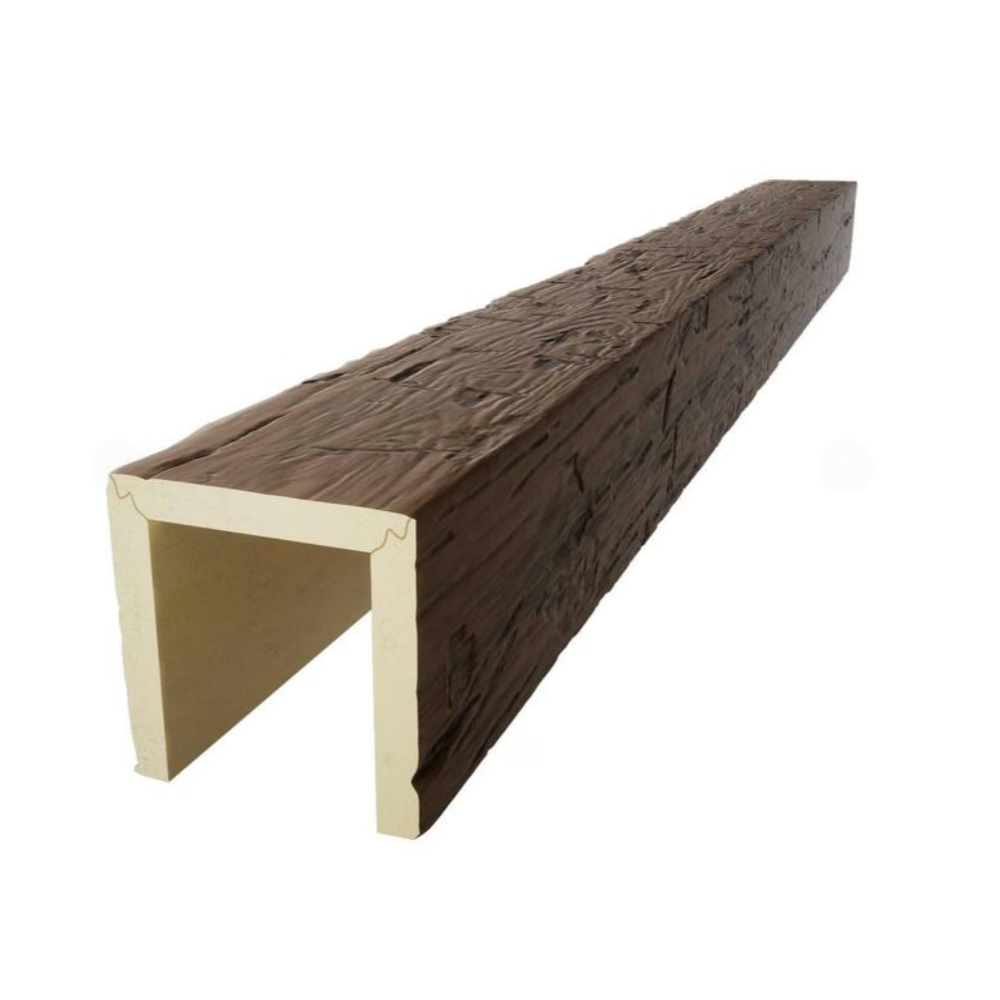
Among American hardwoods, hickory occupies a unique position—valued for its exceptional strength and shock resistance in industrial applications while simultaneously celebrated for the dramatic grain patterns that make it distinctive in furniture and architectural use. This combination of durability and visual drama makes hickory particularly suited for rustic design applications, where the goal is creating spaces that feel genuinely connected to natural environments and traditional craftsmanship. Natural hickory wood grain PU faux beams capture this distinctive character, bringing the bold presence of hickory into interior spaces without the practical limitations that genuine hickory timber would impose.

The visual personality of hickory differs significantly from other domestic woods. Where oak presents refined grain patterns and maple offers subtle figure, hickory delivers high-contrast grain with dramatic color variation between earlywood and latewood bands. This creates surfaces with striking visual rhythm that reads clearly even from considerable distances, making hickory particularly effective for ceiling applications where elements must compete with furniture and activities at lower levels.
The Distinctive Character of Hickory Grain
Understanding hickory aesthetics begins with recognizing what makes the species unique among American hardwoods. The growth pattern of hickory trees produces exceptionally pronounced growth rings, with significant density differences between the light spring wood and darker summer wood within each annual ring. This natural characteristic translates directly to visible grain that dominates the wood's appearance in ways that subtler species cannot match.
Color variation in hickory presents both challenge and opportunity in design applications. Natural hickory ranges from nearly white to dark brown within individual boards, creating dramatic color patchwork that requires careful handling in finished products. Faux hickory beams offer advantages here, as manufacturing processes can calibrate color variation to achieve desired effects—whether the extreme contrast of rustic character or more controlled variation for transitional applications.
The grain pattern of hickory includes distinctive figures not found in other species. The characteristic "corky" appearance of hickory bark transfers into subtle surface texture on finished wood, adding tactile dimension to the already dramatic visual grain. Premium embossed products capture this textural quality, creating surfaces that feel as interesting as they look.
Creating Warm Rustic Atmospheres
Rustic design seeks to establish connection with natural environments and traditional building practices. Unlike contemporary interiors that often prioritize sleek surfaces and industrial materials, rustic spaces embrace the imperfections and variations that organic materials naturally display. Hickory grain beams contribute essential character to these spaces, introducing the bold visual rhythm that distinguishes rustic design from more refined alternatives.
Fireplace surrounds provide natural focal points for hickory beam installations. The substantial presence of stone or brick fireplaces finds natural companion in wood elements overhead, with hickory's dramatic grain providing visual warmth that balances the cooler tones of masonry materials. A stone fireplace wall with hickory beams extending across the ceiling above creates the classic mountain lodge composition that defines rustic interior style.
Living rooms and great rooms benefit from the enveloping warmth that hickory beams provide. In open floor plans where spaces flow together without division, hickory beams overhead create visual zones that guide furniture arrangement and activity patterns without requiring walls or screens. The bold grain pattern maintains visual interest across the larger ceiling plane while reinforcing the rustic character throughout the space.
Material Coordination in Rustic Settings
The warm tones and bold patterns of hickory beams coordinate with a specific range of complementary materials. Stone in various forms—fieldstone, river rock, stacked slate—finds natural partnership with hickory, as both materials share organic irregularity and earth-tone color palettes. Leather furniture complements the rugged character of hickory, while wrought iron hardware and fixtures reinforce traditional craftsmanship aesthetics.
Textiles in rustic spaces should acknowledge the bold visual presence of hickory beams. Heavy woven fabrics, wool throws, and leather cushions respond to the substantial character of the wood without introducing competing patterns. The goal is creating material harmony where hickory beams feel like one voice in a larger chorus rather than a solo performance that overwhelms everything else.
Lighting choices affect how hickory beams read within the overall space. Warm incandescent or LED lighting in the 2700K-3000K range enhances the honey and amber tones in hickory grain, while cooler lighting can make the wood appear flat or grey. The firelight quality of warm lighting complements rustic intentions, creating the cozy atmosphere that these spaces seek to establish.
Regional Variations in Rustic Style
Rustic design manifests differently across geographic regions, with local materials and cultural traditions influencing specific expressions. Western mountain rustic emphasizes heavier timber proportions and more extreme weathering than Eastern variations. Southwestern rustic incorporates adobe and terracotta alongside weathered wood. Pacific Northwest rustic blends maritime influences with forest imagery. Understanding these regional variations helps designers select hickory beams that align with specific stylistic intentions.
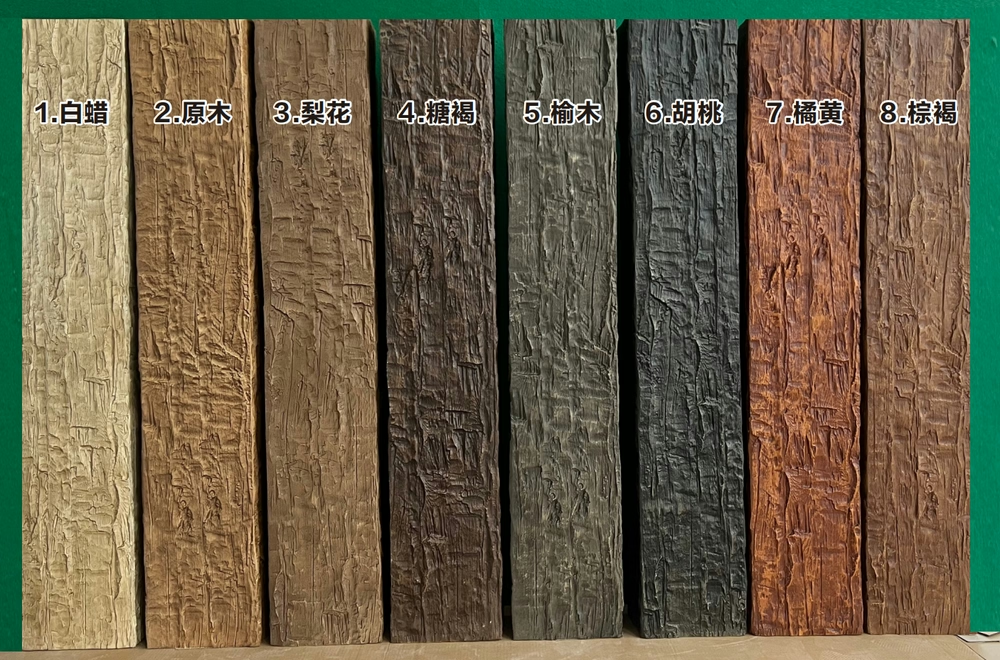
Color treatment for hickory beams can emphasize different regional characteristics. Natural hickory with minimal finish preserves the light and warm tones typical of Western applications. Stained darker, hickory approaches the deep brown tones associated with Northern lodge styles. Whitewashing or liming creates the weathered appearance common in cottage-style rustic interiors. Each treatment serves different aesthetic purposes while maintaining the essential hickory grain character.
Proportion considerations shift between regional styles as well. Large, closely spaced beams characterize Western mountain approaches, while more moderate spacing suits Eastern transitional rustic. The specific space being treated should inform beam size and spacing selections, ensuring the installation achieves the appropriate regional character.
Practical Advantages in Rustic Applications
The durability of polyurethane becomes particularly valuable in rustic applications, where environmental conditions may be less controlled than in urban settings. Vacation homes, hunting lodges, and rustic retreats often experience temperature fluctuations and occasional moisture exposure that would challenge natural wood finishes. Faux hickory beams maintain appearance through these variations without requiring the maintenance attention that genuine timber would demand.
Installation in remote locations favors manufactured beams for logistical reasons. Shipping heavy solid hickory timbers to mountain properties involves significant expense and complexity, while lightweight faux beams reduce these challenges dramatically. The reduced weight also simplifies handling at the installation site, where equipment may be limited and access might require navigating narrow roads or trail paths.
The consistency of manufactured products addresses sourcing challenges that genuine hickory presents. Natural hickory varies significantly in color and grain character, making it difficult to achieve consistent appearance across multiple beam installations. Faux hickory beams deliver uniform quality that ensures the completed installation matches design intentions exactly.
Designing for Impact
Hickory's bold visual presence demands thoughtful proportioning to achieve successful results. In smaller spaces, restrained application prevents the wood from overwhelming the room—perhaps a single exposed beam rather than a full ceiling treatment, or smaller profile beams with moderate spacing. Larger spaces can accommodate the full dramatic effect of closely spaced hickory beams that create the enveloping warmth that rustic interiors often seek.
Contrast considerations affect how hickory beams interact with surrounding surfaces. Light-colored walls allow hickory beams to achieve maximum visual impact, with the dark grain reading dramatically against bright backgrounds. Darker wall colors reduce this contrast, making beams feel more integrated into the overall palette. Neither approach is inherently superior—the appropriate choice depends on specific design intentions and the overall visual effect being pursued.
Furniture scale should relate logically to beam proportions. Large, substantial furniture pieces complement the bold character of hickory beams, while delicate or refined furniture might appear overwhelmed by comparison. This proportional consideration ensures the entire interior reads as a unified composition rather than a collection of mismatched elements.
Maintenance and Long-Term Performance
Rustic interiors ideally maintain their character over extended periods without requiring constant attention. The patina of aged materials contributes to rustic authenticity, so products that weather gracefully suit these applications better than those requiring careful protection. Faux hickory beams maintain consistent appearance without developing the uneven aging that affects natural wood, contributing to the stable, timeless quality that rustic design seeks.
Cleaning requirements for faux hickory beams remain minimal. The embossed surface might accumulate dust in the grain recesses, but regular dusting with a soft brush attachment handles this effectively. More thorough cleaning with damp cloths removes accumulated grime without damaging the finish. Unlike natural wood that might require periodic refinishing, faux beams maintain their appearance through simple routine care.
Damage resistance supports the active lifestyle that rustic spaces often accommodate. Families using vacation properties, outdoor enthusiasts tracking through mountain homes, and pets moving freely through living spaces all benefit from the durability that polyurethane provides. Minor impacts that would dent or scratch natural wood leave faux beams unaffected.
Selecting Quality Hickory Products
Grain authenticity distinguishes premium hickory faux products from budget alternatives. The dramatic contrast and distinctive pattern of genuine hickory should transfer clearly into embossed surfaces, with earlywood and latewood bands creating the characteristic rippled appearance that defines the species. Lesser products might display generic wood grain without capturing the specific hickory character that makes the species distinctive.
Color consistency between beams ensures uniform appearance throughout installations. Premium products maintain tight color tolerances across production runs, preventing the visible variations that can occur with natural hickory. Checking multiple samples before purchase verifies color consistency and identifies any problematic variation before it becomes an installation problem.
Finish durability affects long-term appearance in ways that initial inspection might not reveal. Quality polyurethane accepts and retains finish layers effectively, maintaining color and texture through years of exposure to typical interior conditions. Understanding finish specifications and warranty coverage provides confidence in the investment value of premium products.
Technical References
ASTM standards cited in every specification
Test Data
Lab results from internal testing program
Updated 2026
Reviewed against current product specs


